
 Em
EmJust so you know: This post contains affiliate links. As an Amazon Associate, I earn from qualifying purchases. I may also earn a small commission if you book a tour, hotel, or buy something else through these links. It helps me keep this blog running and full of travel tips. Thanks for your support!
When I first boarded the Lotus Express sleeper train in Da Nang, I wasn’t sure what to expect—maybe a long, noisy ride through the Vietnamese countryside on the way to Ninh Binh. What followed was a mix of charm, unexpected challenges, and a few surprises I hadn’t prepared for. If you’re planning to take an overnight train in Vietnam, here are 10 essential Vietnam sleeper train tips I wish I’d known before stepping aboard. These are based on my personal experience riding both Chapa Express and Lotus Train, and will help you get the most out of your own Vietnam sleeper train journey.
(Want a full breakdown of routes, companies, cabin types, and packing lists? Read my complete Vietnam Sleeper Train Guide for in-depth advice.)
Pack your bags, pop in your earplugs, and get ready for one of the most memorable ways to travel across Vietnam. Here are my top 10 things to know before taking Vietnam’s trains!
Looking for a book to read on the journey? Check out my list about powerful novels about Vietnam to help you while away the hours.
Want help planning Vietnam without overwhelm?
Vietnam, Unlocked is a culture-rich travel guide with itineraries, transport guidance, and planning tools — built for independent travellers who want depth, not rush.
Or, if you’re just getting started, you can sign up for my free Culture-First Traveller’s Guide to Vietnam, Laos & Cambodia — focused on history, everyday culture, and travelling thoughtfully.
And if you’d prefer someone to build a personalised itinerary just for you, I also offer custom trip planning.
👉 Request a custom Vietnam itinerary
1. Not All Sleeper Trains Are Equal
Vietnam has two types of sleeper train – the Vietnam Railway Carriages, and Private Carriages attached to the Vietnam Railway trains.
For long routes, like Da Nang (the nearest station to beautiful Hoi An, home of Vietnam’s famous tailoring experiences) to Hanoi or Hanoi to Sapa, my Vietnam sleeper train experience suggests that it’s definitely worth investing the extra in a berth in a Private Carriage (not a private cabin, see point 3). This gives you added luxury on Vietnam’s sleeper trains, and makes for a much more memorable experience.

All photos featured on this blog are from my personal travel experiences.
I used the Vietnam Railway First Class service on a short daytime trip between Da Nang and Hue while I was in Vietnam. While the layout of the carriages is similar to cabins in Private Carriages, the bed wasn’t as comfortable and there were no snacks offered. And there was no fancy sink – more on that later!

Just when you think you’ve got it figured out, it gets even more complicated. Once you’ve made the choice of Vietnam Railway vs Private Carriage, you’ve then got to decide on which company to use – and they don’t all offer the same level of luxury! I used two different companies for the different routes I took. I did a lot of research in advance and I’d recommend both companies.
I used the Lotus Train for the train between Hanoi and Da Nang. While this isn’t as fancy as some, it’s considered to be the best option operating on this route – and had really good snacks! In contrast, the beautiful Chapa Express isn’t even considered the best on the Hanoi-Sapa train route (that’s the VicSapa), but it was stunningly beautiful and much more comfortable than the Lotus Express.

2. Book Early — Especially If You Want Comfort
One of the most important things to know for Vietnam’s trains is that some routes get booked up in advance, and this is even more true for the most popular companies. I found that for the Hanoi-Sapa train, where there’s no option to fly between these two beautiful Vietnamese destinations, my train was full and the better companies get booked up quickly. While you’ll still likely find availability at short notice, it might not be with a highly rated provider.
If you’re moving on from your central Vietnam itinerary and leaving Da Nang for Hanoi, this is less of an issue, as the long journey time (around 16 hours) means that many people choose to fly. However, I preferred the Da Nang to Ninh Binh journey, as the longer travel time made for a more relaxed experience.
If you’re heading to Ninh Binh – check out my guide to the different boat options to avoid getting scammed!
3. Private Carriage Doesn’t Mean Private Cabin
Private Carriages on Vietnam’s trains mean carriages with multiple cabins, which are run by private companies. This is in contrast to the carriages run by Vietnam’s national railway. Private Carriages are usually higher in quality and cleanliness, but they don’t mean that you’ll get a private room.
The vast majority of cabins in the Private Carriages have four bunks, and if you’re a solo traveller like me, you can book just one bunk. The rest may then be filled up with other travellers, or if you’re really lucky, you’ll get some extra space.

If you’re travelling as a couple or two friends, it’s possible to book a two-berth cabin by paying (quite a lot) more. This means that the two top bunks will be folded back, and you’ll get your own private space. This is a great option if your budget allows, as it means you can lock the door on the inside for extra security. You can of course do this as a solo traveller, but it will cost four times as much as a single berth in a four-berth cabin.
A few of the higher-end Private Carriages, like the Chapa Express, also offer Premium Cabins. These are designed differently and only have two beds. I got to peep into one of these on the Chapa Express and it was beautiful.
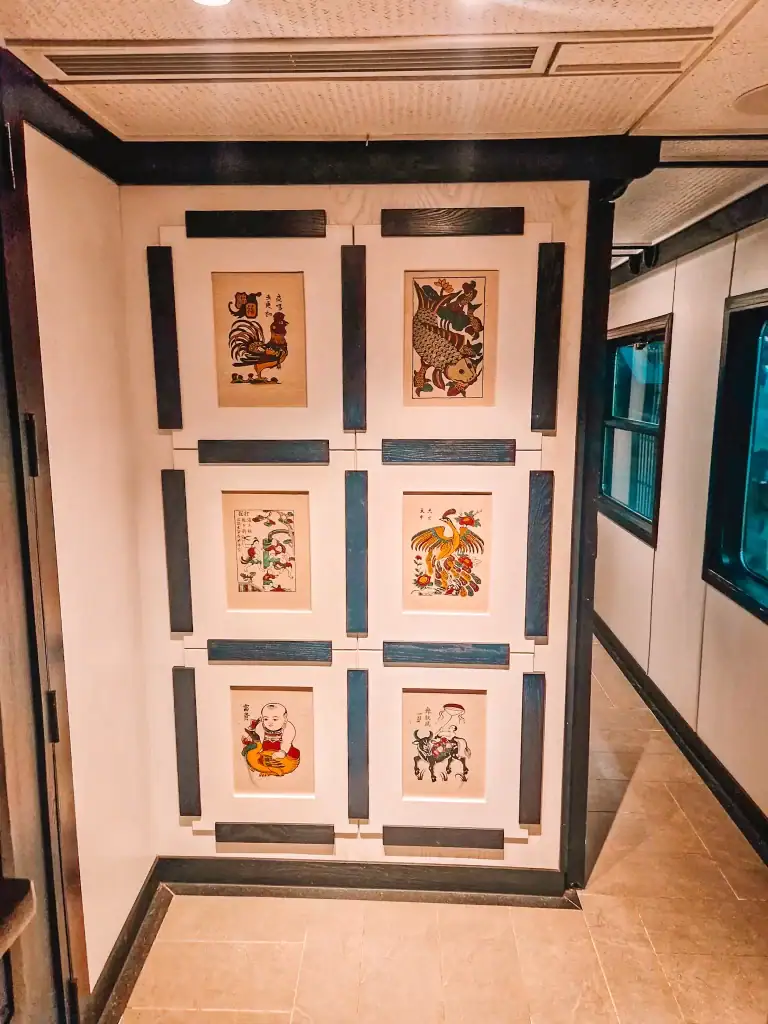
I did get to have a cabin to myself on the Lotus Express. Read my full guide to my experience on Vietnam’s trains to find out how!
4. Bring Your Own Toilet Paper and Hand Sanitizer
My Vietnam train travel advice, even for the higher-end Private Carriages, is to bring toilet paper. Both the trains I took – the Lotus Express from Da Nang north to Ninh Binh, and the Chapa Express from Hanoi to Sapa – ran out of toilet paper very quickly. As you’re on the train for a while, having your own is essential for comfort and hygiene.
While both Private Carriages had beautiful, spacious sinks with hand soap, I also always recommend having hand sanitizer on you in Southeast Asia, just in case.
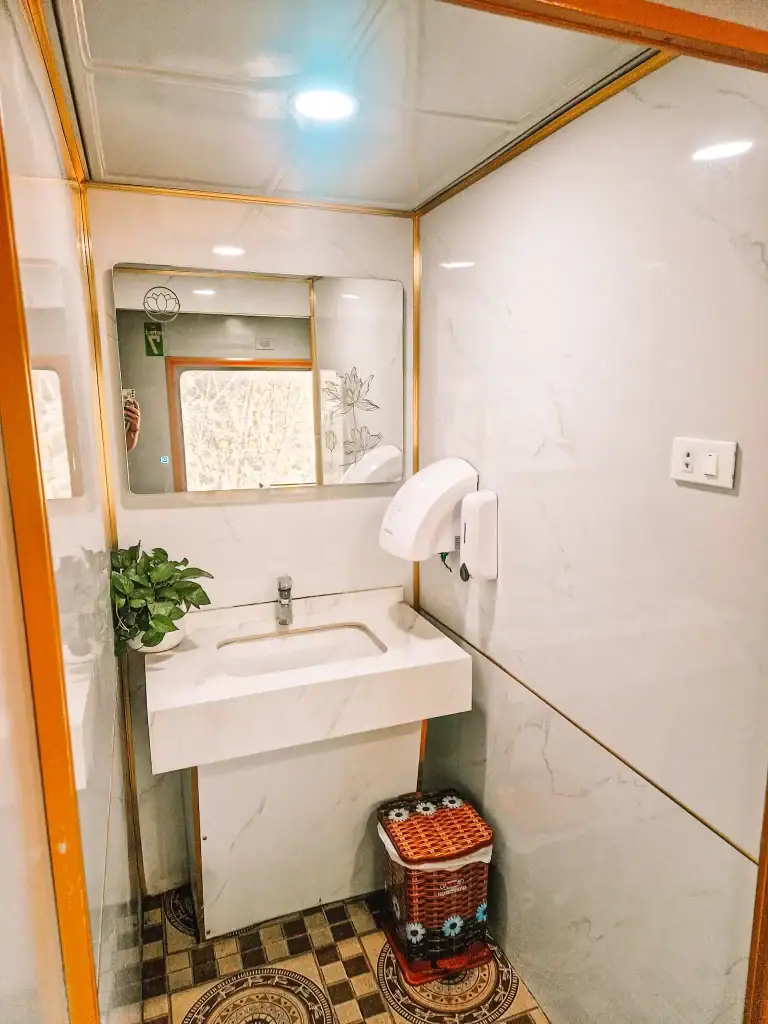
The sink areas in Private Carriages are spacious, and set up for you to brush your teeth and wash your face (although you’ll need your own towel or something to dry your face with). However, they can get a little busy on trains from Hanoi to Sapa, because the 10pm departure and early arrival mean that everyone is getting ready for bed at the same time. Take this into account when planning what time to set your alarm for in the morning!
5. Earplugs Are Non-Negotiable
One of the most important things you can bring on any Vietnam railway adventure is a good pair of earplugs. While the insides of the carriages are luxurious, the exteriors are definitely not! Vietnam’s railway system is in need of a modern upgrade, and trains move at the speed of a snail at times. They clank, they bump and they rattle, all while you’re trying to get some shut-eye.
Some private companies offer complimentary earplugs as part of an onboard welcome kit. However, the ones provided on the Chapa Express weren’t good – they didn’t work for me or anyone else in my cabin. I recommend Loop Earplugs, which I’ve used all across Asia for all kinds of noisy scenarios, from Vietnam’s sleeper trains to early morning Calls to Prayer in George Town in Malaysia. They’re among the best for cutting out train noise.
I also recommend bringing an eye mask. While it does get dark quite early in Vietnam (around 6pm or 7pm), the cabins and each individual bunk come with lights. Your bedtime might not tally with the rest of the cabin, and an eye mask is a great way to make sure you get to sleep when you want. I’ve used the Musiccozy headphone eye masks for years because I listen to podcasts as I’m falling asleep, and highly recommend them.
6. The Bottom Bunk Is Gold
As with hostels in general, the bottom bunk is the holy grail of travel on Vietnam’s sleeper trains. It’s easier to access and better for seeing out of the windows – particularly important if you’re doing the route between Hanoi and Da Nang ,where a lot of the journey is in the morning light. In contrast, the upper bunks are a pain to climb into, particularly if you need the bathroom in the night, or if you have mobility issues. However, the upper bunks do come with one advantage – there is storage above the door, which is a much more secure space for your valuables if you don’t have a padlock.
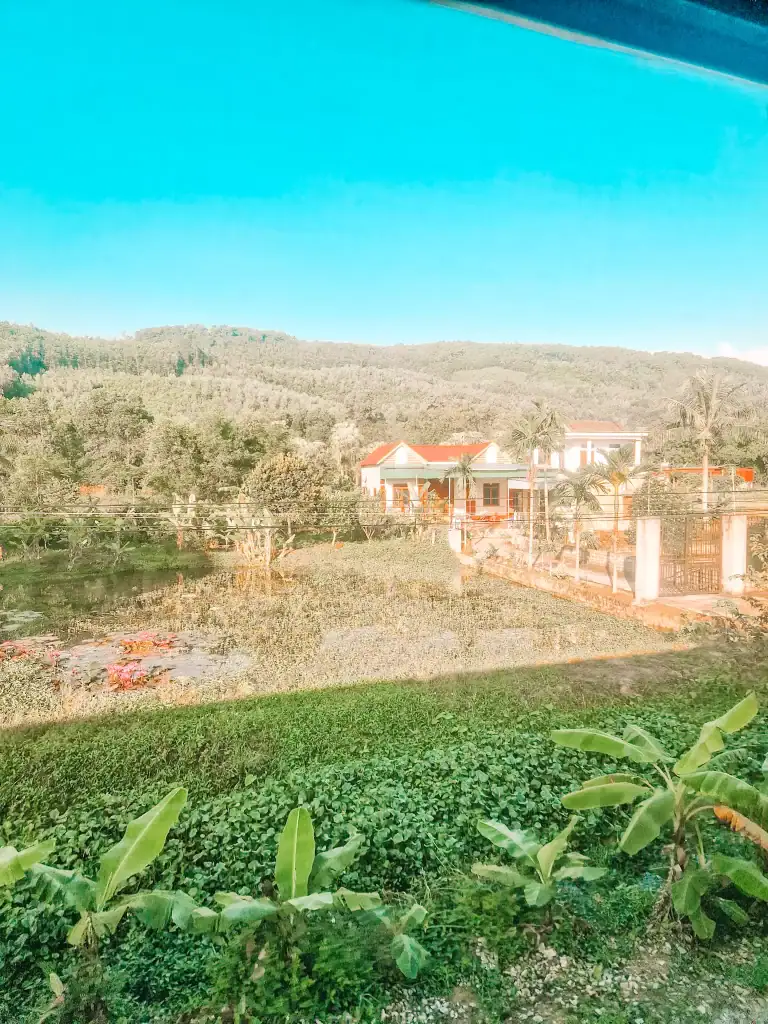
If you’re keen to get the bottom bunk, the best way is to book early. I did for both of my trips and was allocated a bottom bunk. Some websites may also allow you to choose a bunk, or you can try putting a request into a notes section when you book.
7. Snacks and Water Aren’t Guaranteed
Both the Lotus Train and Chapa Express provided snack bags – a really substantial one on the Lotus Train, given the length of the journey, and a smaller one on the Chapa Express. The Lotus Train also offered free beer and the option to get more water from the cabin steward when needed.
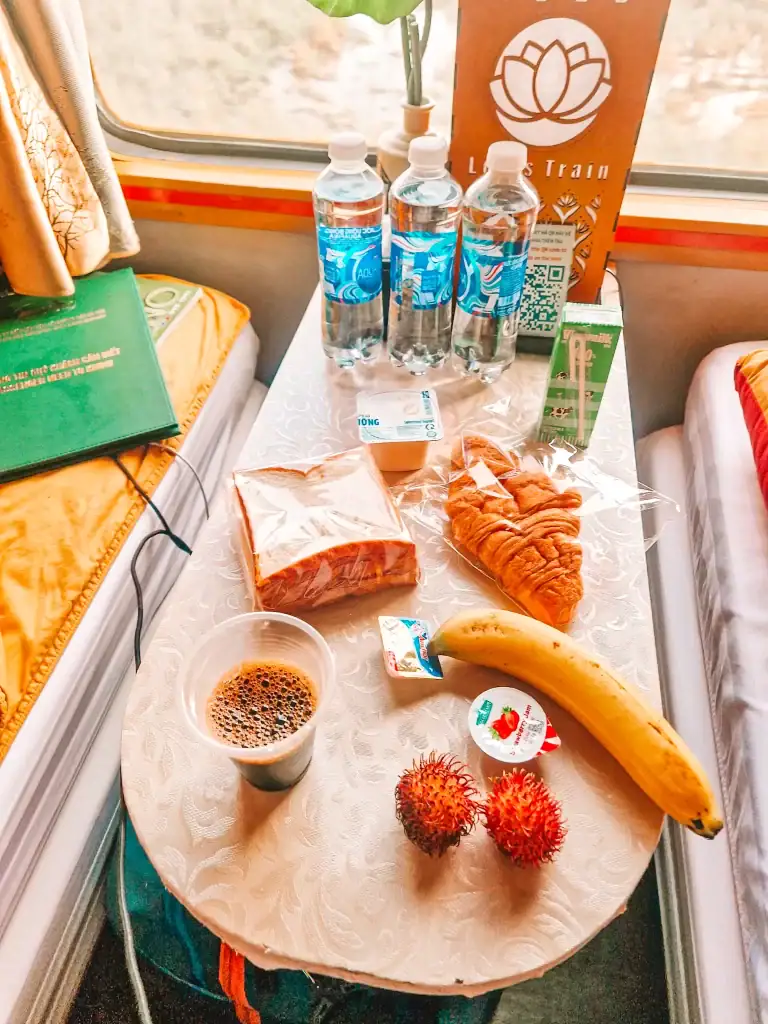
On all three routes I used, there was a trolley service, offering Vietnamese food, tea, coffee and some snack options. However, the trains are long and the trolleys didn’t pass by frequently. However, on the Chapa Express, I was able to pre-order coffee and this was extremely welcome when we woke up at 5am!
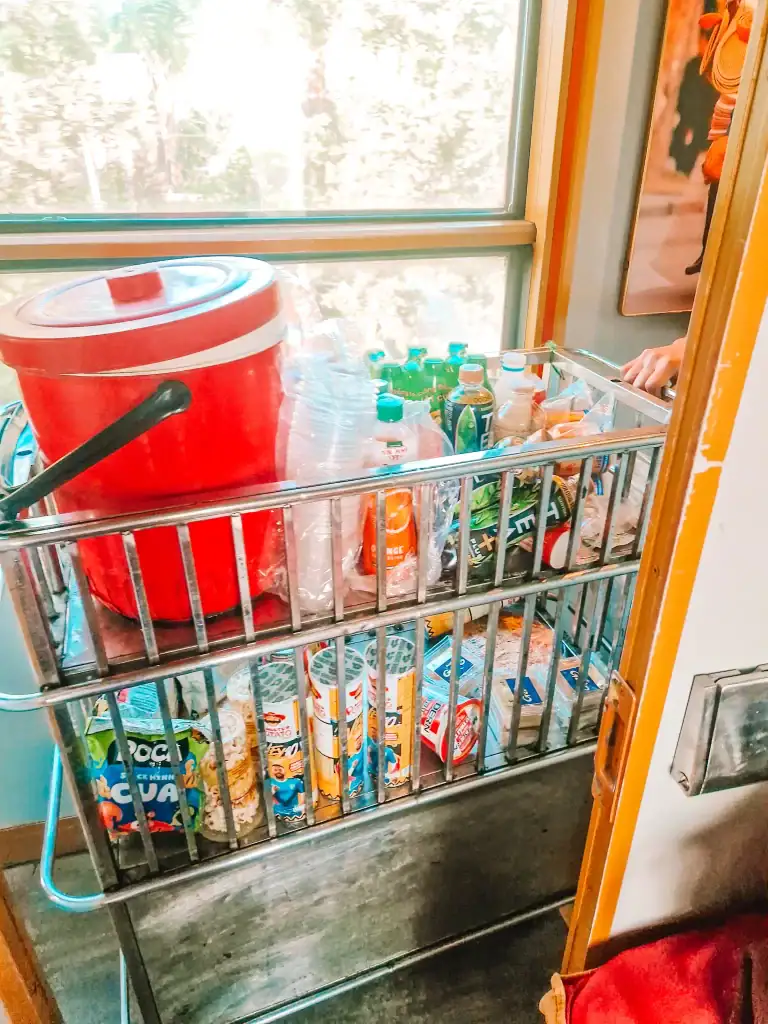
Daytime trains might also offer the option to get off the train at certain stops to get snacks – for example, when I boarded the Vietnam Railway train at Da Nang for my journey to Hue, half the train got off to buy food from the shop in the station. Sadly, while it was a long break, it’s not quite enough time to grab a delicious vegan meal from one of my favourite restaurants in Da Nang.
I recommend bringing your own water and snacks just in case, particularly for longer journeys. This ensures that you have enough water, and something to eat if you don’t like what’s in the snack bag. This is particularly important if you’re travelling in the Vietnam Railway carriages, where no snack bag was provided.
8. Luggage Storage Is Tight
If you choose a 4 berth cabin and it’s full, be prepared for a tight fit, regardless of how luxurious your train is. The cabins are all built on the same scale, and there is very limited luggage space.
Big backpacks go under the bed, although I struggled to get mine under as it was square and fat, rather than long, rectangular and thin. I don’t recommend taking a big suitcase on Vietnam’s sleeper trains, as there just isn’t space.
From my Vietnam sleeper train experience, when packing I would make sure anything you’ll need on the journey is easily accessible – there isn’t enough space to open up your big bag and root around inside.
Finally, I recommend investing in a good padlock for your journey – not just for the trip on Vietnam’s railways, but other transport options as well. Padlocking your bags – particularly a smaller bag with your passport and money – will help you fall sleep with much less anxiety! I’ve used these padlocks for the last 10 months and they are still going strong.
9. The Arrival Times Are Brutal
While there are a few good arrival times (see the Da Nang-Hanoi train that departs at 6pm and arrives in Hanoi at around 11.30am), the majority are not nearly as sleep-friendly. The trains between Hanoi and Sapa arrive at Lao Cai, the nearest station to Sapa, at around 6pm. You’ll then need a short transfer and will arrive at your hotel any time from 7am.
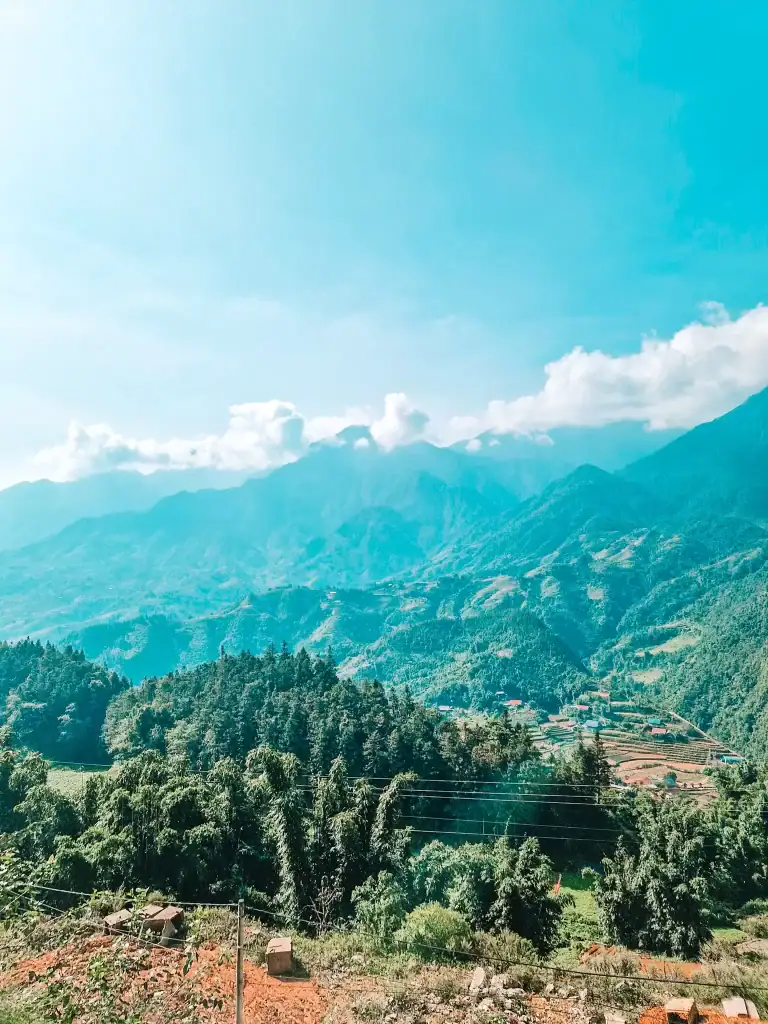
The chances of your hotel room being ready at this time are slim – my lovely homestay in Sapa wasn’t ready until midday. This means that if you didn’t get a good night’s sleep, you’re wandering around, bleary-eyed and grumpy, for part of a day. Take this into account when planning your itinerary, as the short nature of the Hanoi-Sapa route (only 6 hours) means that you’re unlikely to get enough sleep.
10. It’s Still Worth It (If You’re Prepared)
I loved my experience of taking Vietnam’s sleeper trains – particularly the longer journey between Da Nang and Ninh Binh. The novelty of a sleeper train combined with the gorgeous scenery in northern Vietnam to make this an adventure I won’t forget for a long time. While the Sapa journey was more difficult due to lack of sleep, the beautiful carriage was an incredible experience.
There’s also other benefits compared to flying. You’re keeping your carbon footprint down, and you’re experiencing what was, for a long time, the only way to do long-distance travel in Vietnam. The route between Ho Chi Minh City and Hanoi, known as the Reunification Express, reopened after the Vietnam War as a symbol of unity between the north and south. It’s an intrinsic part of Vietnam’s history, and a fascinating way to experience a gorgeous country.
However, if you’re not keen, there are now many alternative options for travel in Vietnam. Vietnam has one of the most extensive bus networks I’ve ever come across, many of which offer full length private seats akin to really good Business Class on a flight. You can also fly between most major cities – Vietnam has airports not just in major cities like Hanoi, Ho Chi Minh City and Da Nang, but in other tourist destinations like the Imperial City of Hue or Can Tho in the Mekong Delta. Finally, you may be able to do Easyrider Motorbike trips between some cities, like my amazing road trip between Hue and Da Nang through the Hai Van Pass.
If you’re planning a wider Southeast Asia itinerary, find out how to plan your once in a lifetime trip here.
📌 Vietnam Sleeper Train Packing List
If you’re prepared, my view is that travelling on Vietnam’s sleeper trains is one of the most rewarding things to do on your Vietnam adventure. Just make sure to bring:
✓ Toilet paper
✓ Earplugs
✓ Eye mask
✓ Small change if you want to buy any coffee or snacks onboard
✓ Passport and train ticket (printed or digital)
✓ Snacks and Extra Water
✓ Light Jacket or Blanket (trains can be cold)
These small essentials can make the difference between a stressful journey and a smooth, memorable ride.
Frequently asked questions
What’s the difference between a soft sleeper and VIP cabin?
Soft sleeper is a term mainly used on Vietnam Railway carriages (rather than Private Carriages run by external companies) and refers to a berth in a four-berth cabin. If you book one soft sleeper berth, you are likely to have to share the room with other travellers. A hard sleeper berth is in a six-berth, or second class, carriage. While I haven’t travelled in one of these, I have seen them, and they are extremely cramped, with no space to sit upright in your bed.
VIP Cabins on Vietnam’s sleeper trains usually refer to a cabin that is specifically designed for two people, offering a much higher standard of luxury. They are also sometimes known as Premium Cabins. To secure one of these cabins, you usually have to book both berths, even if you are a solo traveller.
Are Vietnam sleeper trains safe for solo female travellers?
As a solo female traveller, I found Vietnam’s sleeper trains to be very safe. For the private trains I used, there were cabin attendants for each carriage, who slept in a small booth at the end of the carriage. This meant a staff member was always on hand. In addition, the trains were busy, meaning that there were always people around. There were many solo female travellers when I used Vietnam’s sleeper trains.
If you arrive at your berth and you feel truly uncomfortable (for example if you’re the only woman with three men in a carriage), I would suggest talking to the Cabin Steward, who may be able to ask someone to swap with you.
The British Foreign, Commonwealth and Development Office (FCDO) notes that the main risk on Vietnam’s sleeper trains is petty theft. Make sure to bring a small padlock for your valuables.
Can I shower on Vietnam’s sleeper trains?
No, Vietnam’s sleeper trains do not have a shower available. However, they do have big sinks suitable for washing your face, shaving and brushing your teeth, as well as Western-style toilets.
If you choose to travel from Sapa to Hanoi with Chapa Express, the company has a lounge at the Lao Cai station near Sapa which has shower facilities.
How do I get a private cabin?
To get a private cabin on Vietnam’s sleeper trains you must book all the beds in the cabin. This means that even if you’re a solo traveller, you must book both berths in a 2 bed cabin.
If your train isn’t busy, there may be a chance for a cash upgrade to a private cabin on the journey, but you shouldn’t depend on this if having a private cabin is important to you.
Vietnam’s sleeper trains offer more than just a way to get from A to B — they’re a journey into the rhythm of the country itself. With the right expectations and a few essentials packed, you can trade chaos for charm, and restless nights for unforgettable stories. Whether you’re drifting off to the click-clack of the tracks or waking up to misty rice fields outside your window, it’s an experience that lingers far beyond the destination.
I hope these tips help you skip the rookie mistakes and make the most of your train adventure. Got questions or your own story to share? Leave a comment below or come chat with me on Instagram — I’d love to hear how your Vietnam rail journey went. 🚆✨
Planning a Trip to Vietnam?
If you want a detailed, culture-first Vietnam travel guide with realistic itineraries, destination deep dives, transport advice, and practical planning tools, Vietnam, Unlocked is designed to help you plan a confident, well-paced trip — without overwhelm or rushed decisions.
👉 Explore Vietnam, thoughtfully with Vietnam, Unlocked
If you’re still in the inspiration or early planning phase, you can also download my free Culture-First Traveller’s Guide to Vietnam, Laos & Cambodia — a thoughtful introduction to travelling Southeast Asia with context, care, and curiosity.
👉 Get the free culture-first guide
And if you’d prefer someone to build a personalised itinerary just for you — tailored to your time, interests, pace, and travel style — I also offer custom trip planning.
👉Request a custom Vietnam itinerary
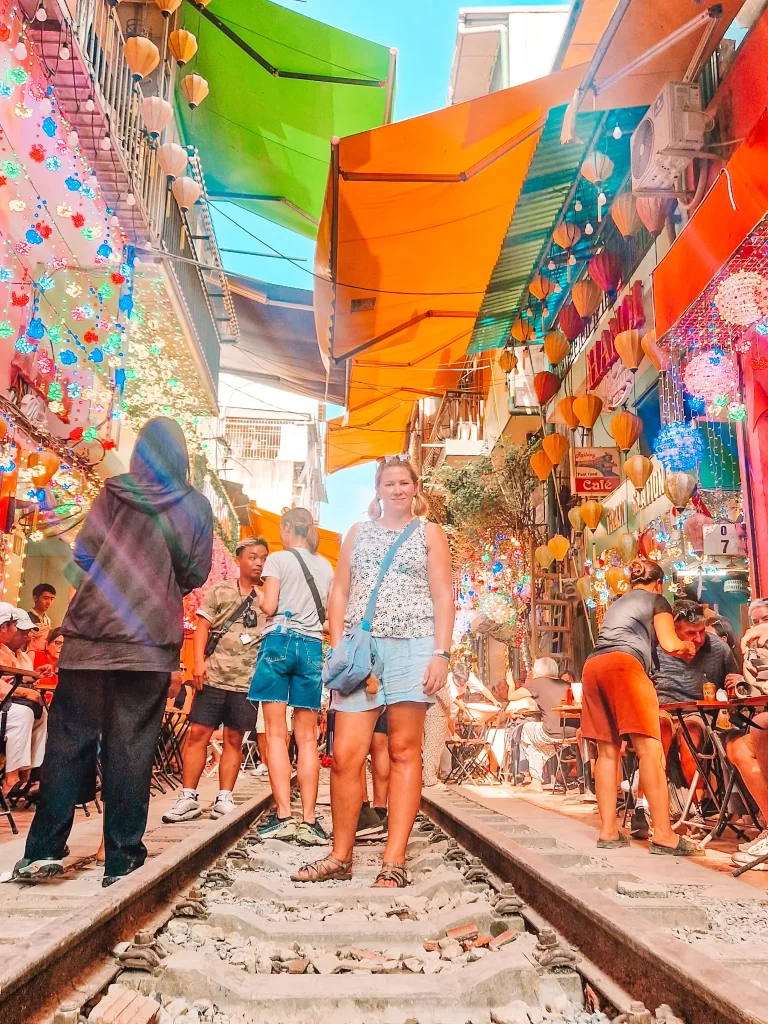
Em is the traveller behind Em’s Globetrotting Gems, where she shares honest travel advice and first-hand experiences from her global adventures. Over the past year, she’s travelled on Vietnamese trains three times, gaining a solid understanding of what to expect — especially on overnight journeys, and she’s seen the famous Train Street in Hanoi from the tracks and the train! Her blog is all about helping fellow travellers feel prepared and confident, whether it’s their first sleeper train or their next big adventure.
✅ All photos featured on this blog are from my personal travel experiences. No stock images are used.


I mostly used buses to get around Vietnam but I am planning to take the overnight train on my next trip and these vietam sleeper train tips are so useful! Thanks for sharing!
I used buses too, but if you get the train right they are just so much more comfortable – you can actually get a good night’s sleep. They just don’t go fast…!
I love train rides! There’s something so magical when you’re seeing the world passing by, from an angle that no other means of transportation would give you. Also I love the sustainability of the trip. I’ve done train rides all over, but this one wasn’t on my radar. Now I have to go! Thanks for such a detailed guide! 🙂
You should definitely add this one to your list. The great thing about Vietnam’s trains is that they’re so slow you never miss a view…!
OK wow! You’re photos relly bring this journey to life! The trains look really lovely and comfortable, but it’s good to know about storage space being limited – thanks for these great tips!
Thanks, glad it’s helpful!
Loved this! The sleeper train looks like such a cool way to see more of Vietnam. Thanks for all the great tips — definitely saving this.
Thanks! I definitely recommend the train as a way to see more of Vietnam.
That view in the morning, it’s worth getting the train for. I love trainrides, so this sounds like an excellent way to travel around Vietnam.