
 Em
EmJust so you know: This post contains affiliate links. As an Amazon Associate, I earn from qualifying purchases. I may also earn a small commission if you book a tour, hotel, or buy something else through these links. It helps me keep this blog running and full of travel tips. Thanks for your support!
Is Gjirokastër worth visiting? If you’re planning a trip to Albania and find yourself wondering whether this UNESCO-listed stone city deserves a spot on your itinerary, you’re not alone. Most travellers flock to the Albanian Riviera for its sun-soaked beaches or just focus on Albania’s capital Tirana, often overlooking the quiet magic nestled in the country’s mountainous south. But after spending six weeks exploring Albania—including a memorable July 2024 visit to Gjirokastër—I can confidently say this town is one of the country’s most underrated gems.

Yes, the beaches are beautiful, but Gjirokastër offers something deeper: a portal into Albania’s layered history and rich cultural soul. From wandering the imposing hilltop castle to descending into Cold War-era tunnels, from exploring Ottoman-era homes frozen in time to learning how locals made coffee during Cold War shortages (a tradition you won’t find in any guidebook), the experiences here are as unique as they are unforgettable.
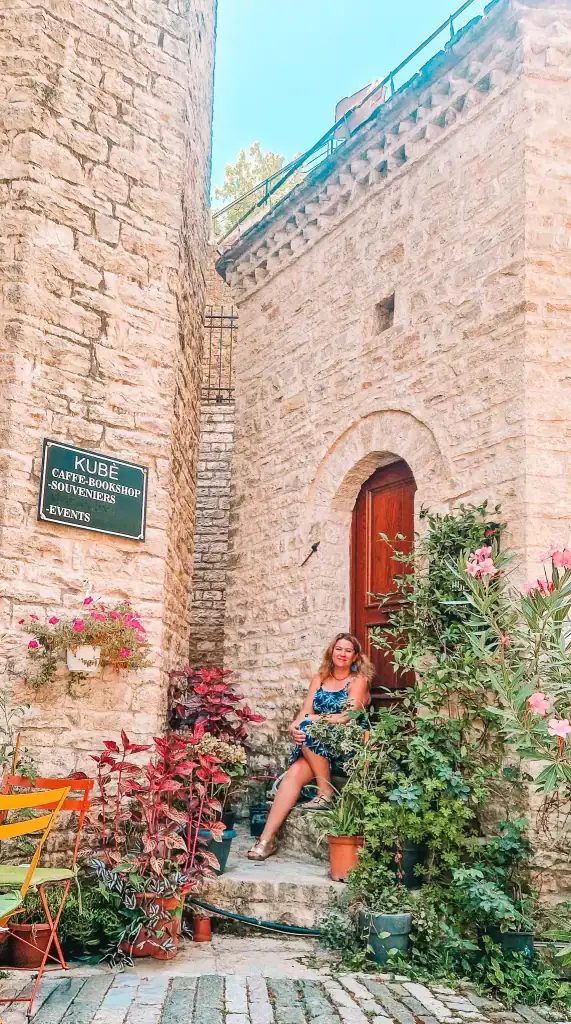
In this post, I’ll walk you through exactly what to do in Gjirokastër—whether you’re here for a day or a few slow-paced ones. This isn’t just a list of tourist stops; it’s a curated guide to the city’s historic heart and hidden corners, grounded in firsthand experience and a genuine love for what makes Gjirokastër so special.
👉 Visiting Gjirokaster is one of my top cultural highlights — discover why in my full guide to the Top 10 Cultural Experiences in Albania, North Macedonia & Kosovo.
Want to plan your Albania Trip without feeling overwhelmed?
- Want a detailed, self-guided resource for inland Albania → Albania, Unlocked
- Want a free, culture-first introduction to thoughtful travel → Download the free guide
- Want a fully personalised itinerary planned for you → **Book my custom itinerary service**
Is Gjirokastër worth visiting?
Gjirokastër is absolutely worth visiting – I fell in love with this tiny, historic town. Like many historic towns, Gjirokastër has an old town and a new town – you’ll spend your time in the ancient part of this city, which dates back to the 12th century.
The city is built into a hill, with winding cobblestone streets spreading out from the famous Old Bazaar and going up and up until you get to the imposing castle on the ridge above.
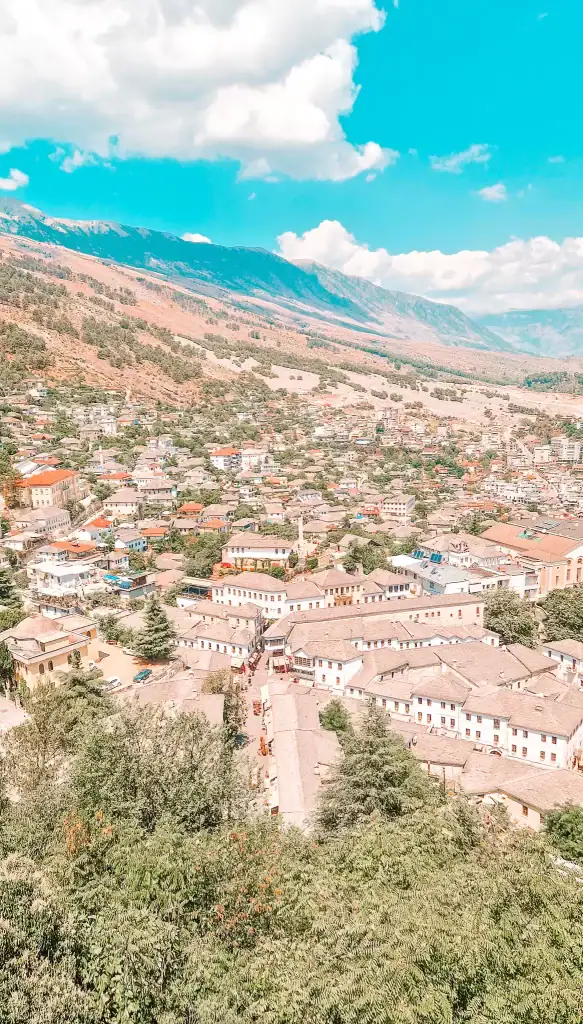
The area around the Old Bazaar is incredibly lively and full of picturesque bars, restaurants and shops – some with gorgeous homemade jewellery. The architecture is unique, and you can visit a few of the traditional old houses that once belonged to Gjirokastër’s noble families, to get a feeling for what life was like hundreds of years ago.
Once you get to the castle, the views are superb, stretching out across the Drino Valley. The castle itself is an incredible feat of architecture, along a ridge of a hill, with huge, cool internal spaces and large outdoor areas to soak up the views.

The town also has a a unique connection to Albania’s communist past – it is the birthplace of former dictator Enver Hoxha. The site of his former house is now an interesting ethnographic museum.
And if that’s not enough Cold War history, you can also visit another of Albania’s many bunkers – this one far less stage-managed than the fascinating Bunk’Art museums in Tirana, but interesting in a completely different way.
Brief History of Gjirokastër
Gjirokastër was founded in the 12th century and rose to prominence during the Ottoman era. Many of the town’s signature stone houses – known as ‘tower houses’ were built during this period by wealthy landowners, partly to replicate Turkish architectural influences.

The town is incredibly strategic, with the castle perched high on a hill overlooking the Drino Valley, making it a key military stronghold during many of the small wars fought in this part of Albania.
In the 20th century, the town rose to further prominence as the birthplace of both Enver Hoxha, the former dictator of Albania who ruled for much of the late 20th century, and Ismail Kadare, Albanian’s most famous novelist – find out which Kadare book is set in Gjirokaster in my guide to the best books about Albania.
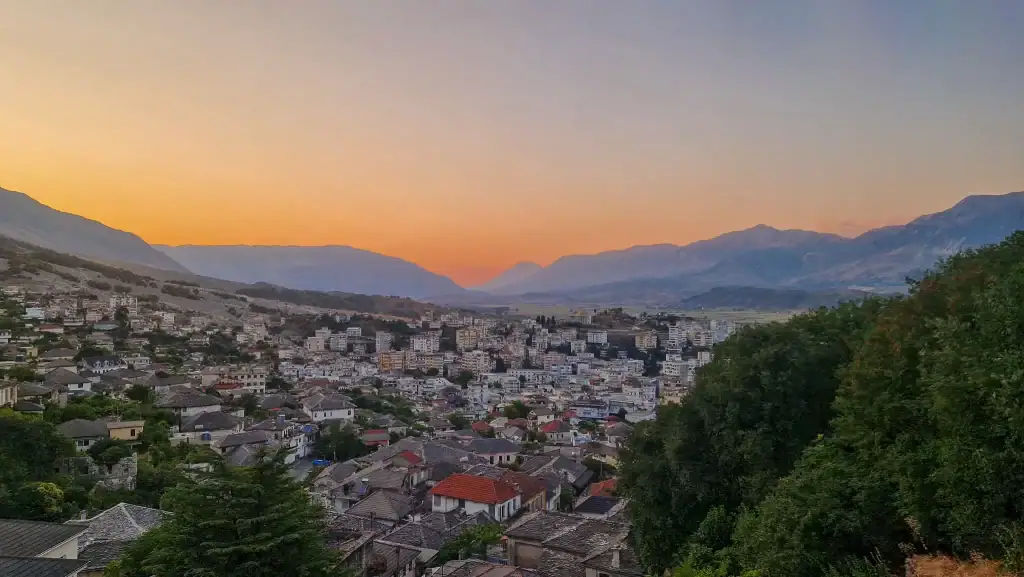
What to do in Gjirokastër- exploring the history of this UNESCO city
Explore Gjirokastër using this interactive map!
*A note on currency: As with much of Albanian, some prices in Gjirokastër are in Euro and some in Albanian Lek. I have used the currency preferred by the attraction. At the time of writing, the Euro was worth c.100 LEK, so the currencies were widely interchangeable. This may change over time.
Take in vaults and views at Gjirokastër Castle
Cost: 400 LEK
Like in nearby Berat, the most important thing to do in Gjirokastër is visit the castle – despite the steep walk to get there. Visible from the old town at all times, the castle looms above the town both physically and in terms of the city’s history. Make the effort to walk up to castle and you’ll be well rewarded!

When visiting the castle, you can explore both the inside and outside. Inside is a selection of cannons and other arms, including a weirdly cute little Italian Fiat tank, and a downed American plane with a mysterious backstory. It also gives you a chance to escape from Albania’s fierce summer heat! The size of the castle is spectacular – you’ll wander through imposing vaults, really highlighting the scope of the building.


Outside is all about the views. There are a number of areas to walk along the walls – head down towards the Festival Stage and Clock Tower for spectacular views across the valley. In this direction, you’ll also get the chance to explore the terrifying cave prison, a huge, pitch black space that evokes absolute terror.
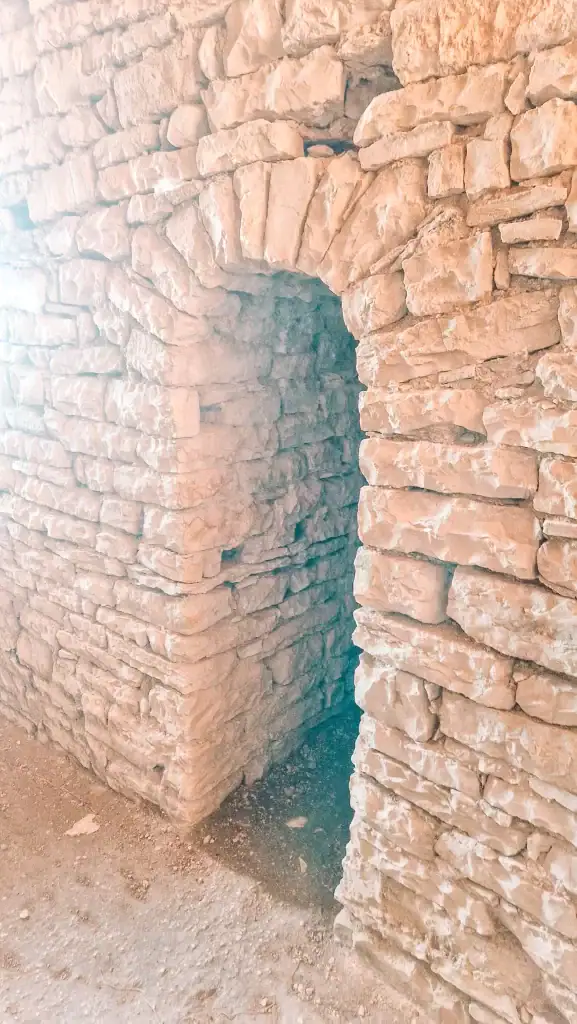
If you head the away from the vaults when coming into the castle (to the right as you come in), you’ll also find access to an even higher area that’s more or less the roof of the castle. The views up here are even better!
Learn about the city’s long history at the Gjirokastër Museum
Cost: 200 LEK
Inside the castle, you’ll find the excellent Gjirokastër Museum. This well-designed museum walks you through the long history of the city, from ancient times until the communist and post-communist eras. I’ve rarely been in a museum that is so well balanced – I learned a lot, but never felt overwhelmed with information.
The sections on the town’s association with Enver Hoxha are excellent, and also a vivid insight into the way current Albanian’s feel about him – his face has been scratched out of photos.

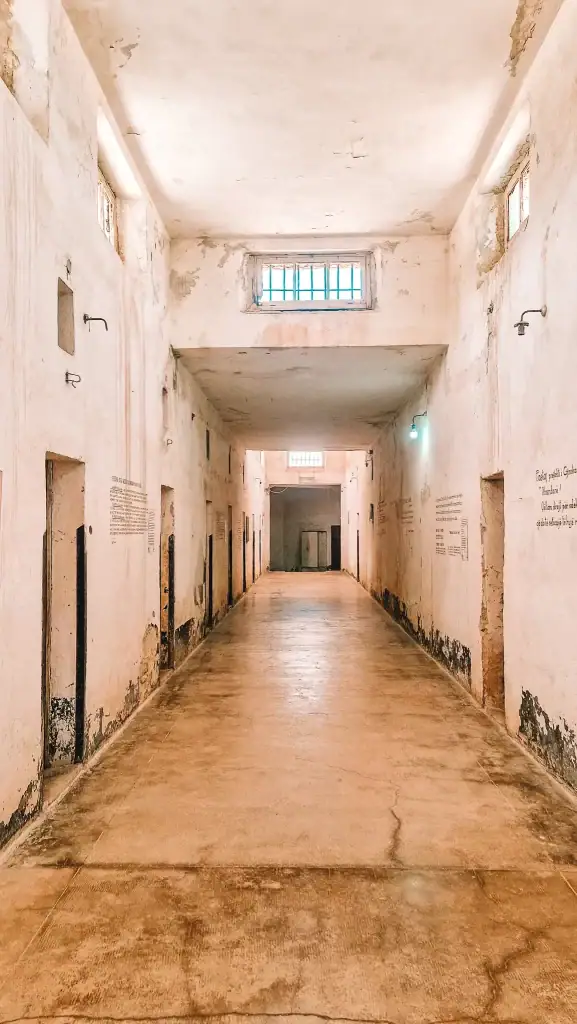
Upstairs, I was told I could visit the Weapons Museum – not usually my favourite thing. But what’s also upstairs is the infamous prison built in the castle by Albania’s King Zog between the wars, and later used by both Fascists and Communists for political prisoners. While the weapons section isn’t particularly interesting, it’s important to head upstairs to see the prison, which feels very much like living history – and has echoes of the Site of Witness and Memory in Shkoder in the north.
💡 Looking for other museums in the Balkans? Check out my guide to the best museums in Skopje, the capital of North Macedonia.
Explore the Old Bazaar
Cost: Free
Gjirokastër’s most iconic area is the Old Bazaar part of the old town. Dating back to the 17th century, it was a prominent marketplace during the Ottoman Era and has beautiful Ottoman architecture.
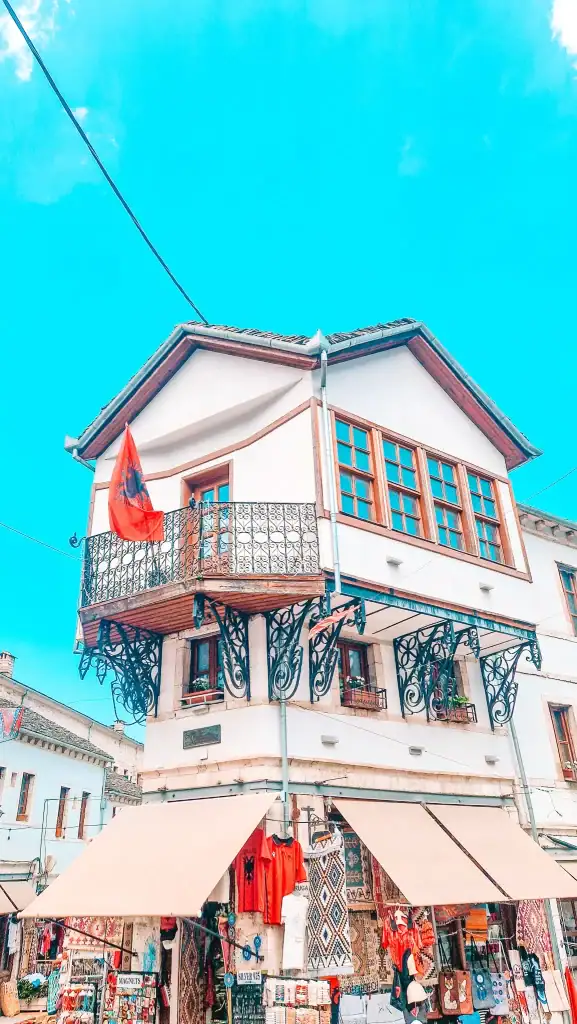
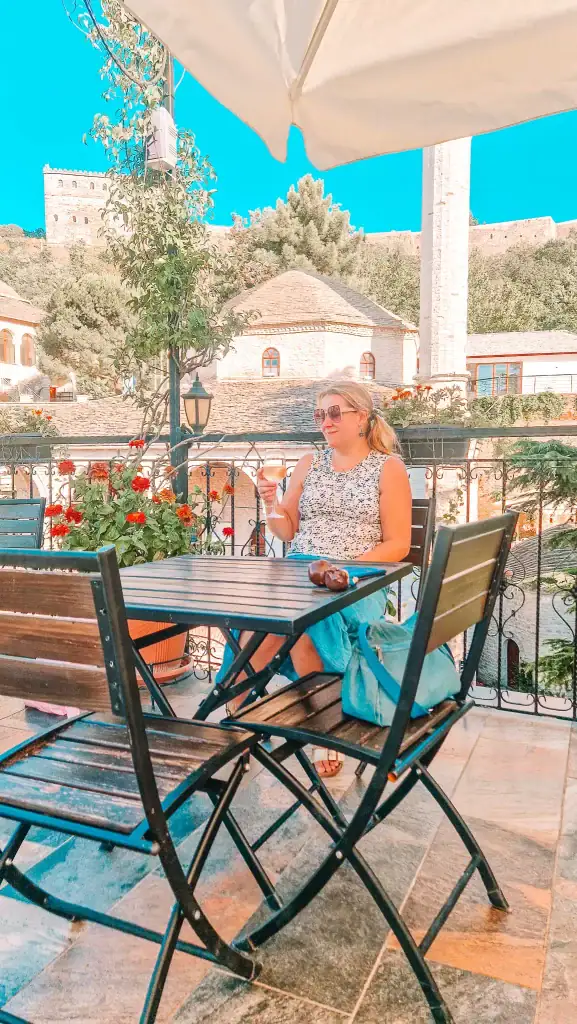
Today, it’s a thriving tourist hub, full of gorgeous shops, cafes and bars – like Kotor in Montenegro, it’s an area that rewards wandering. This is the beating heart of Gjirokastër, and it’s easy to while away the hours exploring, sipping coffee or trying a glass of Albanian wine – like the many cafes in Tirana, Gjirokaster takes coffee seriously.
💡 Fascinated by Gjirokaster’s Old Bazaar? Check out similar sites in Skopje and Krusevo (coming soon) in North Macedonia.
See how Gjirokastër’s noble families lived at the Skenduli House
Cost: 200 LEK
The Skenduli House is one of a few historic homes in Gjirokastër that have been opened to the public, and it’s the most central and easily accessible. The house itself is an incredible example of traditional Gjirokastër building, with looming gables and a multitude of windows – reminiscent of similar buildings in beautiful Lake Ohrid in North Macedonia.
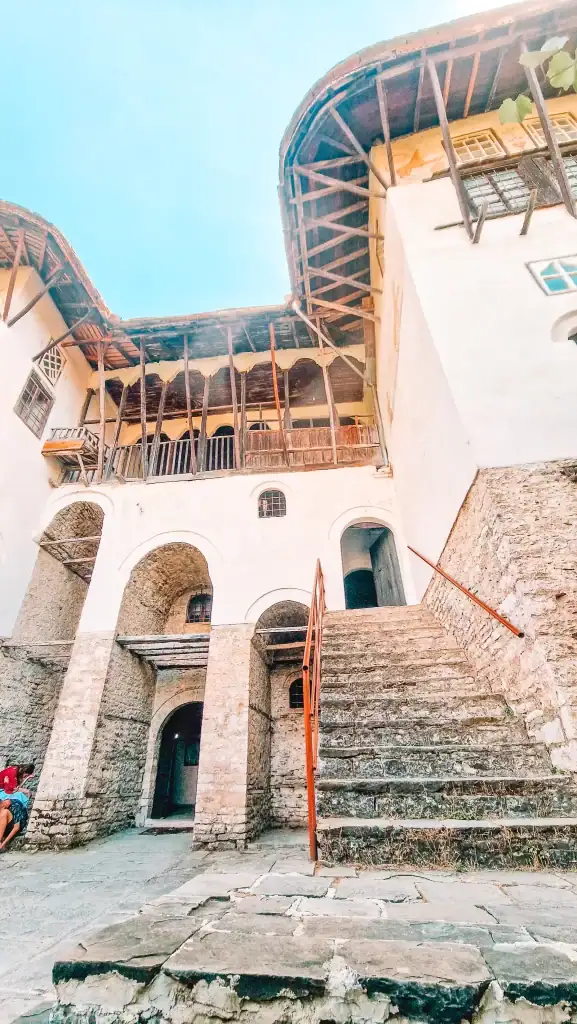
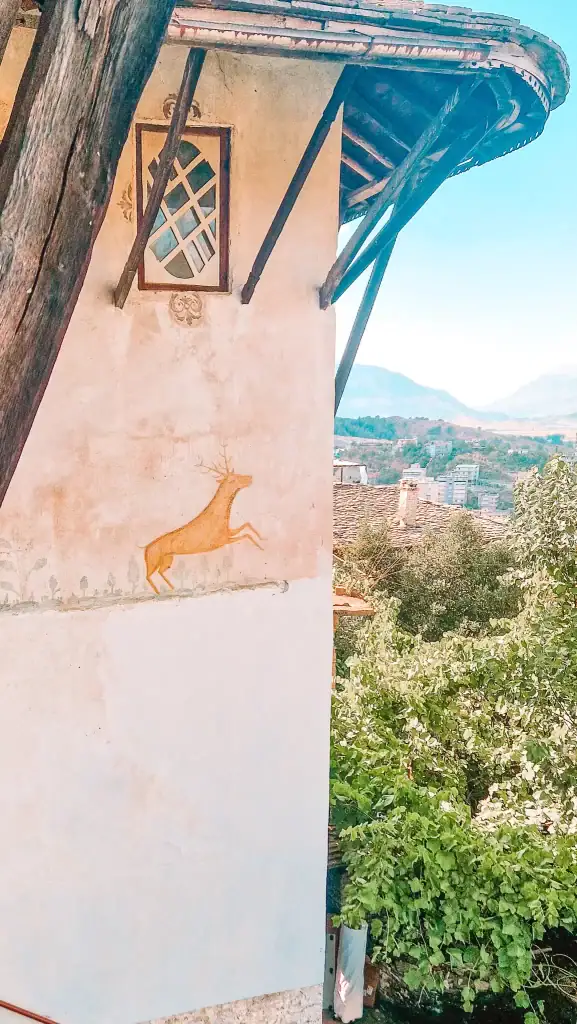
Look out for the remains of a mural on the side wall, showing that the outside of the house would once have been vibrantly decorated. Inside, you’ll find recreated rooms to show what life would have been like during the past.
The highlight is the Wedding Room (no photos allowed, sadly), which the family would only have used during the most important events like weddings, funerals and engagements. It’s lushly decorated, with a painted fireplace, carved ceilings and a screened area for unmarried women to catch a glimpse of their prospective husbands.

The house is also interesting for it’s modern history. It was confiscated from the Skenduli family under communism, and returned to them in the 1990s. While the family still exists, they’ve chosen to use their house as a museum, rather than living in it themselves.
Marvel at modern family history at the Collector’s Cottage
Cost: €1 (insist on paying the family for their time and effort)
Up behind the castle is the incredibly wholesome ‘Collector’s Cottage’. Run by an ordinary local family (not one of Gjirokastër’s noble families), their small home hosts their collection of memorabilia, which they’ve opened to the public.

There is a lot of military memorabilia, including guns and bullets from both world wars, but most interesting to me was the more family-oriented collection.
They explained to me that much of the collection is their family heirlooms from before communism, which had to be hidden in the attic and kept secret until after 1991 – the family lived in fear that neighbours would find out and report them.
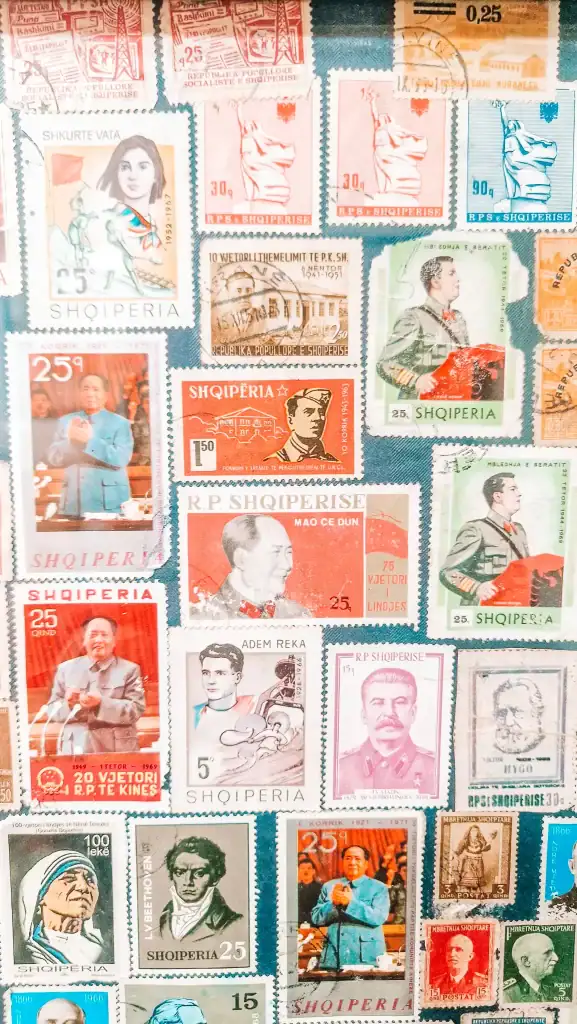
They also have a fascinating stamp collection (words I never thought I’d say) that show Albania’s 20th-century history, with stamps featuring Mao and Stalin highlighting Albania’s allegiances during that time.
While this is only a short visit, it was by far the sweetest, most wholesome experience I had in Gjirokastër – I highly recommend visiting this family’s collection. You might even get to meet their pet tortoises!

Explore the eerie Cold War Tunnel
Cost: 200 LEK
Practicalities: You can only visit by a guided tour, which starts on the hour every hour.
Escape the heat by visiting the Cold War Tunnel, a 1960s bunker which winds back into the hillside and eventually underneath the castle. This bunker is very different to the two in Tirana, which have been turned into incredibly informative museums.

The Cold War Tunnel has been left almost untouched, giving it an eerie, abandoned quality that brings something entirely different, even if you’ve visited the ones in Tirana. Our guide told us how locals ransacked the bunker after the fall of Communism in 1991, and you can definitely sense those vibes once you’re inside.

I’ve seen different estimates of how many bunkers Enver Hoxha built during the late 20th century when he became paranoid, but the number is definitely in the high tens of thousands, with some estimates as high as 750,000.
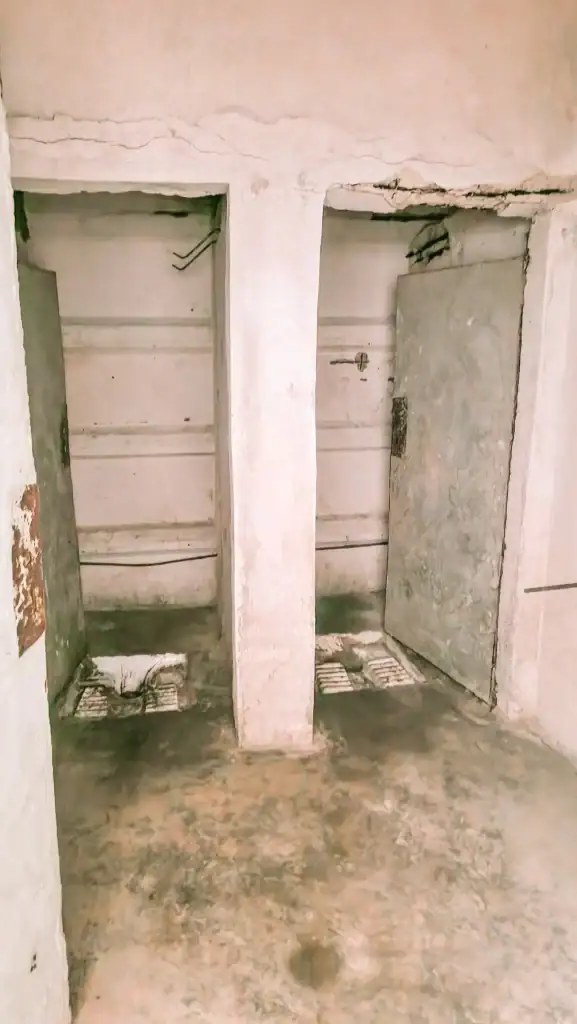
The Cold War Tunnel in Gjirokastër is one of the older ones, built in the early 1960s as a potential hideout for the whole government in the event of nuclear war. In this sense, it’s similar to Bunk’Art 1 in fascinating Tirana, but the earlier construction means that it’s more simple and far less thought-through – there were only 2 toilets for the expected 200 inhabitants, which surely would have led to mutiny sooner rather than later!
Take in the views at the Obelisk of Education
Cost: Free
Take a few moments to visit Gjirokastër’s famous Obelisk in the centre of the town. This monument was built in the early 2000s and is dedicated to education and the use of the Albanian language. It is on the site of Gjirokastër’s first Albanian school, which opened in 1908 and still stands next to it. It symbolises the struggle for the use of the Albanian language under Ottoman rule – something I saw echoed for Macedonian in the Museum of Macedonian Struggle in Skopje.

It’s not easy to find the Obelisk – it’s now in the courtyard of a hotel/cafe. If you visit during their opening hours, it would be a lovely spot for a coffee (the area was in full sun when I visited at around 5pm in 30c heat, so I didn’t take that option!).
Learn about traditional Albanian Stone coffee
Cost: €7.5
Practicalities: Book via Experience Gjirokastër, next to the Cold War Tunnel. Timings depend on group size and availability, but run in the evenings.
Spend an hour in the evening learning how to make traditional ‘Stone Coffee’, and the role it plays in Albania’s history – this was my favourite experience in Gjirokastër!

Led by Lubjana, the experience is part of a wider movement in Gjirokastër to support primarily women artisans who can’t afford rent in the Old Bazaar. GjiroArt also aims to make sure that traditional crafts and skills aren’t lost as Albania moves into the future.
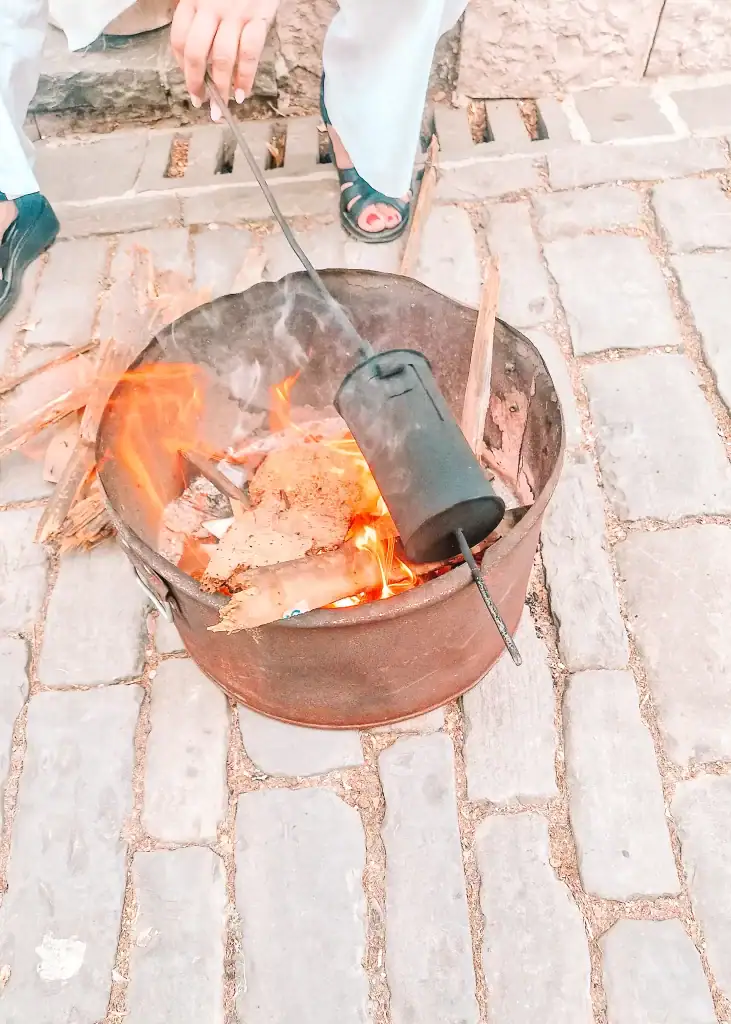
Once you’ve been given some homemade raki, you’ll learn how coffee – a staple of Albanian life – was severely rationed under communism. Only unroasted beans were available, and families (or rather, women) were forced to go through an extremely labour intensive process to roast and grind their beans.

You’ll learn from Lubjana how to use a traditional roaster, and you’ll get to smell the delicious aroma of freshly roasted coffee. After, you’ll get a chance to pound the beans yourself in the heavy stone grinder, with a metal baton Lubjana told me was 3kg but I think was a lot heavier!
It gives you a real insight into how difficult everyday life was for ordinary families during the late 20th century – the labour-saving devices that changed life in the west so much just didn’t reach Albania, and so much time and effort had to be spent on just the basics of living.
Wander down the Tunnel of Nostalgia
Cost: 100 LEK
Take a short detour on your way to the castle to visit the Tunnel of Nostalgia, built into the hillside under the castle. It’s presumably part of another bunker or bomb shelter, but has been converted into a tunnel full of Albanian memorabilia. It stretches back into the hillside, with artefacts including military relics and household items.

Honourable mentions: Things I didn’t get to do
As with any trip, there are a few things I saw recommended but didn’t get the time to do myself. I’ve listed them here so you have all the options!
Visit the Blue Eye
This lake is one of the most famous spots in southern Albania, on the way to Saranda. It’s a stunning spring-fed lake with a small area for swimming. To get there, take the bus to Saranda and ask to be let off at the Blue Eye. You should be able to flag down a bus on the way back.
There are also a number of day trips that take you to the Blue Eye, Saranda and the incredible Butrint Archaeological Site, which I visited a couple of years ago on a day trip from Corfu.
I was absolutely blown away by how much preserved history had been unearthed at Butrint, including an amphitheatre! If you’re keen to see all three, you’ll either need to be very organised about driving yourself to fit everything into one day, or you can find a group tour in Gjirokastër (I can’t find any available to book online, but they’re available in the city).

Ali Pasha Bridge
Towards the back of Gjirokastër, past the castle and the Collector’s Cottage, is the Ali Pasha Bridge. This famous bridge is part of a larger aqueduct, built by the most famous Pasha of Albania, to bring water to Gjirokastër Castle.
It’s a short hike from Gjirokastër – I’ve read between 30-45 minutes – and it was far to hot to walk that far when I visited in July 2025. However, if you visit at a more temperate time, or you’re a keen hiker, this is definitely one of the best things to do in Gjirokastër.
Ismail Kadare House and Zekate House
Like the Skenduli House, these are two houses which showcase the history and architecture of Gjirokastër’s most famous families. The Zekate House is built into the hills, above the centre of town, but does also offer a cafe to refresh you after the walk. It’s a typical Gjirokastër tower house, with well preserved ornate family living spaces.
The Ismail Kadare house reflects Kadare’s status as both Albania’s most famous novelist (he won the inaugural International Booker Prize in 2005 for his entire body of work), and scion of one of Gjirokastër’s most famous families. I read his ‘The Fall of the Stone City’ while in Gjirokastër, which features one of his ancestors as a passing character – showing their lasting influence on the city. The house itself was built in 1799 and was where Kadare spent his childhood.
I wanted to visit both of these but simply ran out of time – there is so much to see in Gjirokastër!
Where to stay in Gjirokastër
While you want to stay in the Old Town area of Gjirokaster, I recommend staying away from the centre of the Old Bazaar, which is very noisy at night. Consider a hotel around the Skenduli House, less than 5 minutes walk from the very centre of the Bazaar, but far enough away to avoid the noise and crowds.
💡 Looking for where to eat in Gjirokaster? Check out my guide to the best cafes and restaurants!
Frequently Asked Questions
When is the best time to visit Gjirokastër?
The best time to visit Gjirokastër is in late spring (May–June) or early autumn (September), when temperatures are pleasant and the crowds are smaller. July and August can be extremely hot, especially when walking uphill through the stone streets. It was around 32c when I visited in early July 2025.
Winter is quieter, but some attractions may have limited hours. Also note that the cobbles will become extremely slippery in rainier weather in winter.
How many days should you spend in Gjirokastër?
Two full days are enough to explore Gjirokastër, visiting most of the locations on this list. If you are only able to visit for one full day, you can visit the castle and will need to pick which other attractions to prioritise.
If you want to visit the Blue Eye, this will take at least a half day, so factor this into your plans.
You can visit Gjirokaster on a day trip from Tirana – find out more in my guide to Tirana day trips – but I still recommend trying to spend a couple of nights in this beautiful town if possible.
How do you get to Gjirokastër?
Gjirokastër is around 3-4 hours south of Albania’s capital, Tirana. There is a bus from the North and South Bus Terminal on the edge of Tirana that takes you to Gjirokastër bus station. From there, you’ll need to take taxi (or a long walk) into Gjirokastër Old Town where most hotels are located.
👉 Find out how to navigate Albania’s slightly chaotic bus network in my dedicated guide.
Can you drive to Gjirokastër?

Yes, you can drive to Gjirokastër. However, you should note that roads in the town are extremely steep and narrow. Google Maps can’t tell if a road is wide enough for a car to drive through and you might struggle to reach your hotel. Consider reaching out to your hotel in advance for driving directions. Parking is limited, so check if your hotel has parking. You will most likely need to walk around most of the Old Town.
What is Gjirokastër famous for?

Gjirokastër is best known for its UNESCO-listed Old Town, distinctive stone architecture, and its impressive hilltop castle. It’s also the birthplace of Enver Hoxha, Albania’s former dictator, and Ismail Kadare, the country’s most famous novelist. The city is often called the “City of Stone” because of its traditional Ottoman-style stone houses and cobbled streets.
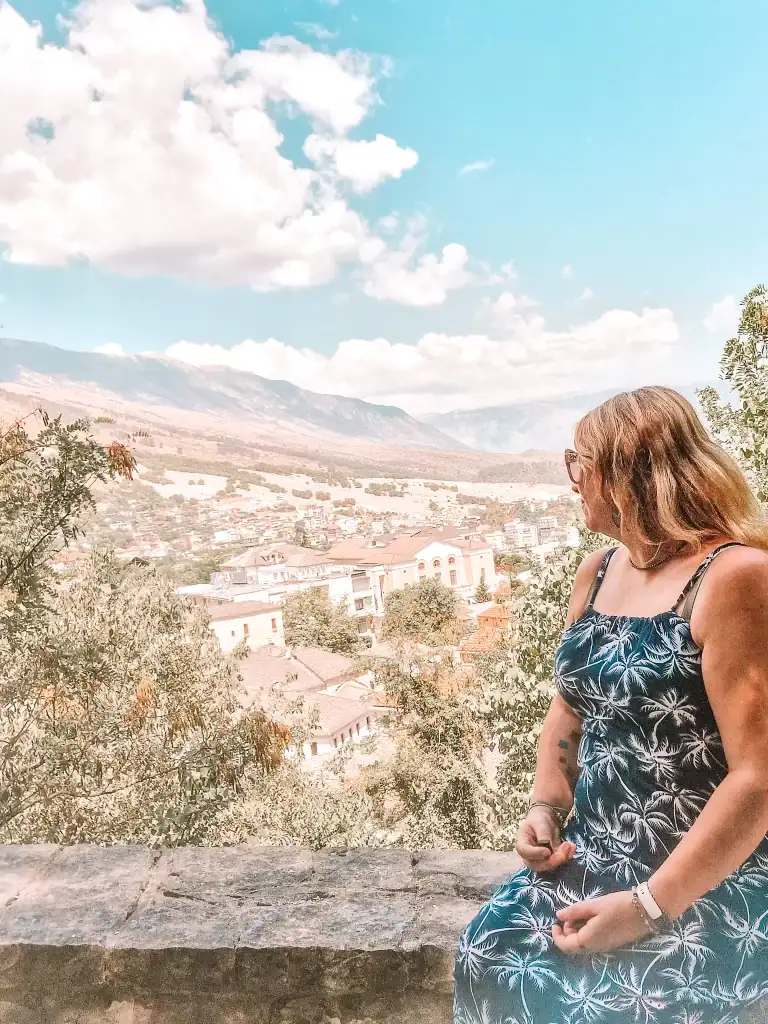
Gjirokastër may not have the instant pull of Albania’s beaches, but for those willing to venture inland, it offers a richer, more textured experience. From its fortress views to its quiet cultural rituals, this city rewards curiosity with authenticity. If you’re after more than just a pretty destination—if you want to feel a place—Gjirokastër is absolutely worth your time.
Planning a Trip to Albania?
If you want a culture-first travel guide to inland Albania — with realistic itineraries, destination deep dives, practical bus travel guidance, and advice on extending your trip into neighbouring countries — Albania, Unlocked is designed to help you plan a confident, well-paced journey beyond the beaches.
👉 Explore inland Albania thoughtfully with Albania, Unlocked
If you’re still in the early inspiration or research phase, you can also download my free Culture-First Traveller’s Guide to the Balkans, covering Albania, North Macedonia, Kosovo & Bulgaria — focused on travelling with context, curiosity, and care.
👉 Get the free culture-first guide
And if you’d prefer someone to build a personalised itinerary for you — tailored to your time, interests, pace, and travel style — I also offer custom trip planning, including Albania and wider Balkan routes.
👉 Request a custom Albania itinerary
Em is the founder of Em’s Globetrotting Gems. Em spent six weeks exploring Albania in 2024, including an in-depth visit to Gjirokastër. With a passion for uncovering overlooked destinations and sharing practical, experience-based advice, Em helps travelers connect more deeply with the places they visit—beyond the typical tourist trail.


