
 Em
EmJust so you know: This post contains affiliate links. As an Amazon Associate, I earn from qualifying purchases. I may also earn a small commission if you book a tour, hotel, or buy something else through these links. It helps me keep this blog running and full of travel tips. Thanks for your support!
When most people plan a European trip, they think of Italy’s ruins, France’s food, or Greece’s beaches. But just north of Greece lies a region brimming with history, hospitality, and culture that many travellers still overlook — the Balkans.
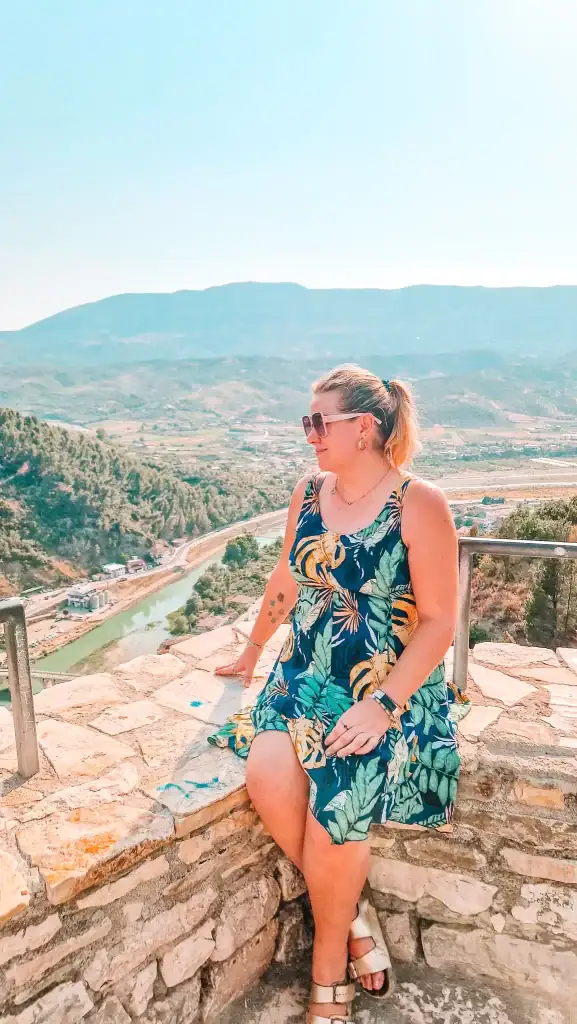
All photos featured on this blog are from my personal travel experiences.
I spent six weeks exploring Albania, six weeks in North Macedonia, and made multiple trips into Kosovo. Along the way, I sought out not just the sights, but the stories: the living castles, the coffee rituals passed down through generations, the wineries where dancing breaks out after a few glasses of raki, and the monasteries that still stand guard over centuries of change.
Every single experience on this list is something I personally did, tasted, or touched during my time in the region. These aren’t just “top attractions” — they’re the cultural encounters that helped me understand the soul of Albania, North Macedonia, and Kosovo.
Here are 10 cultural experiences that will make your trip to the Balkans unforgettable.
This article reflects my personal travel experiences. I aim to share culture and history as I encountered it, but I recognise that perspectives in the Balkans are complex and varied.
Want to plan your trip without feeling overwhelmed?
- Want a fully personalised itinerary planned for you → Book my custom itinerary service
- Want a detailed, self-guided resource for inland Albania → Albania, Unlocked
- Want a free, culture-first introduction to thoughtful travel → Download the free guide
🏰 Cultural Experiences in Albania: Castles, Coffee, and Living History
Wander through Berat, the UNESCO City of a Thousand Windows
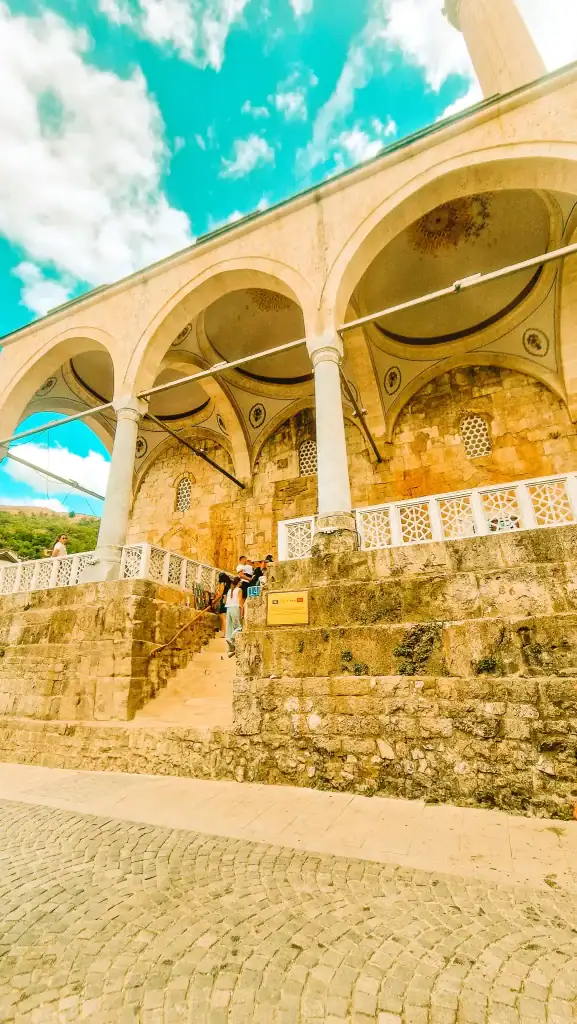
Berat, Albania’s UNESCO-listed ‘City of a Thousand Windows,’ is not just beautiful — it’s a living museum of Ottoman culture. Known as the City of a Thousand Windows for the sheer number of windows crowded closely together, Berat straddles both sides of the River Osum. One side hosts Mangalem, where you’ll find the gorgeous Xhamia Mbret Mosque and Halveti Tekke monastery.
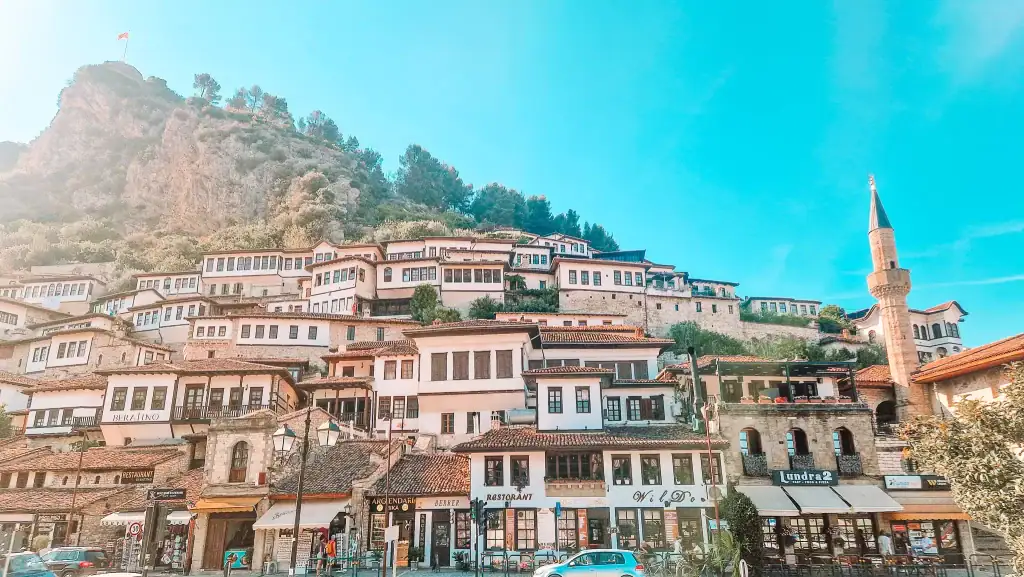
On this side of the river, you can also make the climb to the fascinating Berat Castle. Unlike most historic fortresses, Berat’s is still a living, breathing town, spread out over a huge hilltop and still housing local families.

On the other side of the river, beautiful, calm Gorica climbs into the hillside. This smaller town offers a quieter vibe, with riverside restaurants and winding alleys. Head uphill to find the gorgeous Church of St Spiridon, an almost-hidden away Orthodox wonder from the 18th century.
👉 Read my full guide to Berat to catch up on all the highlights of this amazing city
👉 If you’re short on time, you can still experience Berat on this Day Trip from Tirana. It includes the UNESCO city, local wine, and plenty of culture.
🏨 Where to Stay in Berat
If you want to make the most of Berat’s wine and history, stay overnight. I stayed in the Gorica area. While this does place you further away from the castle, I loved how peaceful and local it was, and would absolutely recommend it. Click the map below to compare all hotels in Berat.
- I stayed at the small, perfect Dhmitri’s Guesthouse. With only two rooms in a traditional Ottoman house, Dhmitri’s Guesthouse is run by a lovely couple. While the rooms are private, there is a shared sitting room and I also had a tiny (but fully equipped) kitchenette. Breakfast is on the terrace every morning with stunning views across to the castle, and the husband makes a different treat each day – the highlight was pumpkin and feta byrek on my last day. This place was an absolute gem. ✨9.5/120+ reviews.
- Not far from Dhmitiri’s is the most popular hostel in Berat – Berat Backpackers. Also with incredible views, this hostel offers both dorm and private room options, and they also run some group tours. It’s definitely boujie for a hostel, and has a terrace/garden area. ✨8.8/400+ reviews.
- If you’re longing for history, the Hotel Mangalemi in an historic building and was the first hotel to open in Berat after the fall of communism in 1991. I didn’t stay there but I got a peek at the gorgeous inside because the allure of the history was so strong that I tried to pop in for a coffee (sadly the cafe area is only for guests). ✨9.6/700+ reviews.
- Amazingly, you can also stay in the castle itself. The Berati Castle Hotel has gorgeous historic rooms and easy access to the restaurants in and around the castle. Just beware of that hill! ✨9.2/1.9k+ reviews.
Experience Albanian Stone Coffee in Gjirokaster
Albanians take coffee extremely seriously, and the capital, Tirana, has one of the highest proportions of cafes per person in the whole of Europe. But during the communist period, coffee took a different turn for Albanians, and this wonderful experience in Gjirokaster will not only tell you all about it, but give you a chance to try it for yourself.
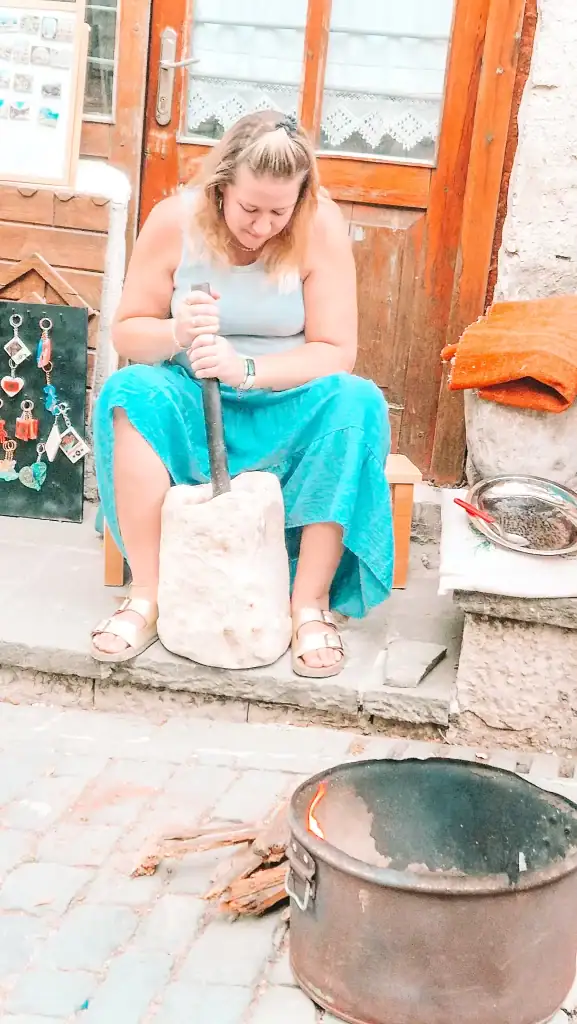
Due to shortages of roasted coffee (and electronics to grind beans), many Albanian women spent their days making ‘Stone Coffee’, working hard first to roast their own beans and then to grind them in stone pestles. Lubjana taught me the cultural context behind this tradition, talking about her own childhood experiences – a one of a kind experiences. And we even topped off the class by tasting local raki!
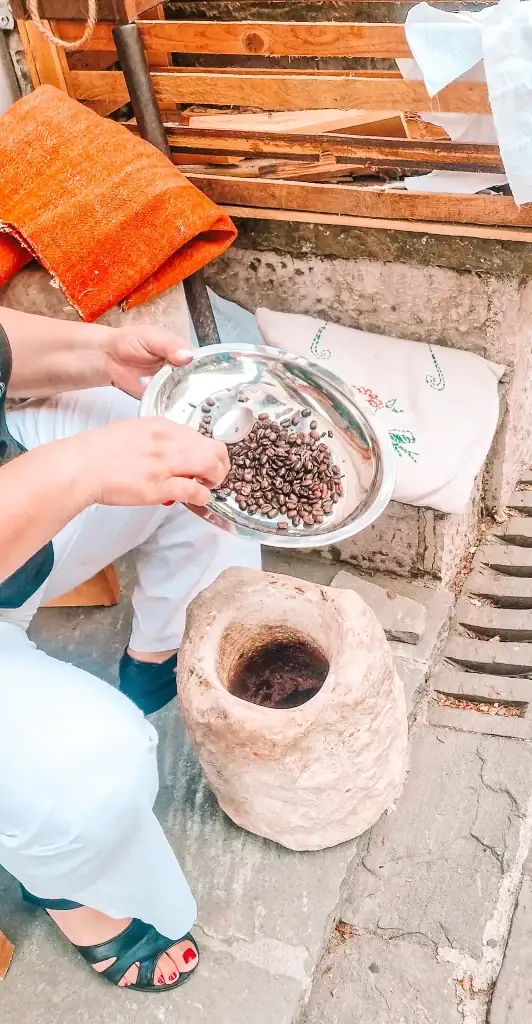

👉 My guide to Gjirokaster covers my stone coffee experience as well as a range of other amazing activities in my favourite town in Albania. Or check out my guide to Gjirokaster’s best cafes and restaurants to find my other favourite coffee spots in the Stone City.
👉 Want to try this for yourself? You can book the same Stone Coffee Experience in Gjirokastër here — it’s an unforgettable way to connect with Albanian culture.
Sample Albanian wine and raki in Berat
Albania has a growing wine industry, and one of the best places to experience this is in Berat, the heart of the country’s wine region.
With this amazing tour, I got to visit the Pupa Vineyard. After a stop among the vines to learn about Albanian varieties and for some incredible photos, we headed to the winery.
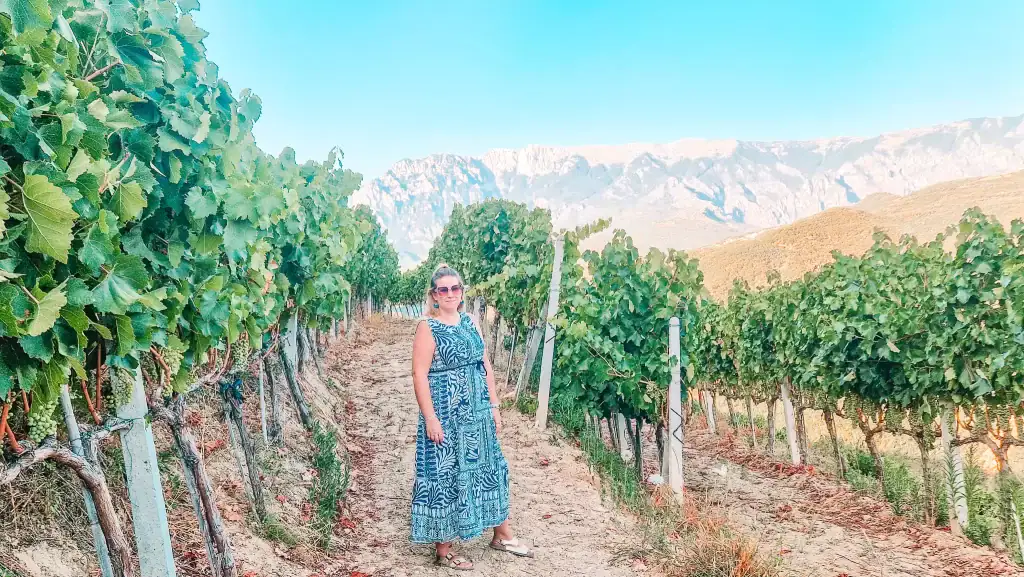
Our tasting included three wines – a white, rose and red – as well as a deli platter. But most importantly of all, we got to experience some other key elements of Albanian culture. We got to try some delicious raki (the tour included one shot of raki and somehow we ended up trying five), and once there was enough raki in us to mitigate embarrassment, our guide taught us some traditional Albanian dances.

This was truly one of the standout nights of my time in the Balkans – the setting, the wine and the dancing combined to make an unforgettable experience!
👉 This Berat Wine & Raki Tour is the exact one I joined — complete with traditional dancing, tastings, and more. It’s a night you’ll never forget!
Learn about Albania’s communist past at their innovative museums
Albania’s 20th century past is not easy, but one thing I found fascinating during my six weeks in the country was the way Albania is discussing this past. Much like Germany after the Second World War, or Phnom Penh in Cambodia after the Khmer Rouge, Albania seems dedicated to that the horrors of the Hoxha dictatorship are not forgotten.
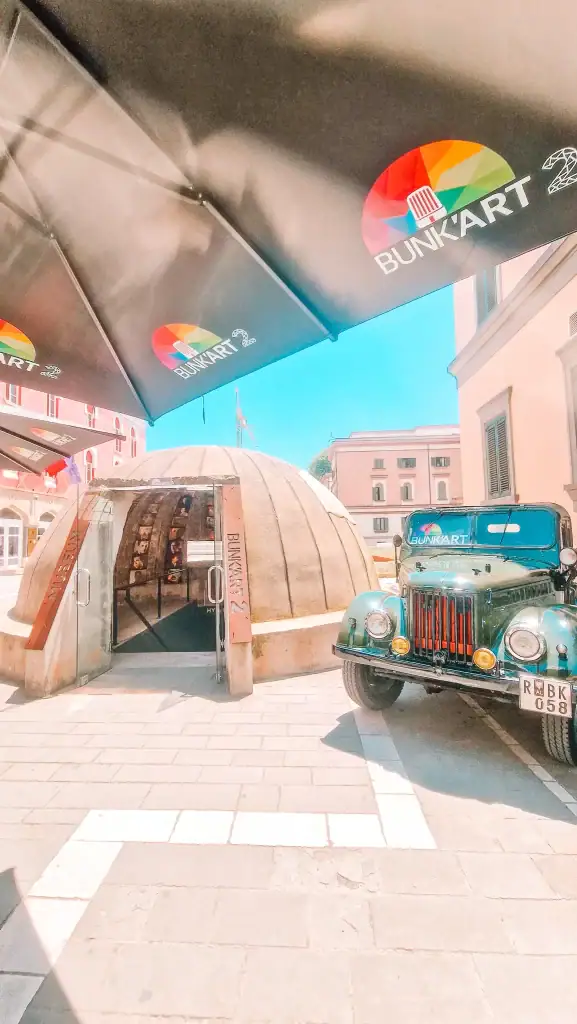
As a result, Albania is full of truly innovative museums. The two Bunk’Art museums in Tirana are in among the thousands of nuclear bunkers Hoxha built across Albanian when he became paranoid in the 1970s – it’s estimated that he built anywhere up to 700,000 such bunkers (the BBC says 170,00 – either way, an enormous number). Both museums recreate what life in these bunkers would have been like, but they also focus on the repression enacted by Hoxha’s government, Albania’s isolation from the rest of the world, and the impact that this had on ordinary people.
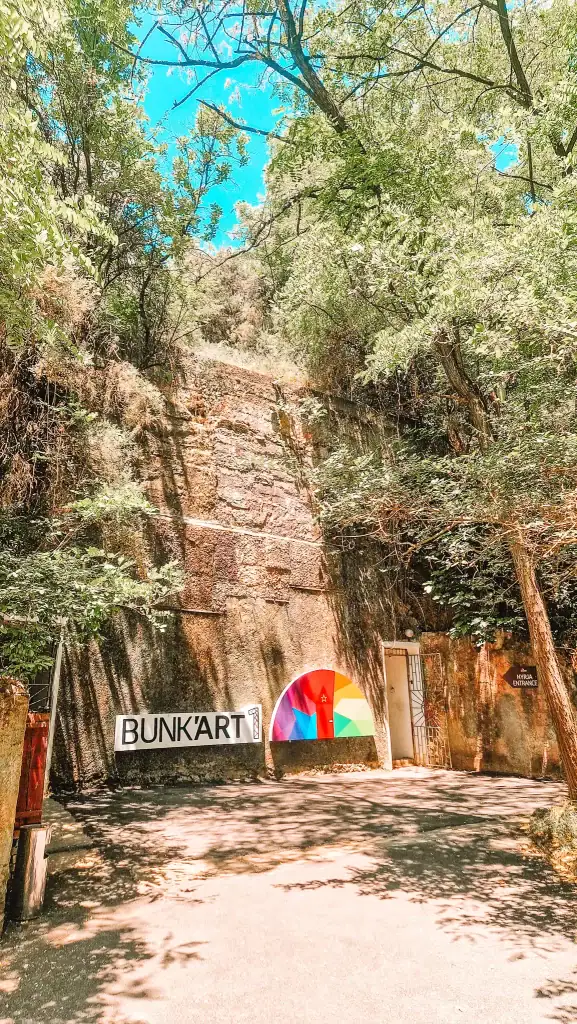
In Gjirokaster, you can visit another Cold War bunker – this one left very much as it was at the end of the Cold War. This time, you’ll get a greater sense of what the bunkers would have been like in their heyday, with my favourite fact being that Hoxha only planned two toilets for over 200 people.
In Shkoder, the Site of Witness and Memory focuses on religious repression in Albania, particularly after the country became the world’s only officially atheist state. During this time, many religious buildings were destroyed or turned into community spaces like sports halls, and religious leaders were persecuted. Most chilling in this museum are the original prison cells, used to house and torture the persecuted – and then, the map showing that this was only one of tens of prisons in Shkoder alone.
Looking to get a feel for Albania before you land? I put together a list of my favourite Albania books — from memoirs to political history.
⛪ Cultural Experiences in North Macedonia: Lakeside Legends and Timeless Traditions
Explore gorgeous Ohrid and its ancient Monasteries
Within a few minutes of arriving in Ohrid’s UNESCO-listed old town, it became clear that I would be adding Ohrid to my list of truly magical places I’ve visited in over a year of travelling – no mean feat when the list includes Hoi An, Penang, Luang Prabang and Albania’s Gjirokaster (all UNESCO listed sites in their own right).
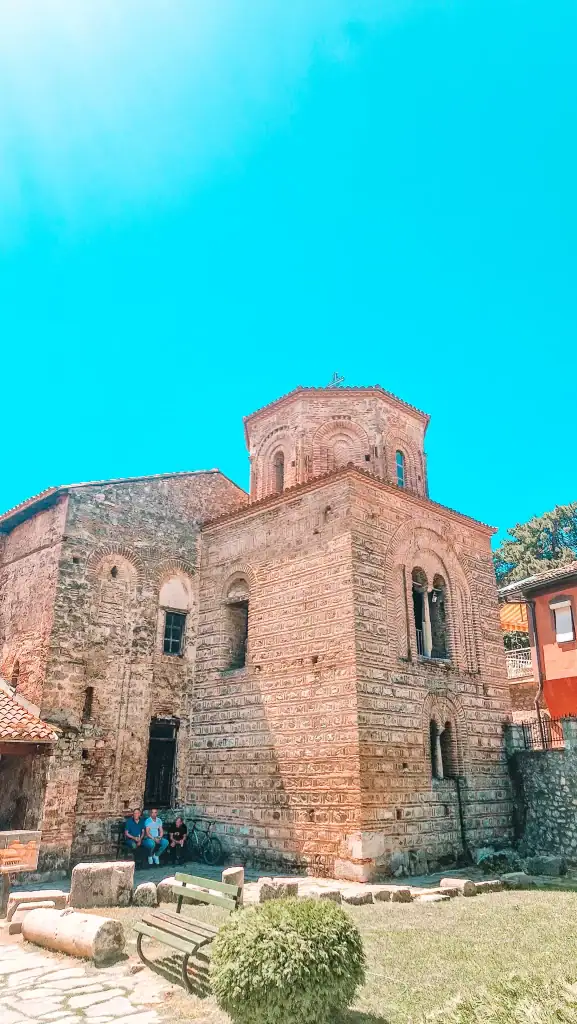
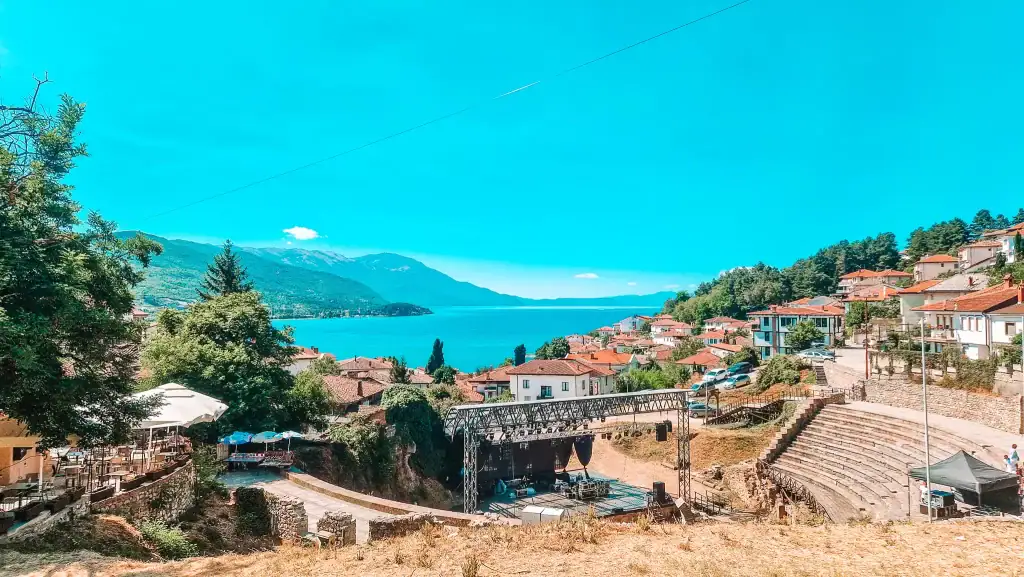
Known as ‘the Second Jerusalem’ during the Ottoman period, Ohrid is full of churches and monasteries, alongside a pre-Roman amphitheatre and stunning natural landscapes. Among the most important sites is Sveti Naum, a gorgeous monastery further around the lake and the birthplace of the Cyrillic alphabet.
St Sophia – modelled on the Haigha Sophia in Istanbul – and St John at Kaneo are two more incredible churches in Ohrid. St Sophia stuns with beautiful decoration, while St John features incredible views over the lake itself.

👉 Don’t miss Ohrid — you can visit easily on a Day Trip from Tirana or a Day Trip from Skopje. Both give you enough time to explore its churches, old town, and lake views.
👉 One of my highlights was this Small Group Boat Tour to Sveti Naum. It’s a relaxed way to see the lake and visit one of Macedonia’s most important monasteries.
👉 If you’re particularly interested in beautiful religious buildings, check out my guide to the Balkans’ most awe-inspiring religious buildings.
🏨 Where to Stay in Ohrid
Ohrid is one of those places that deserves more than a quick stop. Waking up by the lake and strolling through the cobbled streets before day-trippers arrive is a completely different experience. Whether you want lakeside views or easy access to the UNESCO old town, here are my favourites:
- I stayed at Villa Jovan, a historic house right in the centre of the Old Town. Their single room was budget-friendly and perfect as a solo traveller, and I loved the historic vibes! They also have a range of double rooms. ✨8.4/230+ reviews.
- For lakefront views, try the Hotel Aleksandrija, a 4* hotel right in the heart of the action in the Old Town! ✨ 8.3/200+ reviews
- A bit further back in the Old Town is Villa & Winery Mal Sveti Kliment. It offers sophisticated, historic charm. ✨ 8.9/400+ reviews
- If you’re looking for more of a peaceful, beachfront vibe, try the Villa Trpe in Trpejca, the St Tropez of Macedonia , a smaller town further around the lake from Ohrid. This property offers apartments, with access to a shared pool. ✨ 9.2/200+ reviews
Tip: Ohrid is a popular summer destination, and the best places (especially by the water or in the Old Town) sell out early. If you find something you love, grab it before it’s gone.
If you’d like more options, use the map below to check live prices and availability for places to stay around Ohrid:
Sip coffee on Shirok Sokak in Bitola, the City of Consuls
Compared to Ohrid or Skopje, the capital, Bitola is a lesser-known gem in North Macedonia. But the country’s second city has a long and cultural past – it was once known as the City of Consuls because so many foreign powers set up consulates within the city.
This led to the city becoming known as a haven of learning, culture and diversity. Many of the consulate buildings still exist today, standing next to other historic gems such as the beautiful Church of St Demetrius and the House of the Army, the last building the Ottomans built in Bitola before the fall of the empire.
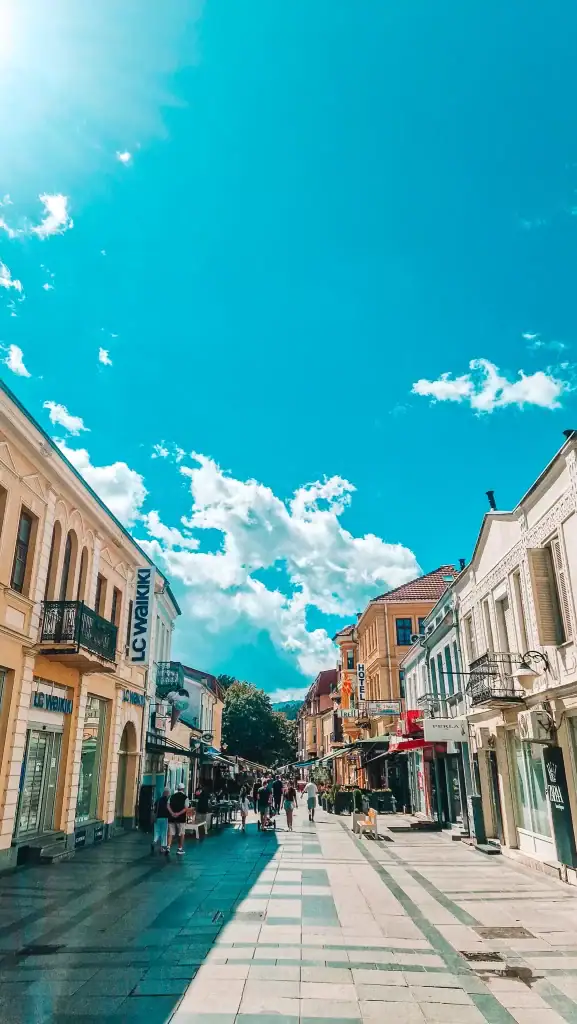
But the undoubted heart of Bitola is Shirok Sokak, a long pedestrianised street that has been the place to see and be seen for over a century. Lined with heritage buildings, bustling cafes and delicious restaurants, Shirok Sokak is vibrant at all times, but particularly as evening is drawing in. Sip a coffee before lunch or have a glass of wine as the sun is setting for a truly Macedonian experience.
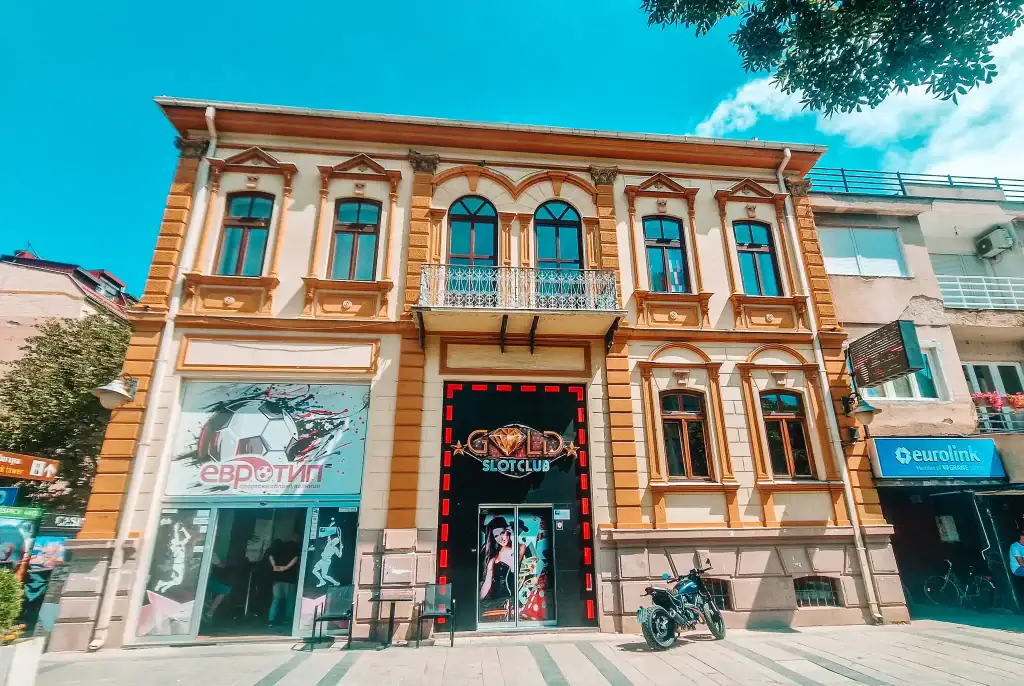
You can even spot the balcony where Turkish hero Atatürk allegedly met with his secret love Eleni – a forbidden union between a Muslim and a Christian. Just before arriving in Bitola, I read the Hotel Between Two Wars, which tells the story of Attaturk and Eleni and is one of my recommended books about the Balkans. Needless to say, I was thrilled to spot the balcony that features in the novel.
👉 Bitola is one of my recommended day trips from Skopje – find the others here!
🏔️Visit Krusevo: The Mountain Town Where North Macedonia Took Its First Steps Toward Independence
High in North Macedonia’s mountains, Krusevo is a town most summer visitors miss — but it holds one of the most important places in the country’s history. But it should definitely be on your radar if you’re planning a visit to North Macedonia, because it occupies such an important place in the country’s history.

In August 1903, the first Macedonian republic was declared in Krusevo as part of the Ilinden Uprising, a revolt against Ottoman rule. It only lasted 10 days before being crushed by the might of the Ottoman Empire, but it retains an almost mythical place in Macedonian memory as a result.
The most important tourist attraction is the Makedonium, a Yugoslav-era Spomenik that is visible from almost anywhere in the town. This remarkable example of Brutalist architecture houses the grave of Nikola Karev, leader of the uprising.
Beyond the surreal, the almost-total destruction of Krusevo after the uprising meant that the city was free to architecturally reinvent itself. The results are the stunningly beautiful blue houses dotted around the city, often with murals – they’re unlike anything else I’ve seen in the Balkans.

Set in a serene mountain landscape, Krusevo also offers simple pleasures: walking trails to the pretty Krusevo Lake, or sipping local wine at the new Vinum Club in the town square.
👉 Read my full guide to Krusevo.
🕊️ Cultural Experiences in Kosovo: Heritage, Faith, and a New Nation’s Story
Kosovo’s history and identity are complex, and perspectives vary depending on where you are in the region. What follows reflects my own travel experiences and observations.
Walk through Prizren’s historic streets
Prizren is undoubtedly the highlight of Kosovo. This deeply historic town would probably be a UNESCO listed town if it weren’t for Kosovo’s controversial status as an independent country, and the town would more than deserve the UNESCO status.

In the south of Kosovo, near the border with Albania, Prizren feels like a fairytale. Spread out along the Bistrica river, the town has preserved much of its historic architecture, and makes an amazing day trip from either Tirana or Skopje.
Highlights include the Xhamia e Sinan Pashes Mosque and the imposing fortress that looms over the city. There are also historic hammams and the beautiful central square, which is full of traditional restaurants. Prizren is also a great place for souvenir shopping, with a range of independent shops selling thoughtful gifts.
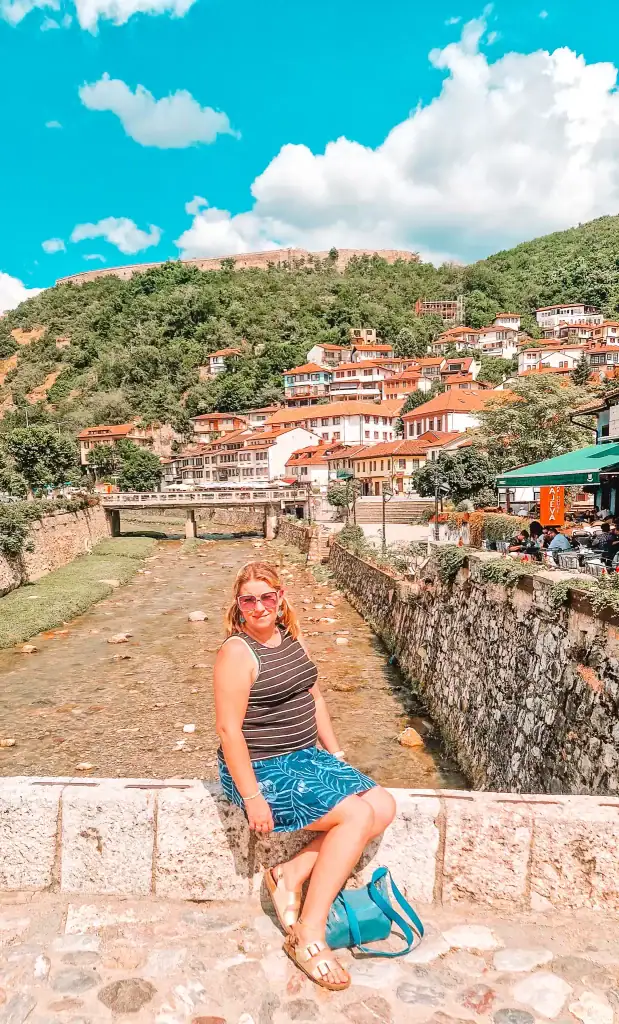
I recommend going to Beska restaurant, where you can either try the 2 person traditional platter – which comes with it’s own dry ice show – or go for the flije, the local speciality. Flije is a delicious pie filled with layers of flaky pastry and yoghurt, and it paired perfectly with the local cheese I also ordered!
👉 Read my guide to my day trip to Prizren and Pristina to find out everything you need know!
👉 You can easily visit on a Prizren Day Trip from Tirana — the historic streets, fortress, and river views are all included.
🏨 Where to Stay in Prizren
Prizren is beautiful by day, but it’s at night when the river lights up, the fortress glows on the hill, and the old town buzzes with life. Staying overnight means you can soak up that atmosphere, enjoy dinner by the river, and shop in the morning markets without the crowds.
- The modern Agara Stays offers a range of different size apartments and studios, with high end amenities and a designer vibe ✨ 9.6/227+ reviews
- Hotel Prizreni – a modern hotel in a more traditional Balkan style, offering breakfast and just steps from the old town ✨ 8.8/739+ reviews
- The newly opened Hotel Berati is a budget hotel that’s a bit of a steep walk from the old town, but its hillside location gives it a great view. Rooms are simple but clean and they offer parking view ✨ 8.0/60+ reviews (new hotel)
For more choices — from guesthouses to boutique hotels — here’s a map to explore accommodation in Prizren at your travel dates:
Experience the Serbian part of Kosovo at Gracnica Monastery
While much of Kosovo has an Albanian-speaking majority, Gracanica Monastery is located in a Serbian enclave. The monastery itself, dating back to the 14th century, is a stunning example of Serbian Orthodox heritage and is still home to a community of nuns.
While we weren’t allowed to take pictures inside, I can confirm that the decoration inside was incredible. While not as spectacular, the outside of the church is nothing to turn your nose up at, and you can even visit the small shop to buy wines and honey made by the resident nuns.

What stuck with me most though was the difference between this part of Kosovo compared to Pristina and Prizren. Having already visited Kosovo on a day trip from Tirana, I was really looking forward to my visit to Gracanica when I took a day trip from Skopje, but not expecting the contrast I noticed.
We were suddenly in an area of the country that felt very different – Serbian flags hung from every post, and army jeeps cruised the streets. The monastery was still ringed with barbed wire, a reminder that cultural identity in Kosovo remains deeply entwined with politics, even decades after the war.
For a glimpse into Kosovo’s complex past, read High Albania by Edith Durham, one of my top books set in the Balkans. Written in 1908, Durham explores the region, stopping at Prizren and reflecting on the dual cultural heritage of the area.
👉 For a glimpse of Kosovo’s Serbian heritage, join this Day Trip from Skopje to Gracanica Monastery. It’s a moving cultural and historical experience.
Soak up Kosovo’s recent history in Pristina
Of all the cities I’ve visited in the past year, Pristina is definitely one of the most unique – but that’s part of it’s cultural significance. Europe’s newest capital feels quiet and almost empty – a testament to the over 700,000 people who fled the country during the war.
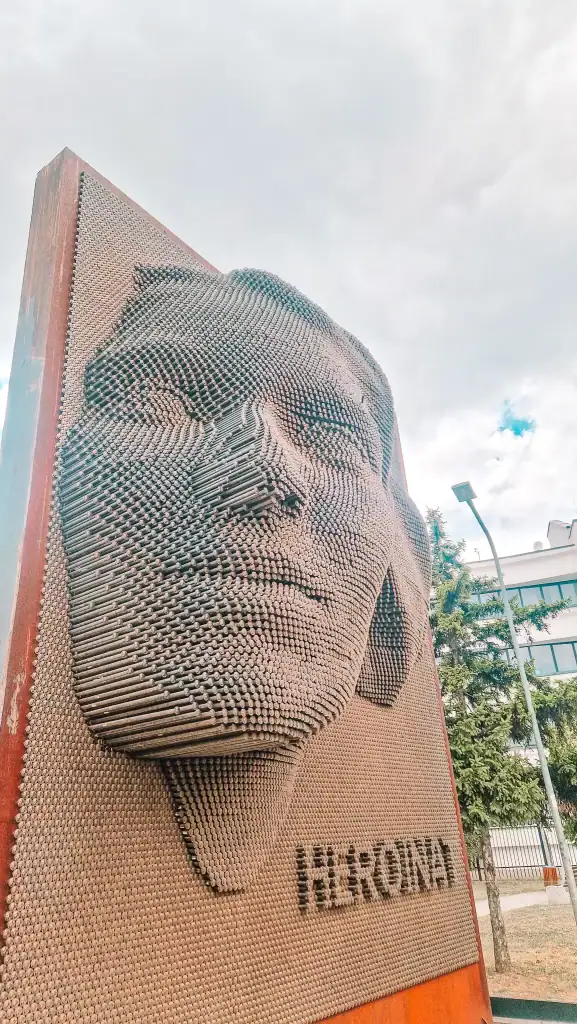
Much of the city is new, reflecting the rebuilding that followed the Kosovo War. The main highlights all commemorate the war and its aftermath, including the moving Heroinat sculpture commemorating the women who experienced sexual violence during the war. The beautiful Newborn sculpture is repainted each year with the flag of the latest country to recognise Kosovo as an independent country.

What struck me most was the celebration of American figures such as Bill Clinton and Madeleine Albright — a perspective that contrasts strongly with other countries I’ve travelled in, like Laos and Vietnam, where memories of U.S. involvement are far less positive. It was a reminder that history and politics are deeply personal, and Pristina wears its story openly.
If that’s not enough, make sure to visit the National Library of Kosovo. Built during the Yugoslav period, this building was once voted the 9th Ugliest Building the world – worth seeing for that alone!
👉 If you want to see Kosovo’s capital, you can join a Pristina Day Trip from Tirana or a Pristina Day Trip from Skopje. Both cover the main sites, including the Heroinat sculpture and Newborn monument.
Frequently asked questions – Albania, North Macedonia and Kosovo
Is it safe to travel to Albania, North Macedonia, and Kosovo?
Yes, all three countries are generally safe for travellers, including solo travellers. Like anywhere, use normal precautions (watch belongings in busy areas, avoid unlicensed taxis, etc.).
I use the British Foreign, Commonwealth and Development Office to check for safety alerts – there are no major alerts listed currently (September 2025) for the areas I recommend visiting in this guide.
How many days do I need to experience the Balkans?
If you want to see highlights in Albania, North Macedonia, and Kosovo, plan at least 10–14 days. This gives time for major cultural sites like Berat, Ohrid, and Prizren without feeling rushed.
Can I visit Kosovo on a day trip?
Yes! Many travellers visit Prizren or Pristina on day trips from Tirana or Skopje. These tours cover the highlights if you’re short on time and also make border crossings quick and easy.
Do I need a visa for Albania, North Macedonia, or Kosovo?
Most travellers from Europe, North America, and many other countries can enter visa-free for 90 days. Always check the latest requirements with your government before traveling.
What is the best time of year to visit the Balkans?
Spring (April–June) and autumn (September–October) are ideal for cultural sightseeing. Summer can be hot and crowded, while winter offers fewer crowds but shorter days.
What cultural experiences shouldn’t I miss?
Highlights include exploring Berat’s castle and wine region, taking a boat trip on Lake Ohrid, sipping stone coffee in Gjirokastër, and walking the historic streets of Prizren.
Is it easy to travel between Albania, North Macedonia, and Kosovo?
Yes – buses connect the major cities, and day trips with local guides are common. Buses in North Macedonia are organised and easy, but buses in Albania can be a bit more hit and miss. Check out my guide to using Albania’s buses before you go.
Renting a car is also an option if you want more flexibility.
What should I wear when visiting monasteries and mosques?
Dress modestly: cover shoulders and knees, and bring a scarf for women in Orthodox or Muslim sites. However, if you don’t have a cover up, my experience has been that all major religious sites that require you to cover up have scarves etc. available to borrow – this was true in Gracanica for example.
🌟 Final Thoughts: Unforgettable Cultural Experiences in the Balkans
Spending six weeks in Albania, six weeks in North Macedonia, and making multiple trips into Kosovo gave me the chance to dive deep into the region’s soul. From tasting stone-ground coffee in Gjirokastër to dancing in Berat’s vineyards, from boat rides across Lake Ohrid to exploring Prizren’s cobbled streets and Kosovo’s bold new capital, every moment revealed another layer of Balkan history, resilience, and hospitality.
If you’re ready to experience these places for yourself, I’ve rounded up the exact tours and activities I joined — so you can skip the guesswork and go straight to the heart of Balkan culture.
🧭 Plan Your Balkan Cultural Adventure
If you’re inspired to experience the Balkans for yourself, here are the exact tours and activities I recommend — the ones I personally joined and loved:
🏰 Albania
- Stone Coffee Experience in Gjirokastër – learn this unique tradition and taste local raki.
- Berat Wine & Raki Tour – vineyards, tastings, and Albanian dancing.
- Day Trip to Berat from Tirana – explore the UNESCO “City of a Thousand Windows.”
⛪ North Macedonia
- Day Trip to Ohrid from Tirana or Day Trip to Ohrid from Skopje – discover Macedonia’s cultural jewel.
- Small-Group Boat Tour to Sveti Naum – cruise Lake Ohrid and visit its most famous monastery.
🕊️ Kosovo
- Day Trip to Prizren from Tirana – wander Kosovo’s prettiest historic town.
- Day Trip from Skopje to Gracanica Monastery – see this UNESCO-listed Serbian Orthodox treasure.
- Day Trip to Pristina from Tirana or Day Trip to Pristina from Skopje – explore Europe’s newest capital.
🛏️ Where I Stayed (and Recommend) in the Balkans
If you’re planning your own trip through Albania, North Macedonia, and Kosovo, here are the places I recommend staying. Some of these are spots I stayed in myself, while others are hotels and guesthouses I’d happily book on a return trip. Use the Stay22 maps to check live prices and availability for your dates.
🏰 Albania
- Berat – Dhmitri’s Guesthouse (where I stayed). Small, perfect, delicious breakfasts and amazing views. ✨9.5/120+ reviews
- Berat – Berat – Berat Backpackers – dorms and private rooms with stunning views ✨8.8/400+ reviews
- Berat – Hotel Mangalemi – historic and luxurious ✨9.6/700+ reviews
- Berat – The Berati Castle Hotel – stay in the castle itself! ✨9.2/1.9k+ reviews
👉 Use this map to find the best hotels in Berat:
⛪ North Macedonia
- Ohrid – Villa Jovan (where I stayed), a historic house right in the centre of the Old Town✨8.4/230+ reviews.
- Ohrid – Hotel Aleksandrija – 4* lakefront views in the heart of the Old Town! ✨ 8.3/200+ reviews
- Ohrid – Villa & Winery Mal Sveti Kliment – sophisticated, historic charm. ✨ 8.9/400+ reviews
- Ohrid – Villa Trpe in Trpejca, the St Tropez of Macedonia – swimming pool and close to the beach ✨ 9.2/200+ reviews
👉 Use this map to explore more places to stay in Ohrid:
🕊️ Kosovo
- Prizren – Agara Stays – Modern aparthotel near the centre ✨ 9.6/227+ reviews
- Prizren – Hotel Prizreni – modern hotel just steps from the old town ✨ 8.8/739+ reviews
- Prizren – Hotel Berati – budget hotel on a hill with a view ✨ 8.0/60+ reviews (new hotel)
👉 Here’s a map to see more options in Prizren:
✨ Planning a longer trip?
- If you want a culture-first travel guide to inland Albania — with realistic itineraries, destination deep dives, practical bus travel guidance, and advice on extending your trip into neighbouring countries — Albania, Unlocked is designed to help you plan a confident, well-paced journey beyond the beaches. 👉 Explore inland Albania thoughtfully with Albania, Unlocked
- If you’re still in the early inspiration or research phase, you can also download my free Culture-First Traveller’s Guide to the Balkans, covering Albania, North Macedonia, Kosovo & Bulgaria — focused on travelling with context, curiosity, and care. 👉 Get the free culture-first guide
- And if you’d prefer someone to build a personalised itinerary for you — tailored to your time, interests, pace, and travel style — I also offer custom trip planning, including Albania and wider Balkan routes. 👉 Request a custom itinerary
Em is a writer and slow traveller who spent twelve weeks exploring Albania and North Macedonia in depth, including visits to Kosovo. She shares culture-first travel guides that highlight local traditions, layered histories, and meaningful experiences for curious travellers across the Balkans.
✅ All photos featured on this blog are from my personal travel experiences. No stock images are used.



How cool!! It’s s important to explore the culture when visiting a place – Krusevo looked really cool, I didn’t visit last time!
These are areas that I have yet to explore. There is so much beauty, history, and culture to see and pictures to take!
As someone who loves to see more than just the “touristy” spots, I love that you’ve put together this awesome list of ways to truly experience the culture and history.