
 Em
EmJust so you know: This post contains affiliate links. As an Amazon Associate, I earn from qualifying purchases. I may also earn a small commission if you book a tour, hotel, or buy something else through these links. It helps me keep this blog running and full of travel tips. Thanks for your support!
Plovdiv might be known for Roman ruins and boho cafés — but it’s also the perfect base for exploring Bulgaria’s history-rich towns and mountain landscapes. Whether you’re soaking in Roman baths, standing under natural marble arches, or wandering cobbled streets once walked by revolutionaries, these easy day trips from Plovdiv bring depth, variety, and unexpected charm. Some are DIY-friendly, others work best with a guided tour — and a few are worth stretching into overnight escapes.
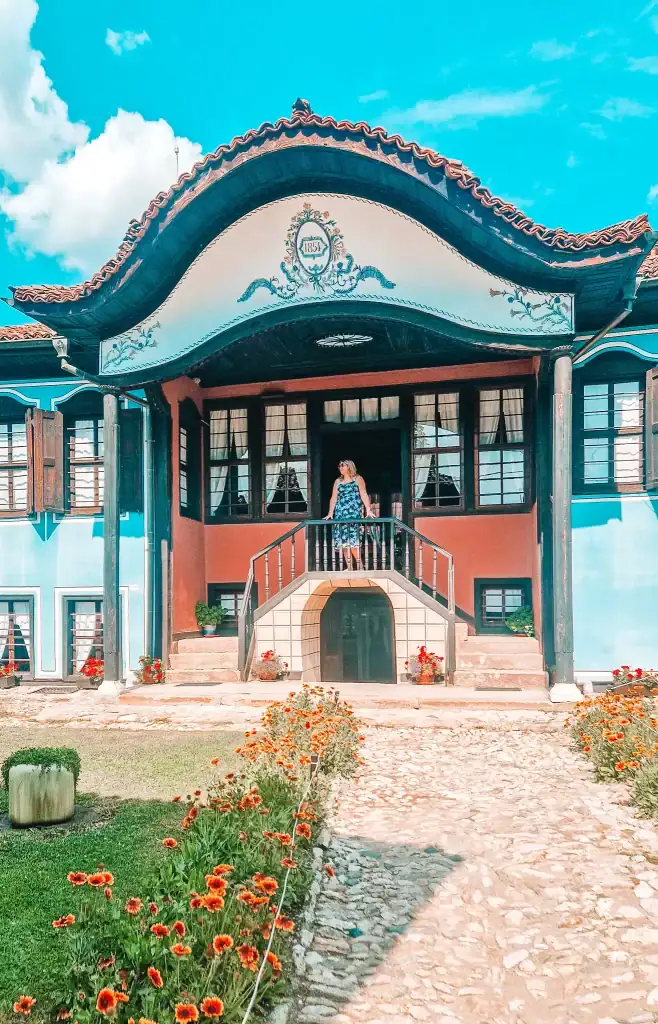
All photos featured on this blog are from my personal travel experiences.
I spent a month based in Plovdiv (and six weeks total in Bulgaria), and these are the trips I’d recommend to any culture-first traveller.
💌 Planning a culture-first Balkans trip?
Grab my free Culture-First Balkans Travel Guide — packed with weekend-worthy destinations from Bulgaria to Albania.
And if you’d prefer someone to build a personalised itinerary for you — tailored to your time, interests, pace, and travel style — I also offer custom trip planning, including wider Balkan routes.
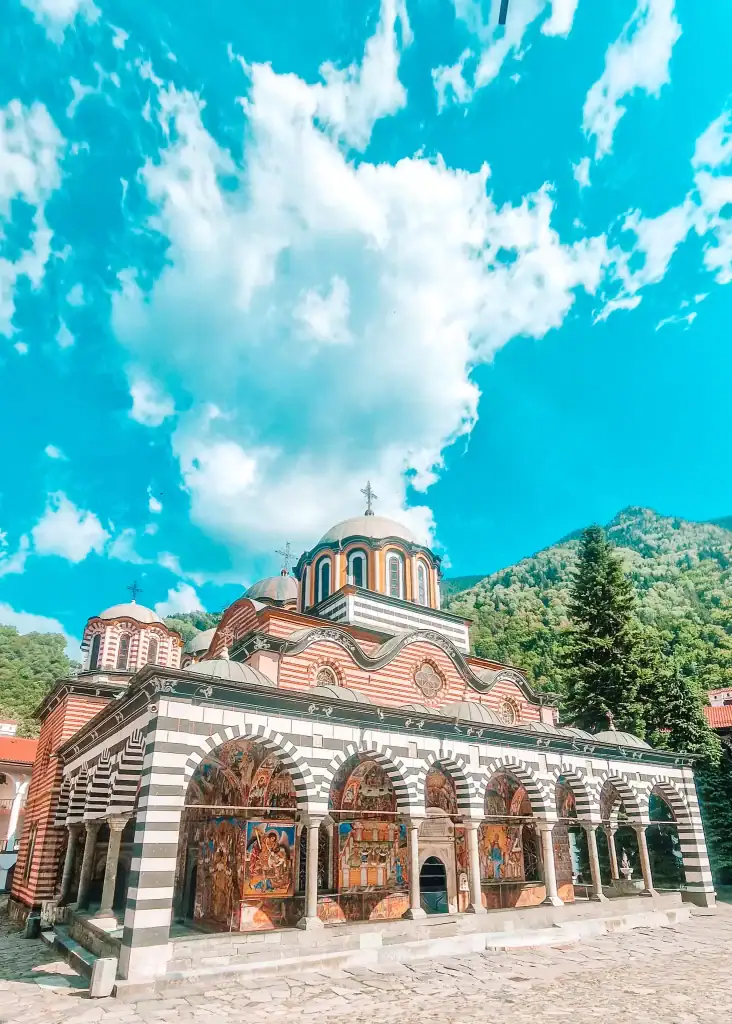
🏔️ Asen’s Fortress, Bachkovo Monastery & The Wonderful Bridges – History + Nature Combo Day
- Why go: This classic Plovdiv day trip combines medieval ruins, a dramatic monastery, and surreal natural rock formations — all within easy reach.
- What to do:
- Climb the stone ramparts at Asen’s Fortress. Originally built in the 9th century and rebuilt in 1231 by Tsar Ivan Asen II, you’ll climb to the top of the fortress for spectacular mountain views. You’ll also visit the small church on site, which has the remains of ancient frescoes.
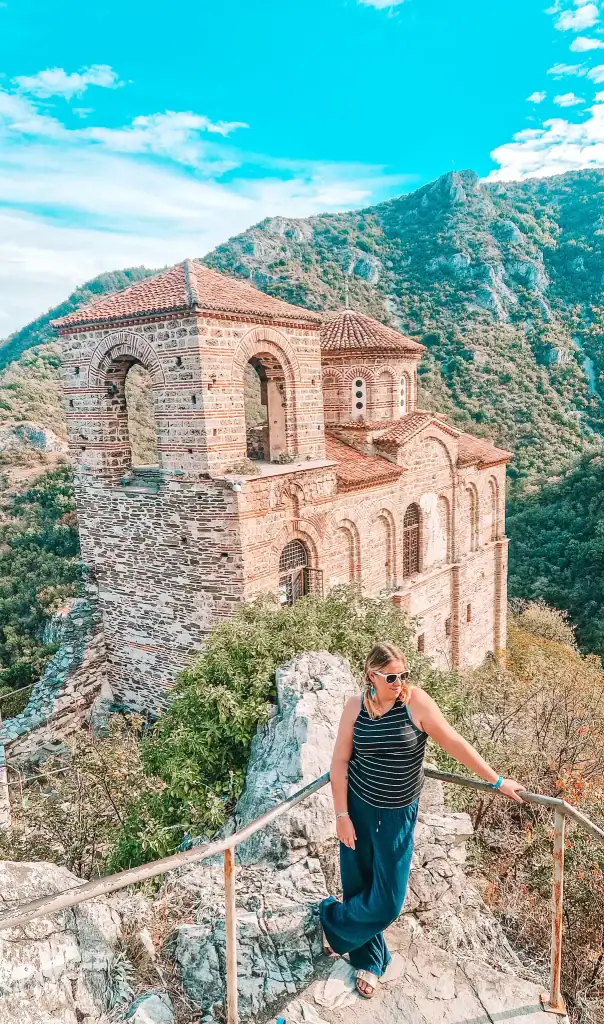
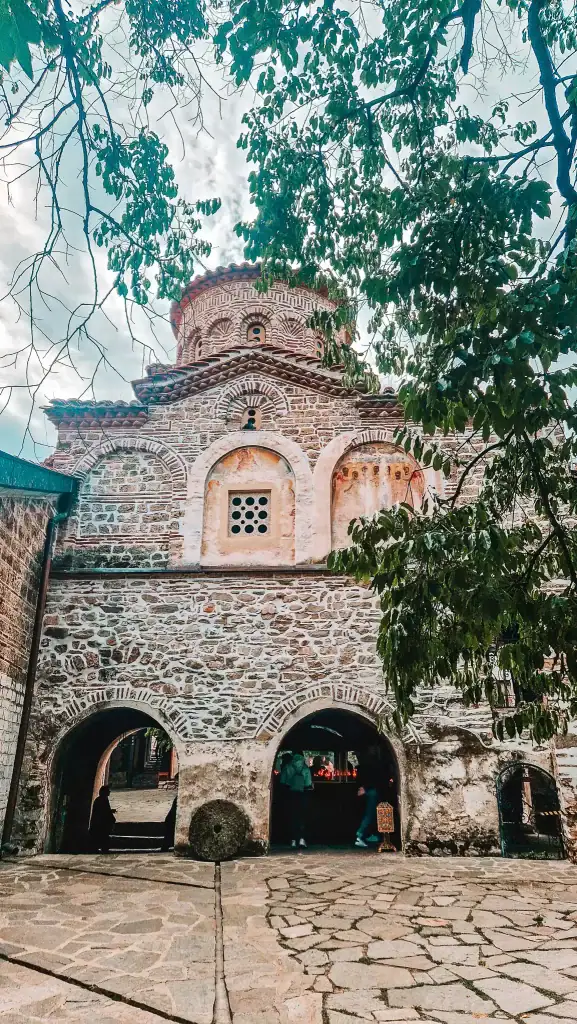
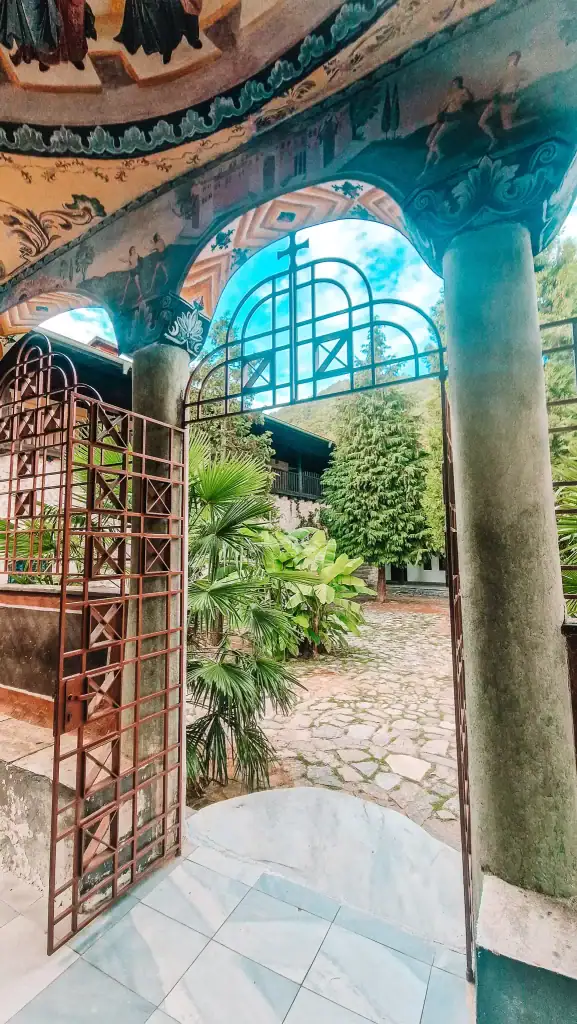
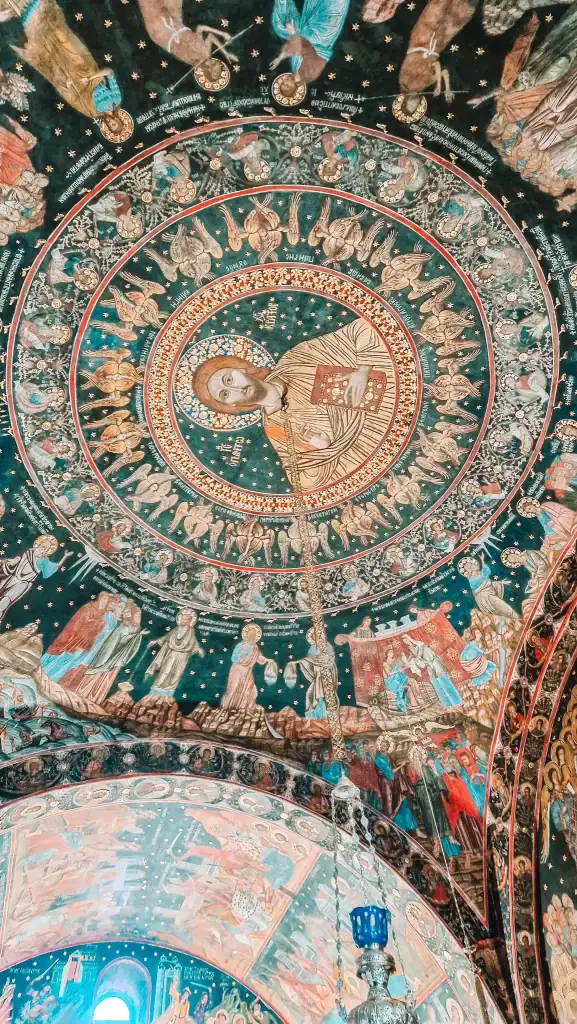
- Admire frescoes and mountain views at Bachkovo Monastery. It was founded in 1083 by the Georgian military commander Grigorii Bakuriani and his brother Abasii, during the time of the Byzantine Empire. Originally serving as a center for Georgian monasticism, the monastery reflects a unique blend of Byzantine, Georgian, and Bulgarian cultural and architectural traditions.
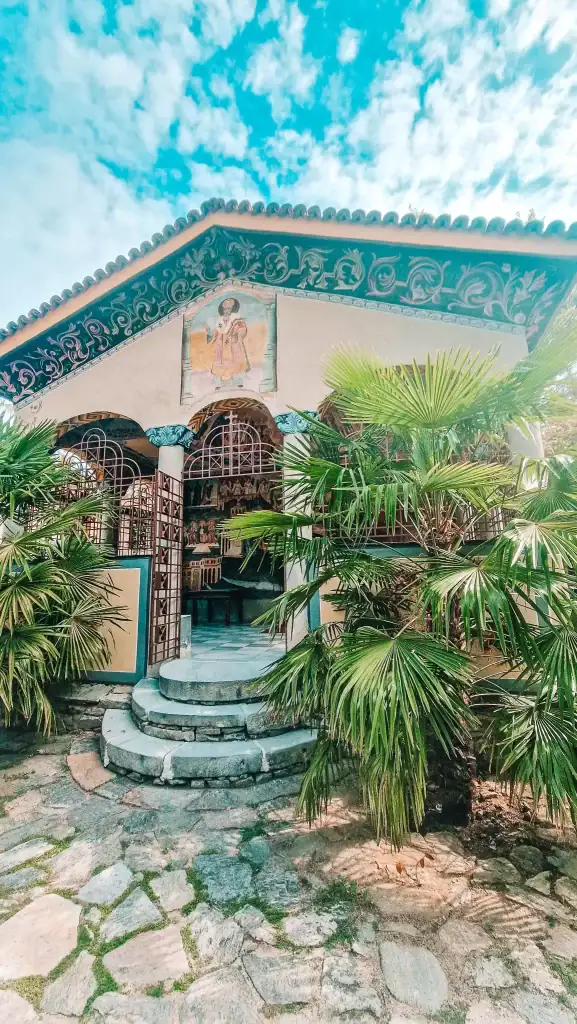
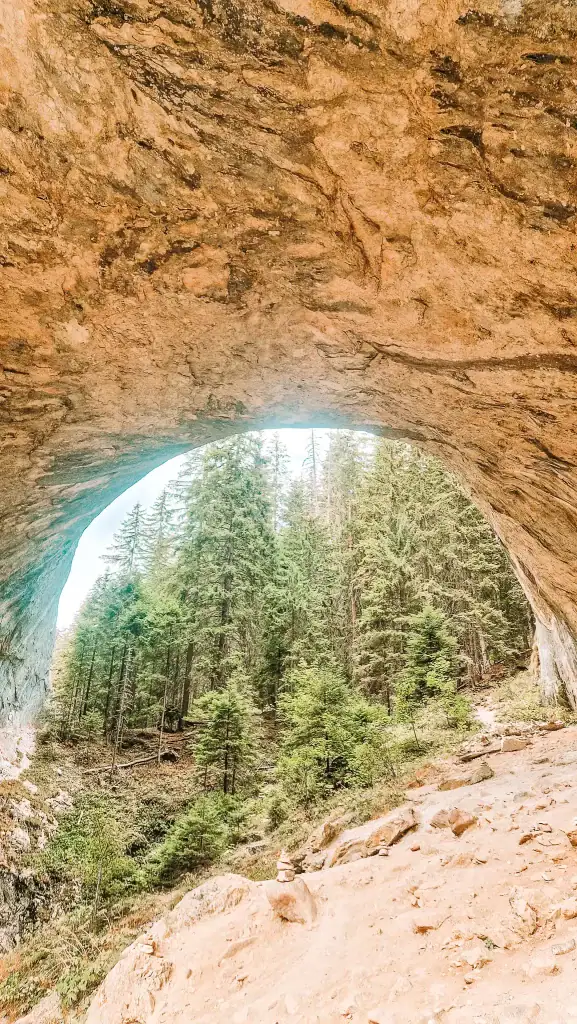
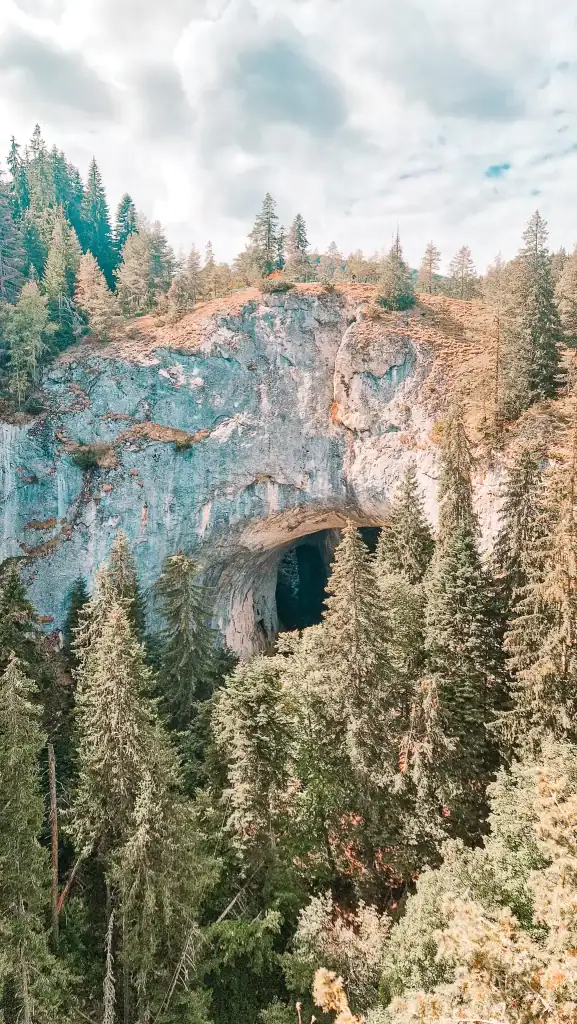
- Hike or take photos under the natural arches at the Wonderful Bridges. These incredible natural marble arches are one of the most popular tourist spots in Bulgaria and well worth the rocky scramble to visit.
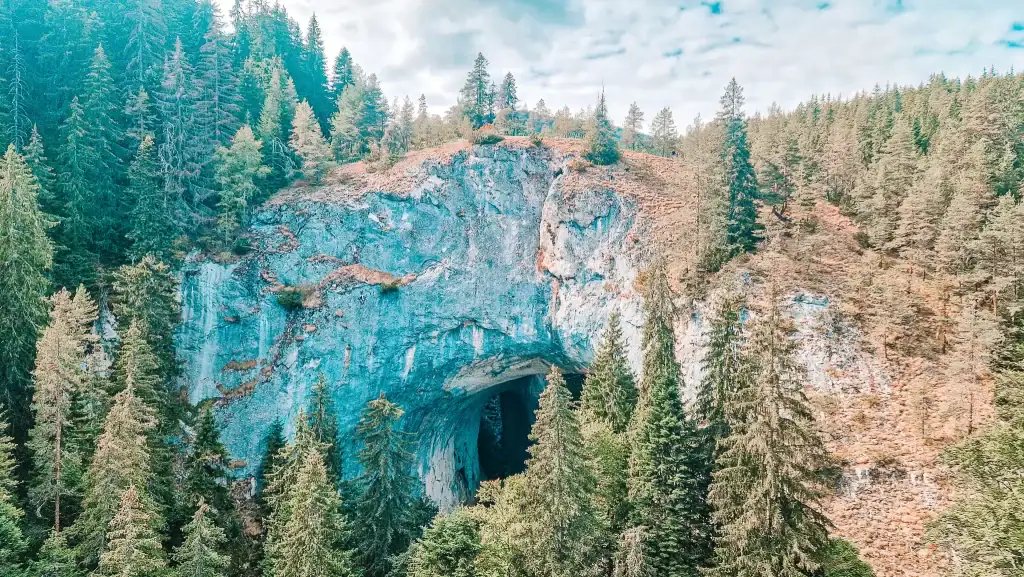
- You’ll also have a traditional lunch in the Rhodope Mountains near the Wonderful Bridges – I tried Patatnik, a famous potato dish, while others had bean soup.
- Guided tour or DIY: guided tour
- How to get there: Best done via car or guided tour – this is the exact excellent tour that I used ✨ 5/53+. If you want to visit by public transport, there are buses to Asen’s Fortress and Bachkovo from Plovdiv, but reaching Asen’s Fortress from the bus stop requires a significant walk (45+ minutes each way).
- Time needed: Full day with an early start
- Tip: Wear shoes with good grip, as especially at the Wonderful Bridges there is some scrambling. You’ll also need to make sure your shoulders are covered at Bachkovo Monastery.
👉 Bachkovo Monastery is one of my top religious sites across the Balkans. Check out the full guide to find the other amazing religious sites I recommend.
🛁 Hisarya – Roman Ruins + Spa Town Vibes
- Why go: Ancient Roman walls, mineral springs, and a laid-back atmosphere make Hisarya a great place to relax.
- What to do:
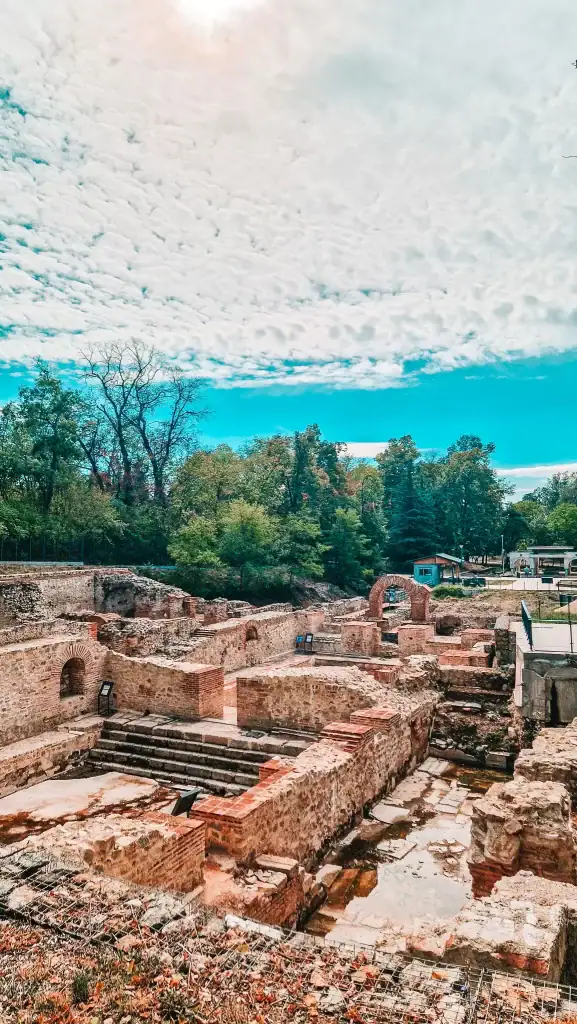
- Visit the ancient thermal complex – Hisarya, along with my beloved Bath in the UK, has one of the best preserved Roman bathing complexes in Europe. Visit to explore the different rooms, and spot the pools that are still fed by the original thermal spring.

- Visit the Roman tomb – walk a few minutes out of town to Hisarya’s Roman tomb, which has preserved frescoes and vaulted brickwork and offers a rare glimpse into the funerary art and architecture of ancient Thrace under Roman rule. Note that you might have to crawl to get in – I did!
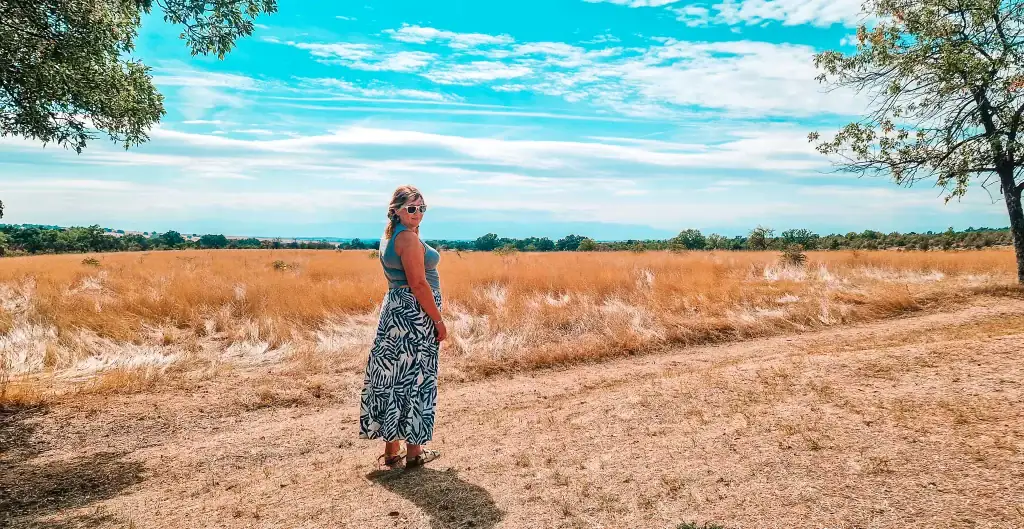
- Relax at Terme di Hissar – a dedicated spa complex offering access to mineral pools and wellness facilities. In summer, you can relax on a sunbed around one of the many outdoor pools, while in cooler weather, you’ll get access to the heated indoor pool, sauna, steam room and salt room.
- Guided tour or DIY: DIY, especially if you want to have a spa afternoon
- How to get there: 1.5 hours by bus from Plovdiv; or easy self-drive. Buses depart from the South Bus Station in Plovdiv – I’ve put the latest bus times below, but the best way to find out if they are up to date is to ask at the Tourist Information Centres in the city centre.
- Time needed: Half-day to full day
- Future plans: I’ll be writing a full Hisarya guide soon — stay tuned!
🏡 Koprivshtitsa – Bulgaria’s Most Beautiful Revolutionary Town
- Why go: Step back into Bulgaria’s National Revival era in this cobbled, mountain village filled with house-museums and history.
- What to do:
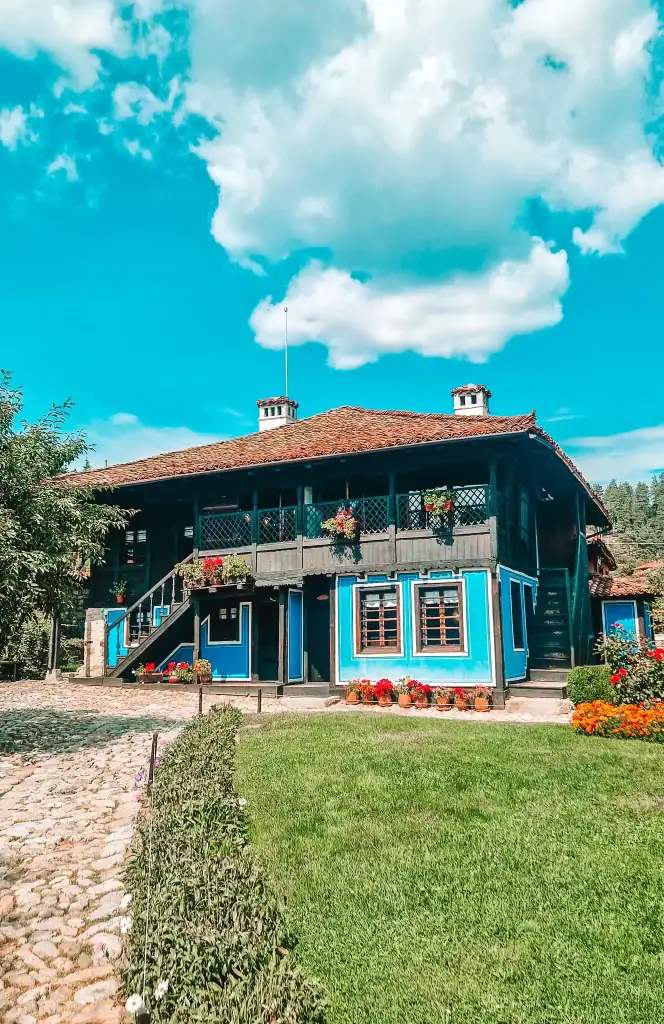
- Visit colourful historic homes turned into museums – I particularly loved the Oslekov House, which is one of the most opulent houses, and the Dimcho Debelyanov house, a beautiful blue cottage-style house where Debelyanov, one of Bulgaria’s most famous poets, once lived
- Learn about Bulgaria’s April Uprising – Koprivshtitsa saw the first shots fired in Bulgaria’s April Uprising in 1876, which was the precursor to Bulgarian Independence a few years later. Many of the key revolutionaries lived in Koprivshtitsa, and you can visit their homes to learn about this important event in Bulgarian history.
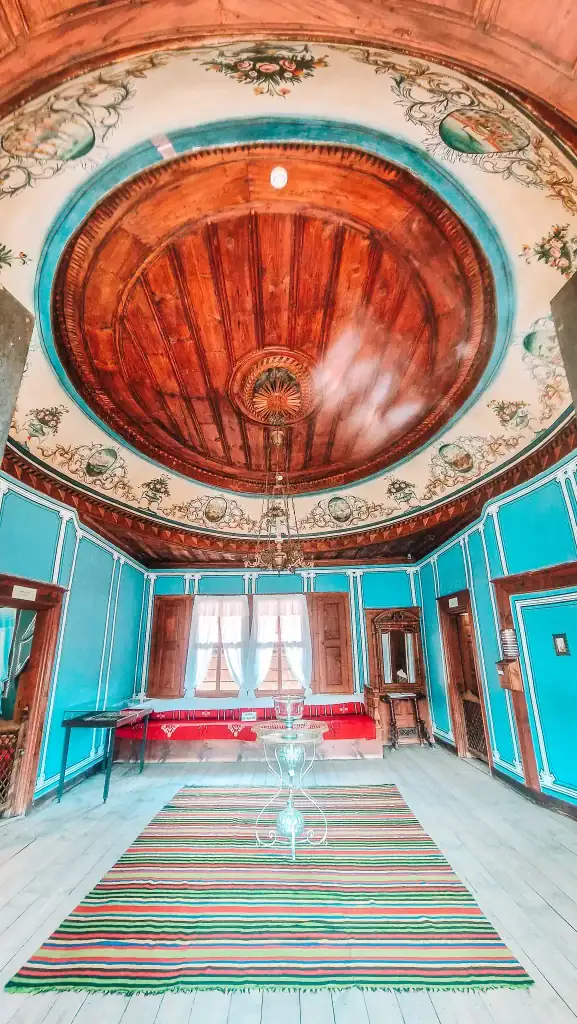
- Enjoy mountain views and traditional food – Koprivshtitsa is nestled in the mountains, and it’s truly a joy to wander the small town, have a coffee in the main square, and enjoy traditional Bulgarian food. I loved the food at Chuchura Family Restaurant, recommended by my hotel and absolutely worth the visit.
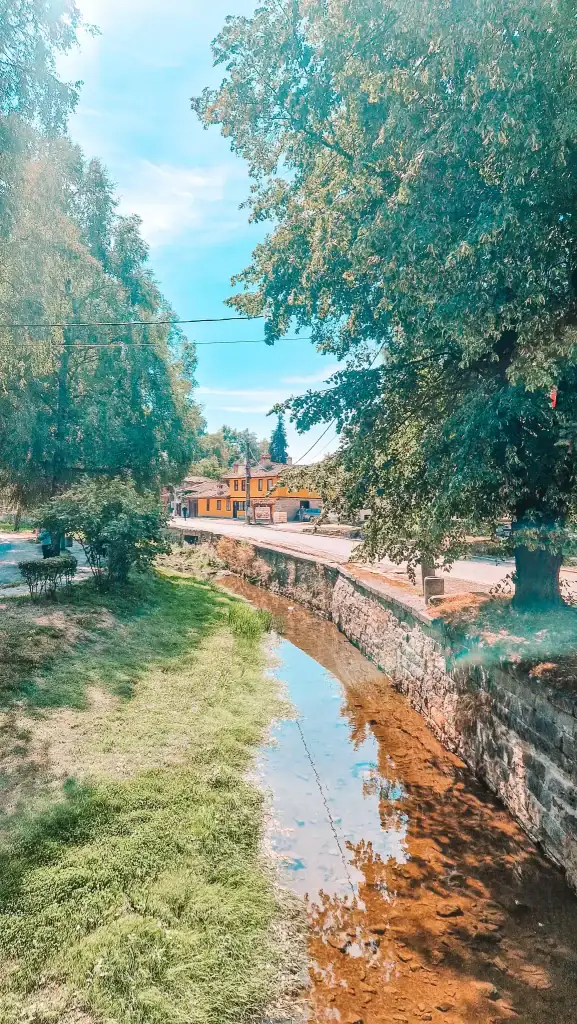
- Guided tour or DIY: for a day trip, I recommend a guided tour. If you’re able to stay overnight, it’s easy to visit by public transport, but the changes requierd make public transport a bit too long for one day.
- How to get there: I recommend this guided tour – I used this company for my trip to Asen’s Fortress and Bachkovo Monastery, and highly recommend them. If you are travelling from Plovdiv to Sofia, you can also book a transfer that takes you to Koprivshtitsa on the way.
- Time needed: Full day
- Read more: My full Koprivshtitsa guide → or if you love the sound of Koprivshtitsa and you’re travelling more widely in the Balkans, find out about Krusevo in North Macedonia, the home of Macedonian revolution and colourful houses.
🏛️ Rila Monastery – Bulgaria’s Most Iconic Spiritual Site
- Why go: A UNESCO-listed monastery high in the Rila Mountains — this is Bulgaria’s most famous religious site for a reason.
- Guided tour or DIY: Guided tour – buses are infrequent and trains require a change, making it impractical for a day trip.
- What to do:
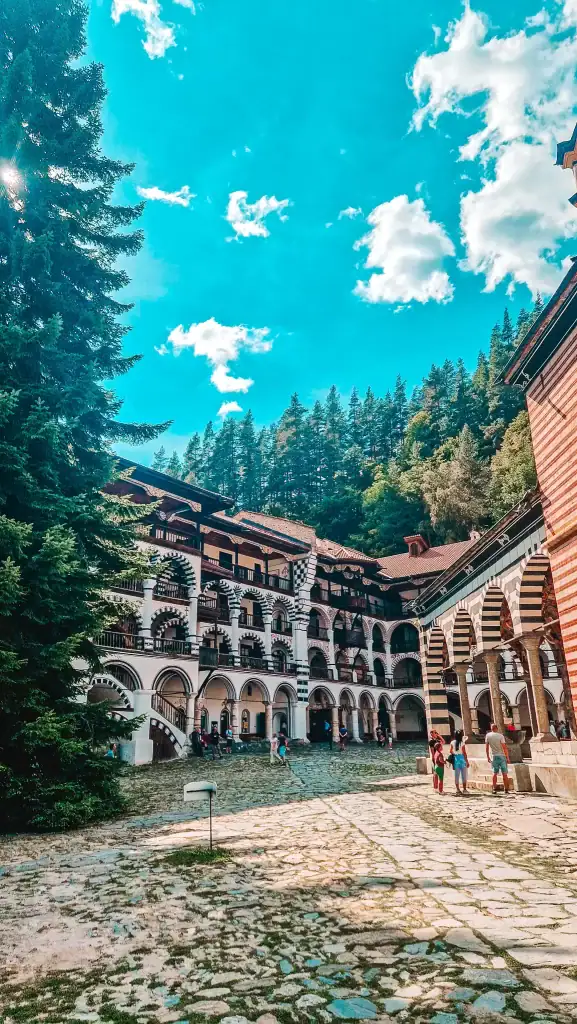
- See the frescoed arches and striped façade – the main church at Rila has gorgeous and unusual frescoes, painted in the 19th century after a fire destroyed the earlier church. The frescoes depict famous Bible stories, while inside the church itself lie the remains of the founder, St Ivan.
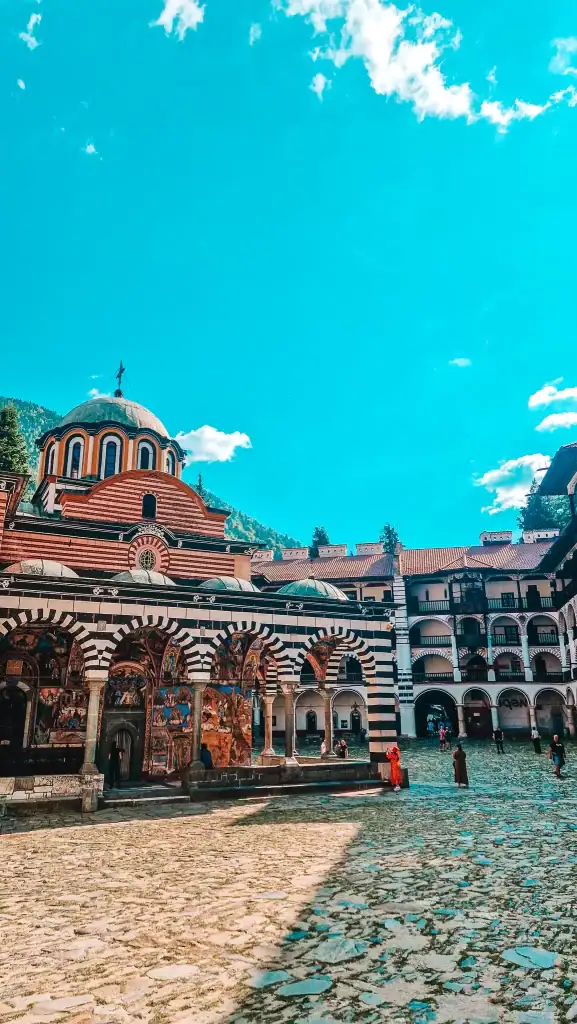
- Visit medieval tower and soak up the mountain atmosphere – the medieval clock tower in the centre of the complex is the only building which escaped the fire in the 1830s, and dates from the 13th century. The monastery is surrounded by mountains and pine forests, making it a serene escape despite the fact that it’s Bulgaria’s most popular tourist attraction.
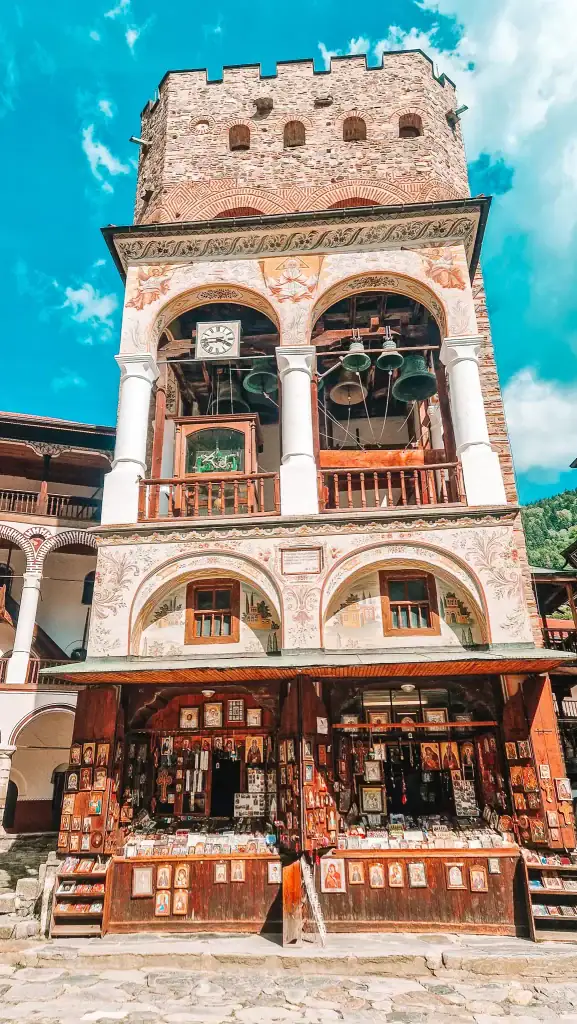
- Try mekitsi, traditional fried dough pastries best enjoyed with powdered sugar or jam, at the bakery behind the monastery – these traditional Bulgarian breakfast pastries have become a deliciously important part of any trip to Rila
- Guided tour or DIY: guided tour – the monastery is in a remote area of the mountains and public transport isn’t an option
- How to get there: Best reached from Sofia — but day tours from Plovdiv are possible with long hours
- Time needed: Long day (or combine with overnight in Sofia)
- Read more: Rila Monastery Guide →
🏰 Veliko Tarnovo – Bulgaria’s Medieval Capital
Why go: Once the capital of the Second Bulgarian Empire, Veliko Tarnovo is a city of hilltop fortresses, cobbled lanes, and sweeping river views. Its dramatic location and layered history make it one of Bulgaria’s most photogenic and fascinating towns.
What to do:
When I visited Veliko Tarnovo, there was an orange weather warning for rain — but even through the downpour, the city’s beauty shone through! That did limit what I could see, but these are the highlights I’d recommend:
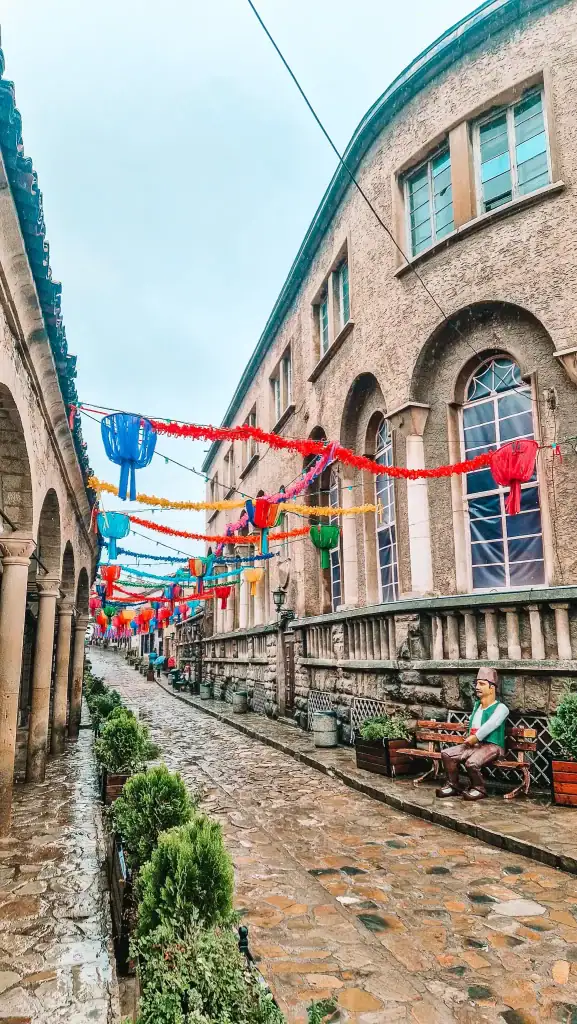
- Wander the crafts street of Samovodska Charshiya – this charming cobbled street was the highlight of my visit. It’s lined with traditional workshops and local artisans selling everything from pottery and lace to handmade soaps and sweets. Even in the rain, it’s one of the most atmospheric places to buy thoughtful Bulgarian souvenirs.
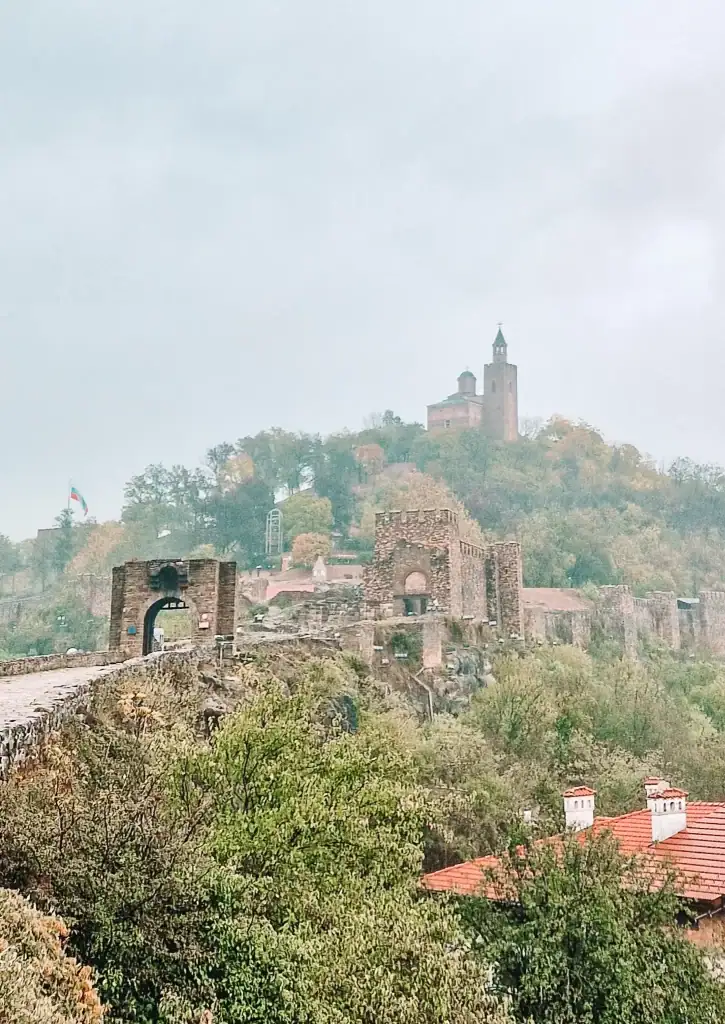
- Climb to Tsarevets Fortress – the town’s star attraction, this medieval stronghold dates back to the 12th century and served as the seat of Bulgaria’s tsars. Perched high above the Yantra River, it offers panoramic views across the valley. If you’re visiting, stop for coffee at Boyar Food Art, whose floor-to-ceiling windows overlook the nearby Trapezitsa Fortress.
- Visit the museums – Veliko Tarnovo is packed with small, interesting museums. The Sarafkina House Museum offers an excellent ethnographic exhibition, while the Archaeological Museum gives great context to the city’s medieval past. I’d skip the Museum of the Revival and Constituent Assembly, which currently has almost no English information.
- Guided tour or DIY: Guided tour, buses aren’t at good times.
- How to get there: Veliko Tarnovo is around 3–3.5 hours from Plovdiv by bus, slightly longer by train. Buses are more frequent from Sofia than from Plovdiv — in fact, there’s only one direct bus daily from Plovdiv, departing around 8:30am from the North Bus Station (tickets can’t be booked in advance). The return timings aren’t ideal for a day trip, so I recommend visiting by car or guided tour instead.
- Time needed: At least a full day, but ideally stay overnight to enjoy the views once the crowds have left.
- Coming soon: I’ll be publishing a full Veliko Tarnovo travel guide soon — including tips on the best hotels, restaurants, and secret photo spots!
Prefer someone else to handle the logistics?
You can browse top-rated Plovdiv day trips on GetYourGuide below
🎒 Packing Tips
Planning to day trip while you’re in Plovdiv? Don’t forget:
- Refillable water bottle – Bulgaria is full of public water fountains, and some even have healing properties (like in Hisarya). Bring a refillable water bottle to avoid having to buy plastic.
- Power bank – your phone won’t survive a full day of taking photos in these beautiful spots. Make sure you have a lightweight power bank to charge up so you don’t miss out.
- Selfie stick – get those all-important selfies with the exact version I use
- Packable Rain Jacket – Lightweight, great alternative to umbrellas if you’re travelling in spring or autumn
- Snacks – especially useful in areas where food options are limited around midday
- Cover up – bring a scarf or jacket to cover your shoulders at monasteries like Rila or Bachkovo

Where to Stay in Plovdiv
There are two main areas to stay in Plovdiv – and both have their charms. Stay in the Old Town for a chance to sleep in a historic house and to be close to all the best historic sites, or stay in central Plovdiv, around the pedestrian street and Kapana, to be right in the centre of the action. If you do choose to stay in the Old Town, be prepared for steep walks to and from your hotel!
Use the interactive map below to find the best spot for you.
Old Town:
- Guest House Old Town – right in the heart of the Old Town, this budget guest house offers options ranging from dorms to private rooms with shared bathrooms, all in a historic house ✨9.1/760+
- Villa Flavia Heritage Boutique Hotel – a 3* hotel right by the Old Theatre, which includes an exceptional breakfast, sun terrace and even has Roman ruins underneath!✨ 9.9/1.2k (the highest rating I’ve seen for a hotel in over a year of travel)
- Gallery 37 Powered by ASTON – provides a 5* experience in the Old Town, and offers an excellent breakfast, all in a central but quiet location. ✨9.5/900+
Central Plovdiv:
- Guest House Fun and Rest – this budget guest house is right in the centre of Plovdiv. Rooms offer a washing machine – fantastic if you’re travelling for longer than a few days ✨9/200+
- Plovdiv City Centre Hotel – another great central location, right on the main street. Despite that, it offers a peaceful stay, with modern rooms and tea and coffee making facilities ✨9.5/2.8k+
- Soho Apart House – apartment-style accommodation near the centre with kitchens, sofas and Netflix! ✨9.4/1.4k+
Plovdiv Day Trip FAQs
Can you do day trips from Plovdiv without a car?
Yes! Hisarya and Bachkovo/Asen’s Fortress are accessible by public bus, which makes them feasible as a day trip. Further away spots like Koprivshtitsa and Veliko Tarnovo are reachable by public transport, but timings mean this doesn’t work out well for a day trip (overnight is better). Rila and the Wonderful Bridges are best visited via tour or rental car.
How do I find out about public transport from Plovdiv?
For trains from Plovdiv (particularly use for Koprivshtitsa), finding out timetables and prices is easy via the official Bulgaria Trains website.
For buses from Plovdiv, it is much more difficult to find out times. Bus stations do not always have this information available and staff don’t always speak English, and the information online is not reliable. The best option is to ask the staff in Plovdiv’s tourist information offices (there is one in the Old Town and one by Djumaya Mosque).
What are the most popular day trips from Plovdiv?
Bachkovo Monastery, Asen’s Fortress, and Hisarya are popular with locals and tourists alike. Rila is iconic, but it’s a longer journey.
Is Rila Monastery closer to Sofia or Plovdiv?
It’s closer to Sofia — so if you’re planning to visit Rila, consider staying overnight in the capital or catching a day tour from there.
What’s the best scenic day trip from Plovdiv?
The Asen’s Fortress + Wonderful Bridges combo offers the best mix of history and nature in one day.
Are there guided tours to these places?
Yes — you’ll find options for day tours to Bachkovo, Asen’s Fortress, and Rila on platforms like GetYourGuide and Viator.
Whether you’re hiking up fortress walls, marvelling at monastery frescoes, or soaking in Roman springs, these day trips show that Plovdiv isn’t just a city to stay in — it’s a gateway to Bulgaria’s most unforgettable stories.
Take it slow, look a little deeper, and you’ll find that even a single day trip from Plovdiv can feel like travelling centuries in time.
👉 Keep planning your Balkans trip with my free Culture-First Balkans Travel Guide, packed with weekend getaways and cultural gems across Bulgaria, North Macedonia, Albania and beyond.
✈️ Related Reads to Keep Planning
- 🏛️ Things to Do in Plovdiv – local ruins, street art, and cultural gems
- 🍰 Best cafes in Plovdiv – best cafes for specialty coffee, relaxing and sweet treats
- ☕️ Remote Work Cafés in Plovdiv – laptop-friendly places to set up base
- 🏘️ Best things to do in Koprivshtitsa – full guide to this colourful town
- 🏙️ 2 days in Sofia – find out how to explore Bulgaria’s capital
- 🏙️ Day trip to Rila Monastery and Melnik from Sofia – my full guide to visiting Rila
- 🕌 The most impressive religious landmarks in the Balkans – both Rila and Bachkovo are in my guide to the most fascinating religious monuments in the Balkans – find out the others in my guide!
Em is a writer and slow travel enthusiast who spent six weeks exploring Bulgaria, including a month based in Plovdiv. She shares culture-first travel guides that dive deeper than the usual itineraries — ideal for curious travellers who want to explore beyond the city limits.
✅ All photos featured on this blog are from my personal travel experiences. No stock images are used.


