 Em
Just so you know: This post contains affiliate links. As an Amazon Associate, I earn from qualifying purchases. I may also earn a small commission if you book a tour, hotel, or buy something else through these links. It helps me keep this blog running and full of travel tips. Thanks for your support!
Plovdiv is often called Europe’s oldest continuously inhabited city, but what struck me most when I spent a month here in September 2025 was how vibrantly alive it feels today. Roman theatres sit beside Ottoman mosques, cobbled streets wind past brightly painted Revival-era houses, and creative energy pulses through the cafes and street art of the Kapana district.
All photos featured on this blog are from my personal travel experiences.
If you loved the murals in Sofia, you’ll find Plovdiv has its own playful, colorful take on urban art — tucked into alleyways and spilling out of cafes in the creative quarter. Add in leafy parks, quirky museums, and panoramic views from the city’s seven hills, and you’ve got the perfect mix of history and modern culture.
In this guide, I’ll walk you through the top things to do in Plovdiv, from ancient ruins and quirky museums to cafes, day trips, and travel tips — all based on a full month of living here.
📚 If you’re the kind of traveller that likes to read about a country before you visit, check out my best books about Bulgaria.
Planning a culture-first Balkans trip?
Grab my free Culture-First Balkans Travel Guide — packed with weekend-worthy destinations from Bulgaria to Albania.
And if you’d prefer someone to build a personalised itinerary for you — tailored to your time, interests, pace, and travel style — I also offer custom trip planning, including wider Balkan routes.
Practical tips: Plovdiv’s Combi Ticket & Closing Days
Combi ticket
Many of Plovdiv’s key historic sites are included in the Ancient Plovdiv Combi ticket. While there are various combi tickets on offer, the most common is the 5 location ticket for 21 BGN.

This gives you access to any five of the sites on the ticket for a period of 48 hours. Given that the sites are all 7 BGN to enter separately, this is a great deal. It’s available from any of the sites included in the ticket.
Top tip: If your stay in Plovdiv exceeds 48 hours, plan your route in advance to make the most of your combi ticket.
Opening and closing hours
Like many countries in the Balkans, museums and attractions in Plovdiv are often closed on a Sunday, including some of those on the combi ticket. Others will close on Sundays. Bear this in mind when planning your activities, especially the 48 hour combi ticket, to avoid missing out on attractions you want to visit.
Wander Through Plovdiv’s Old Town
Practical tips:
- Wear comfy shoes with good grip – the cobblestones aren’t great for walking!
- If you’re tight on time, or really want the historic context, try this highly rated walking tour ✨ 4.3/22+ reviews
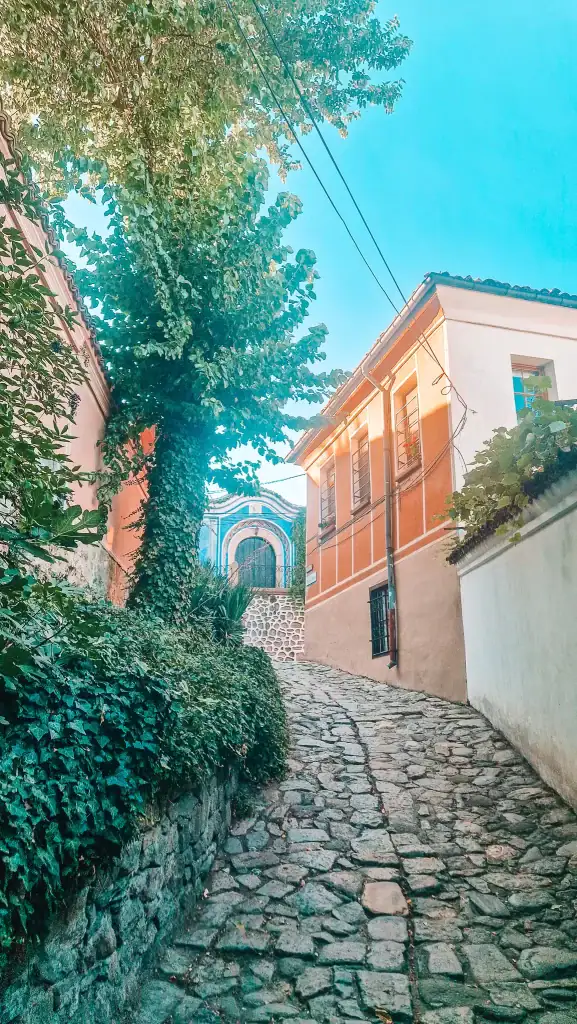
The absolute first thing to do in Plovdiv is to explore the dreamy Old Town. Primarily dating from the Bulgarian National Revival period of the 18th–19th centuries, this beautiful part of the city is a haven of cobbled alleys and beautiful houses, with Roman ruins thrown in for good measure. While just wandering around is a treat, some of my favourite sights include:
- Plovdiv Regional History Museum (on combi ticket): In a historic house in the centre of the Old Town, the regional history museum offers an ethnographic area on the first floor (I loved the traditional cafe scene) before deep diving into Plovdiv history upstairs. This focuses on the role the city played in the Bulgarian Revolution, so it’s a great way to orient yourself in the country’s history.
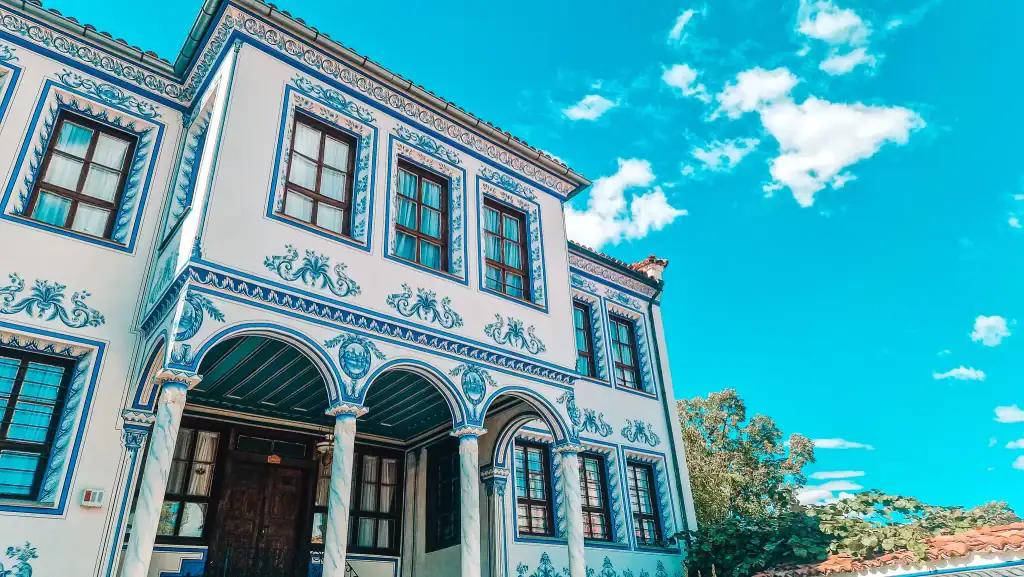
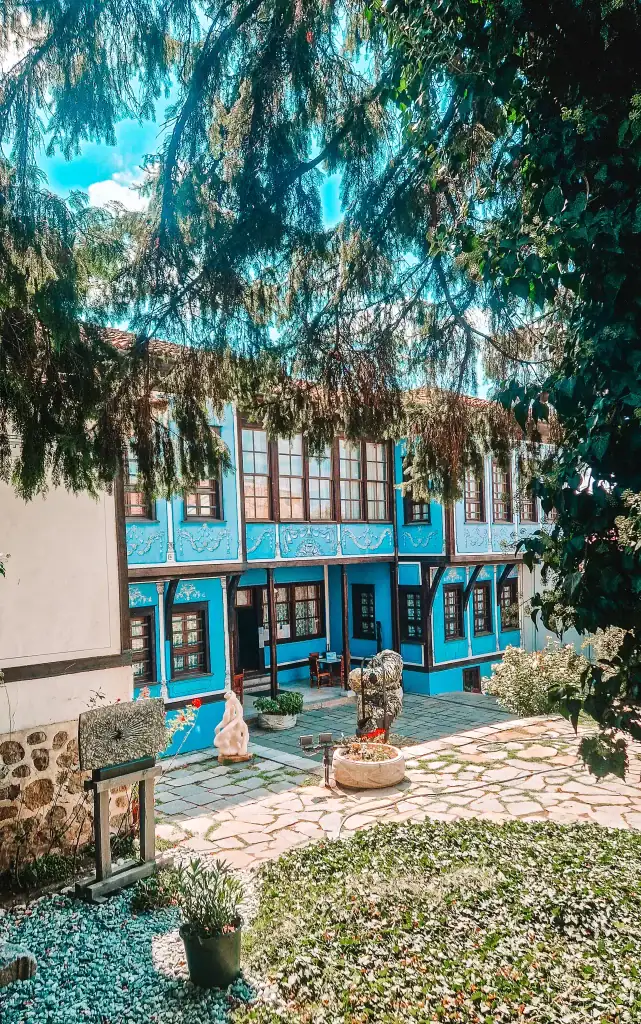
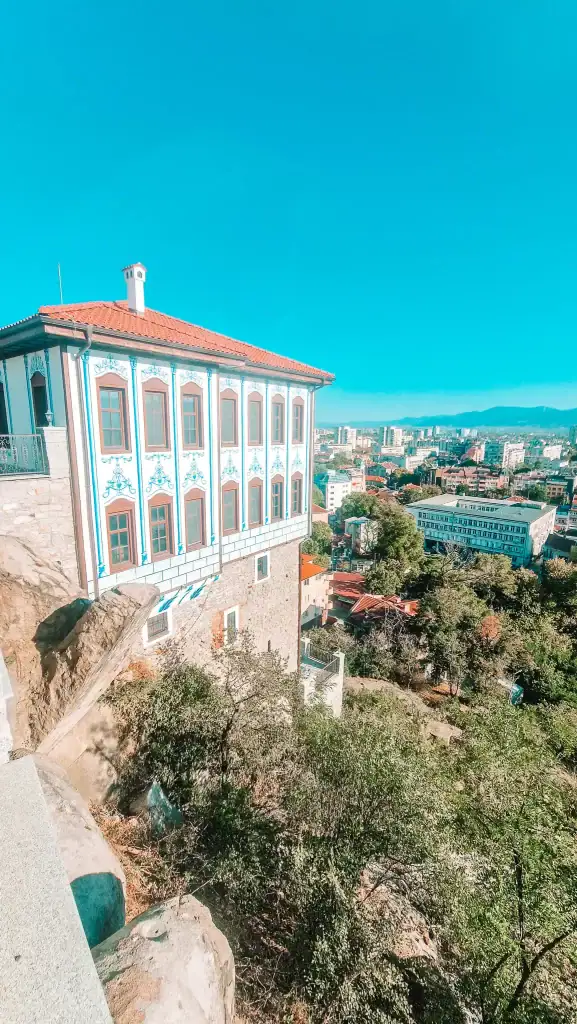
- Explore Plovdiv’s Bulgarian Revival Architecture at the Balabanov, Hindliyan and Kilanti Houses (on combi ticket): These incredible houses are some of the most famous examples of Bulgarian Revival Architecture in Plovdiv. Created in the 19th century to reflect growing Bulgarian national pride and opposition to the Ottoman Empire, Bulgarian Revival houses are colourful and ornate, and these two houses are no exception. While all are beautiful and feature displays showing how residents would have lived in the 19th century, the Hindliyan House was the jewel for me. Hidden away, this stunning blue house is found in a peaceful courtyard, and features gorgeous pastel murals, including of the Rialto Bridge in Venice.

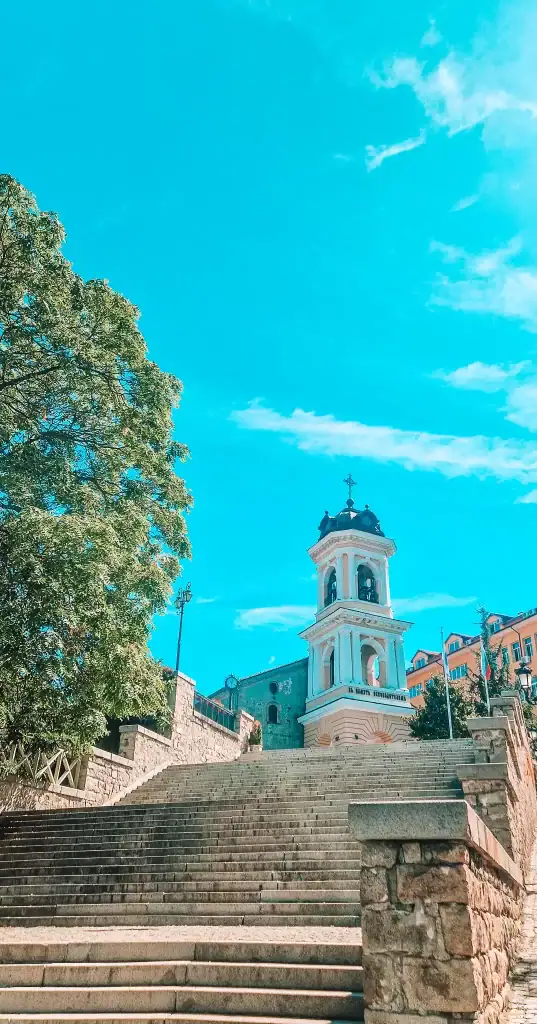
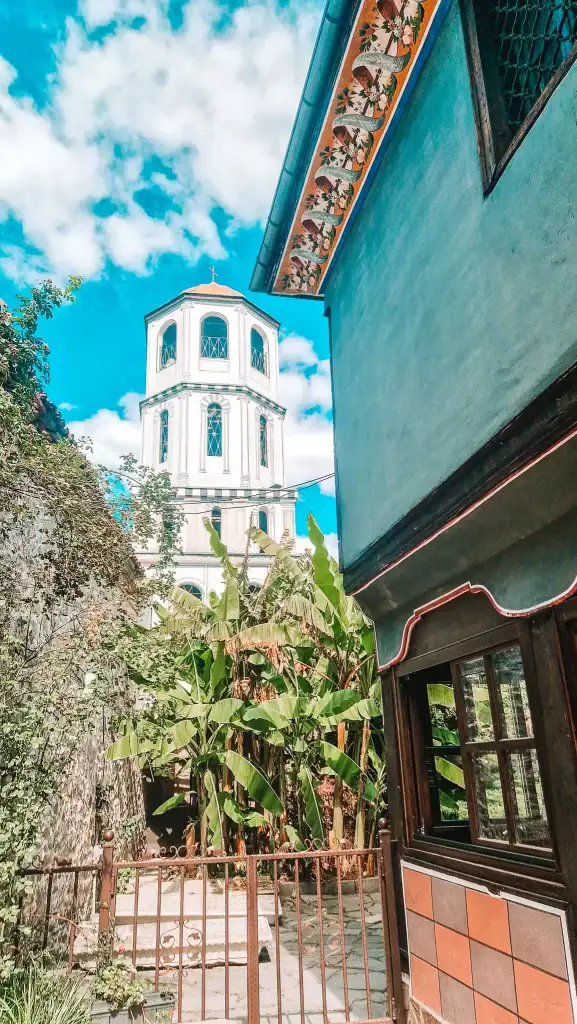
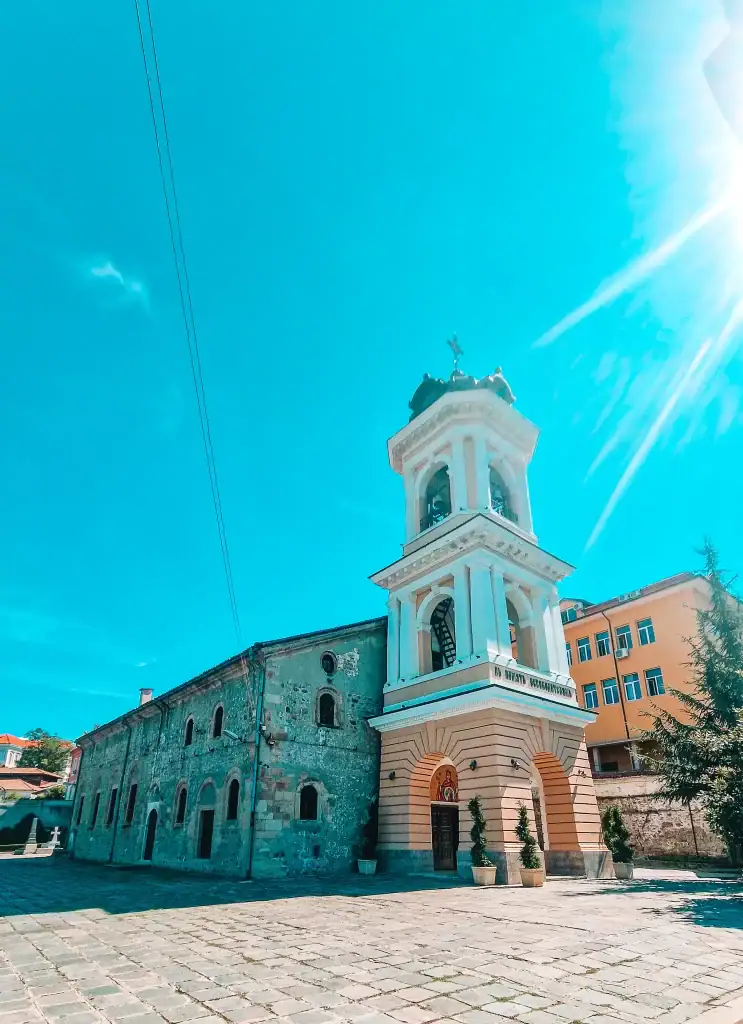
- Visit Plovdiv’s historic churches (free to enter) – there are many beautiful Orthodox Churches to admire in Plovdiv, mainly in the Old Town. Check out the Church of St Constantin and Helena, one of Plovdiv’s oldest churches which originally dates to 337 AD, and symbolises the city’s deep Christian roots and enduring spiritual heritage. Just on the edge of the Old Town is the Church of the Holy Mother of God. Climb the dramatic staircase leading to the church, which was originally rebuilt in the 9th century but rebuilt in the 19th, when it played a pivotal role in Bulgaria’s national revival and the struggle for ecclesiastical independence. In 1859, it became one of the first churches in the country to use Bulgarian instead of Greek during services — a bold political statement at the time.
👉 If you’re fascinated by religious buildings in the Balkans, check out my guide to the best churches, mosques and synagogues across the region (coming soon).
- Pose for a photo under the Hisar Kapia Gate – This gate was built in the 11th century on the foundations of an earlier Roman gate and once served as one of the three main entrances through Plovdiv’s medieval fortress walls. Today it’s a landmark blending Roman, Byzantine, and Ottoman history, and a very popular photo spot!

- Explore Plovdiv’s artisan past in the Street of Crafts – this tiny alley is easily missed if you’re not looking for it, but it’s well worth taking the time to find. Wander down the alley to explore different workshops based around Plovdiv’s traditional crafts, from pottery to candlemaking, and find a meaningful gift to take home.

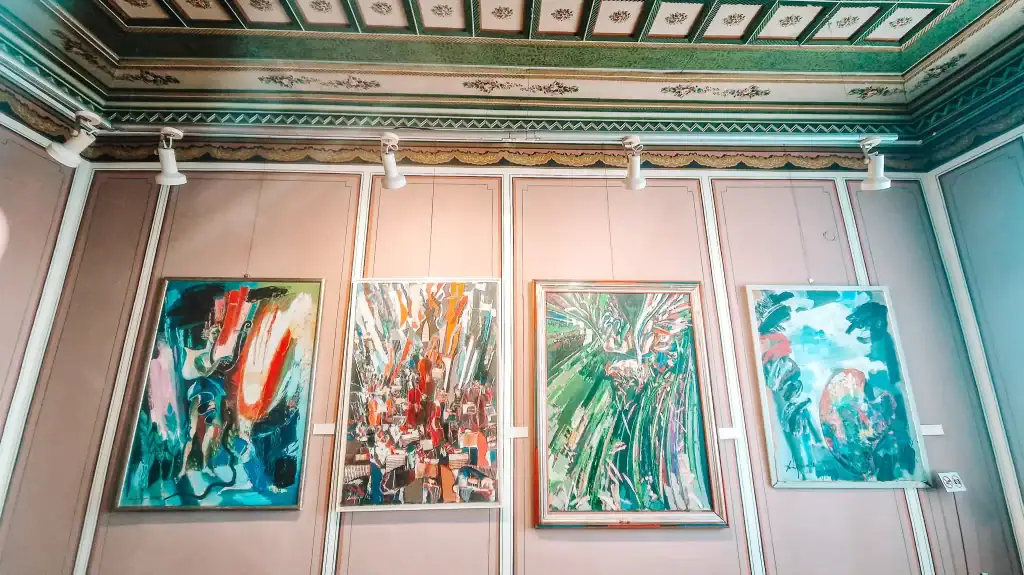
- Soak up the work of Plovdiv’s most famous artist at the Veren Stambolyan House (on combi ticket) – another of the historic houses on the combi ticket, the Veren Stambolyan House houses the work of Dimitar Kirov (1935-2008), one of Bulgaria’s most famous modern artists. His work is colourful and interesting, and a must-visit if you’re interested in modern art. However, for me it was the house itself that stood out – a gorgeous white and blue structure that is undoubtedly one of the most beautiful in the city.
👉 Ready for a cafe after all your exploring? Check out my guide to Plovdiv’s best cafes for relaxing.
Discover the Roman Ruins Beneath the City
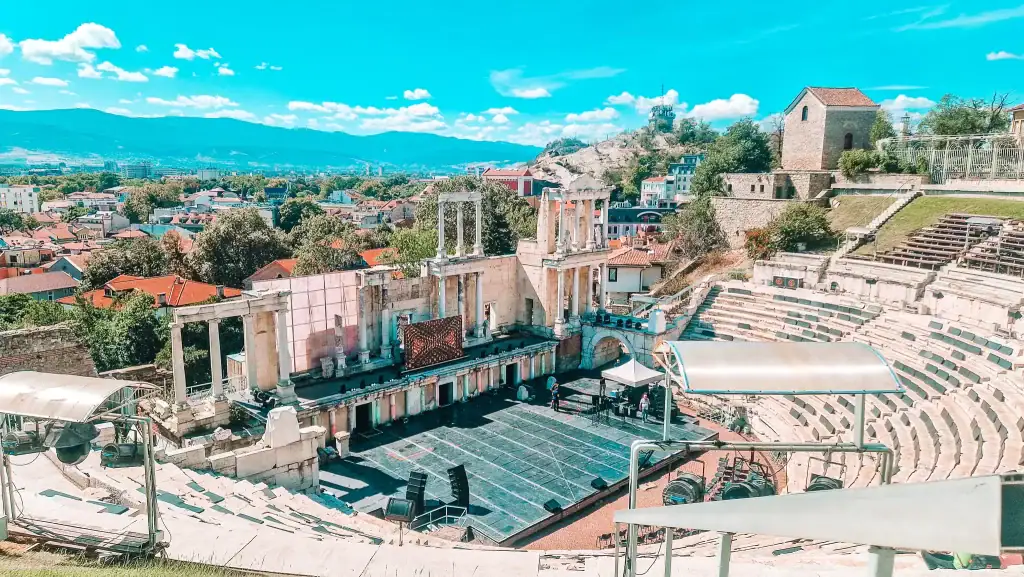
- Roman Theatre (on combi ticket): like the amphitheatres found in Ohrid and Bitola, North Macedonia, this is a stunning example of a Roman amphitheatre and thought to be the oldest in the Balkans. Like the one in Ohrid, it is still used today for concerts and plays. My honest opinion: while you can use one of your five combi ticket options to enter, I’m not sure it’s worth it – you still get a great view of the amphitheatre from outside the gate. Save your combi ticket for places where entry offers something you can’t see from outside.
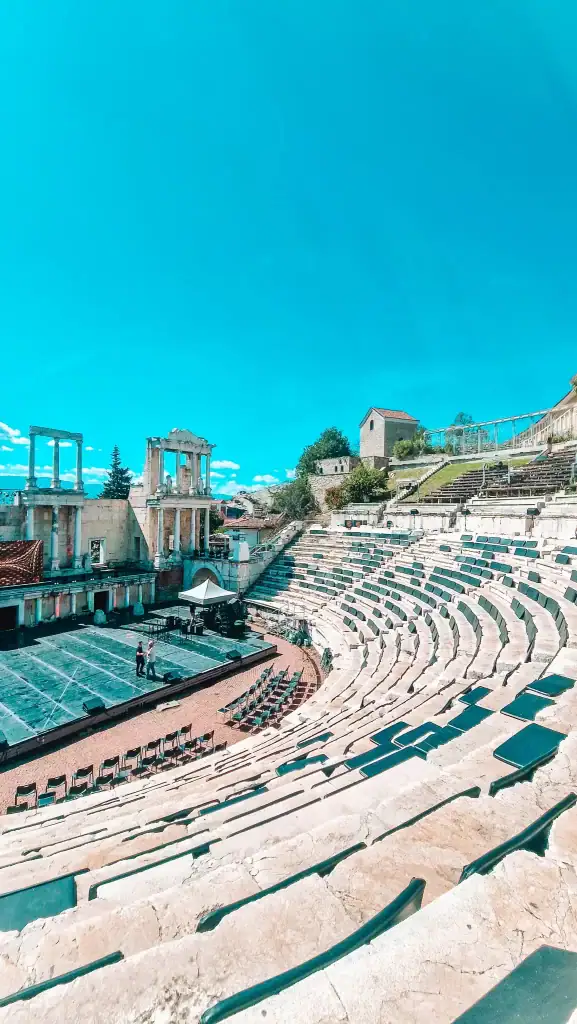
- Visit the Roman Stadium (free to enter or 3D film on combi ticket) under Dzhumaya Square, and have a coffee in the cafe overlooking the ruins. The Ancient Stadium of Philippopolis once held up to 30,000 spectators and is one of the largest Roman stadiums in the Balkans. Today, you can wander inside for free, or pay to watch a 3D reconstruction of a typical event.

- Keep your eyes peeled for other examples of Roman ruins – while the Roman Stadium and the Amphitheatre are the most spectacular, Plovdiv is absolutely full of Roman ruins – even H&M has some! Some of the best examples are the Roman Forum near Tsar Simeon Gardens, or the small museum underneath H&M (seriously). While this is included in the Combi Ticket, you can spot elements of the ruins from the stairs while shopping!
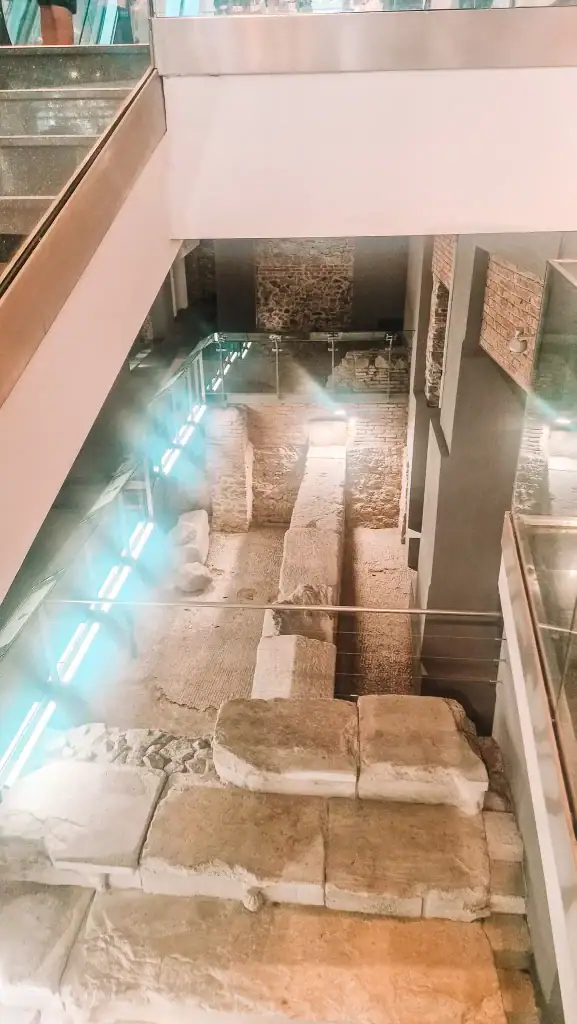
If you want to learn more about Plovdiv’s Roman history, the best way is to visit the Regional Archaeology Museum – see below.
👉 Interested in more ancient ruins in the Balkans? Don’t miss Heraclea Lyncestis in Bitola, North Macedonia — a hidden gem packed with Roman mosaics and history.
Relax in Tsar Simeon Garden
Undoubtedly the most peaceful and relaxing space in Plovdiv is the Tsar Simeon Gardens at the end of Rayko Daskalov Street, Plovdiv’s main pedestrian boulevard.
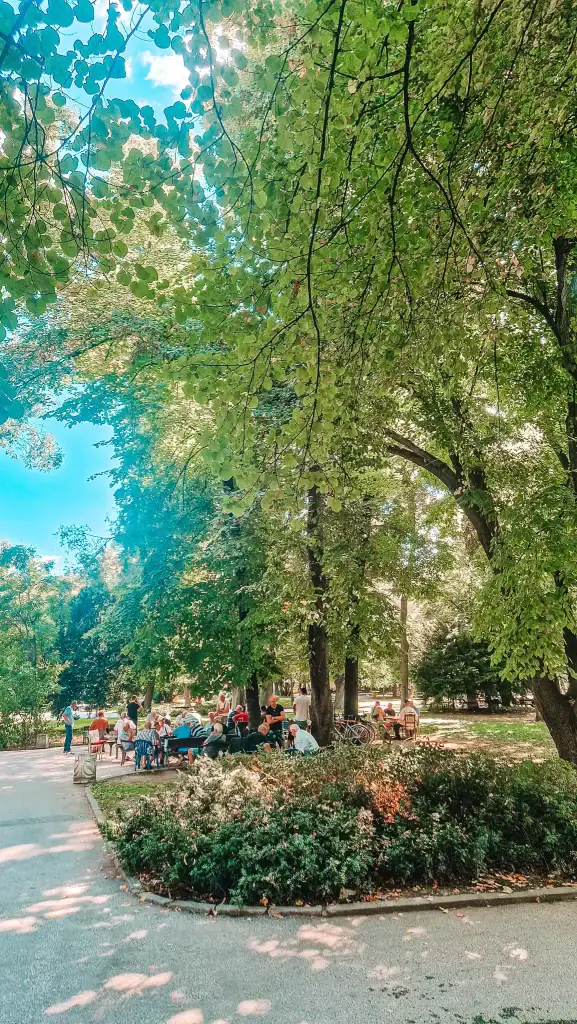
These beautiful gardens have one major attraction: the Singing Fountains, which put on a show during the evening at 9pm (Thursday-Sunday). However, it’s definitely worth visiting the gardens during the day. While they’re peaceful, they’re very much a part of Plovdiv life, and you’ll see families strolling, young people smooching and old men playing chess.
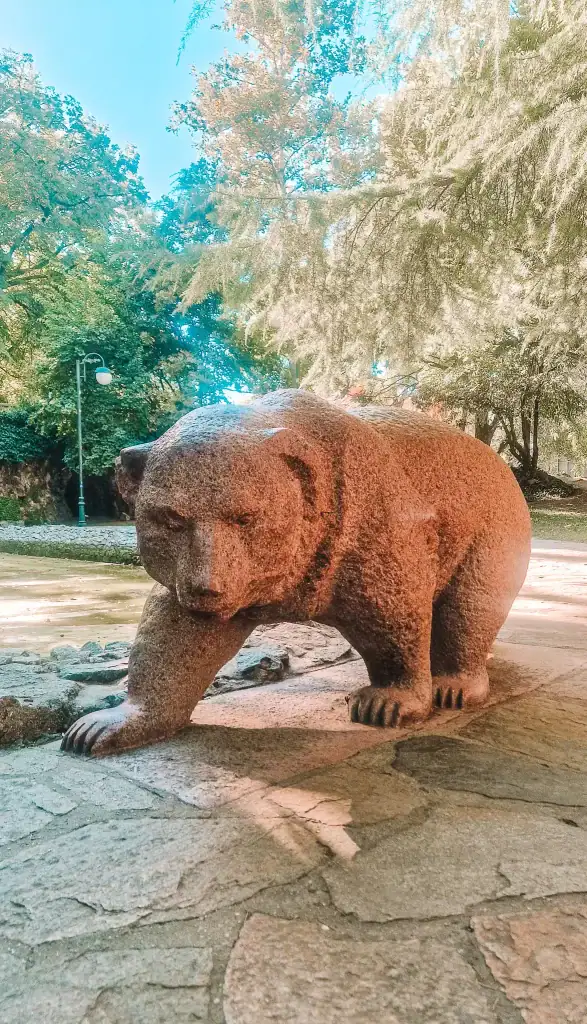
There’s a restaurant right by the Singing Fountains, which makes for a gorgeous lunch spot, or simply settle onto one of the many benches to watch the world go by.
Explore the Quirky Side of Plovdiv
- Have a traditional Plovdiv pastry
Founded in 1972, the Piroshka pastry shop on the main pedestrian street in Plovdiv has been a fixture of city life ever since. It still offers the same pastry that made it famous – Plovdiv’s Piroshki! These delicious breakfast pastries are a bit like cylindrical doughnuts, filled with apple jam. While you’re there, try Boza – a slightly sweet, thick, and tangy beverage made from fermented grains that is very popular in Plovdiv. It’s low in alcohol (usually under 1%) due to the natural fermentation process.
This is a quick and cheap must-do while you’re in Plovdiv – so famous that it’s even mentioned in Fantasy the Non-Museum, below!
- Fantasy the Non-Museum
Cost: €12.50
This unique museum is like nothing else I’ve visited on my travels. Centrally located on Rayko Daskalov, the museum is mostly aimed at families, but I certainly wasn’t the only child-free adult enjoying it when I visited. It aims to provide an accessible and interactive guide to Plovdiv’s history, with lots of hands-on exhibits.
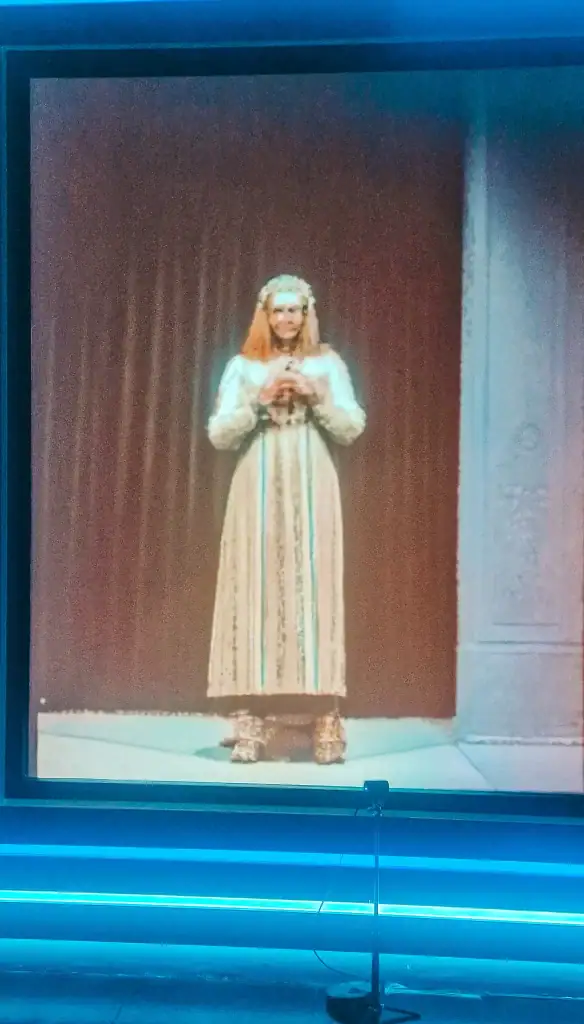
My favourites included a screen that showed you what you’d look like in traditional dress from different periods of Plovdiv’s history, and the little hints about Plovdiv culture around the museum, like traditional Plovdiv slang or pastries.
While I thought €12.50 was a bit steep for entry, I did very much enjoy my visit!
- Find out about Plovdiv’s many events
During the month I spent in Plovdiv, it felt like there was always something happening. Plovdiv was Europe’s 2019 City of Culture, and as a result, it has a tradition of festivals and street events. During my time in Plovdiv, I found Urban Wine Festival, the Kapana Music Festival and Street Market (which wasn’t in Kapana), and didn’t find out in time to visit the Beerland Craft Beer Festival (devastating).

I also spotted a small honey market one Saturday, with 5 or so stalls selling different honey-related products (including soaps, lip balms and candles as well as honey itself).
The best place to find out what’s on in Plovdiv during your stay is via the official Visit Plovdiv website.
- Get your photo taken in authentic Bulgarian folk costumes
Cost: c. €16 for a basic package, extra for additional prints
While you’re in the Old Town, pop in to Retro Photo Old Plovdiv for a unique experience. This small photo studio has collected authentic Bulgarian folk costumes, and offers you the chance to try them on and have your photo taken.
Stroll Along Rayko Daskalov Street
Rayko Daskalov Street is the absolute heart of Plovdiv – to the extent that I found myself there nearly every day during the month I lived in the city. It’s a long pedestrian boulevard lined with shops, cafes and restaurants, which is popular with people taking a stroll, but also links almost all the other parts of the city.
While it’s only minutes away from Kapana and the Old Town on one side, Tsar Simeon Gardens at the end and a hive of cafes and shops on the other side, my favourite part of Rayko Daskalov was dead in the middle.
This area has the gorgeous Djumaya Mosque, surrounded by palm trees that make you feel like your in another world. And just further up the road, there’s an intersection just filled with fast food snack windows. This is by far the best place in Plovdiv to find to-go snacks like banitsa (typical Bulgarian cheese pie) and flatbreads, or even a slice of delicious pizza.
Experience the Buzz of Kapana Creative District
Just to the east of Rayko Daskalov is Kapana, Plovdiv’s most vibrant area. This warren of side streets is crammed with restaurants, bars, cafes, art galleries and craft shops. It’s also the home of Plovdiv’s street art scene, and many buildings are covered in colourful murals.

This area is best explored in late afternoon and evening, as the restaurants are coming alive. I’ve listed some of my favourite cafes in my guide to the best cafes in Plovdiv, but one unique option is the Central Perk Friends-themed cafe, which has a variety of Friends-style chairs to relax in after your exploring.
If you want something a bit stronger, Cat & Mouse for craft beer, Branko Rakia for a true Bulgarian experience, or Barrel Wine Corner for delicious Bulgarian wine.
👉 Kapana is also popular with Plovdiv’s community of digital nomads – if that’s you, check out my guide to Plovdiv’s best spots for remote working.
Visit Plovdiv’s Archaeology Museum
Cost: 8 BGN (4 BGN until the refit is complete at the end of November 2025)
If it’s not already obvious, Plovdiv is an archaeology heaven, with human occupation dating back many thousands of years. While you can see a lot of ancient buildings just wandering around town, to see the items residents would have used you’ll need to visit Plovdiv’s excellent Archaeology Museum.
Helpfully located at the top of Rayko Daskalov Street, this building hosts treasures from across the many cultures who have called Plovdiv home. Unfortunately when I visited in early October 2025 the main Thracian Treasures display was closed for a refit, but I still got to enjoy the rooms focusing on prehistoric Plovdiv (and entrance was half price!). There are incredible artefacts dating back over 10,000 years – not just the usual arrowheads but incredible decorated pottery and sculptures as well. Visiting really helps to put Plovdiv’s long history into context.
Day Trips from Plovdiv
If you’ve got a few days in Plovdiv, it also serves as a great base for exploring the surrounding area. There are a number of popular day trips, including:
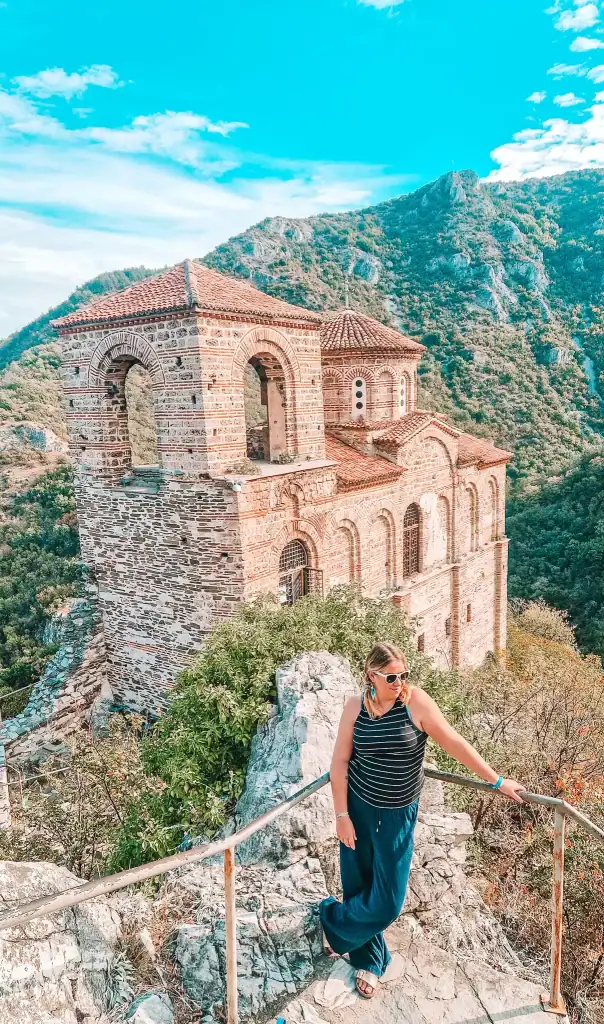
- Asen’s Fortress, Bachovo Monastery and the Wonderful Bridges – the most popular Plovdiv day trip takes you to the area’s fascinating history and beautiful nature.
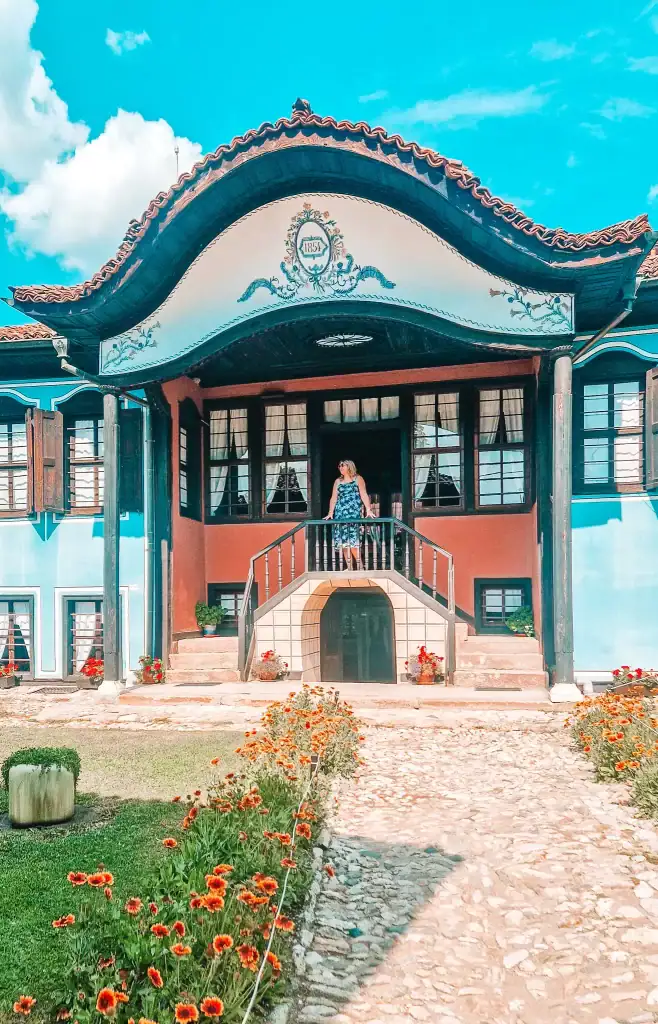
- Koprivshtitsa – Bulgaria’s colourful revolutionary town makes for a beautiful and historic day trip from Plovdiv. Check out my full guide to Koprivshtitsa here.
- Hisarya – this leafy Roman spa town is full of archaeological relics, but also has modern spa complexes so you can bathe in the healing waters, just like the Romans did
- Rila Monastery – while it’s more common to visit from Sofia, you can also take a trip to Sofia’s most stunning UNESCO-listed monastery from Plovdiv. Check out my full guide to Rila Monastery here.
Read my full guide to the best Plovdiv day trips here (coming soon).
Where to Eat and Drink in Plovdiv
The most buzzing and lively area to eat in Plovdiv is absolutely Kapana, where you’ll find food from a range of cuisines. There are great Bulgarian options, but also modern healthy food at Green Library, delicious mini-pancakes at Fluffy Pancakes and delicious Italian at La Cucina.
☕If you’re looking for somewhere to sit down and relax in Plovdiv, check out my guide to the best cafes in Plovdiv to find the perfect spot for you.
Where to Stay in Plovdiv
There are two main areas to stay in Plovdiv – and both have their charms. Stay in the Old Town for a chance to sleep in a historic house and to be close to all the best historic sites, or stay in central Plovdiv, around the pedestrian street and Kapana, to be right in the centre of the action. If you do choose to stay in the Old Town, note that you’ll always have to walk up and down hills when getting to your hotel!
Use the interactive map below to find the best spot for you.
Old Town:
- Guest House Old Town – right in the heart of the Old Town, this budget guest house offers options ranging from dorms to private rooms with shared bathrooms, all in a historic house ✨9.1/760+
- Villa Flavia Heritage Boutique Hotel – a 3* hotel right by the Old Theatre, which includes an exceptional breakfast, sun terrace and even has Roman ruins underneath!✨ 9.9/1.2k (the highest rating I’ve seen for a hotel in over a year of travel)
- Gallery 37 Powered by ASTON – provides a 5* experience in the Old Town, and offers an excellent breakfast, all in a central but quiet location. ✨9.5/900+
Central Plovdiv:
- Guest House Fun and Rest – this budget guest house is right in the centre of Plovdiv. Rooms offer a washing machine – fantastic if you’re travelling for longer than a few days ✨9/200+
- Plovdiv City Centre Hotel – another great central location, right on the main street. Despite that, it offers a peaceful stay, with modern rooms and tea and coffee making facilities ✨9.5/2.8k+
- Soho Apart House – apartment-style accommodation near the centre with kitchens, sofas and Netflix! ✨9.4/1.4k+
Practical Travel Tips
How to get to Plovdiv
Most people will come to Plovdiv from Sofia, and the journey is easy. There are two options – bus and train. Bus is quicker, but the train is cheaper, more comfortable and less likely to book up. Booking bus tickets is best done at the bus stations (or some might be available via Flixbus or other online providers), but you can book trains from the official Bulgarian train website.
Sofia’s Central Bus Station and Train Station are in the same location, and are on the Metro, with easy links from the Serdika II metro stop that’s the most popular in central Sofia.
If you’re arriving by air, Plovdiv airport is easily accessible. There are trains and buses to the city centre, as well as easy taxi options.
If you’re arriving from other destinations across Bulgaria, you’ll most likely arrive at either Plovdiv’s South Bus or Train Station. Like in Sofia, these are next to each other. They are about 30 minutes walk to the main part of Plovdiv (e.g. the top of Rayko Dashkalov) or there are easy city buses linking them to the centre. If you arrive into Plovdiv’s North Bus station (e.g. from Veliko Tarnovo), then this is also connected by bus to the centre of Plovdiv.
How to get around in Plovdiv
Plovdiv is a very walkable city, and most of the recommendations in this guide are in easy walking distance. However, if your feet are tired or you need to go a little further afield, the easiest way to get around in Plovdiv is via the city buses.
Plovdiv’s city buses link perfectly to Google Maps and the bus stops are easy to find – they say PLOVDIV in big letters. It’s also easy to pay for the bus – they cost 1 BGN. Sometimes you pay the driver and sometimes a conductor – look at what other passengers are doing to find out.
Taxis are also easy to use in Plovdiv. They are yellow, which makes them easy to spot if you want to wave one down – but beware that there are some reports of them overcharging tourists. While Uber doesn’t exist in Plovdiv, you can use Bolt instead, which offers similar features and helps you to avoid any scams.
When is the best time to visit Plovdiv
Like most European cities, Plovdiv is at it’s best in spring and autumn, where you’ll find warm temperatures and less rain. Summer sees very high temperatures, even compared to the rest of Bulgaria. While Plovdiv isn’t at its best in winter, it could make a good winter break as it stays warmer than the rest of Bulgaria.
Frequently Asked Questions
Is Plovdiv worth visiting compared to Sofia?
Yes! Sofia is Bulgaria’s capital and biggest city, but Plovdiv offers a more compact and atmospheric experience. It’s famous for its Roman ruins, colourful Revival-era Old Town, and the vibrant Kapana district. If you’re short on time, Sofia is more practical, and has more European budget flights, but if you love history, architecture, and creative neighbourhoods, Plovdiv is absolutely worth it.
Can you visit Plovdiv as a day trip from Sofia?
Yes — Plovdiv is about 2 hours from Sofia by bus or train, making it one of the most popular day trips. A day is enough to see the Old Town, Roman ruins, and Kapana, but staying overnight gives you time to enjoy the relaxed evening vibe once the day trippers leave.
Is Plovdiv safe for tourists?
Plovdiv is generally very safe for visitors. Like in any city, keep an eye on your belongings in crowded areas (especially around Rayko Daskalov Street). Solo travellers will find it welcoming and easy to navigate, and violent crime is rare.
How many days do you need in Plovdiv?
You can see the highlights in a single day, but two days is better if you want to explore museums, relax in Tsar Simeon Gardens, and enjoy the nightlife. I spent a month here and never ran out of things to do!
What is Plovdiv famous for?
Plovdiv is best known as Europe’s oldest continuously inhabited city. It’s famous for its Roman ruins (like the amphitheatre and stadium), its National Revival architecture, and the creative Kapana district. It was also named European Capital of Culture in 2019.
Whether you’re here for Roman ruins, colourful Revival houses, or the laid-back creative buzz, Plovdiv delivers a mix of culture and charm you won’t find anywhere else in Bulgaria.
I spent a full month here and was still discovering new corners right up until the end. Whether you’re visiting for a day or staying longer, you’ll find something to fall in love with — from the cobbled Old Town to the ancient ruins hiding under fast food joints.
And when your feet need a break? Plovdiv’s café scene is as strong as its history.
👉 Looking for the perfect spot to relax with a coffee? Explore my favourite local cafés — from vintage tearooms to speciality coffee shops.
👉 Need a laptop-friendly place to work while you’re in town? Here are the top coworking cafés and work-friendly spots I recommend.
✈️ Keep Planning Your Bulgaria Adventure
Ready to explore beyond Plovdiv? Whether you’re into revolutionary towns, mountaintop monasteries, or sleepy wine villages, Bulgaria is full of culture-rich experiences.
👉 Check out the best day trips from Plovdiv — including Hisarya, Rila Monastery, and Koprivshtitsa.
👉 Head to Sofia for 2 days of Ottoman architecture, Roman ruins, and modern street art – and while you’re there, take one of my recommended Sofia day trips.
👉 And find all of my Balkans travel guides on my Balkans hub.
💌 And don’t forget to grab your free Culture-First Balkans Travel Guide — with weekend-worthy destinations across Bulgaria, Albania, North Macedonia and Kosovo.
Send me the guide →
Em spent a month living in Plovdiv as part of a six-week adventure through Bulgaria. A passionate culture-focused traveller, she shares practical tips and honest insights to help others experience the city’s history, creativity, and charm.
✅ All photos featured on this blog are from my personal travel experiences. No stock images are used.


