
 Em
EmJust so you know: This post contains affiliate links. As an Amazon Associate, I earn from qualifying purchases. I may also earn a small commission if you book a tour, hotel, or buy something else through these links. It helps me keep this blog running and full of travel tips. Thanks for your support!
After living in nearby Wiltshire for several years, I’ve visited Bath more times than I can count — sometimes to tick off the must-see sights with visiting friends, other times just to wander and find something new. This guide brings you both: the iconic landmarks you can’t miss and the slightly unusual experiences that make the city unforgettable. Whether you’re here for a day, a weekend, or a longer stay, you’ll find practical tips, honest recommendations, and a few surprises to help you make the most of your time in Bath.

🎒 Quick Pack Picks for Bath
I’ve walked Bath’s cobblestones in all seasons — these are the 3 things I never visit without.
💡 Full Bath Packing List is here → See All Essentials
| Item | Why It’s a Must |
|---|---|
| 👟 Comfortable Walking Shoes | All-day comfort on uneven Georgian streets. |
| 📱 Handbag charger | Makes sure you don’t run out of battery before you see all the sights! |
| ☂️ Compact Travel Umbrella | Stands up to UK gusts, perfect for markets & walking tours. |
Is Bath worth visiting? (Local insights from a Wiltshire neighbour)
Yes — Bath is absolutely worth visiting for its blend of Roman history, stunning Georgian architecture, and vibrant cultural scene. From the iconic Roman Baths to hidden bookshops and riverside strolls, it offers a uniquely walkable, picturesque, and immersive experience for travellers year-round.
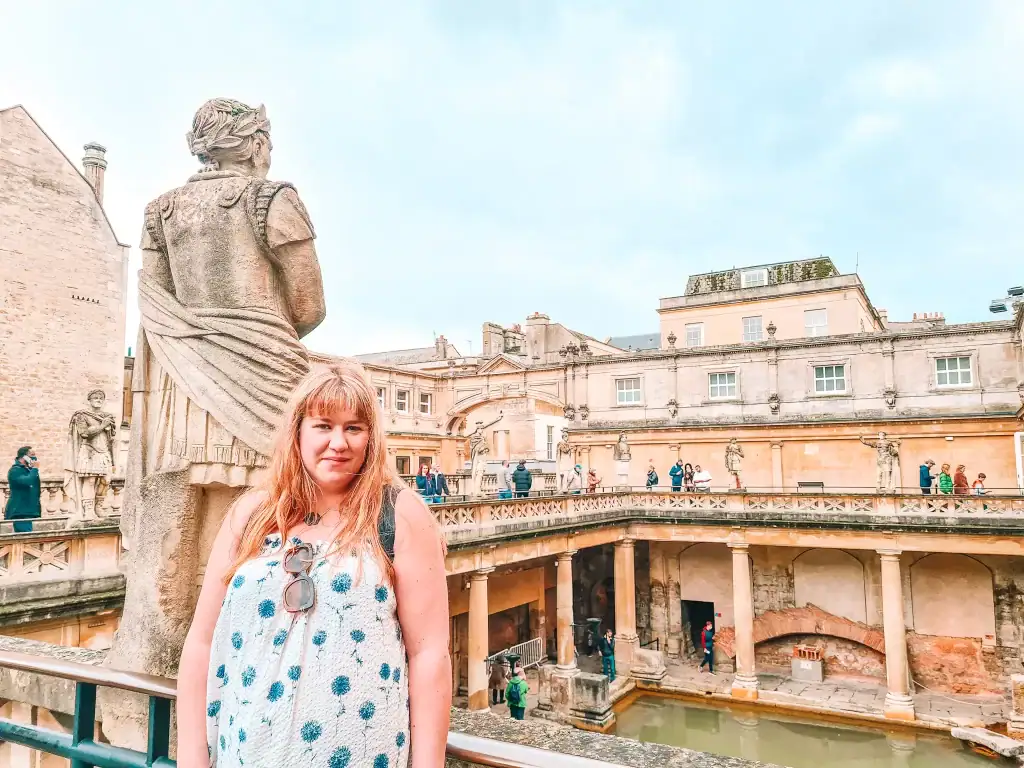
Bath has captured my heart over the years. Whether it’s the golden glow of the Georgian buildings at sunset or the simple pleasure of hearing a talk from an amazing author in a historic bookshop, this city offers experiences you won’t find in a typical guidebook. As someone who has explored Bath inside and out, I’m sharing my local’s guide to Bath to help you discover the very best of this remarkable place.

This travel guide will help you navigate the city like an insider, ensuring you make the most of your time in this beautiful and historic destination.
👉🏼 Book a day trip or a guided walking tour now to get your planning started!
How long should you spend in Bath? (Day trip vs. weekend guide)
Most visitors will enjoy Bath in 1–3 days. A single day is enough to see highlights like the Roman Baths and Bath Abbey, but a weekend allows time for walking tours, the Thermae Spa, and nearby attractions like Stonehenge without feeling rushed.
I love Bath, and I think it’s a great weekend getaway from other parts of the UK – especially if you’re visiting London. There’s plenty to do in the city to keep you occupied across a weekend – especially if you plan to visit the Thermal Baths. If you add on a day trip to the surrounding area – like this popular tour to the amazing Stonehenge – Bath would easily keep you occupied for a long weekend, like a Friday – Sunday or Saturday – Monday.
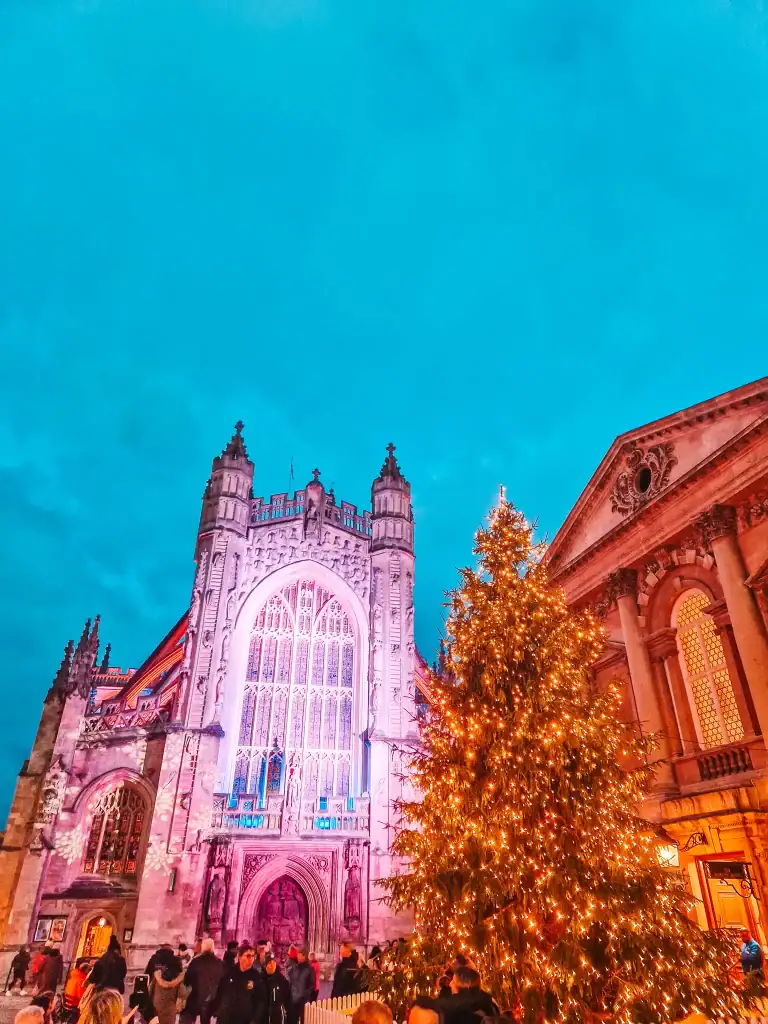
However, Bath is also a really popular day trip from London, and this is a great way to see the city if you’re short on time in the UK. A day trip like the incredibly popular option below will help you to see the city’s highlights efficiently while also taking you to Stonehenge, all while making the most of limited time in England.
Even better – with a guided day tour you avoid the vagaries of England’s terrible train system! This one regularly sells out for weekends, so check availability early.
1. Iconic Bath Experiences (Book Ahead!)
Use this interactive map to find all of my top Bath recommendations!
The Roman Baths – Bath’s must-see historic icon
Cost: £32 adult ticket
Facilities: modern museum including toilets and shop.
Accessibility: the website states that 90% of the museum is wheelchair accessible, but there are steps in a few areas due to the historic nature of the site
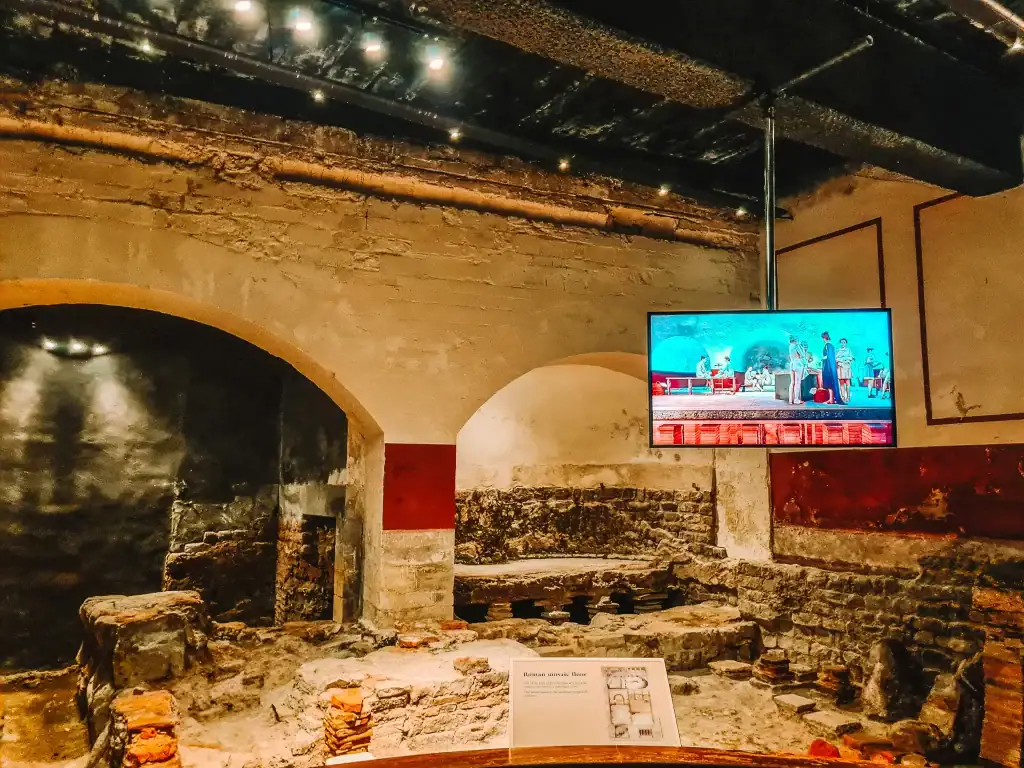
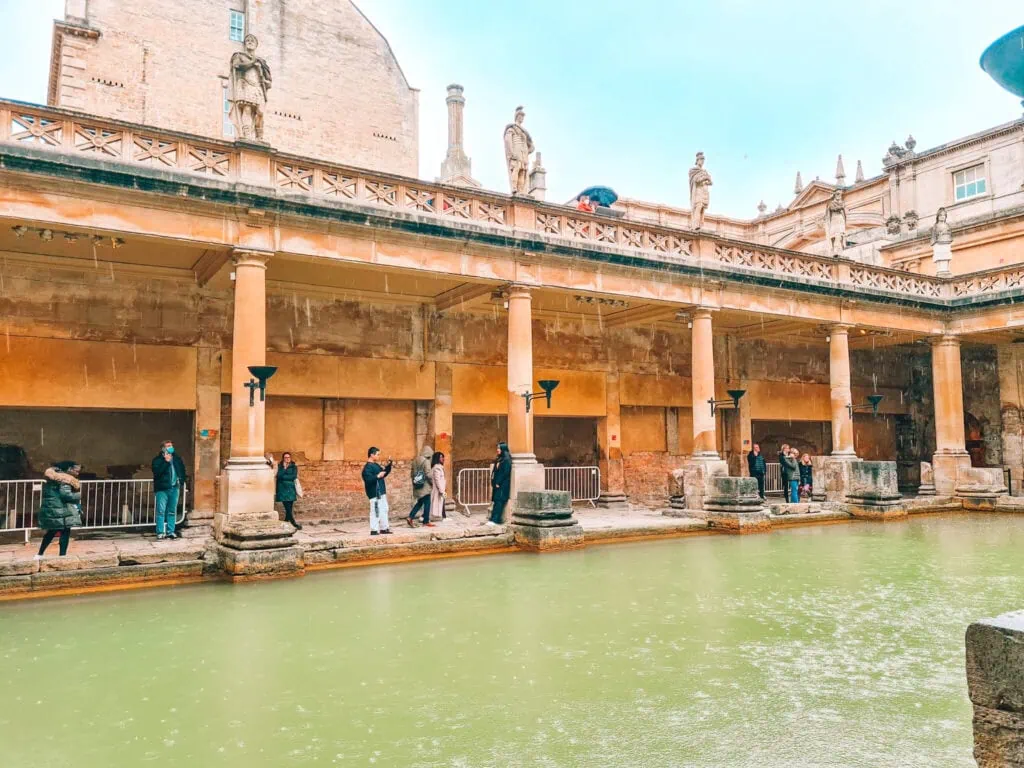
The best thing to do in Bath is enjoy the varied history on offer. Bath got its name from the natural hot springs under the city and these have been used at least since Roman times. The Romans, who loved a hot bath, built an elaborate set of pools in the city. These have been modified over the years, including in the 18th century when taking the waters became extremely popular.
The Roman Baths museum is well set up – there are lots of interactive/hologram displays to show how the Romans would have used them. But for me, the green water of the pool itself, surrounded by the beautiful statues of Roman gods, is the showstopper. My favourite spot shows the baths and statues with the mediaeval Abbey behind, really highlighting the complexity of Bath’s past.

Booking in advance is essential — spots often sell out days ahead, especially in summer. Reserve your entry ticket here.
Take the waters at Thermae Bath Spa – rooftop relaxation with a view
Cost: £42.50 weekdays/£47.50 Saturday and Sunday for a 2 hour slot. Massages and other spa treatments are extra and should be booked in advance.
Practicalities: Towel and robe included. Lockers are available for your valuables and accessible by a smartband. Water fountains available throughout the site.
Next on the list of things to do in Bath is relax! Once you’ve seen how the Romans enjoyed the hot springs, it’s time to enjoy them for yourself. The very modern Thermae Bath Spa is a short walk from the Roman Baths. It offers a number of different pools giving you the opportunity to soak in waters which have been seen as beneficial to health for at least 2000 years. This includes the famous rooftop pool, overlooking the city, which absolutely cannot be missed.
You can also book spa packages and treatments at Thermae, including massages. It’s a lovely slice of luxury – I can’t wait to go back.
Booking is essential, as it gets very busy. You get a two hour hour slot to enjoy all the baths have to offer.
🏨 Z Hotel is great value and less than 5 minutes from Thermae Bath Spa, helping you keep your funds for that important spa treatment!
Live out your Jane Austen & Bridgerton dreams – a Georgian Bath walking adventure
Bath is famous for being the location of choice to film period dramas such as Bridgerton and almost every Jane Austen adaptation ever. While the Romans founded Bath, it then declined in popularity. A boom in the Georgian period (the 18th and early 19th centuries) saw the city thrive as the upper classes invested in the healing power of the hot springs. This period saw the building of almost all of modern Bath.

One of the top things to do in Bath is taking time to wander the streets, admiring the beautiful Georgian architecture. The main shopping streets still have their Georgian splendour. There are some beautiful covered arcades, such as The Corridor, which became popular in Georgian towns.
It’s also worth walking out of the centre a bit to find the wide, magnificent side streets. My favourite is Great Pulteney Street, where the lack of traffic makes it easier to imagine the street filled with horse drawn carts. I love looking at the sides of the buildings, where you can see bricked up windows – a casualty of the ‘Window Tax’ of 1696 and later variations. This imposed a tax on buildings with a certain number of windows, which led to many being bricked up.

If you’re a big Bridgerton fan, this highly rated walking tour will take you to all the key locations in just an hour and a half – all while listening to the show’s amazing music.
Book here to secure your spot – tours are capped at small group sizes, so check your date early!
The Royal Crescent – history and elegance in Bath’s grandest street
Cost: free to walk, £15 to enter the museum at No 1 Royal Crescent – book in advance.
Practicalities: the museum is not open on Mondays
Accessibility: As No. 1 Royal Crescent is a historic building, it’s not possible to make it fully accessible. There are some stairs and uneven flooring in the building. However, there is one route around the building that is step-free – the museum has a full guide to help you plan your visit.
No trip to Bath would be complete without seeing the most famous street in the city. The Royal Crescent is a bit of a walk out of the city centre, but well worth the trip. The immaculately preserved buildings provide a sense of the splendour of Georgian Bath, as well as a beautiful view over the city.
Begun in 1767, it was severely damaged during the Second World War and subsequently repaired. You can learn about the lives of wealthy Georgian Bathonians through visiting No. 1 Royal Crescent.
The Royal Crescent is also included on this popular Bath Walking Tour, where you’ll get a full rundown of the history of this spectacular area. These small-group tours fill quickly in summer — check availability before your trip.
🛏️ If you want to actually stay on the Royal Crescent, check rates for The Royal Crescent Hotel — one of Bath’s most iconic stays.
Bath Abbey – Gothic beauty in the heart of the city
Cost: £8
Accessibility: the Abbey is wheelchair accessible
Practicalities: toilets are available in the Abbey
Once you’ve been to the Roman Baths and the Royal Crescent, it’s time for a different historical era. It’s impossible to miss Bath Abbey, built from 1499 onwards. It dominates the city centre, rising above the smaller buildings. It’s Gothic in style, with elaborate masonry both inside and out.
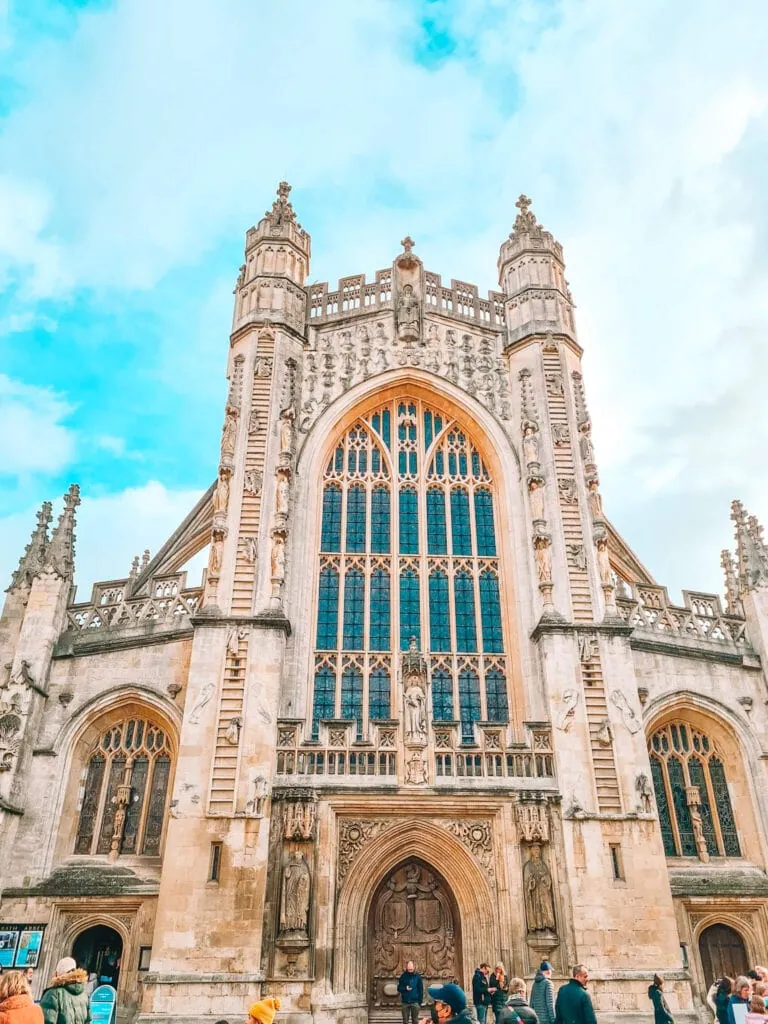
Inside, you’ll find magnificent stained glass windows, beautiful columns and a stunning vaulted ceiling. Walk around slowly, savouring the atmosphere and reading the many commemorative plaques that line the walls and floors. The courtyard outside, next to the Roman Baths, will also be full of people taking pictures – the Abbey makes a stunning backdrop for your holiday snaps.
💤 Stay Steps from Here: Abbey Hotel – 2 min walk, great for coffee lovers
This guided walking tour is highly rated and will take you to almost all the spots above (you’ll need to reserve your own spa ticket though!) ➡️ Book now!
Offbeat & Unusual Things to Do in Bath
Try a Sally Lunn bun – Bath’s oldest (and quirkiest) eatery
Accessibility: the restaurant is tiny, so will struggle to accommodate a wheelchair. For other mobility issues, the restaurant area is all on one floor, but there are steps down to the tiny museum downstairs.
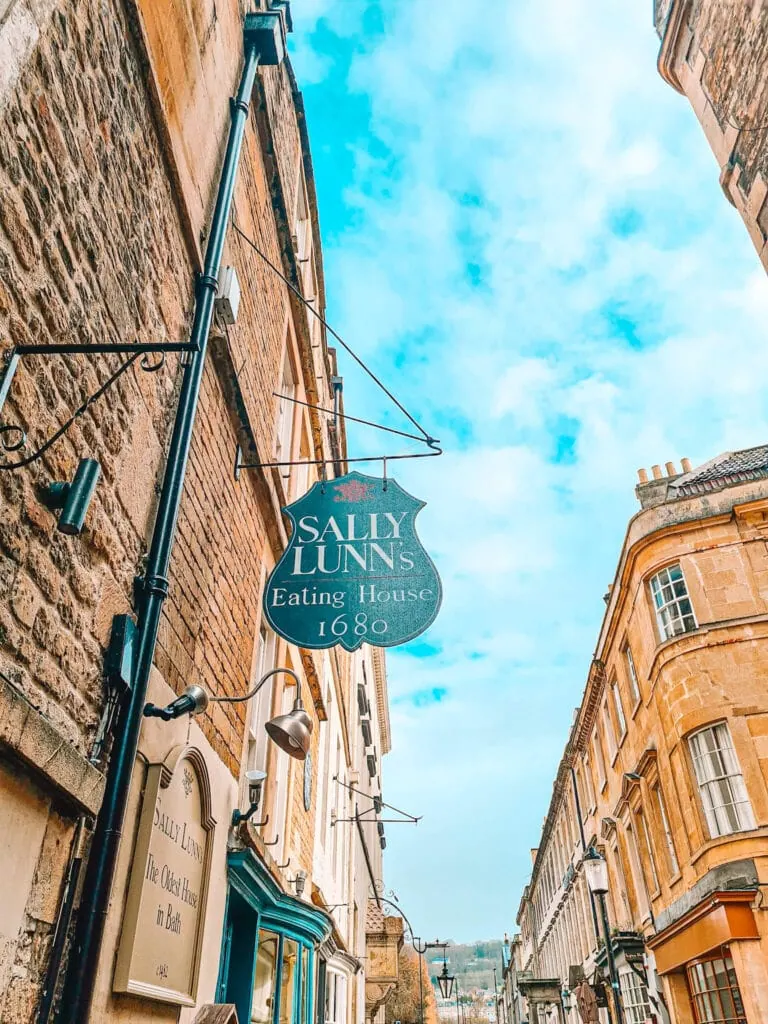
During mediaeval and Georgian times, Bath was famous for Bath buns, a bready delight. You can step back in time by heading to Sally Lunn’s Historic Eating House, which has served this traditional meal since the 1680s. It’s one of many tasty things to do in Bath!
Easily found in the centre of the city, on a small lane, you might have to queue for this famous restaurant. However, it’s worth the wait to sit in the tiny restaurant. It’s as tiny and crooked as it would have been during Georgian times. There is also a small museum downstairs which shows what the kitchen would have originally looked like.
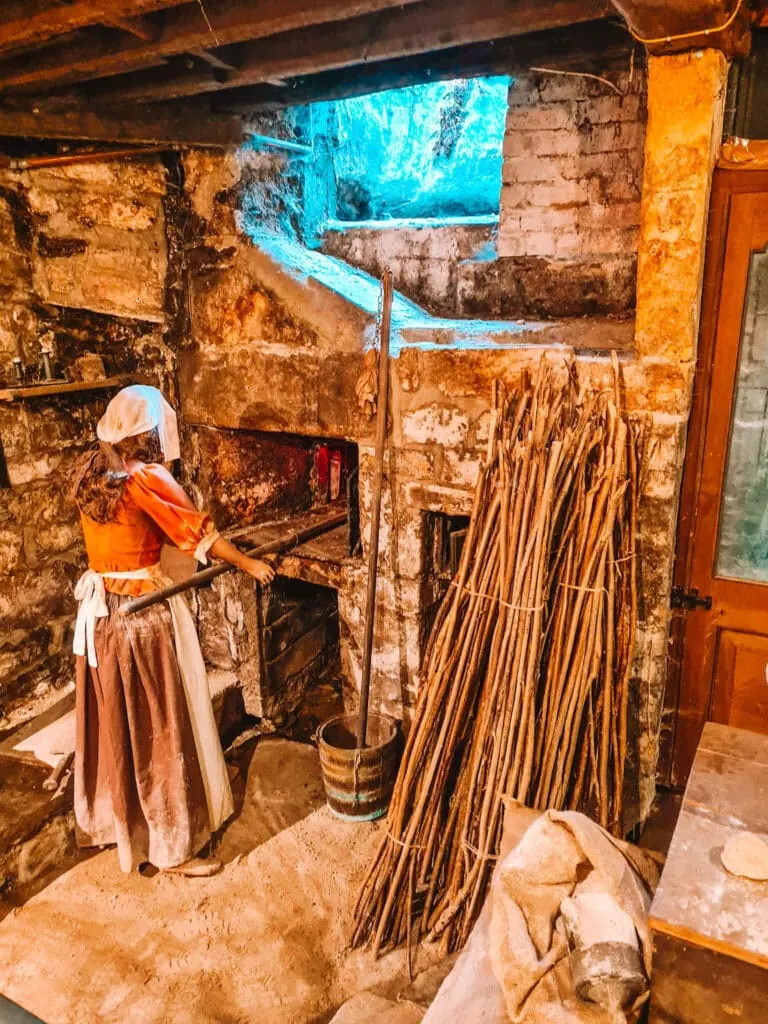
Total honesty – the buns themselves are not that great. They’re very plain bread with an assortment of different toppings available. However, I absolutely loved the experience of sitting in a shop that was so unchanged from its heyday, eating the same food as people would have eaten over 300 years ago.
Pulteney Bridge & the weir – one of only three shop-lined bridges in the world
Built in 1770, Pulteney Bridge is one of the most famous images of Bath. It crosses the River Avon, with a weir underneath the bridge providing a beautiful shot of the water.
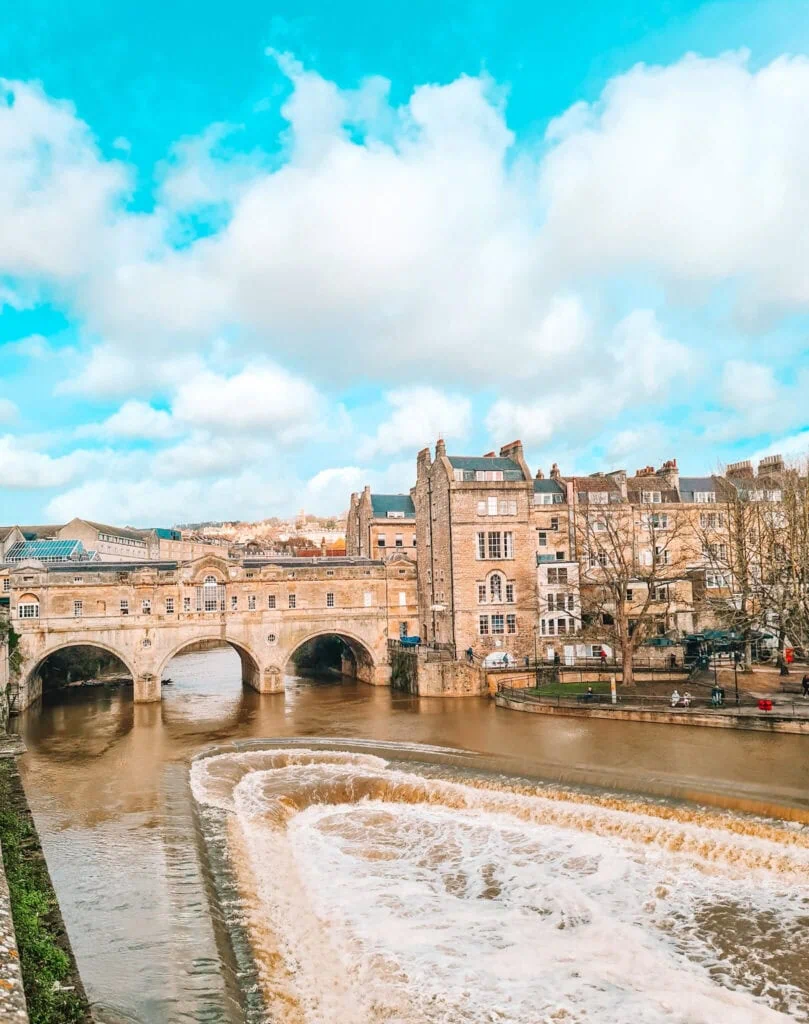
Originally, many famous bridges would have had shops built across them – most famous the version of London Bridge that burnt down in the Great Fire of London in 1666. Amazingly, Pulteney Bridge still has it’s shops over the bridge – one of only three such bridges in the world. As well as taking your pictures from the riverbank, you can pop into the coffee shop and sit on the bridge itself, looking down the river.
It’s also worth popping around to the back of the bridge, on the way to the Waitrose supermarket, to see the way the buildings stick out at the back over the water!
Bath’s independent bookshops – literary treasures and hidden reading corners
Bath is a haven for bookshops, both for new and second hand tomes, and one of my favourite things to do in Bath is wander around them.

A few of my favourites are:
- Topping & Co – this bookshop near the river occupies a glorious, vaulted space, making it one of the most beautiful bookshops I’ve ever seen. Well worth popping in to have a browse!
- Mr’s B’s Emporium – another delightful independent bookshop in Bath. In contrast to Topping & Co, this smaller space focuses on beautiful murals and has a number of small reading spaces, particularly in the children’s section. It regularly wins independent bookshop awards!
- George Bayntun – this second hand bookshop by Bath station is another place in the city that takes you back to a different century. From the moment you have to ring a bell to enter, it feels like you’re entering a Georgian bookshop, which is only increased by the high ceilings and old books on display. I love wandering in here to look at the rare books, and there is also a section with more modern second hand books downstairs.

It’s also worth checking out their extensive events calendars to see if any of your favourite authors are going to coincide with your visit. I’ve seen the amazing Samantha Shannon, Naomi Novik and Laura Shepherd-Robinson talk about their books in Bath.
Laura Shepherd-Robinson’s novels are amazing for understanding Georgian society, when Bath would have been at it’s fashionable peak – The Square of Sevens is a twisty Georgian thriller that’s actually set in Bath.

The Jane Austen Centre – step into Regency Bath
Cost:
- £17 entry to the museum for adults – booking in advance recommended.
- Mr Darcy’s Afternoon Tea – from £29.50 per person (prices go up if you want prosecco or champagne)
Accessibility: as a historic building, it’s not possible to make the building fully accessible. There are some steps. The museum has a full guide to help you plan your visit.
If you’re a big Pride and Prejudice fan, this is the place for you! The Jane Austen Museum focuses on the life and works of the famous author. You are taken through the museum by costumed guides and you even have the opportunity to dress up yourself! Or, if you want to visit in full Regency costume, check out these amazing Regency dresses so that you’re ready for your visit.
You can try their ‘Afternoon Tea with Mr Darcy’ in their Regency Tea Room. The only irony is that Jane Austen hated Bath and tried to never visit, but if her ghost is still around, that ship has sailed as she’s well and truly associated with the city.
Missing some books for your Jane Austen re-read? Find all her works here and make sure you’ve read them all – my favourite is Sense and Sensibility.
Bath’s haunted past – ghost tours and eerie legends
With all it’s many layers of history, Bath is a prime location for ghosts. Some of the most famous include the 18th century Grey Lady, who is said to haunt the Theatre Royal, and the phantom horse drawn carriage outside the Royal Crescent, which is thought to carry Elizabeth Linley and playwright Richard Brinsley Sheridan as they eloped in 1772.
These are only a couple of the ghosts alleged to haunt Bath. If you’re there in the evening, consider taking this guided ghost tour, which will take you to Bath’s most haunted spots, including Victoria Park and Bath Abbey.
This tour is going to be top of my list once I move back to the UK! These tours sell out, so lock in your spot if you’re visiting on a weekend.
Where to stay in Bath (from budget to boutique luxury)
I recommend staying near the centre of the city, so that everything is in walking distance. Bath’s boutique hotels often sell out months in advance, especially in summer weekends—check availability early using the map and links below:
| Hotel | Price Range | Distance to Abbey | Why Stay Here? |
|---|---|---|---|
| Bath Backpackers | £ | 2 min | Social vibe, budget-friendly |
| Z Hotel | ££ | 3 min | Private rooms at budget rates – I’ve stayed in their London Piccadilly branch and they offer a great mix of value + location |
| Abbey Hotel | £££ | 2 min | Stylish with outdoor dining |
| Royal Crescent Hotel & Spa | ££££ | 10 min | Iconic 5-star luxury |
👉🏼 Bath hotels fill quickly for weekends & events — check availability now to avoid disappointment

What to Pack for a Bath Weekend
Once your tickets and hotel are booked, the next step is packing smart. Bath’s weather and historic streets can be unpredictable, so comfort and practicality are key. All links go to Amazon for quick delivery.
For Your Georgian Strolls
- Birkenstocks for summer walking or Hokas for year-round comfort – The #1 thing you’ll be grateful for after a full day on cobblestones.
- Packable Rain Jacket – Lightweight, great alternative to umbrellas.
- Compact Travel Umbrella – Fits in your day bag and stands up to UK gusts.
- Reusable Water Bottle – Plenty of refill points in Bath to save on plastic bottles, and this one keeps your drinks insulated too!
- Sunscreen Stick – Even in spring/autumn, Bath’s open plazas mean lots of sun exposure. CeraVe suncream worked perfectly for me over months of heat in Asia!
For soaking up Bath’s history
- Bath, Bristol and Somerset Guidebook – Local history, walking tours, and day trip ideas all in one.
- Small handbag charger, or this bigger but heavier charger that offers more power – both perfect for making sure your phone doesn’t run of battery when taking pics of Bath’s beauty.
For keeping everything safe!
- Crossbody Anti-Theft Bag – Lightweight, secure, and comfortable for all-day wear.
💡 Pro Tip: If you’re visiting Bath’s Christmas Market, add touchscreen gloves — so you can snap photos without freezing your hands.

Frequently Asked Questions about visiting Bath
Is Bath safe for solo female travellers?
Bath is a very safe city. It has a strong student scene, so there are often people about at night time. However, be aware that like much of the UK, restaurants and clubs in Bath will close earlier than in many European cities. This means that in the very middle of the night, it is likely the streets will be empty. However, given it is a small city, you’re unlikely to need to walk far to wherever you’re going.
When is the Best Time to Visit Bath
The best time to visit Bath is in spring (March–May) or autumn (September–November), when the weather is mild and crowds are smaller. Summer offers lively events but higher prices, while December brings a festive Christmas market atmosphere.
✔ Spring (March–May) offers blooming gardens and mild weather, while autumn (September–November) brings fewer crowds and a cozy atmosphere.
✔Summer is the busiest, with vibrant street performances and long daylight hours, but expect higher accommodation prices. You’ll also need to make extra sure that you book in advance for key attractions.
✔ December is magical, thanks to the famous Christmas market, but book early! The city gets extremely crowded – if you are planning to visit the Christmas market, I would suggest trying to go on a weekday, during the day or early evening – and definitely book your hotel in advance!
Can you visit Bath as a day trip from London?
Yes — Bath is just 90 minutes by direct train from London Paddington, making it perfect for a day trip. You can see major attractions like the Roman Baths, Bath Abbey, and Pulteney Bridge in a single day. If you want a seamless, stres-free experience, try this guided day trip which will also take you to the amazing Stonehenge.
How to get to Bath: Train
Bath Spa Station is about 90 minutes from London Paddington by direct train, with frequent services from Bristol and Cardiff. Trains are comfortable but often delayed, so book in advance and allow buffer time if you have timed activities planned. Bath Spa Train Station is about 10 minutes walk from Bath Abbey and the centre of the city.
Sundays are particularly bad for train travel in the UK, as services are more expensive, less frequent, busier, and it is more likely there will be rail replacement services due to repair work. You can check for rail improvement works/rail replacement buses on www.nationalrail.co.uk
If you’re going to Bath for a weekend, try to return on a Monday if possible – or avoid the train stress altogether by taking this highly rated guided tour from London.
How to book train tickets to Bath
Train tickets in England vary wildly depending on when you book. I recommend booking 6-8 weeks in advance if possible, when ‘Advance’ tickets go on sale. Many train companies let you set an alert for this. If you’re too late for this, book as quickly as possible. Long distance ‘on the day’ fares in the UK are exceptionally expensive, and even if you’re buying in advance, prices go up every few days.
I personally use Trainline for all my trains in the UK. They let you set an alert for advance fares, and many tickets (sadly not all, as it depends on the train company) will be available on their app via QR code.
How to Get to Bath: Bus
Bath bus station is centrally located with frequent services from nearby towns, Bristol Airport, and London Victoria Coach Station. Coaches are often cheaper than trains but take longer and can be delayed by traffic, especially on weekends.
Coaches from London Victoria can be booked via National Express, which runs several coaches a day. Coach travel in the UK does not offer the same level of comfort as in some other countries (e.g. South east Asia, South America). The seat size is standard aeroplane seating no matter the length of your journey and there is no entertainment on offer.
How to Get to Bath: Car
As a historic city, Bath is not particularly car-friendly. Traffic is common, and parking spaces are limited (and expensive).
I wouldn’t recommend driving to Bath if you have an alternative. The city is well served by public transport, and parking in the city centre is very limited. It’s best to avoid driving unless mobility issues make this essential for you.
If you do decide to drive, research a variety of parking options in advance, as it’s likely that some will be full on the day.
How to Get to Bath: Air
The nearest airport is Bristol Airport. If you arrive here, there is a direct bus by Airdecker from Bristol airport to Bath. This departs hourly. It currently costs £17 one way for an adult (summer 2024).
Arriving at Bristol Airport is usually quick and painless. However, if you are flying home from Bristol, the security queue can be exceptionally long at peak times (particularly 4am-7am). It can be best to leave extra time.
There are a few other local airports that you might also fly into, particularly if you are coming from Europe. Cardiff is the easiest of these, with regular trains from the city centre to Bath – but try to arrive at Bristol Airport if possible.
Where can I store my luggage in Bath
If you’re coming to Bath for the weekend and have an early checkout on your last day, you’ll need somewhere to store your bags if you want to make the most of your time in this beautiful city.
There are a number of luggage storage facilities near the train station if you arrive before your check in or have a late departure. These are clustered opposite the station and easy to find. This can really help you to make the most of a weekend trip to Bath.
Your Bath Trip Essentials
📌 Book these before you go — and pack smart for Bath’s weather & cobblestones
| 🎟 Book Your Experiences | 🎒 Pack Your Essentials |
|---|---|
| 🏛 Roman Baths Tickets | 👟 Hoka Walking Shoes |
| 🚶♀️ Bath Historic Walking Tour | ☂️ Compact Travel Umbrella |
| 💃 Bridgerton-Themed Walking Tour | 🧥 Packable Rain Jacket |
| 🚍 Bath + Stonehenge Day Trip | 🔋 Mini Power Bank |
| 🏨 Where to Stay in Bath | 🎒 Crossbody Anti-Theft Bag |
Whether you’re soaking in the thermal waters, strolling past Georgian townhouses, or indulging in a classic Sally Lunn bun, Bath offers a rich and immersive experience for every kind of traveler. With this local’s guide to Bath, you’ll be able to go beyond the usual tourist spots and uncover the city’s unique character, from its independent bookshops to its stunning riverside views. No matter how long you stay, one thing is certain—Bath’s timeless beauty and vibrant local scene will leave you wanting to return.
Em is a travel writer and photographer who has spent several years living in nearby Wiltshire — making Bath almost a second home. With a knack for finding both the famous sights and the tucked-away treasures, Em shares insider tips, honest reviews, and plenty of personal anecdotes to help travellers experience Bath like a local. When not exploring Georgian streets or soaking in thermal waters, Em can usually be found in an independent bookshop with a coffee in hand, planning the next trip.


[…] to Wiltshire from Bath? Check out my article on Top Things to do in Bath to make the most of your stay in this historic […]
[…] as a result, the city retains it’s steep, narrow medieval streets leading down to the river. Like Bath, Porto is a UNESCO World Heritage Site, and just wandering the streets is a treat in itself, as you […]
[…] seasonal treats, and plenty of steaming mulled wine to warm your hands as you browse. While visiting Bath is special at any time of year, Christmas really brings out something magical in this historic […]