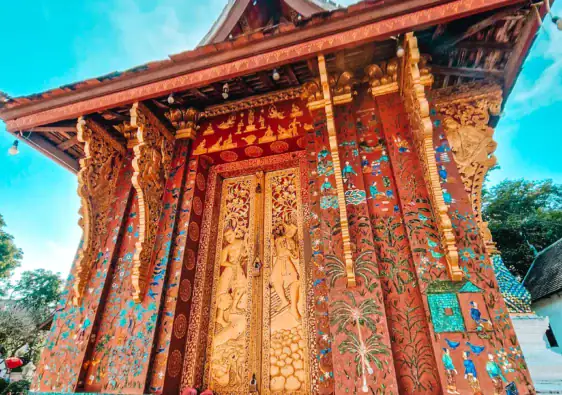
 Em
EmJust so you know: This post contains affiliate links. As an Amazon Associate, I earn from qualifying purchases. I may also earn a small commission if you book a tour, hotel, or buy something else through these links. It helps me keep this blog running and full of travel tips. Thanks for your support!
Only got two weeks to explore Vietnam? No problem — this 2-week Vietnam itinerary takes you from the bustling streets of Ho Chi Minh City in the south to the misty mountains of Sapa in the north, with a perfect blend of culture, landscapes, and local food along the way.
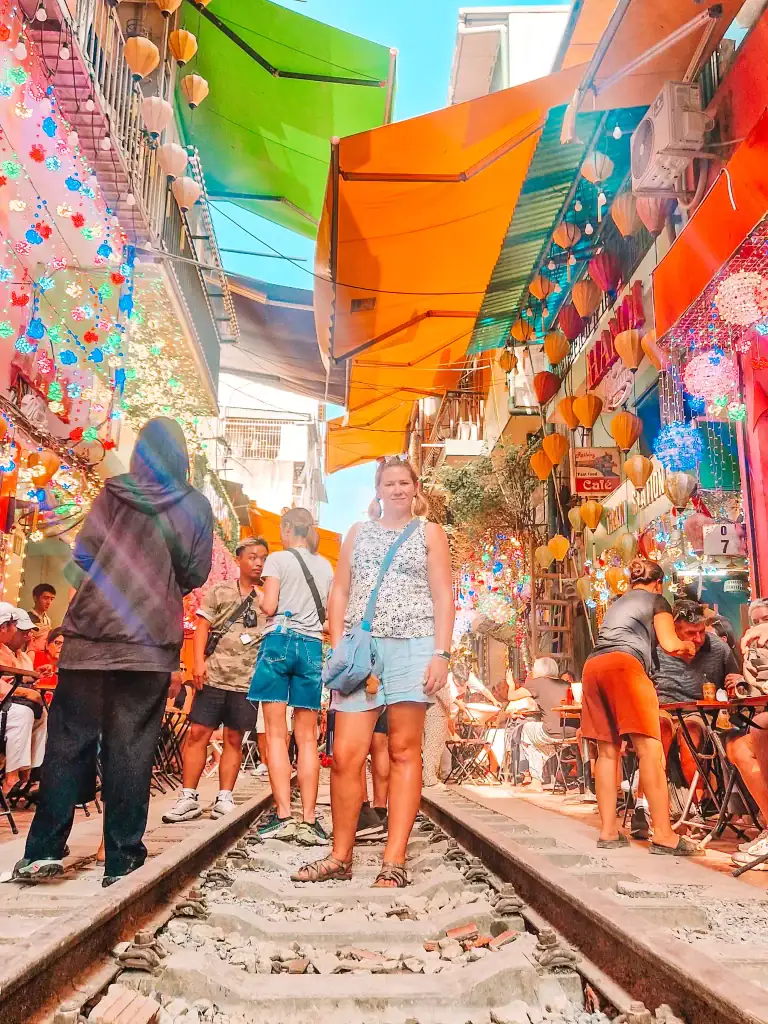
I designed this route after spending over five months travelling through Vietnam, and it’s ideal for first-timers who want to make the most of their time without feeling rushed. You’ll cruise through the Mekong Delta, stroll lantern-lit streets in Hoi An, explore ancient palaces in Hue, and see breathtaking views from Mount Fansipan near Sapa and finish off in Hanoi – Vietnam’s characterful capital, all following a logical, time-efficient route.
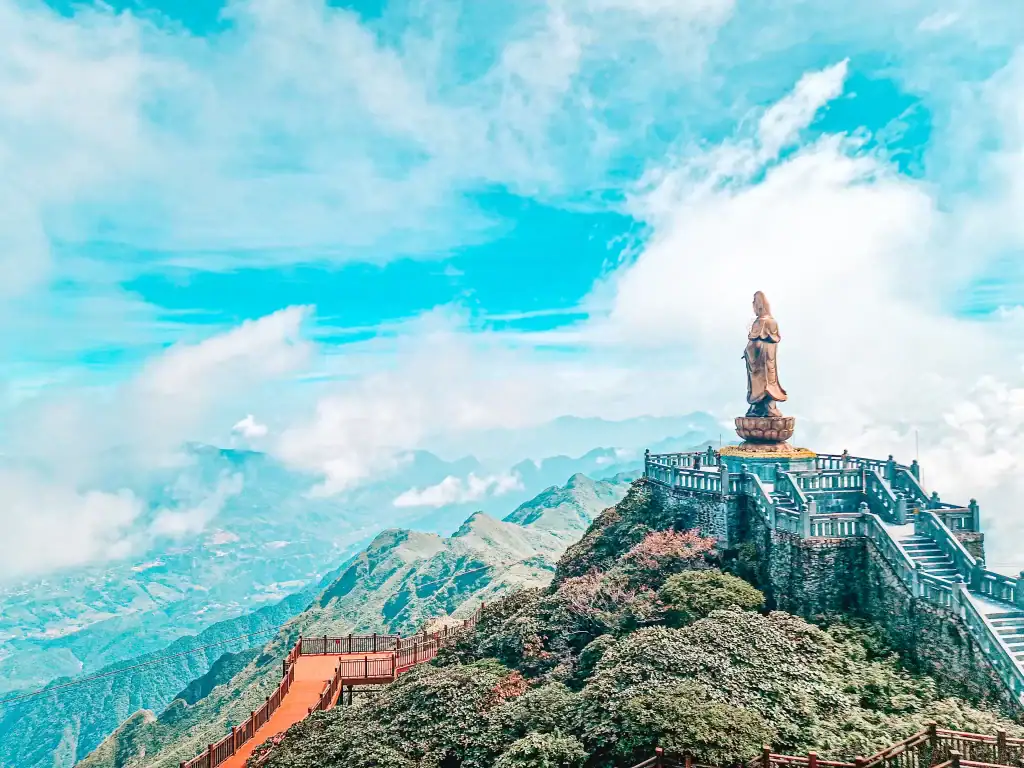
Personally, I found myself more drawn to central and north Vietnam — so this itinerary is designed to build up to the country’s most scenic landscapes and cultural highlights in the second week.
Whether you’re a foodie, culture buff, or scenery lover, this itinerary hits all the major highlights and a few underrated gems — plus I’ve included personal tips on transport, accommodation, tours, and even how to get online when you land.
🛫 Overview: How to Use This 2-Week Vietnam Itinerary
- Itinerary pace
✈️ HCMC → Mekong Delta → Hoi An → Hue → Sapa → Hanoi ✈️
This two week Vietnam itinerary is fairly fast-paced. Remember that you still need to rest when travelling and make time for this in your itinerary.
I’ve also put in some suggestions for how to shorten it or extend your time at the end.
- Map of the route
Here’s an interactive map of this itinerary, from Ho Chi Minh City in the south to the mountains of Sapa in the north.
- Visa info
For Vietnam, citizens of many countries can enter visa-free for 45 days, including Europe, the UK, USA, Australia, New Zealand and others. Arrival is usually easy and quick, especially if you’re arriving through airports (with the exception of Ho Chi Minh City Airport, see the tips section below).
Always check your government website for the most up to date requirements – I’ve used the British Foreign, Commonwealth and Development Office as an example above.
- 📲 Get connected on arrival
I always prefer to make sure that I’m going to be able to access data when I arrive somewhere new, and the easiest way to do this is via an Esim. For Vietnam, I recommend Airalo as one of the most reliable eSim providers.
Want help planning Vietnam without overwhelm?
Vietnam, Unlocked is a culture-rich travel guide with itineraries, transport guidance, and planning tools — built for independent travellers who want depth, not rush.
Or, if you’re just getting started, you can sign up for my free Culture-First Traveller’s Guide to Vietnam, Laos & Cambodia — focused on history, everyday culture, and travelling thoughtfully.
And if you’d prefer someone to build a personalised itinerary just for you, I also offer custom trip planning.
👉 Request a custom Vietnam itinerary
Week 1: South and Central Vietnam
🏙 Ho Chi Minh City (2.5 days, 3 nights)
📌 Day 1 – Fly into Ho Chi Minh City before visiting the War Remnants Museum and Central Post Office
📌 Day 2 – Do a full day tour of the Mekong Delta
📌 Day 3 – Take a tour to the Cu Chi Tunnels before doing your souvenir shopping at Ben Thanh market and having an afternoon drink at the Cafe Apartments
Ho Chi Minh might not be Vietnam’s capital, but it’s the country’s most thriving city. I much prefer Hanoi, but it’s a great place to start your Vietnam itinerary.
Make sure to visit the devastating War Remnants Museum (I visited in 2010 and still remember the impact it had on me) and take a day trip to the famous Cu Chi Tunnels to learn more about how the Viet Cong survived American attacks during the Vietnam War. Finally, relax at the Cafe Apartments, a residential building that’s become famous for having some of the capital’s most famous coffee shops.
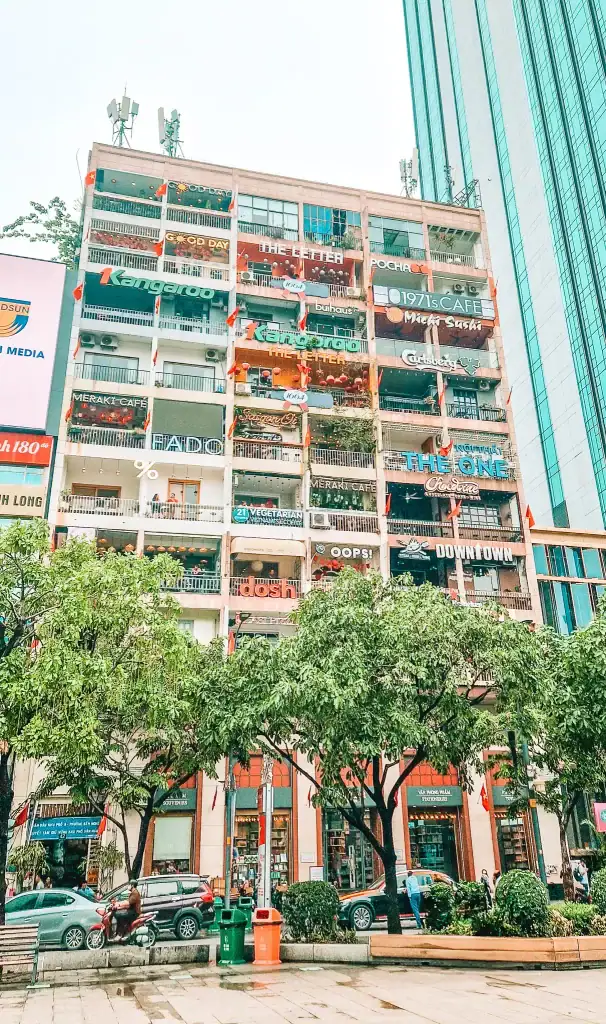
The Mekong Delta is one of the most famous parts of Vietnam, and for good reason. This is the area where most of the country’s rice is produced, as well as innumerable fruits and vegetables. It’s a tangle of serene waterways leading to the mighty Mekong itself, and taking river cruises through the mangroves will bring you a sense of serenity like nothing else. Depending on your timescales, you can also visit the famous early morning Floating Market in Can Tho, where farmers bring their wares to sell to wholesalers.

Best tours:
- Half day trip to Cu Chi Tunnels (✨ 4.7/16.6k) – Crawl through the tiny tunnels used by the Vietcong during the Vietnam war
- 1 day Mekong Delta guided tour from Ho Chi Minh City – (✨4.5/11.7k+) – Visit Ben Tre and other parts of the Mekong, but doesn’t include the Floating Market
- 1 day guided tour to Mekong Delta and Cu Chi Tunnels (✨4.7/9.7k)- if you’re short on time, try this whistlestop tour of two of the most important sites in Vietnam
- 2D/1N Guided tour including Floating Markets (✨4.5/1.3k)- If you have extra time recommend spending at least a night in the Mekong Delta, and this guided tour takes you to Ben Tre, My Tho and the Floating Markets
- 11 Tastings Food Tour by Scooter (✨5/2k+)- try the best of Ho Chi Minh’s Street Food on your evening in Ho Chi Minh City
Where to stay in Ho Chi Minh City
Like in Hanoi, I suspect many reviews for Ho Chi Minh City are inflated. I’ve put below the one hotel I personally stayed in and recommend – if you are looking for a different price range, I recommend doing intensive research.
- Vy Khanh Guesthouse – where I stayed in Ho Chi Minh. Perfect budget rooms, spotlessly clean, incredibly friendly host and only a few steps from the bus stops for Phnom Penh. (✨9.3/1.2k+)
🌊 Da Nang & Hoi An (3 full days, 5 nights)
📌 Day 1 – fly from Ho Chi Minh City and start exploring
📌 Spend 3 full days exploring this part of Vietnam – base yourself in Hoi An
📌 Day 5, either ride the Hai Van Pass for a full day adventure, or take the shorter bus/train and spend extra time in either Hue, Da Nang or Hoi An
It’s no secret that Hoi An is one of my favourite places in the world (if not my actual favourite) and nearby Da Nang, a much more modern city, is pretty cool too. I’ve visited Hoi An three times, and I lived in Da Nang for two months in 2025 – so I feel qualified to say that! If you’ve got time, you could even get clothes or shoes tailored, as Hoi An is one of the most famous places in the world for tailoring (if this is your aim, prioritise visiting tailors on your first day to give them time).
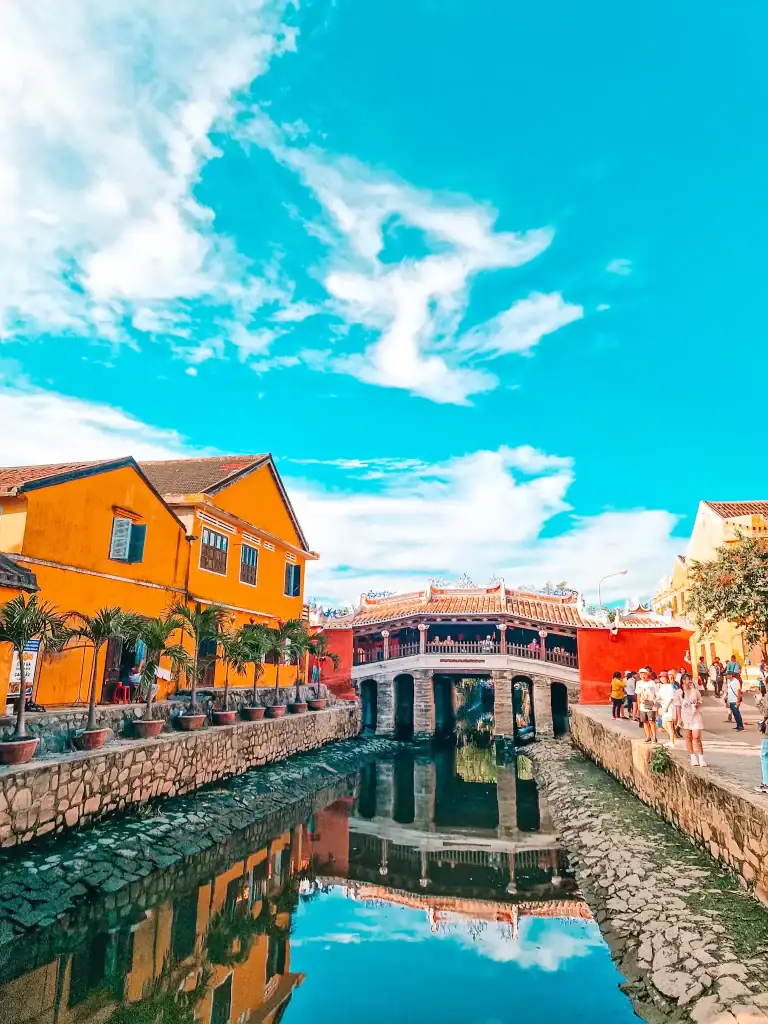
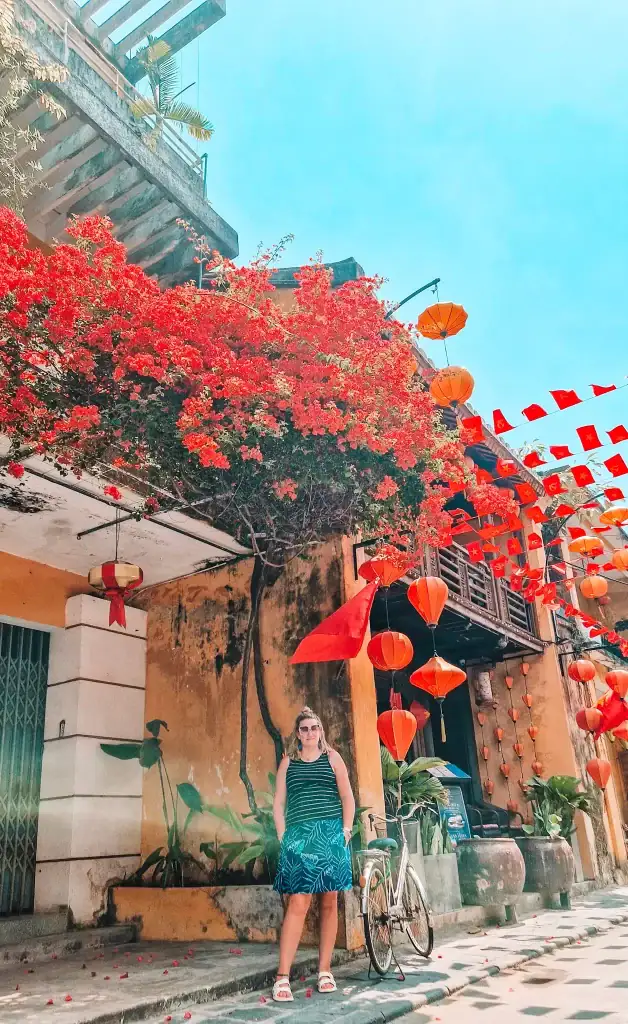
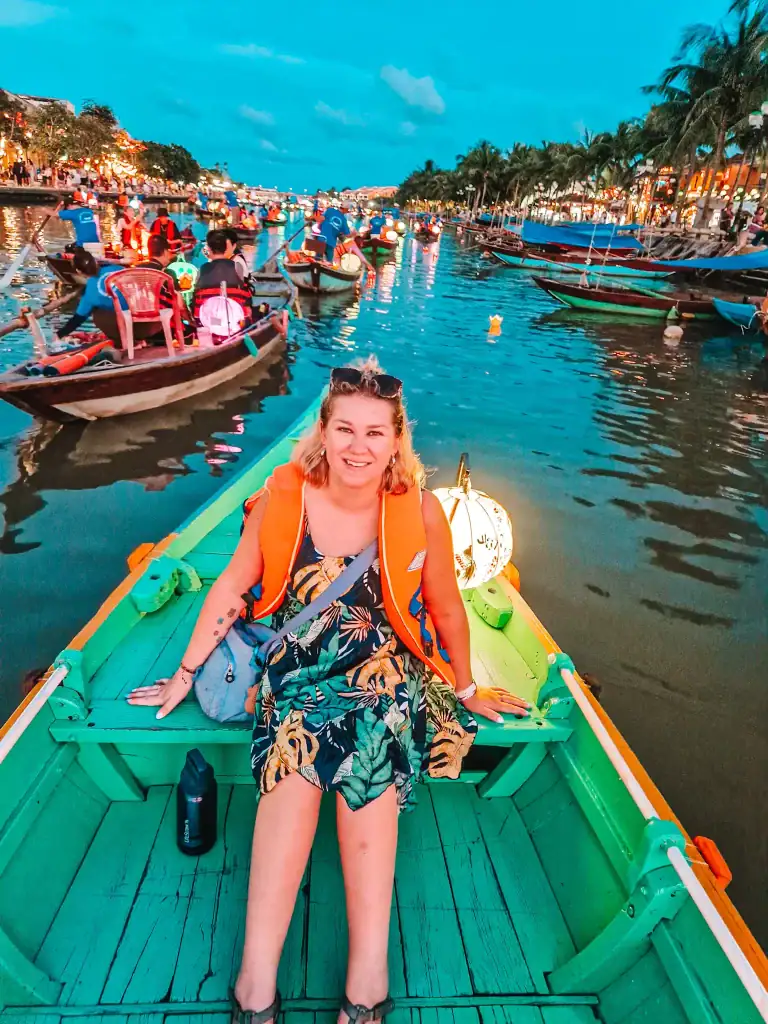
Prioritise Hoi An – wander the beautiful UNESCO heritage streets, pop into temples and see how people used to live in ancient houses. Board a boat at sunset to release one of the famous paper lanterns, set sail in a bamboo boat during the day to cruise through serene mangrove forest or ride a bike through Hoi An’s gleaming rice fields.
In contrast, Da Nang is a much more modern city – and most often visited as a stopping off point because of train or airport access. However, there’s plenty to do in this bustling town – spend the day on Da Nang’s thriving beach, take part in a coffee making workshop or head to the nearby Marble Mountains and visit the beautiful Lady Buddha, who protects the city from Typhoons.
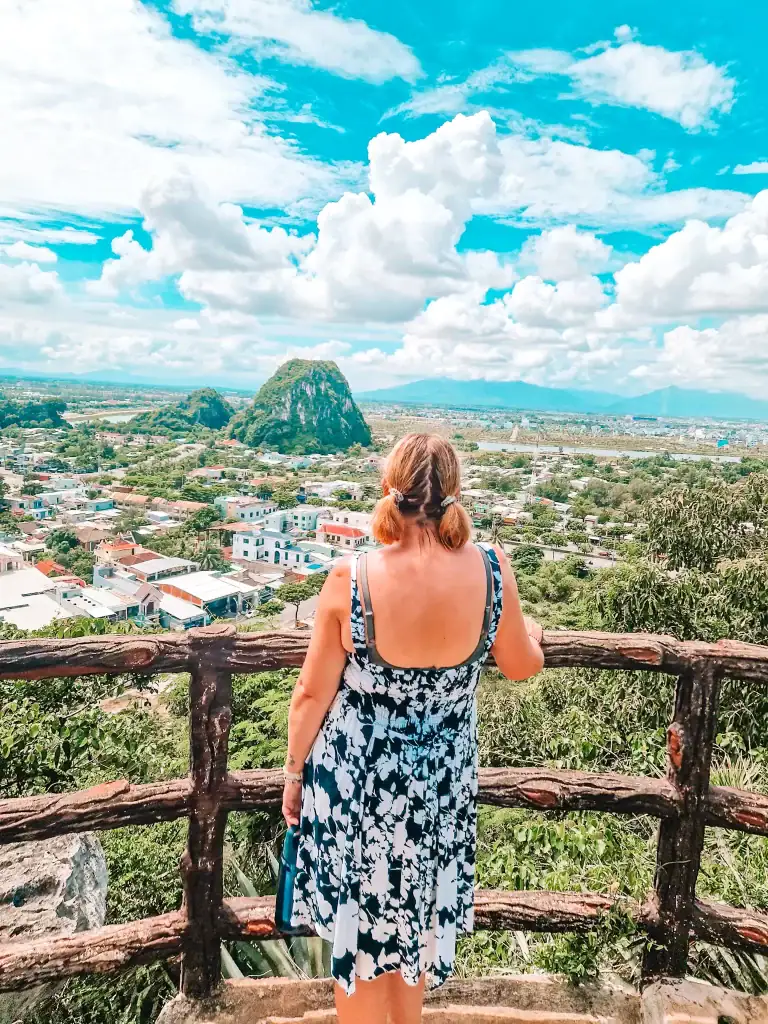
Got extra time? If you’ve got an extra day or two, consider spending time at Hoi An’s beautiful beach – nearby An Bang.
Best tours for day trips, culture and coffee:
- Marble Mountains & Lady Buddha ( ✨4.7/3.8k) Check availability
- Vietnamese Coffee Culture and Coffee Making Class (✨ 4.9/3.1k+) Book a class now
- Cycle through Hoi An’s rice fields on a **small-group countryside tour (✨ 4.8/500+) Book your spot today
- Visit the iconic Golden Bridge at Ba Na Hills (⭐ 4.5 700+ reviews) — ticket includes round-trip transfers and skip-the-line entry. Reserve now
Getting there
From Ho Chi Minh City, you can fly, take a bus or take the train to Da Nang (air, bus and train) or Hoi An (bus only). Given that this is a fast-paced itinerary, I recommend flying to make the most of your time. Internal flights in Vietnam are fairly cheap.
Where to stay in Hoi An
- Yen Villas – this is where I stayed. It has spacious, clean rooms and a beautiful small pool. The family running the small hotel are among the most helpful and kind people I’ve come across while travelling. (✨ 9.4/600+).
- Hoi An Town Centre Hotel – on An Hoi, this highly rated hotel is budget/mid-range for Vietnam. It has excellent reviews, and is away from the noise of the night market. (✨ 9.5/1.1k+).
- River Town Hoi An Resort and Spa – also on An Hoi, but on the riverfront, this is a 5* resort, with an infinity pool, gardens, spa and free bicycles (✨ 9.4/1.2k+)
Where to stay in Da Nang
- Golden Lotus Da Nang – this popular hotel is often sold out. It has a rooftop bar and is right next to my favourite cafe in Da Nang for salt coffee. (✨ 9.4/2k+)
- Ha Trieu Hotel – I stayed at this hotel when I first arrived in Da Nang. It’s not in the main tourist area, but further down the beach, near a quieter beach area. (✨ 8.1/1.7k+).
Find out more:
🧭 My full guide to the best things to do in Hoi An
🧭 My full guide to unique experiences in Da Nang
🧭 My guide to the best day trips from Hoi An and Da Nang
🧭 My guide to getting clothes tailored in Hoi An
🧭 My guide to the best cafes in Da Nang and in Hoi An’s rice fields
🧭 My full guide to riding the Hai Van Pass on an easy rider tour
🏯 Hue (2 nights, 1 full day)
📌 Day 1 – Take a bus or train from Da Nang or Hoi An, or take an Easy Rider tour of the amazing Hai Van Pass
📌 Day 2 – Spend the next day in Hue before leaving for Sapa (via Hanoi) the following morning.
Hue is an underrated gem, often overshadowed by nearby Hoi An, despite being a UNESCO site in its own right. Spend a full day in Hue’s incredible Imperial Palaces and you’ll be blown away by the history and intricacy of these beautiful buildings. Visit the Citadel and Imperial Palaces, Pagoda of the Celestial Lady, tombs of the last Emperors of Vietnam and the Perfume River to make the most of your time.
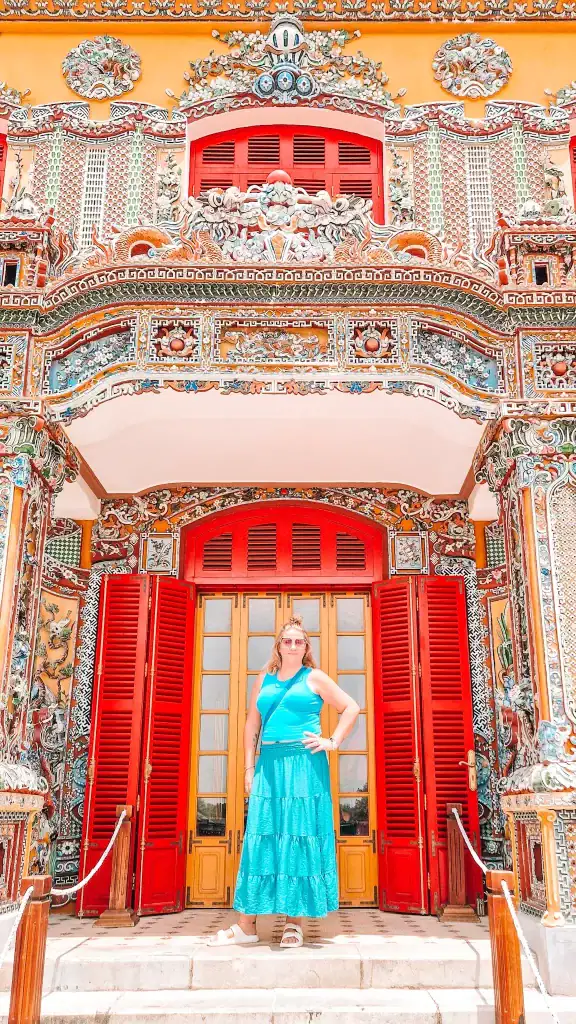
Got extra time? If you’ve got an extra day, or your travel plans leave you with a half day spare, head to Hue’s famous abandoned waterpark, an eerie but incredibly safe urbex-ing activity.
Best tour to see Imperial Hue:
- Take the exact excellent tour I used (✨4.6/795+) to see the highlights of Hue in one busy but fascinating day.
Getting there
From Da Nang or Hoi An, there are a few options to get to Hue. You can:
- Take a taxi from Hoi An to the train station in Da Nang and take the train to Hue (c.2.5-3 hours, beautiful views) – I used Vietnam Rail on my way to Hue and booked with 12GoAsia
- Take a direct bus to Hue – book via 12GoAsia
- Take a one-way sightseeing bus across the beautiful Hai Van Pass (✨4.6/300+)
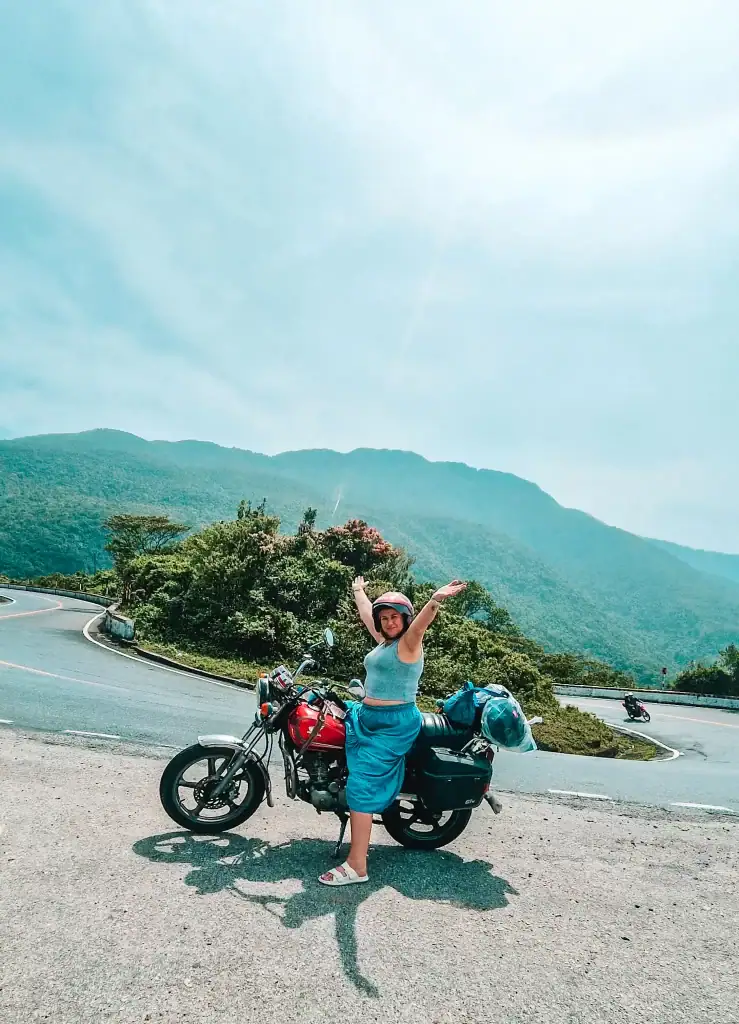
- Take an easyrider motorbike tour across the Hai Van Pass (✨4.9/33+) – this is the exact tour I did on the way back and it was an amazing experience (and they will transport your luggage for you)!
Where to stay in Hue
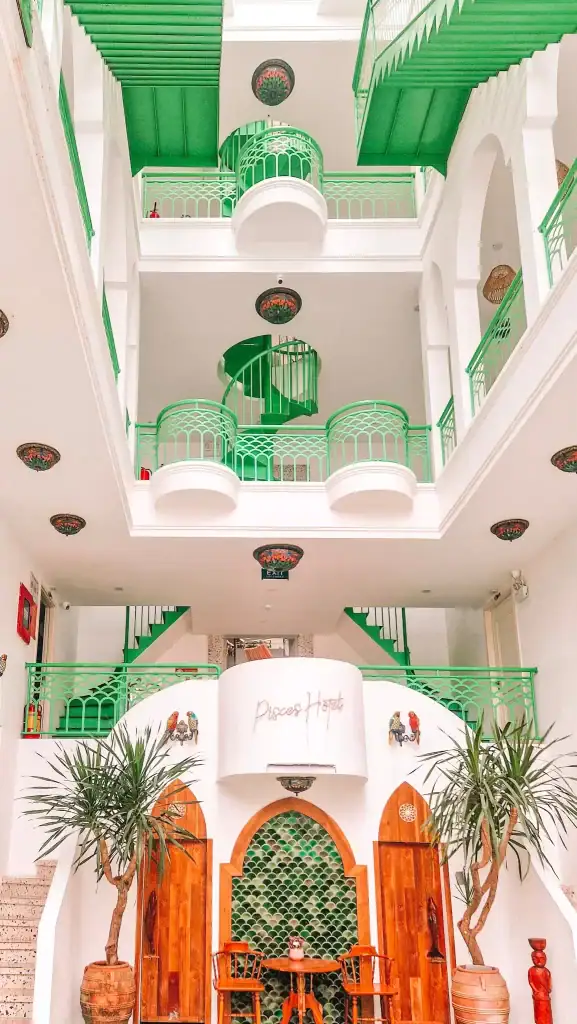
- Pisces Hotel – this incredible hotel is where I stayed. The design in just amazing, making it one of the most Instagrammable hotels I’ve ever stayed in. (✨ 8.5/530+)
- Than Thien Friendly Hotel – this is where I’d booked to stay before I found the Pisces Hotel. It’s a highly rated, budget hotel in a central location. (✨ 8.9/1.5k+)
🧭 Find out more: Read my guide to two days in Hue
🚂 Week 2: North Vietnam
⛰ Sapa (1 night, 1 night train, 1 full day)
📌 Day 1 – From Hue, you’ll need to change in Hanoi. I suggest a day bus to Hanoi and then a night bus or train to Sapa.
📌 Day 2 – Spend a full day trekking or on a motorbike tour and spend the night in Sapa
📌 Day 3 – Day bus back to Hanoi for your final few days
Take two days to head into Vietnam’s gorgeous northern mountains, where you can do a trek (try to make sure it’s ethical), head to the top of Mount Fansipan (the highest peak in Indochina) on the incredible new cable car, or do what I did: an easy rider motorbike tour that takes you out into the surrounding villages to see how people from Sapa’s many ethnic minority groups live.

Best tours:
- Book your Mount Fansipan tickets in advance
- Book an Easy Rider tour of the mountains around Sapa (✨5/190+) – I loved this experience!
Getting there via sleeper train or bus
From Hue, you’ll either need to take an exceptionally long bus or change in Hanoi. I recommend a day bus/train from Hue to Hanoi directly before the night bus/train I’ve suggested from Sapa. Book Hanoi-Hue transport here.
Your time in Sapa includes one night travelling via sleeper train or bus and one night in a hotel/homestay in Sapa. You could do this Vietnam itinerary with two nights on sleeper transport, but I personally think it would be too exhausting. Save your energy and take one early morning bus to ensure you get a good night’s sleep.
🧭 Trying to decide between the sleeper train vs the sleeper bus? I break down both options in my guide to Vietnam’s trains.
Book your bus and train tickets on 12GoAsia.
Where to stay in Sapa – homestays vs central Sapa
When visiting Sapa, you have two options: stay in central Sapa, or a more remote homestay. The best option for you depends on your plans and preferences.
| Central Sapa | Homestay | ||
|---|---|---|---|
| Near to Mount Fansipan Cable Car | Very touristy and can be overwhelming | Authentic experience | Requires expensive taxis if you don’t hire a motorbike |
| Only short taxis needed | Best for trekking or if you’re hiring a motorbike | No access to restaurants/cafes |
Where to stay:
- Heart of Sapa Hotel – this was where I stayed and highly recommend. It’s in the centre of town but on a quiet street, with spacious, clean rooms, a good breakfast, and a friendly host family. (✨ 8.5/1k+)
- Sapa Farmer House – homestay in the mountains with terraces overlooking ricefields (✨ 9.6/500+)
- Sapa Relax Hotel and Spa – at a slightly higher price point, this has a beautiful roof terrace overlooking the mountains. Reviews are excellent and some rooms also have views (✨ 9.1/3k+)
- Hotel de la Coupole – if you really want to splash out, this hotel houses the Fansipan train, and is one of the most luxurious properties, right in central Sapa. (✨ 9.3/1.4k+)
Find out more:
🧭 My guide on how to visit Mount Fansipan
🧭 My guide to taking the train in Vietnam
🏙 Hanoi – 3 nights, 2 full days
📌 Day 1- Morning bus from Sapa
📌 Day 2/3 – explore Hanoi
Spend at least two full days in Vietnam’s bustling capital before heading home. Hanoi is full of character, with streets in the Old Quarter still dedicated to traditional crafts or types of shop, delicious food and coffee everywhere and beautiful temples on serene lakes.
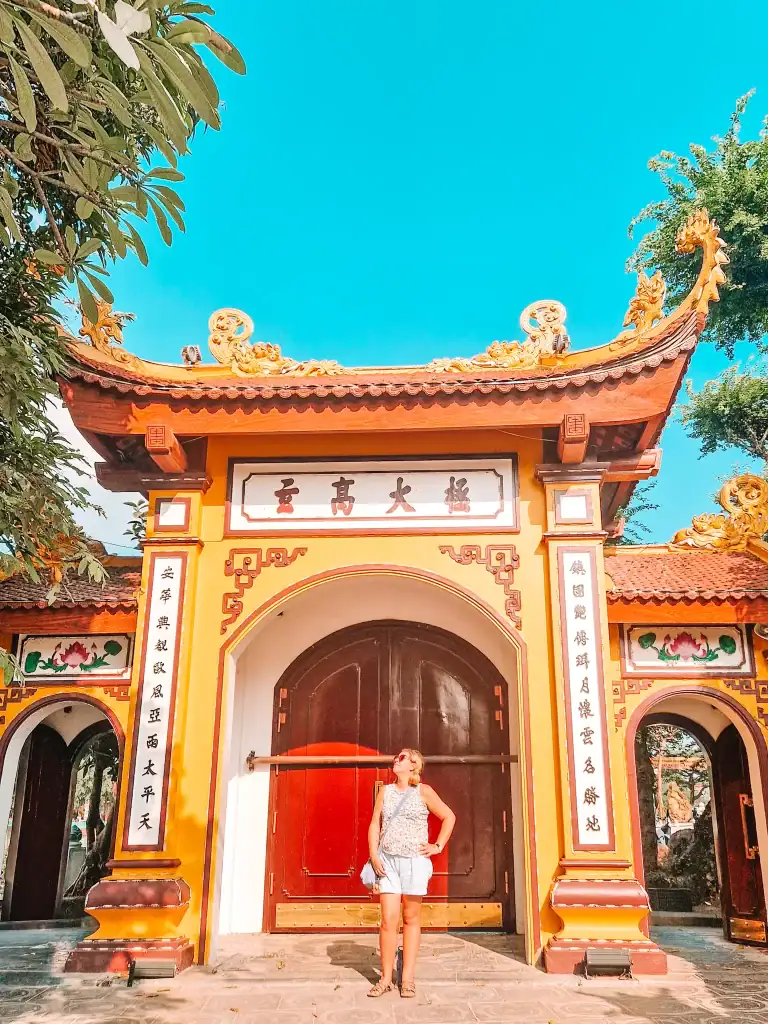
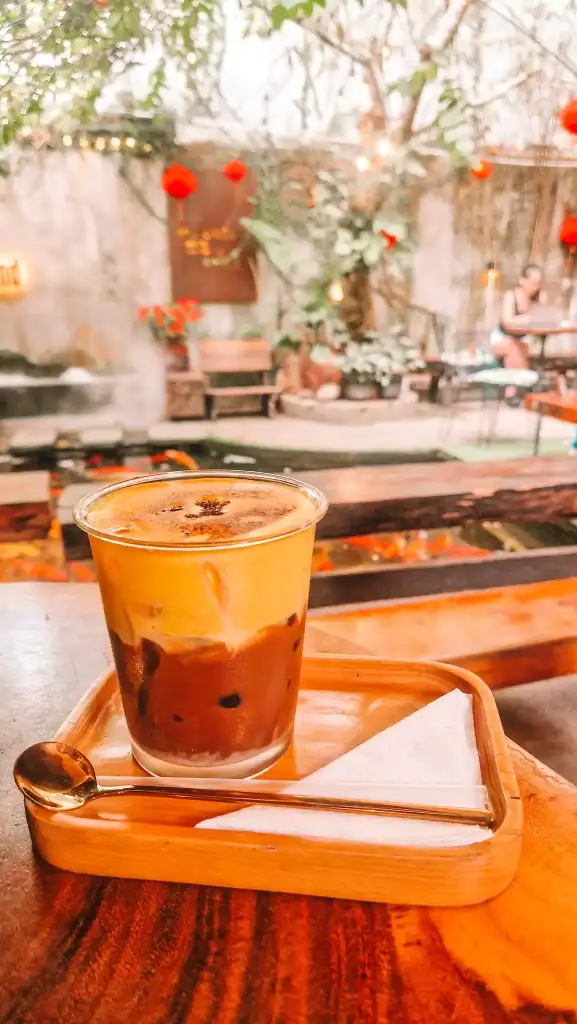
Prioritise wandering Hanoi’s Old Quarter, sipping Hanoi’s famous egg coffee (trust me, it’s delicious) and checking out Train Street in the evening. Walk across to the gorgeous temple on Hoan Kiem Lake, visit the famous water puppet theatre, and understand more of Vietnam’s past at the chilling Hoa Lo Prison. If you’re feeling adventurous, try the women-led easy rider motorbike tour I took around the city.
Best tours for food + culture
- Women-led motorbike tour (✨ 5/790+)
- Water Puppet Theatre ticket (✨ 4.6/5.6k+)
- Street food tour + Train Street (✨ 4.9/2k+)
How to get there
To get to Hanoi from Sapa, either take a day bus, night bus or night train. For this itinerary, I recommend a day bus – around 6 hours. An early bus will give you a chance to get a good night’s sleep in Sapa (after your long journey from Hue), but still give you plenty of time in Hanoi.
Where to stay
Hanoi was the one place in Vietnam where I felt that reviews were truly inflated, and I stayed in places with high reviews but poor facilities – so recommend doing some intensive research on this. I’ve put the one place I’ve personally stayed at and recommend below, but otherwise, I recommend staying in or around the Old Quarter.
- Huong’s Family Homestay – budget guesthouse with shared bathroom, spotlessly clean, decent sized rooms and very friendly host. (✨9.3/190+)
🧭 Find out more: read my 2 days in Hanoi itinerary to make the most of your time!
🎒 Bonus: What to Pack for Vietnam
Clothes:
There are a few key tips for packing clothes for a Vietnam trip:
- Bring loose, light fabrics to avoid sweating in the humidity. However, I don’t recommend linen – I honestly found it too heavy.
- I swear by the Airism underwear from Uniqlo – they dry much more quickly than cotton so are much more comfortable.
- While Vietnam is more relaxed than other Asian countries, you’ll still need to make sure your knees and shoulders are covered at many sites. A lightweight scarf can be really useful.
- You’ll need sturdy shoes that are lightweight and comfortable – look around any group of tourists in Vietnam and you’ll see that Tevas or Birkenstocks are the universal choice. You can also get tailored Birkenstock-style shoes in Hoi An for around $15 – check out my guide to getting clothes tailored.
- Depending on the time of year, Sapa can be significantly colder than anywhere else. Bring a hoodie/warm clothes and close-toed shoes if you’re visiting outside their summer
- During typhoon season (June to November), Vietnam can see significant rain. While you’ll be able to buy ponchos quickly and easily, remember that it’s not always sunny or warm when doing your packing. You might also have to avoid some activities.
Other essentials – the items I swear by:
- Lightweight packing cubes – I’ve used these for over a year and they let me pack far more than I could without them
- Small handbag charger, or this bigger but heavier charger that offers more power – both perfect for making sure your phone doesn’t run out when you’re trying to get those Mount Fansipan selfies
- Mini USB Fan – Perfect for hotels with poor AC or the million other times you’ll be hot.
- Multi-Port Plug Adapter – My go-to for travel: fast charge + universal.
- Locks to keep your luggage safe in hostels, buses and trains – I’ve used these combination locks for the past year with no issue
- Book swaps are far less common than they used to be and I often found that hotels in Vietnam wanted to keep hold of their books – keep yourself occupied through inevitable transport waits with a Kindle, and sign up for Kindle Unlimited Membership to stock it up
📘 Want to read books by Vietnamese authors before you travel? I’ve got you covered – I pulled together my list of books I recommend reading before visiting Vietnam (and one I think you should avoid!).
🔁 Variations & Shortcuts
- Need to trim your itinerary? My recommendations:
- If you prioritise history and culture: skip Sapa – go straight from Hue to Hanoi
- If you prefer nature: prioritise Sapa over Hue, or visit Hue as a day trip from Da Nang/HoiAn
- If you need to trim your itinerary slightly, avoid Sapa and do a day trip from Hanoi to beautiful Ninh Binh instead – this option is very highly rated. You’ll get the same incredible mountain scenery without transport diversion.
- Got more time? There are so many options! But I recommend:
- Adding a cruise to Lan Ha Bay (the less touristy bay next to the famous Halong Bay) to view one of Vietnam’s UNESCO landscapes
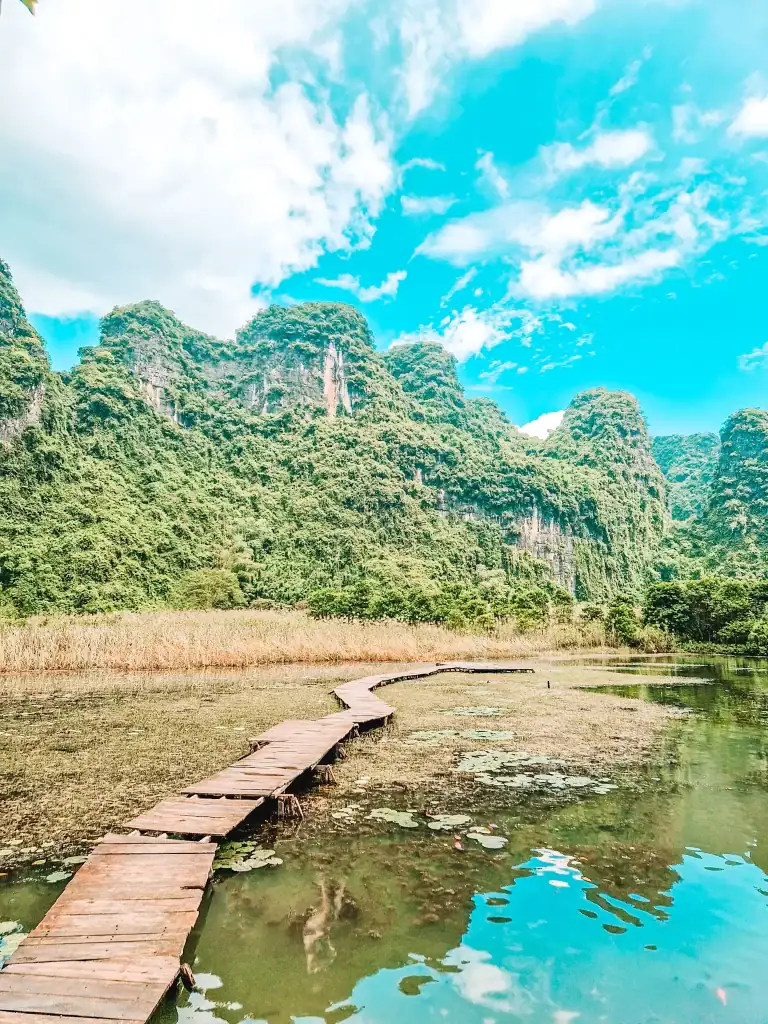
- Add extra time in Sapa, or in gorgeous Ninh Binh – another of Vietnam’s UNESCO-listed landscapes, with limestone karsts emerging dramatically from the landscape
- Add extra time in the Mekong Delta – most people visit on a guided tour, but I loved visiting independently and having more time.
Find out more:
🧭 My guide to UNESCO-listed Ninh Binh
🧭 My guide to travelling the Mekong Delta independently
🙋♀️ Final Tips for Your Vietnam Trip
- Cross-border SIM advice: I prefer to have an eSim when arriving in a new country, so that I’m ready to get taxis from airports or bus stations – and I just feel safer in general. For Vietnam, I recommend Airalo, as one of the most reliable eSim companies. You can buy an Asia eSim or specific ones for each country.
- Tips for booking transport online: I used 12GoAsia for almost every trip I booked across the whole of Asia and never had any issues. I particularly like that they let you select upper/lower cabins on sleeper buses.
- Airport Tips – I used Da Nang, Hanoi and Can Tho (Mekong Delta) airports and had no issues with delays. All were modern airports with good facilities. I also used Ho Chi Minh, but only as a transfer – facilities were more limited, and I have consistently heard reports of severe delays at security and passport control
Frequently asked questions
Can I do this 2-week Vietnam itinerary in reverse?
Yes! If you find cheaper flights into Hanoi or want to front-load the more scenic parts of the trip, you can absolutely start in the north and head south. Just reverse the transport options — but note that ending in Ho Chi Minh City can feel more chaotic after the calm of Sapa or Hoi An.
What’s the weather like during this 2-week itinerary?
Vietnam stretches over 1,000 km, so weather can vary a lot. Generally, the south is warm and dry Nov–March, central Vietnam may be cooler or rainy, and the north can get chilly — especially in Sapa. Bring layers and check regional forecasts before you go.
What currency does Vietnam use?
Vietnam uses Dong. The easiest currency to exchange is USD but Euro and GBP (as well as some other currencies) will be accepted for exchange.
Can I use credit or debit cards in Vietnam
Cards are widely accepted in major cities but outside of tourist areas you’ll need cash.
What’s the best way to get cash in Vietnam?
ATMs are widely available in cities and accept foreign cards, though some charge withdrawal fees. I recommend bringing a fee-free travel card like Wise or Revolut. Avoid currency exchange at airports or on the street — rates are poor and scams are common.
How should I book transport within Vietnam?
The easiest way to book buses, trains, and airport transfers is through 12GoAsia, which I used throughout my trip. You can compare prices, pick your seat type (like upper/lower bunks on night trains), and book in English with card payment.
🧭 Read my guide on what I wish I’d known before my first sleeper train journey in Vietnam.
Is it easy to get vegetarian or vegan food in Vietnam?
Yes — especially in tourist-friendly cities like Hoi An, Da Nang, Hanoi, and Ho Chi Minh City. Vietnam has a tradition of Buddhist vegetarian cuisine (called chay) and you’ll find lots of delicious plant-based options. I also have a full guide to the best vegetarian spots in Da Nang.
🎯 Ready to Book Your Vietnam Trip?
Here’s everything I used on my own journey — most of it booked in advance to avoid hassle on the road:
✅ My go-to site for transport across Asia: 12GoAsia – book buses, trains & transfers here
✅ My top-rated tour picks:
- Cu Chi Tunnels Day Trip from Ho Chi Minh City ✨ 4.7/16.6k
- Easy Rider Hai Van Pass Motorbike Tour ✨4.9/33+
- Easy Rider Mountain Tour in Sapa – ✨5/190+
- Mount Fansipan Tickets
✅ My personal hotel recommendations:
- Vy Khanh Guesthouse in Ho Chi Minh ✨9.3/1.2k+
- Ha Trieu Hotel in Da Nang✨ 8.1/1.7k+
- Yen Villas in Hoi An ✨ 9.4/600+
- Pisces Hotel in Hue ✨8.5/530+
- Heart of Sapa Hotel ✨ 8.5/1k+
Huong’s Family Homestay ✨ 9.3/190+
✅ Don’t forget:
- Get your eSIM sorted before you land
- Grab these must-have travel accessories: Portable charger ~ USB Universal Adaptor ~ Locks ~ Packing Cubes ~ Kindle
If you want a detailed, culture-first Vietnam travel guide with realistic itineraries, destination deep dives, transport advice, and practical planning tools, Vietnam, Unlocked is designed to help you plan a confident, well-paced trip — without overwhelm or rushed decisions.
👉 Explore Vietnam, thoughtfully with Vietnam, Unlocked
If you’re still in the inspiration or early planning phase, you can also download my free Culture-First Traveller’s Guide to Vietnam, Laos & Cambodia — a thoughtful introduction to travelling Southeast Asia with context, care, and curiosity.
👉 Get the free culture-first guide
And if you’d prefer someone to build a personalised itinerary just for you — tailored to your time, interests, pace, and travel style — I also offer custom trip planning.
👉Request a custom Vietnam itinerary
Em is a long-term traveller who spent over five months exploring Vietnam from top to bottom. With a focus on practical, first-hand advice, Em shares detailed itineraries and honest travel tips to help others plan meaningful, well-paced adventures across Southeast Asia.