 Em
EmJust so you know: This post contains affiliate links. As an Amazon Associate, I earn from qualifying purchases. I may also earn a small commission if you book a tour, hotel, or buy something else through these links. It helps me keep this blog running and full of travel tips. Thanks for your support!
Albania is a country that reveals itself slowly — in its stark mountain landscapes, in the quiet resilience of its people, and in the layers of history woven into its cities and villages. It’s also a country that’s rarely talked about in the same breath as Italy or Greece, despite sharing the same stretch of Adriatic coastline. That silence is part of what makes it so compelling.

All photos featured on this blog are from my personal travel experiences.
When I spent six weeks living in Albania, I kept coming back to the same question: How could a place with such a turbulent past be so overlooked? Albania’s history has been hidden — suppressed under decades of dictatorship and isolation. But it’s there. And one of the best ways to begin understanding this incredible country is through its literature.
This list of books about Albania isn’t just for background reading. These stories helped me navigate everything from the legacy of blood feuds in the mountains to the unspoken memories of the 1997 civil war. They took me to cities like Tirana and Gjirokaster, added depth to everyday conversations, and gave me context for moments that might otherwise have passed me by.
Whether you’re planning your first trip or just curious about Albania’s complex past and vibrant culture, these books offer unforgettable windows into the soul of the country.
📚 Useful Reading Accessories for Travellers
Even if you love physical books, there’s no denying that an e-reader—especially a Kindle—is a game-changer for travel. The first time I travelled long-term, back in 2008, Kindles didn’t exist and I had to rely on book swaps across South America. I read a lot of terrible books!
Now, with a Kindle, there’s no more lugging heavy novels or hoping to find something decent at the occasional book swap. I recommend the Kindle Paperwhite — the backlight makes it easy to read at night or on public transport, and the battery life is excellent.
👉 Get the Kindle Paperwhite here
Another must-have for travel readers is a clip-on reading light. Even if you’re in a budget hostel with only one dim overhead bulb, or an Airbnb with no bedside lamp (which has happened to me more than once), a good reading light makes all the difference.
👉 Get a lightweight clip-on reading light here
If you’re like me and sometimes read by the pool or on the beach, I highly recommend a waterproof Kindle case or sleeve. It keeps sand, splashes, and sunscreen smudges away from your Kindle — and gives you peace of mind when reading in hammocks, on ferries, or by the waves.
👉 Find a waterproof Kindle sleeve here
Finally, if you want to save money while reading more, Kindle Unlimited is incredible value. It’s a subscription that gives you access to thousands of books (including some of the books on this list – at least on UK Kindle Unlimited). If you read even 2–3 books a month, it pays for itself.
👉 Try Kindle Unlimited free for 30 days here
And finally — bookmarks! A beautiful bookmark is one of my favourite souvenirs to collect while travelling. They’re small, affordable, and make thoughtful gifts for book-loving friends.
📝 Memoirs That Bring Modern Albania to Life
For a raw, personal glimpse into Albania’s turbulent shift from communism to chaos in the 1990s, this memoir is essential reading.
Free: Coming of Age at the End of History
Author: Lea Ypi, who is also a Professor of Political Theory at LSE
Date: 2021
Genre: Memoir
Summary: As the fall of Communism begins, Lea Ypi, a young girl growing up in Albania, struggles with understanding her family’s place in the world and the changes happening in her life. Set in Durres (which I visited on a day trip) and Tirana, the book continues through the economic and political turmoil in Albania in the 1990s, bringing to life this turbulent decade that has shaped modern Albania.
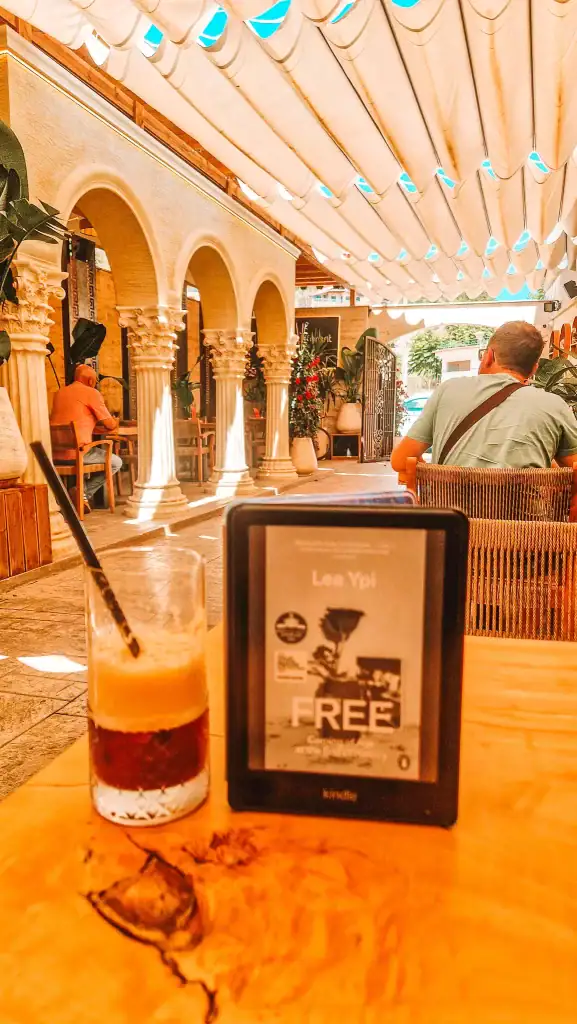
This exceptional memoir details the life of a young girl growing up in one of the most turbulent periods of modern history. Ypi tells the story of how she comes to understand the persecution her family faced – which becomes clearer as both her understanding deepens and Albania opens up after Communism.
The book is excellent in depicting this isolation – Ypi’s memories of foreign tourists, of the exotic appeal of Coca Cola cans and the foreigner-only shops really bring to life a country that is completely cut off from the world.
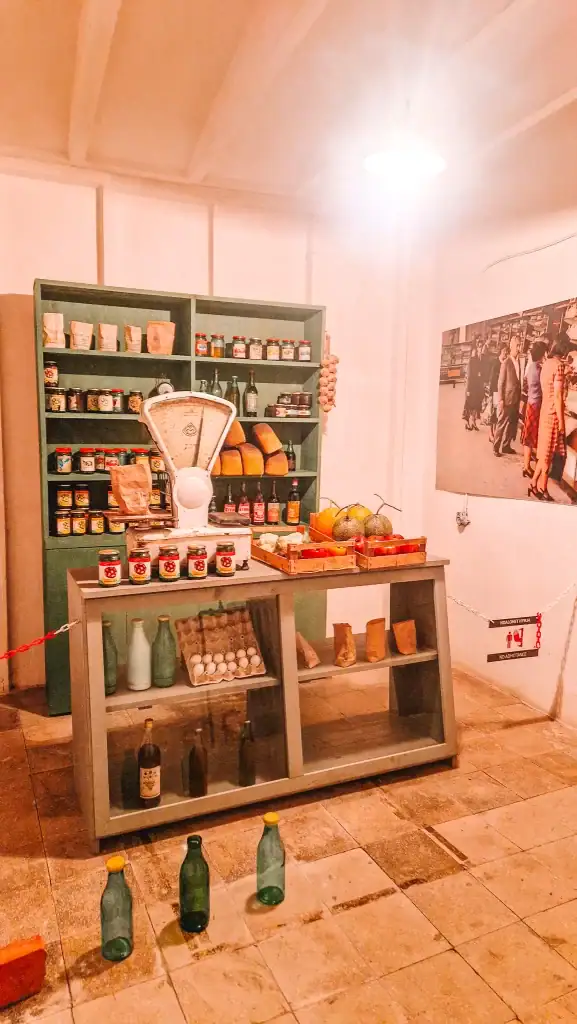
Free also takes us to a time that, in my six weeks of living in Albania, I never heard talked about – the ‘Albanian Civil War’ of 1997. Clearly still a traumatic subject, Ypi depicts the terror and chaos of this period through her own childhood diaries as well as more reflective sections.
🧭 Where it takes you: Albania in the 1990s
🏆 Awards: Winner, Ondaatje Prize from the Royal Society of Literature (2022): Winner, Lumo Skëndo Prize for the Best Work in Albanian Nonfiction (2022): Winner, Slightly Foxed First Biography Award (2022)
📖 Why read it: To understand modern Albania and the forces that shaped the difficult past of this beautiful country.
🌏 Does it link to Southeast Asia or China: There are clear links in this book to China under the Communist regime, and particularly to Wild Swans, one of the best books about China (and in general) I’ve ever read.
📘 Get Free: Coming of Age at the End of History in paperback → Get it here
📖 Read Free: Coming of Age at the End of History on Kindle → Get it here
👉 Want to bring this memoir to life? I recommend visiting the Bunk’Art Museums in Tirana. Bunk’Art 1 in particular has a section on everyday life under Communism. Find out more in my full guide to visiting Tirana or find one of my recommended cafes in Tirana where you can sit down to read Free.

🧱 Fiction Set in Communist-Era Albania
To understand how Albanians have processed decades of dictatorship, war, and isolation, fiction like Kadare’s offers both metaphor and mood — even if it’s not always an easy read.
The Fall of the Stone City
Author: Ismail Kadare, winner of the inaugural Man Booker International Prize in 2005 for his entire body of work
Date: 2008 (Albanian)/2013 (English)
Genre: Fiction
Summary: As the Italians leave Gjirokaster, a city in the south of Albania, the city prepares for the arrival of the Germans. One infamous night, the Germans arrive and are shot at and hostages are taken in reprisals. They are also invited to dinner at the house of Big Dr Gurameto, the local physician. By morning, the hostages have been released. The impact of this dinner follows Big Dr Gurameto into the Communist Era.
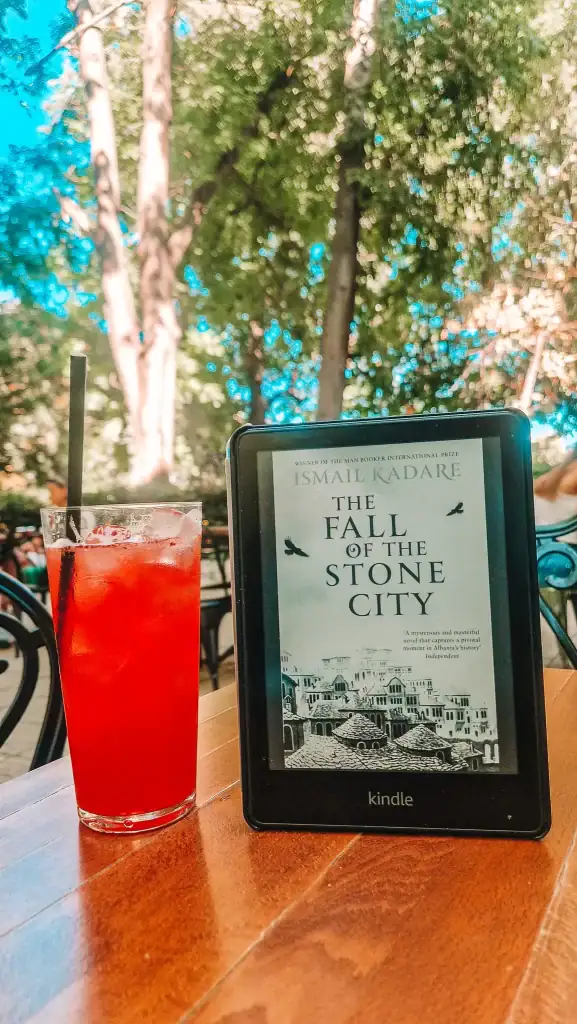
No book-lover’s visit to Albania would be complete without reading a book by Ismail Kadare, Albania’s most famous novelist, whose first book of poetry was published in 1954. His last novel was published in 2023, so his career spanned almost the entire Communist era as well as Albania’s move into democracy. He’s incredibly famous in Albania and considered one of the most famous Albanians of all time.
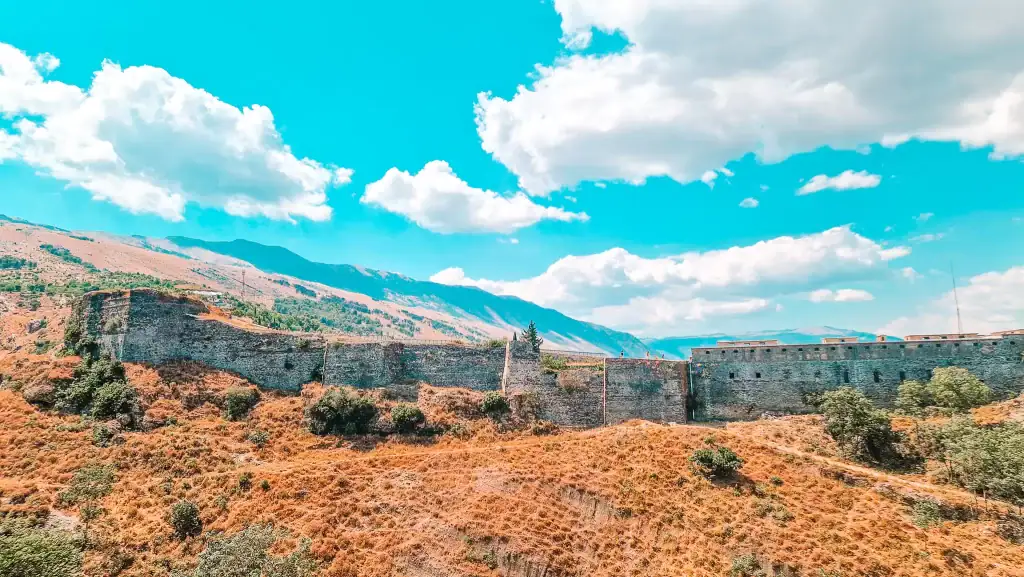
I read The Fall of the Stone City while I was visiting his hometown, Gjirokaster. I was so excited to read my first Kadare, but unfortunately this book didn’t deliver for me. I appreciated visiting some of the places mentioned in the novel (particularly the notorious prison in Gjirokaster Castle where Big Dr Gurameto is held later in the book), and enjoyed that the novel is based on a real person.
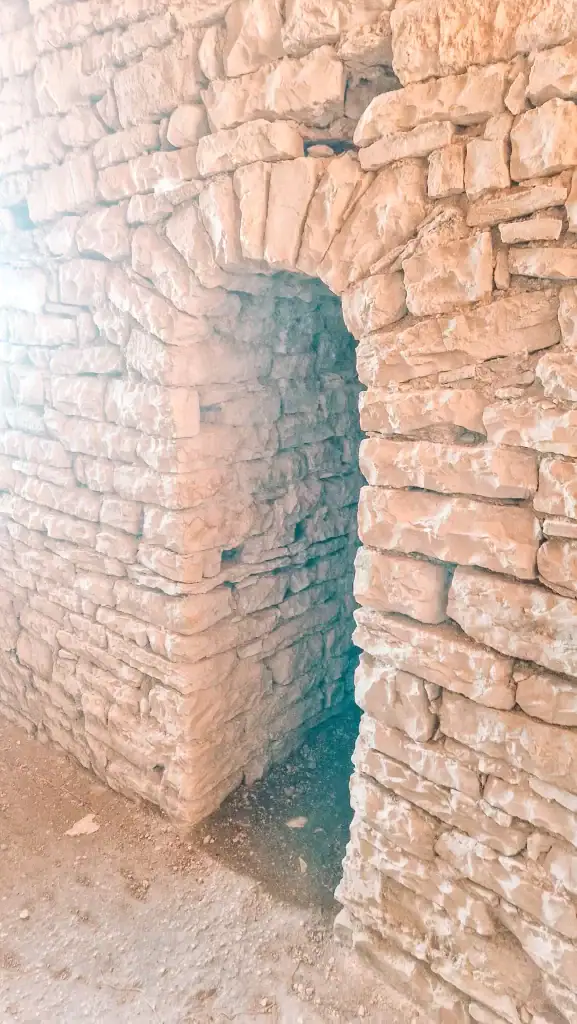

The novel’s focus on allegory and narrative distance made me struggle to engage with the book, though others may appreciate its literary ambition. It’s absolutely not the kind of fiction I prefer – it prioritises literary form over story. Characters are not fleshed out, and it’s written in an omniscient third person style, which creates distance from the characters and events.
While Kadare is rightly revered, The Fall of the Stone City may not be the most accessible introduction to his work.
🧭 Where it takes you: To Gjirokaster, a historic city in the south of Albania, during the German invasion in 1943 and into the Communist era
🏆 Awards: Rexhai Surroi Prize for Best Book of the Year (winner); Kosovo Independent Foreign Fiction Prize (Shortlisted)
📖 Why read it: To get a sense of the terror and confusion in Gjirokaster during the Second World War and into the 1960s
📘 Get The Fall of the Stone City in paperback → Get it here
📖 Read The Fall of the Stone City on Kindle → Get it here

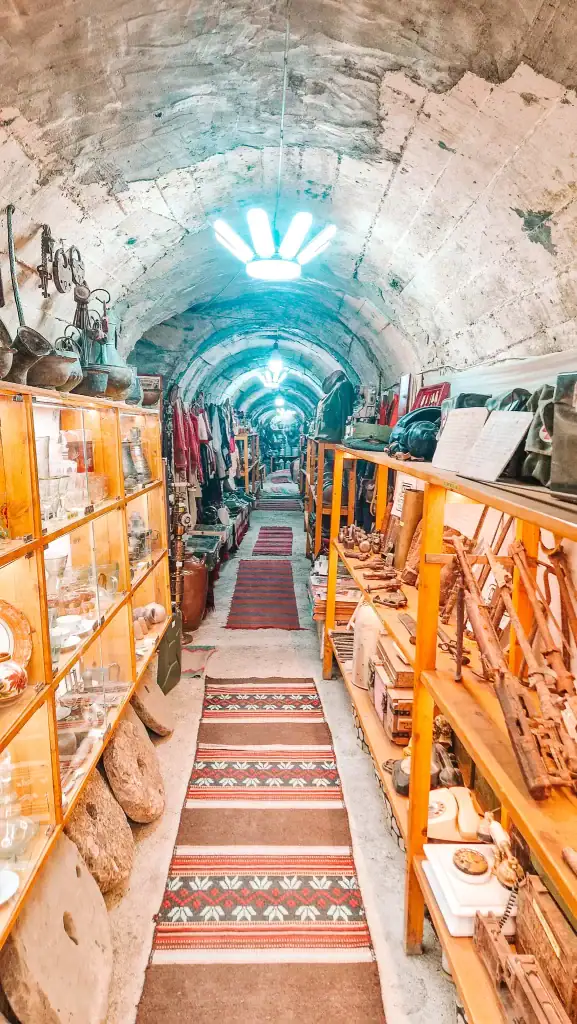
👉 Want to bring this novel to life? I recommend visiting Gjirokaster Prison, which features in the story – as well as the Cold War Tunnel, Collectors Cottage and Tunnel of Memorabilia in the town itself, all of which bring to life Gjirokaster in the communist era. Find out more in my full guide to Gjirokaster, or find the best cafe to read in while you’re there.
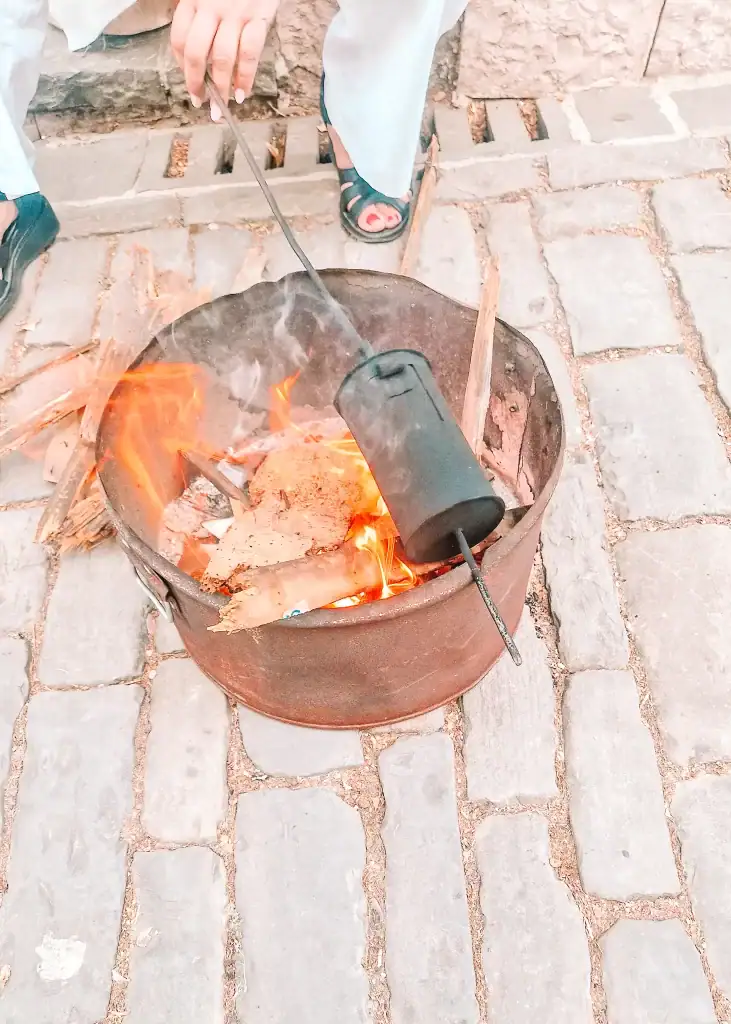
☕ Want to connect more deeply with this history? I took part in a stone coffee-making experience in Gjirokaster led by Lubjana, a local woman who shared stories of her childhood under communism — including how she used a traditional coffee roaster and ground coffee stones when pre-roasted beans were impossible to find. It was one of the most personal and moving insights I had into everyday life during Albania’s isolationist era.
🏔️ Travel Writing That Uncovers Albania’s Tribal Past
For readers curious about the tribal customs, folklore, and blood feuds of northern Albania — this early 20th-century travelogue is as gripping as it is surprising.
High Albania
Author: M Edith Durham
Date: 1909
Genre: Travelogue, anthropological study, memoir
Trigger warnings: Though Durham’s account is far more empathetic than many colonial-era travelogues, readers should approach it with an awareness of its early 20th-century biases, particularly in regard to gender and cultural generalizations.
Summary: During the summer of 1908, a British woman, Edith Durham, travels through the north of Albania and what is now Kosovo, meeting the mountain tribes of the area and visiting parts of Albania that have previously been off limits to foreigners.
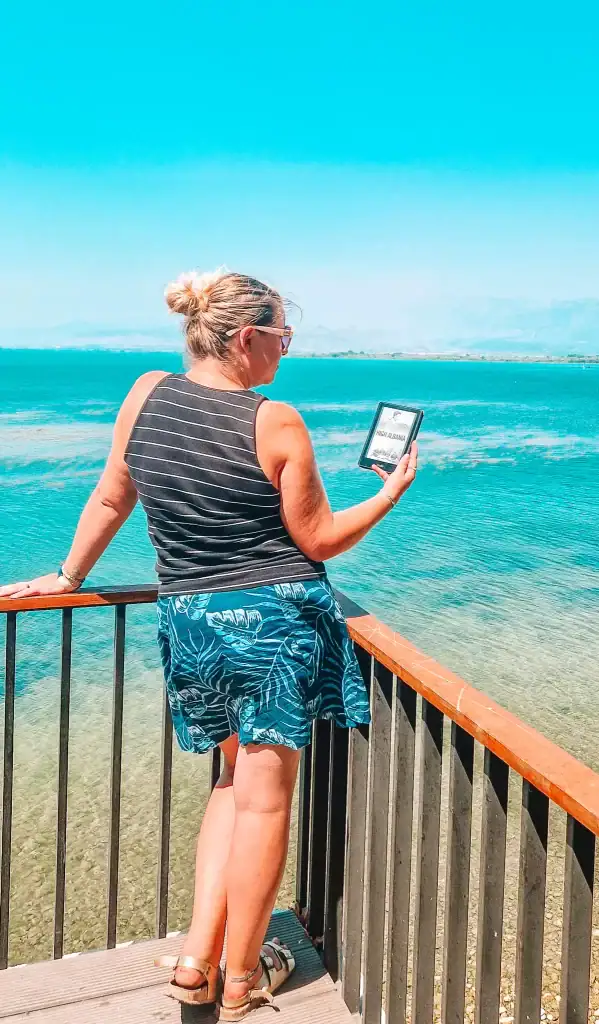
Mary Edith Durham was a British traveller, artist, and anthropologist who became one of the foremost Western chroniclers of Albanian life in the early 20th century. This extraordinary book is not for the weak (it took me a couple of weeks to read), but if you can make it through, it’s an incredible read.

Durham travels through northern Albania with just one permanent guide (poor Marko, who doesn’t often enjoy himself) and a series of hyper-local guides who take her from village to village. She travels over rough and dangerous terrain, often through areas that are ‘in blood’ with each other or forbidden by the ruling Turkish authorities.
The book details the customs, daily lives, history and folklore of the different groups living in Albania at this time – both Christian and Muslim. Despite its 1909 publication, the book feels surprisingly modern and tolerant, with Durham adopting an anthropological lens and only occasionally falling into patronising observation. Even the omnipresent blood feuds are examined with cultural sensitivity, rather than sensationalism.

High Albania also describes the changing ethnography of Kosovo, from a Serbian stronghold to somewhere populated almost exclusively by Albanians – an early insight into events at the end of the 20th century. It also follows the arrival of ‘Constitution’ in Albania, a precursor to the end of the Ottoman Empire, but still viewed with enormous distrust by many Albanians.
If you make it to the end, you’ll be met with the chilling phrase ‘The next few years should be interesting’. Written in 1909, just five years before events in the Balkans kicked off one of the bloodiest conflicts in human history, this shows the often overlooked importance of this part of the world to world events.
🧭 Where it takes you: Northern Albania and what is now Kosovo at the beginning of the 20th century
🏆 Awards: While the book itself did not win awards, Durham herself did. She was awarded a medal from Albania’s King Zog for her work on Albania; she is a Citizen of Honour of the city of Shkoder; in 2004, Albanian President Alfred Moisiu described her as “one of the most distinguished personalities of the Albanian world during the last century”.
📖 Why read it: For a deep cultural understanding of Albania and Kosovo at the start of the 20th century, including customs, history and folklore, and the approach of modernity to Albania.
🌏 Links to other areas of interest: Durham visits Kosovo during her travels – particularly Prizren – and her experiences are fascinating when seen in the context of later history.
📘 Get High Albania in paperback → Get it here
📖 Read High Albania on Kindle → Get it here
👉 Want to bring this book to life? Visit Shkoder, the gateway to the Albanian Alps, where you’ll find aa street named after Durham and her picture in the Marubi National Museum of Photography. Even better – take a day trip from Shkoder to the Shala River (✨4.8/1/4k+ reviews), which features in the book.

Looking for Connections Beyond Albania?
📖 Related Reads: If You Loved Wild Swans
One of the reasons Free resonated so deeply with me is that it reminded me of Wild Swans, a book that explores the personal cost of living under an authoritarian regime. If you’re drawn to memoirs that explore dictatorship, or the experience of intergenerational trauma, there are several other books worth exploring.
For stories of survival and resistance under communism in other parts of the world, you might enjoy:
- 📘 Wild Swans by Jung Chang — A sweeping, intergenerational memoir set in Maoist China. Read my full review. Chang has also just (September 2025) published the long-awaited sequel – Fly, Wild Swans – which I can’t wait to read.
- 📘 What My Bones Know by Stephanie Foo – A powerful memoir about growing up as the child of Malaysian immigrants in the U.S., and the long shadow of both personal and intergenerational trauma. Foo explores how her experiences of abandonment, cultural displacement, and emotional abuse led to a diagnosis of complex PTSD, and what healing might look like when the trauma is layered, inherited, and often invisible.
- 📘 Books About China – My full guide to books that explore modern Chinese history, politics, and personal stories.
- 📘 Books About Vietnam – Stories that explore life before, during, and after war in a country with its own complex relationship to communism.
- 📘 Books About Malaysia – Novels that explore identity, migration, and colonial legacies in one of Southeast Asia’s most diverse nations.
These books, like the ones about Albania, don’t just recount historical events — they invite you into people’s homes, memories, and heartbreaks. If that’s your kind of travel reading, I think you’ll find them just as compelling.
💡 Pro Tip: Wild Swans is currently on Kindle Unlimited in the UK, and others may be at different times. Availability varies by country, so it’s worth checking if you already subscribe — or you can try Kindle Unlimited free for 30 days here.
Frequently Asked Questions About Books on Albania
What is the best book to read before visiting Albania?
If you’re looking for one book that captures the essence of modern Albania, Free: Coming of Age at the End of History by Lea Ypi is an excellent choice. It’s a memoir that offers rare insight into Albania’s transition out of communism, seen through the eyes of a young girl growing up in Tirana during the 1990s.
Are there any books about Albania under communism?
Yes. Both Free by Lea Ypi and The Fall of the Stone City by Ismail Kadare delve into life under Albania’s communist regime — though in very different ways. Free is a deeply personal memoir, while The Fall of the Stone City uses fiction and allegory to explore the paranoia and political repression of the time. Many of Kadare’s other books also explore Albania under communism.
Is there a book that explores Albania’s rural or tribal history?
High Albania by Edith Durham is a classic travelogue from 1909 that documents her journey through northern Albania and what is now Kosovo. It offers a fascinating look at tribal customs, mountain life, and the blood feuds that shaped traditional Albanian society.
Do I need to know Albania’s history to enjoy these books?
Not at all. Many of these books serve as introductions to Albania’s history and culture. Free and High Albania are especially helpful for first-time readers, as they provide accessible and personal entry points into the country’s complex past. For The Fall of the Stone City, it’s useful to have a basic understanding of the Second World War (the alliance between Germany and Italy, for example), so that the events at the beginning are clearer.
Are these books available in English?
Yes, all of the books listed in this article are available in English, either in print or on Kindle. Some are translations from Albanian or other languages, while others (like Free) were written in English by Albanian authors.
Where can I buy books about Albania?
You can find all the books mentioned in this post on Amazon — both in paperback and Kindle editions. I’ve included links to each title so you can grab them easily and start reading before your trip. While some of them are available to buy in Albania itself, I don’t recommend this – import taxes mean that they are very expensive (around €30 per book).
📚 Shop My Albania List & Travel reading essentials
Here are my top picks , plus the travel reading gear I swear by:
- Free: Coming of Age at the End of History – Paperback | Kindle
- The Fall of the Stone City – Paperback | Kindle
- High Albania – Paperback | Kindle
✨ Travel Reading Essential
- Kindle Paperwhite – my go-to travel reader
- Clip on book light – perfect for hostels & night buses
- Waterproof Kindle Cover – essential for beaches & pools
Albania is a country that rewards curiosity. Whether you’re wandering the quiet streets of Gjirokaster, hiking up to the imposing Berat Castle or sipping coffee in a busy Tirana café, having a deeper understanding of its history and culture adds so much to the experience.
These books won’t just help you understand Albania — they’ll help you feel it. From the ideological confusion of post-Communist youth, to the myths and bloodlines of the northern highlands, to the surrealism of Kadare’s fiction, each book opens a door into a place most travellers barely scratch the surface of.
If you’ve read any of these, or have a favourite book about Albania that I haven’t mentioned, I’d love to hear from you. And if you’re planning your trip, I hope these stories make your journey even richer.
Happy reading — and safe travels!
Planning a Trip to Albania?
If you want a culture-first travel guide to inland Albania — with realistic itineraries, destination deep dives, practical bus travel guidance, and advice on extending your trip into neighbouring countries — Albania, Unlocked is designed to help you plan a confident, well-paced journey beyond the beaches.
👉 Explore inland Albania thoughtfully with Albania, Unlocked
If you’re still in the early inspiration or research phase, you can also download my free Culture-First Traveller’s Guide to the Balkans, covering Albania, North Macedonia, Kosovo & Bulgaria — focused on travelling with context, curiosity, and care.
👉 Get the free culture-first guide
And if you’d prefer someone to build a personalised itinerary for you — tailored to your time, interests, pace, and travel style — I also offer custom trip planning, including Albania and wider Balkan routes.
👉 Request a custom Albania itinerary
Em is a writer and slow traveller who spent six weeks exploring Albania — from mountain villages to coastal towns. She shares thoughtful reading lists and culture-first travel guides for those who want to understand the stories behind the places they visit.
✅ All photos featured on this blog are from my personal travel experiences. No stock images are used.


