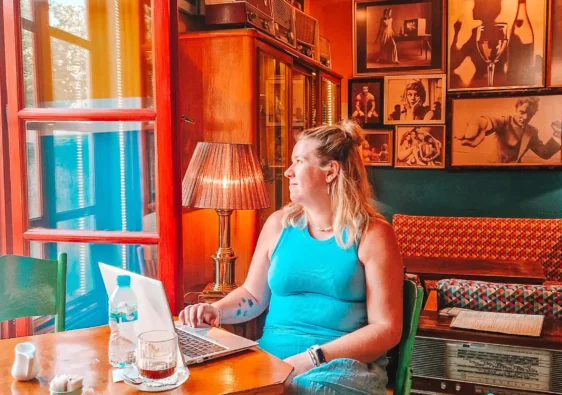
 Em
EmJust so you know: This post contains affiliate links. As an Amazon Associate, I earn from qualifying purchases. I may also earn a small commission if you book a tour, hotel, or buy something else through these links. It helps me keep this blog running and full of travel tips. Thanks for your support!
Skopje isn’t the kind of city you visit just for the museums — but if you’re spending more than a day or two here, they quickly become part of the story. During my month living in the Macedonian capital, I set myself a quiet challenge: visit every museum I could find, from the ones tucked behind the Old Bazaar to the huge national institutions built as part of the city’s strange reinvention ‘Skopje 2014’.
Some were moving. Some were confusing. One had a wax figure hanging from the ceiling. A few were completely deserted, with dusty carpets and signs that looked like they hadn’t been updated since Yugoslavia. But all of them — in their own way — revealed something about North Macedonia’s history, identity, and the way the country wants to be seen.
If you’re wondering which museums in Skopje are worth your time (and which are, honestly, a bit skippable), or just trying to figure out what to do in Skopje indoors on a wet day, this is the guide I wish I’d had when I arrived.
Skopje’s Best Museums
Use this interactive map to find all of Skopje’s museums.
The Museum of Macedonian Struggle – best museum in Skopje for understanding Macedonia
- Cost: 300 MKD
- Time: Approx. 1 hour
- Prioritise?: Yes, especially if you want to learn about Macedonian history
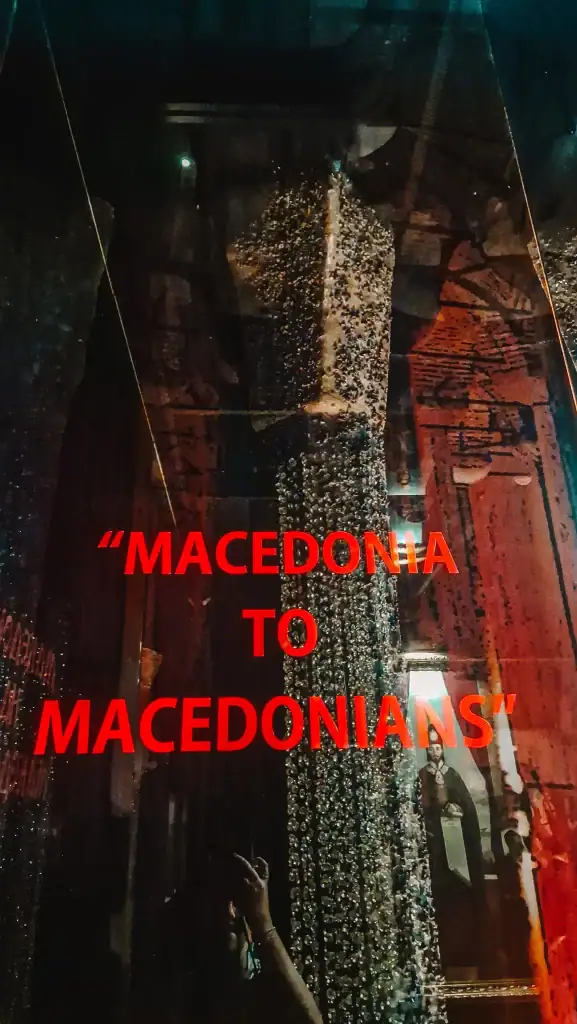
This is the best of Skopje’s museums, in that it’s well organised, modern, and the exhibits have useful accompanying information. I learned a lot from this museum, including about the Ilinden Uprising, which started in beautiful Krusevo in the south of the country. But what I came away with most strongly was the reinforcement of my understanding of how important language is for national identity – something I saw in Gjirokaster at the Obelisk of Education, but also know from my family’s Irish heritage.
However – this museum is not for the faint of heart. It’s long and detailed, and wants you to have an underlying understanding of Macedonian history and personalities before you start – I was definitely getting lost among all the many people who fought for Macedonian independence.
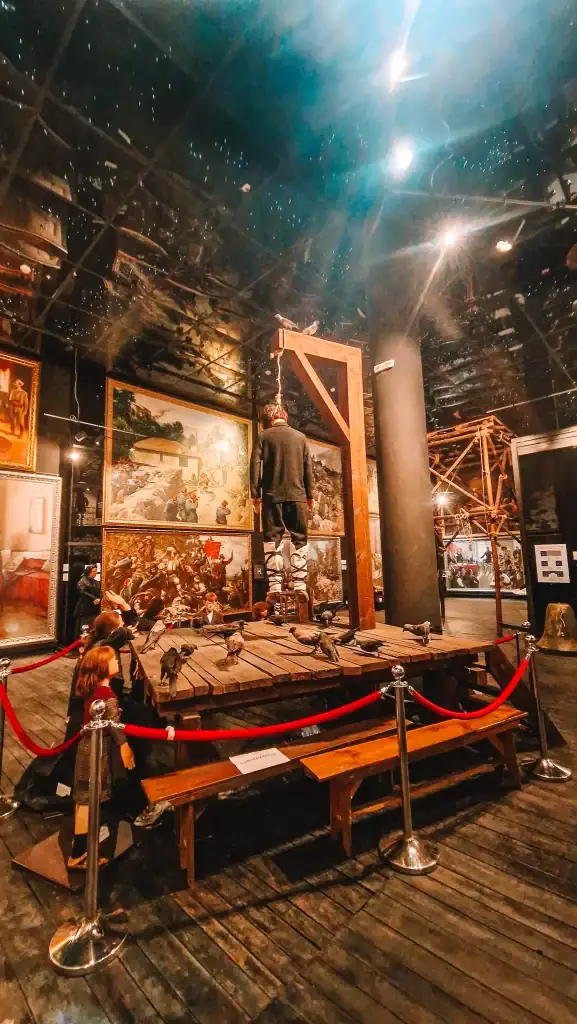
And there are waxworks… they are extremely lifelike, and one is being hung from the ceiling while his children watch. It has definite horror movie vibes!
⚠️ Content note: This section discusses the Holocaust, Zionism, and the formation of Israel. Please read with care if you’re currently impacted by related events.
Holocaust Memorial Centre for the Jews of Macedonia – best overall museum in Skopje
- Cost: 100 MKD
- Time: 1 – 1.5 hours
- Prioritise: Yes
The name “Holocaust Memorial Centre” only tells part of the story of this powerful and beautifully designed museum. Housed in a striking modern building next to the Museum of Macedonian Struggle, this space offers an immersive, respectful, and carefully curated look at Jewish history in the region.
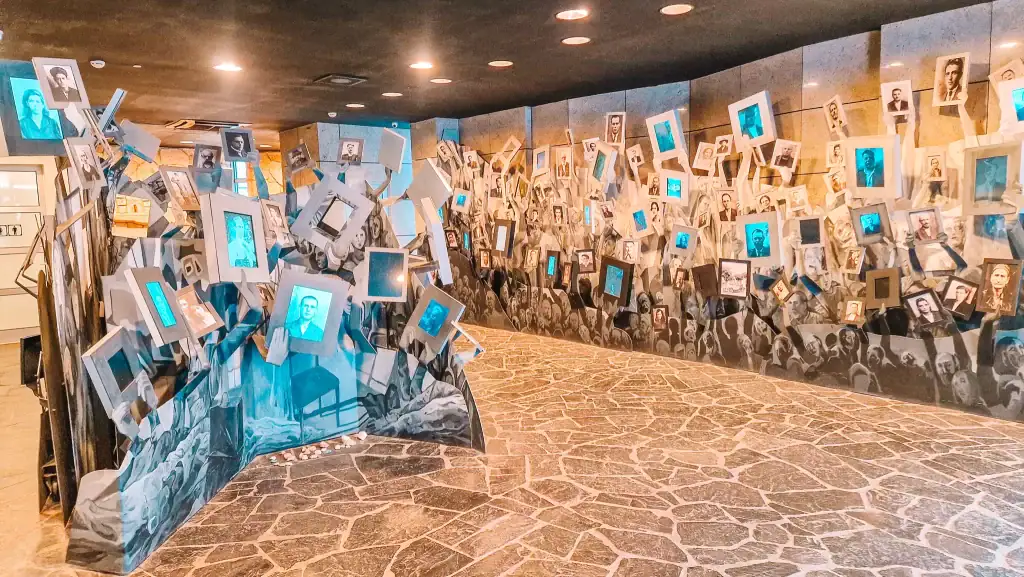
The museum starts with the wider history of the Jewish population of Macedonia, with a particular focus on the expulsion of the Jews from Spain in 1492 and their subsequent move to the Balkans. It covers the formation of Ladino, he unique Judeo-Spanish language spoken by this community, and the contributions of Jewish communities across Macedonia, including in Skopje itself and Bitola in the south.
As the museum moves into more modern times, it explores the fall of the Ottoman Empire and the impact that had on Jewish communities, before moving on to the Holocaust. This section of the museum is incredibly moving, with innovative use of videos and immersive installations. As a history graduate, I found the focus on Macedonia’s own experience of the Holocaust incredibly powerful — a side of history not often covered elsewhere.
Note: The final rooms also address the rise of Zionism in early 20th-century Macedonia and the involvement of Jewish partisans in anti-fascist resistance movements. The exhibition concludes with the formation of the State of Israel, framed within its historical context. If you’re feeling emotionally impacted by current events in Gaza, please know that these sections may feel more challenging to engage with. The museum presents them with a historical lens, but it’s okay to move through these parts at your own pace.
Similar sites on my travels
If, like me, you’re drawn to spaces that reflect on the lasting impact of violence and authoritarianism, this museum may resonate with you. It reminded me of similar places I’ve visited in Europe, like the Bunk’Art Museums in Tirana and the Site of Witness and Memory in Shkodër, both in Albania, and across Southeast Asia – from the Tuol Sleng Genocide Museum and Landmine Museum in Phnom Penh and Siem Reap , to the UXO Museum in Luang Prabang and COPE in Vientiane. These are not easy places to visit, but they offer something rare: the chance to witness, reflect, and remember.
The Museum of Macedonia – full of ethnographic highlights
- Cost: 150 MKD
- Time: Approx. 45 minutes
- Prioritise: Yes, if you love Brutalist buildings or have a particular interest in ethnography, but ultimately this museum doesn’t live up to it’s potential.
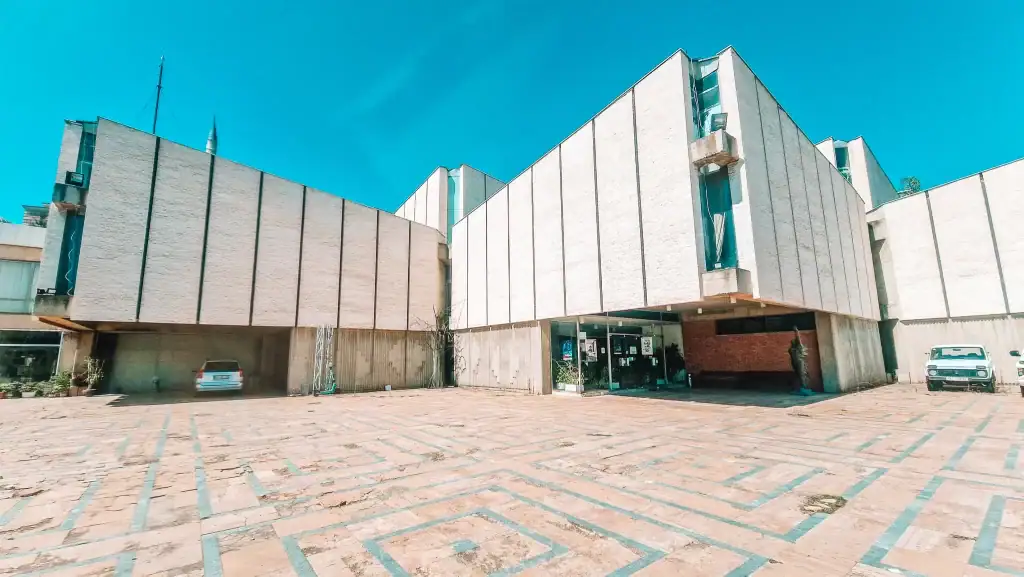
This museum near the Old Bazaar is is in an impressive Brutalist building. Unfortunately, for me this clashes painfully with the more historic architecture of the Old Bazaar – but it certainly makes it visible.
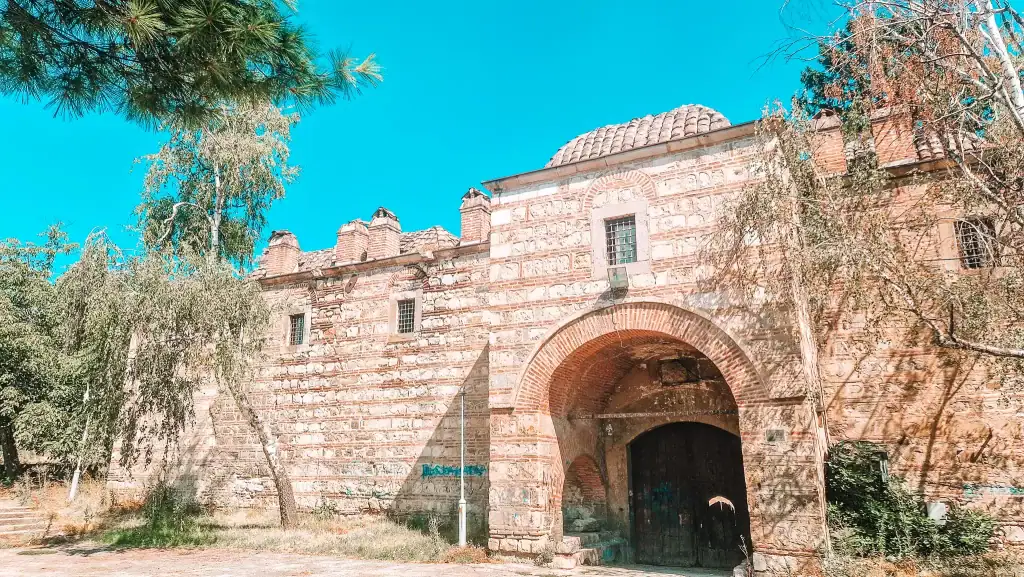
The museum has two sections. The first is a modern exhibition detailing the evacuation of Macedonian children following the Second World War. The exhibit is well done and atmospheric, but very one-sided – I left wanting to do further research on an area of history I know nothing about.
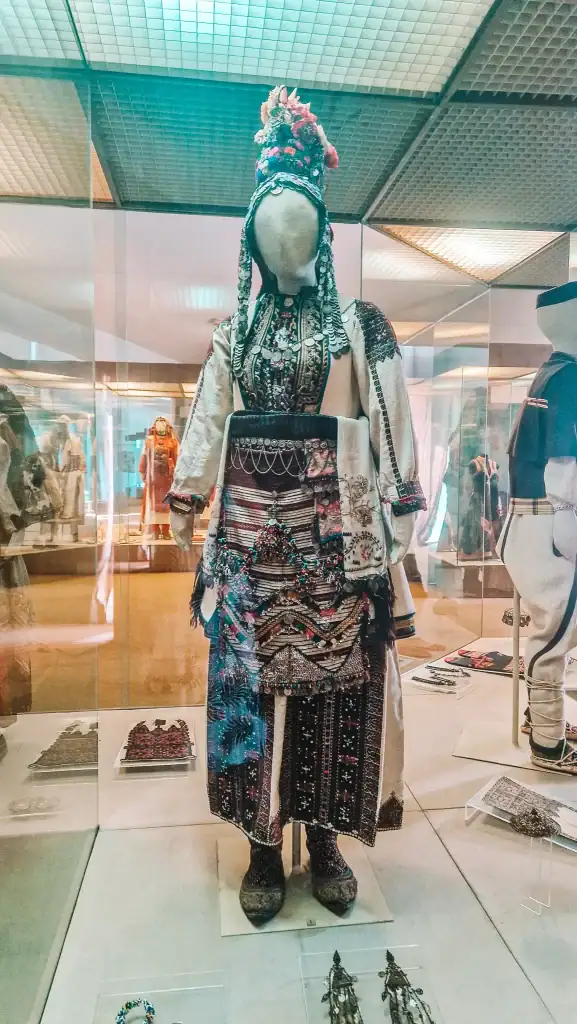
The second area is the Ethnographic Museum -it’s full of fascinating traditional Macedonian outfits from different parts of the country, as well as some recreations of traditional homes and buildings. But it has almost no accompanying information (especially for the outfits) and the building itself looks like it hasn’t been updated since it was inaugurated under former Yugoslavia – the glass cases were full of dead flies and the yellow carpet covered in water stains. I was the only person in there, so there were even more horror movie vibes!
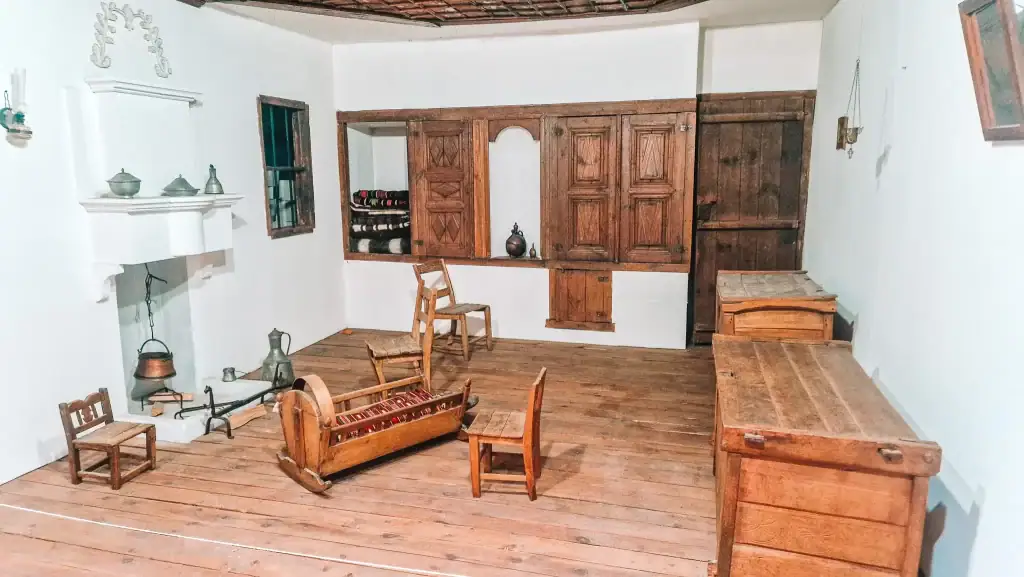
The museum has so much potential, and it doesn’t quite live up to it. But it’s still worth a visit – if you can find the entrance (it took me three tries) – find the Ottoman Caravanserai and walk through to the stairs at the back, which will lead you to the entrance.
Archaeological Museum of the Republic of Macedonia – highlights Macedonia’s incredible historical depth
- Cost: 100 MKD
- Time: Approx. 30 minutes
- Prioritise: No, especially if you are also going to visit Lake Ohrid, where the archaeological museums have more context
This museum is in one of the many enormous Skopje 2014 buildings, and has a beautiful modern interior. There are a range of artefacts inside from various digs across Macedonia, and they really highlight how long there have been complex civilisations in Macedonia and the archaeological richness of sites across the country – with some artefacts as old as those in the amazing Bay of Bones Museum in Lake Ohrid.
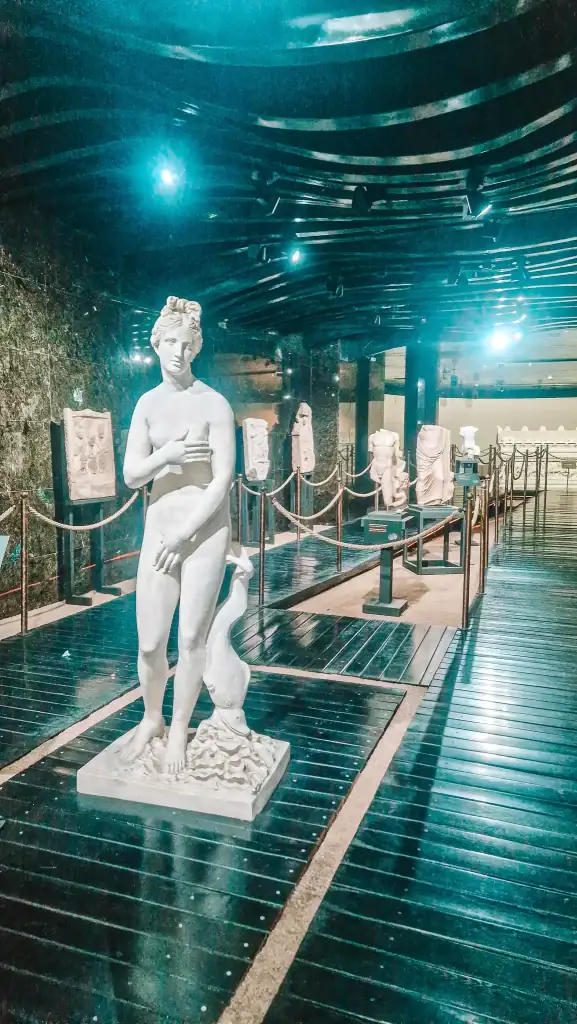
However, while the artefacts are beautifully laid out, there’s no accompanying context, which makes for a quick visit around the museum. In my opinion, it’s definitely worth popping in, but you won’t need much time.
👉 Want to explore North Macedonia’s rich archaeological past? Don’t miss my Bitola Travel Guide: Visiting Heraclea Lyncestis and Beyond.
National Gallery of Macedonia – for lovers of modern art or old buildings
- Cost: 100 MKD for each
- Time: Approx 20 minutes for the National Gallery on the river
- Prioritise: if you love modern art
Skopje’s National Gallery is split across two historic buildings in the Old Bazaar — and while the art varies, the architecture alone makes them worth a visit.
The first space, just off the river, typically features a solo exhibition from a Macedonian artist. When I visited, it was a sculptor whose work didn’t quite land with me — but the setting was beautiful, peaceful, and ideal for a short break from the bustle outside.
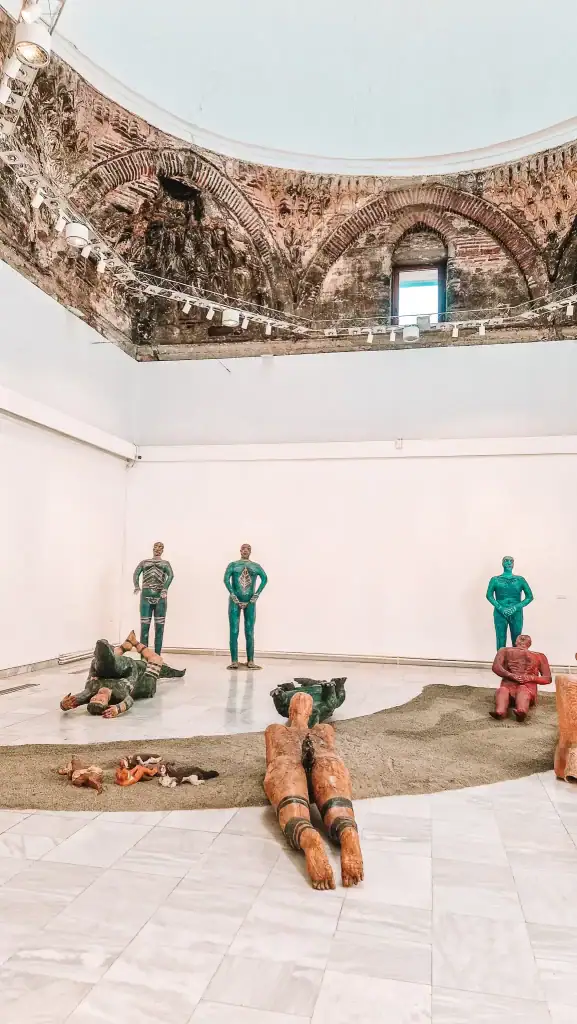
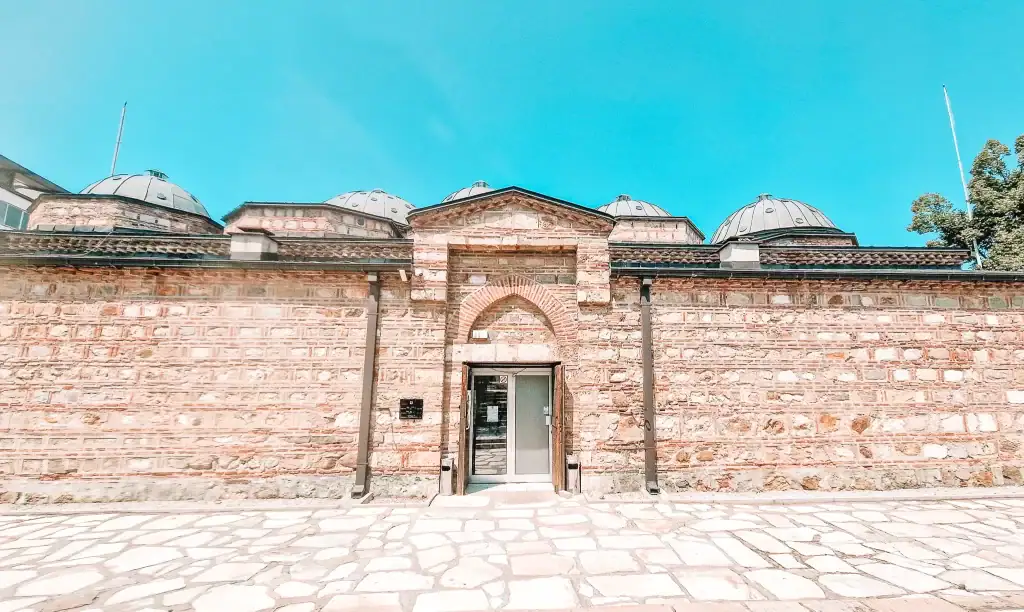
The second location is tucked deeper inside the Old Bazaar, hidden in a small courtyard — easy to miss, so keep an eye out! This building is a former Ottoman hammam (bathhouse), and still retains its soaring brick vaults and domed ceilings. It’s a stunning place to wander, even if the exhibition isn’t your style.
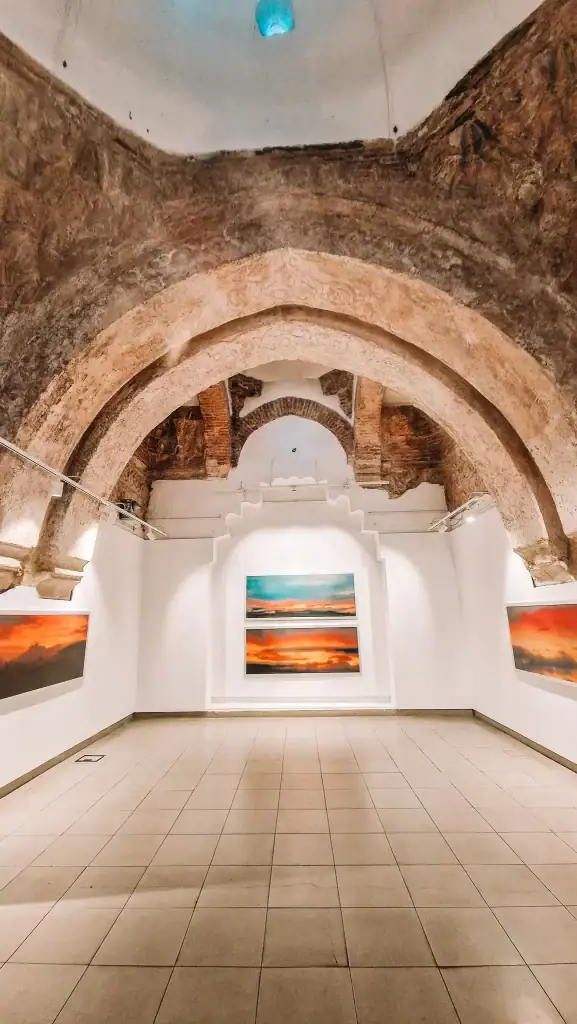
During my visit, the gallery featured Zaneta Vangeli, a 20th-century Macedonian photographer known for her political and portrait work.
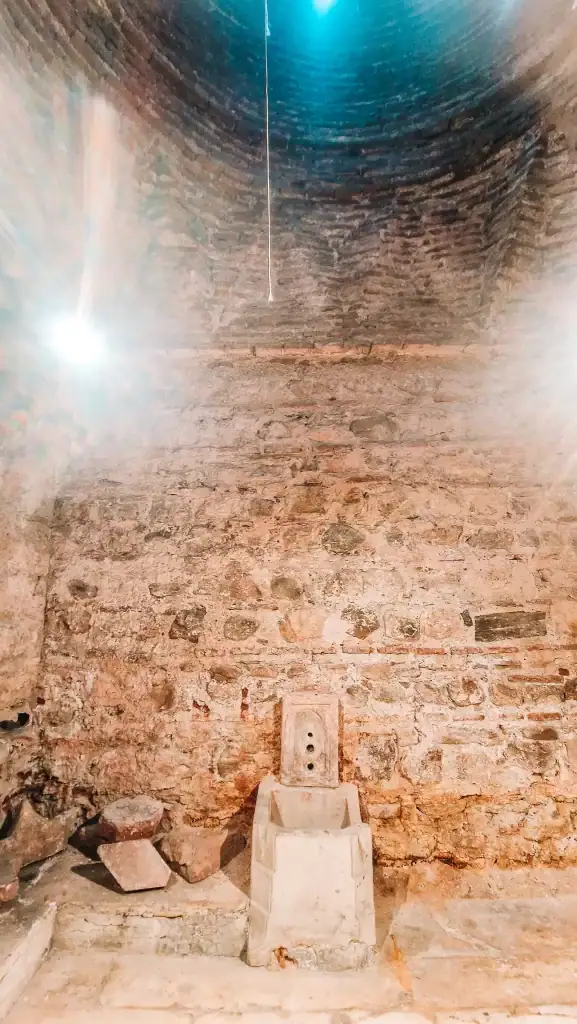
While I found the exhibition interesting, my highlight was the small preserved room that shows what the hammam would originally have looked like — a quiet, unexpected slice of Skopje’s past.
Skopje Museum – a Brutalist insight into Skopje before the earthquake
- Cost: free
- Time: Approx. 30 minutes
- Prioritise: No
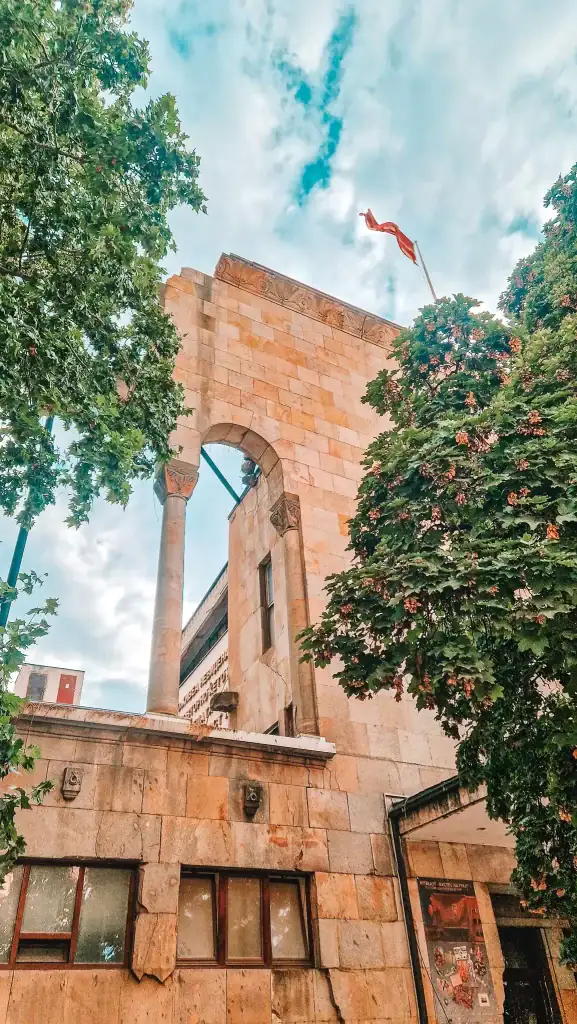
This museum is in the very Brutalist old train station building, and is now helpfully situated between two of Skopje’s major malls – so it’s a great stop if you need to go to the supermarket or want a quick bit of shopping. Cafe Literatura, one of my favourite Skopje cafes, is just next door.
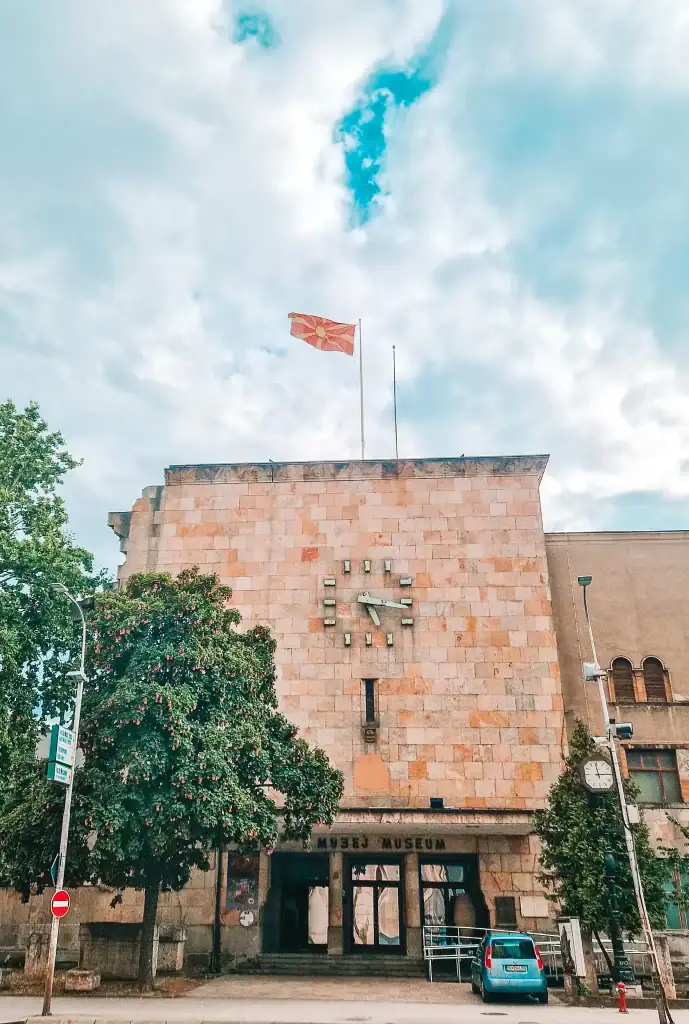
The museum is another strange one that feels like it’s well overdue an update – but given that it’s free to enter, it’s hard to criticise. My main takeaway from the museum was the section that had postcards showing Skopje before and after the 1963 earthquake – it was a very atmospheric way of highlighting the devastating damage the city experienced.
💬 Looking for ruins instead of wax figures? The Skopje Fortress is free to explore and offers great views — but there’s no signage or historical context onsite, so I’ve included it in my full Skopje city guide.
🛏️ Where to Stay in Skopje (for Museum-Hopping Made Easy)
If you’re planning to explore Skopje’s many museums, it helps to stay central — most major ones are clustered around Macedonia Square, the Stone Bridge, and the Old Bazaar. Here are a few solid options within easy walking distance of nearly every museum mentioned in this guide:
- 🛌 Hostel Central Skopje – Affordable, clean, and just a short walk from the Archaeological Museum and Museum of the Macedonian Struggle. Great for budget travellers who want to stay close to the river and cultural core. 9.2 from 300+ reviews.
- 🏙 Aparthotel Waldinger Skopje – Well-located just off Macedonia Square, this mid-range pick is tucked inside a shopping centre — great for grabbing snacks, SIM cards, or a last-minute umbrella. Rated 9.3 from 70+ reviews.
- 🚢 Hotel Senigallia – If you’re looking for a stay that’s both central and memorable, this galleon-style boat hotel sits on the river right next to multiple museums. It’s quirky, yes — but also walkable to everything.
🎒 What to Pack for Visiting Skopje’s Museums
Most of Skopje’s museums are walkable, inexpensive, and just a little bit weird — but a few simple items can make your visit a lot more comfortable (and enjoyable):
- 🔋 Mini handbag charger – Some museums are unexpectedly long (looking at you, Museum of Macedonian Struggle). This lightweight charger keeps your phone alive for maps, translations, and that essential café break after.
- 🔇 Loop earplugs – A few museums echo like old train stations… because they are old train stations. These subtle earplugs are great for cutting out background noise if you’re sensitive to sound.
- 👟 Comfortable walking shoes – Some museums are spread out or tucked in strange corners. You’ll likely walk more than you expect — comfy sandals or trainers are a must.
- 🎧 Wireless earbuds – Handy if you’re using a self-guided tour app, watching YouTube videos about Macedonian history, or just want to drown out the creepy wax museum ambience. These are the ones I keep in my handbag.
- 🔌 Multi-port plug adapter – If you’re charging devices in your hotel before a museum-heavy day, this adapter is my go-to: fast, reliable, and works across Europe.
- 🥤 Reusable water bottle – not all Skopje museums had aircon — even when it was 35°C. I got seriously thirsty! Use a reusable bottle to stay hydrated and refill at Skopje’s safe drinking fountains (they’re everywhere in the centre).e
Frequently asked questions about Skopje’s museums
Are the museums in Skopje worth visiting?
Yes — but it depends what you’re looking for. If you’re interested in Balkan history, post-Yugoslav identity, or slightly offbeat museum experiences, many of Skopje’s museums are fascinating. Some feel underfunded or unfinished, but others are genuinely moving and well-curated.
Which is the best museum in Skopje?
The Museum of the Macedonian Struggle is the most complete and well-presented museum in the city — though it’s also intense, both emotionally and visually (there are wax figures and some graphic content). If you prefer art or ethnography, try the National Gallery or Museum of Macedonia.
How much do Skopje museums cost?
Most museums in Skopje are very affordable:
✔ Expect to pay around 100–150 MKD (approx. €1.50–€2.50)
✔ Some museums, like the Skopje Museum, are completely free
✔ Many don’t take card — bring small cash
Are Skopje museums open on Sundays?
Opening hours in Skopje can be unpredictable, and many museums close on Sundays or Mondays (or both). Some also close early in the afternoon. Always check the official website or social media — but even then, hours are often out of date. (I learned this the hard way!) Try to be aware of Macedonian holidays like Macedonian Independence Day on August 2nd – museums closed for this, but did not update their Google profiles.
Are the museum exhibits in English?
Most museums have at least some English signage, but the quality varies a lot. The Museum of the Macedonian Struggle has good translations, while others (especially the older or smaller ones) may have little to no English. That said, many exhibits are visual enough to still be worth visiting.
Skopje’s museums aren’t always polished or predictable — but that’s part of their charm. Some are powerful, some are puzzling, and a few feel like time capsules from a very different era. But together, they offer something you won’t get just wandering the city: a deeper glimpse into North Macedonia’s identity, struggles, and spirit.
Whether you’re curious about Macedonia’s fight for independence, want to see centuries-old traditional outfits, or just enjoy the thrill of walking into an eerily empty gallery with flickering lights (it happens), there’s something in Skopje’s museum scene for every kind of traveller.
If you’re building your Balkans itinerary, don’t miss my full Things to Do in Skopje guide — or check out these next posts to keep planning:
- 📍Best Cafés in Skopje for Culture, Coffee & Chill
- Day Trips from Skopje – Mountains, Canyons & Quirky Villages
- 14 Best Things to Do in Lake Ohrid, Macedonia
- 48 Hours in Tirana – A Guide to Albania’s Underrated Capital, including some of Tirana’s amazing museums
- Explore Bitola: Roman Mosaics, Ottoman Charm & Atatürk
- 10 Unforgettable Cultural Experiences in Albania, North Macedonia & Kosovo
- Balkans Religious Landmarks: Mosques, Monasteries & Churches to Visit
- Why You Should Visit Albania, Montenegro & North Macedonia Before Everyone Else
✨ Planning a longer trip? Don’t miss my Culture-First Guide to the Balkans, covering Albania, North Macedonia, Kosovo and Bulgaria — with slow travel tips, history-rich stops, and local insights.
Or if you’d prefer someone to build a personalised itinerary for you — tailored to your time, interests, pace, and travel style — I also offer custom trip planning, including wider Balkan routes. 👉 Request a custom itinerary
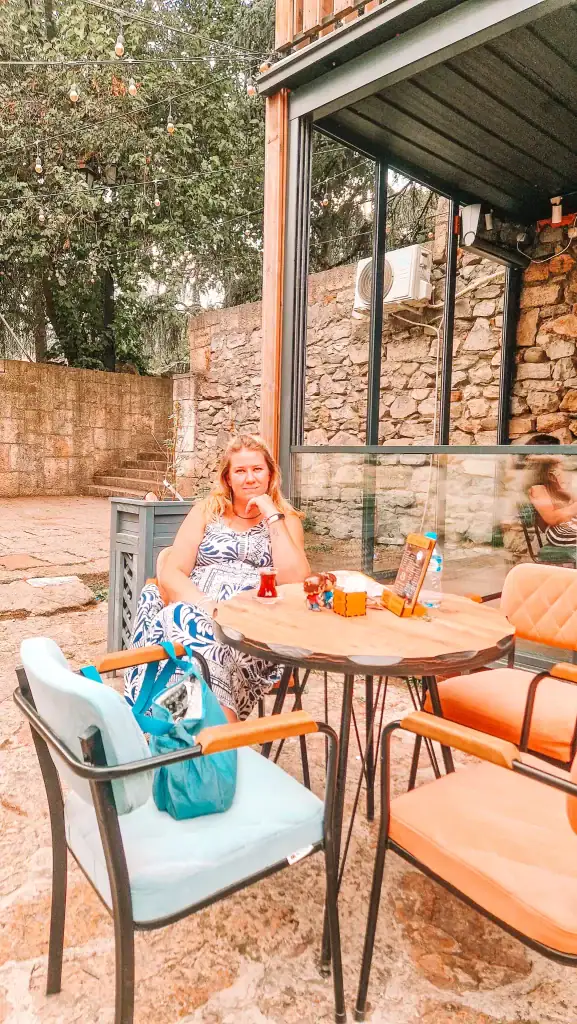
Em is a travel writer with a degree in history and a passion for exploring the stories behind places. After spending a month living in Skopje, she set out to visit every museum in the city — from grand institutions to hidden corners — to better understand North Macedonia’s complex past. When not wandering dusty galleries, Em writes cultural travel guides across the Balkans and beyond.