 Em
EmJust so you know: This post contains affiliate links. As an Amazon Associate, I earn from qualifying purchases. I may also earn a small commission if you book a tour, hotel, or buy something else through these links. It helps me keep this blog running and full of travel tips. Thanks for your support!
Laos is one of the most beautiful countries in Southeast Asia — and one of the most underestimated. Too often it’s treated as a gap between Thailand and Vietnam, or skipped entirely in favour of places that feel easier. After spending over a month travelling Laos in 2024, I think that’s a mistake. This is a country of misty limestone mountains, wide quiet rivers, golden temples, and a pace of life that feels almost untouched compared to its neighbours. It’s slower, gentler, and far less performative — and if you give it time, it gets under your skin.
Two weeks in Laos is tight, there’s no pretending otherwise. Distances are deceptive, transport is slow, and rushing doesn’t suit the country. But if two weeks is what you have, this itinerary is designed to make it count. It balances iconic highlights like Luang Prabang and Vang Vieng with quieter, less-visited stops such as the 4,000 Islands, and ends in one of the most memorable ways possible — drifting down the Mekong into Thailand. It won’t show you everything, but it will give you a genuine overview of Laos: its landscapes, its history, its rhythm — and, crucially, a reason to come back.
Why This Works as a 2-Week Route

This two-week route is designed for travellers arriving from Siem Reap, Cambodia — a quieter but very viable entry point into Laos that avoids the crowds concentrated along the Laos–China Railway between Luang Prabang and Vientiane.
It assumes arrival into Don Det or Don Khon in the 4,000 Islands late on day one, following the Siem Reap–Pakse land crossing, as I did.
If you prefer to skip the border crossing, you can also fly into Pakse Airport from Siem Reap, Ho Chi Minh City or Vientiane, then take a short onward journey to the 4,000 Islands. The route still works cleanly either way.
What this itinerary does well:
- Avoids stacking multiple difficult travel days back-to-back
- Preserves Laos’ strongest contrasts: river → capital → karsts → culture
- Ends with a natural onward route into Thailand, making it easy to continue a wider Southeast Asia trip
What’s deliberately not included:
- The full Bolaven Plateau loop or guided Bolaven day tour
- Nong Khiaw
- The Gibbon Experience
All three are excellent — but they deserve time, not compromise.
👉 If you’re looking for those experiences, see my 3-week Laos itinerary or the 2-week North Laos route.
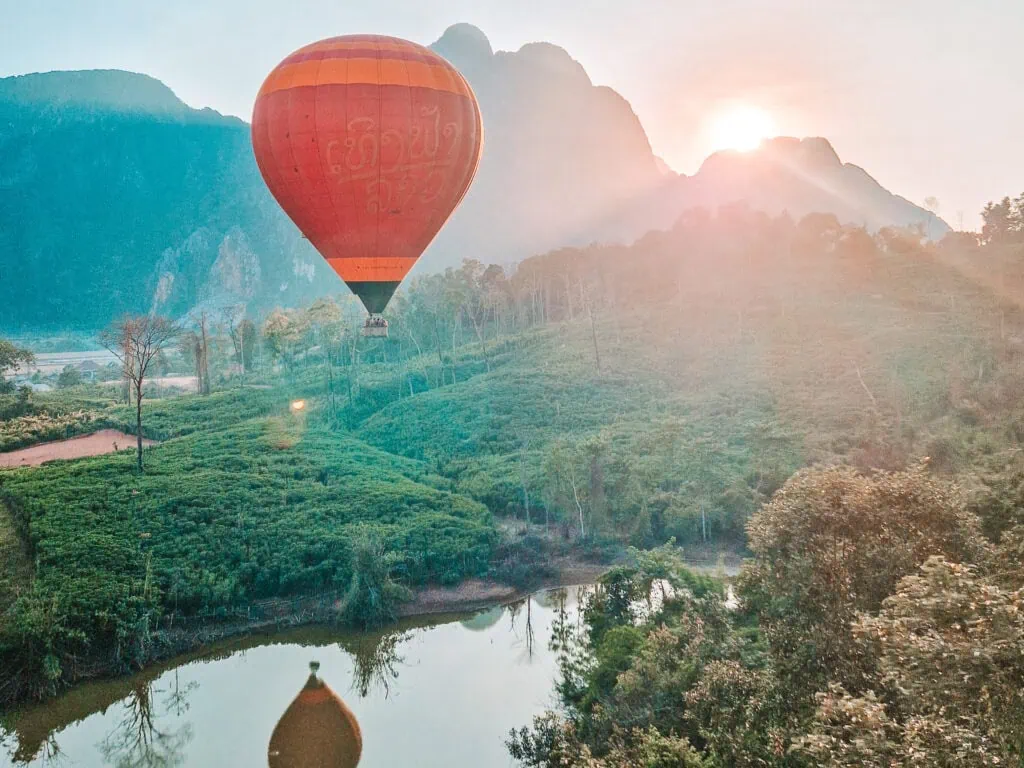
2-Week Laos Itinerary Overview (South → North)
| Day | Location |
|---|---|
| 1 | Arrive in Don Det |
| 2 | Don Det |
| 3 | Don Det |
| 4 | Don Det → Pakse → **Vientiane OR Don Det → Pakse** |
| 5 | Vientiane OR Pakse → Vientiane |
| 6 | Vientiane → Vang Vieng |
| 7 | Vang Vieng |
| 8 | Vang Vieng |
| 9 | Vang Vieng → Luang Prabang |
| 10 | Luang Prabang |
| 11 | Luang Prabang |
| 12 | Slow boat (Luang Prabang → Pak Beng) |
| 13 | Slow boat → Huay Xai → Thailand |
Stop 1: Don Det (4,000 Islands)
- 3 nights | 2 full days
- Vibes: Chill sunsets and cycling
Don Det forces you to slow down immediately — which matters more in Laos than anywhere else in Southeast Asia. After border admin, heat and long journeys, the islands give you space to reset before the harder logistics kick in. Spend your time cycling flat, gentle roads to visit waterfalls, and sipping a Beer Lao as the sun sets over the Mekong.
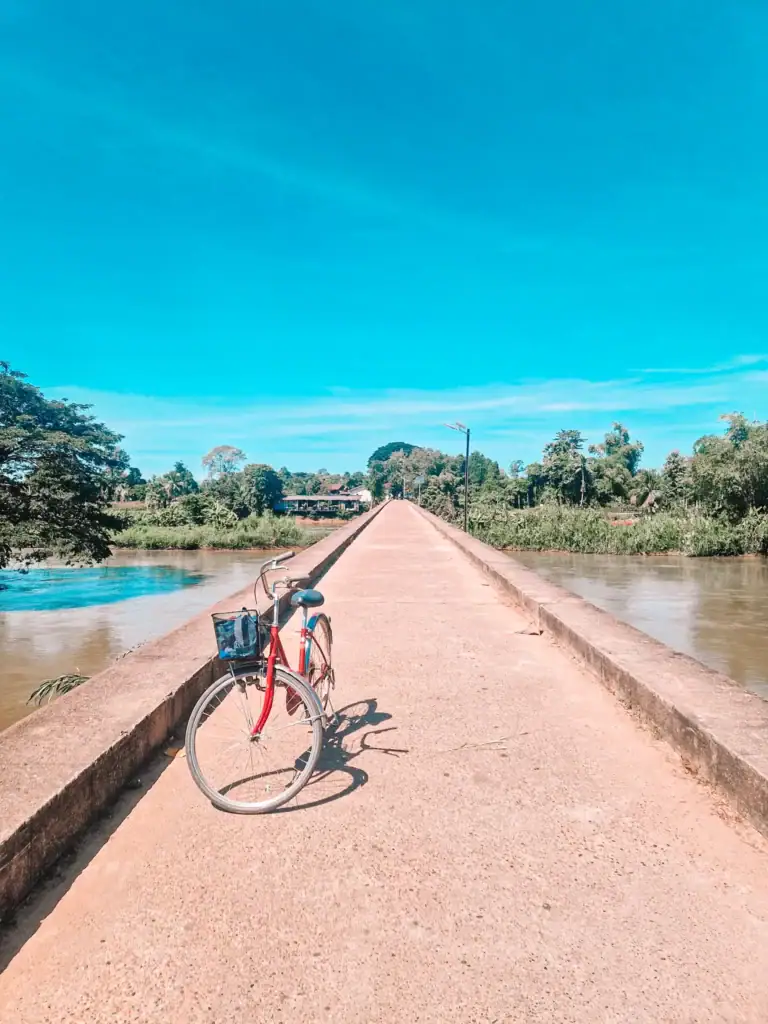
Where to stay:
- Namnong View – small, simple guesthouse on the sunset side of the island with aircon, hammocks on the river and an excellent restaurant. ✨8.8/230+
Practicalities: There are no ATMs on the islands and almost everything is cash only (including accommodation). If you need an ATM, use one before getting on the boat (not easy, they don’t work reliably) or if you’re really stuck, there are shops offering a pricey (but secure) withdrawal service on the islands. See more in my guide to Laos Travel Basics.
Onward Transport: After the 4,000 Islands, do not take the bus from Pakse to Vientiane unless you have no other option. It’s long, uncomfortable, and runs on poor roads.
Instead, this is the moment to fly:
- Boat + bus from Don Det to Pakse (depart around 11:00, arrive ~14:30)
- Taxi or tuk-tuk to Pakse Airport
- 1-hour flight to Vientiane
You have two realistic ways to do this:
- Same-day transfer: Take the afternoon boat/bus, then catch the evening flight to Vientiane. This is efficient but slightly tight and tiring – but it saves you another accommodation move/unpack.
- Low-stress option: Overnight in Pakse, then take the morning flight to Vientiane. You’ll still arrive early enough to see COPE and Pha That Luang the same day.
Vientiane Airport is close to the city centre, and taxis via the Loca app make arrival easy.
👉 Find out more: Don Det / 4,000 Islands full guide
Stop 2: Vientiane
- 2 nights | 1 full day
- Vibes: Context and history in Southeast Asia’s most chill capital
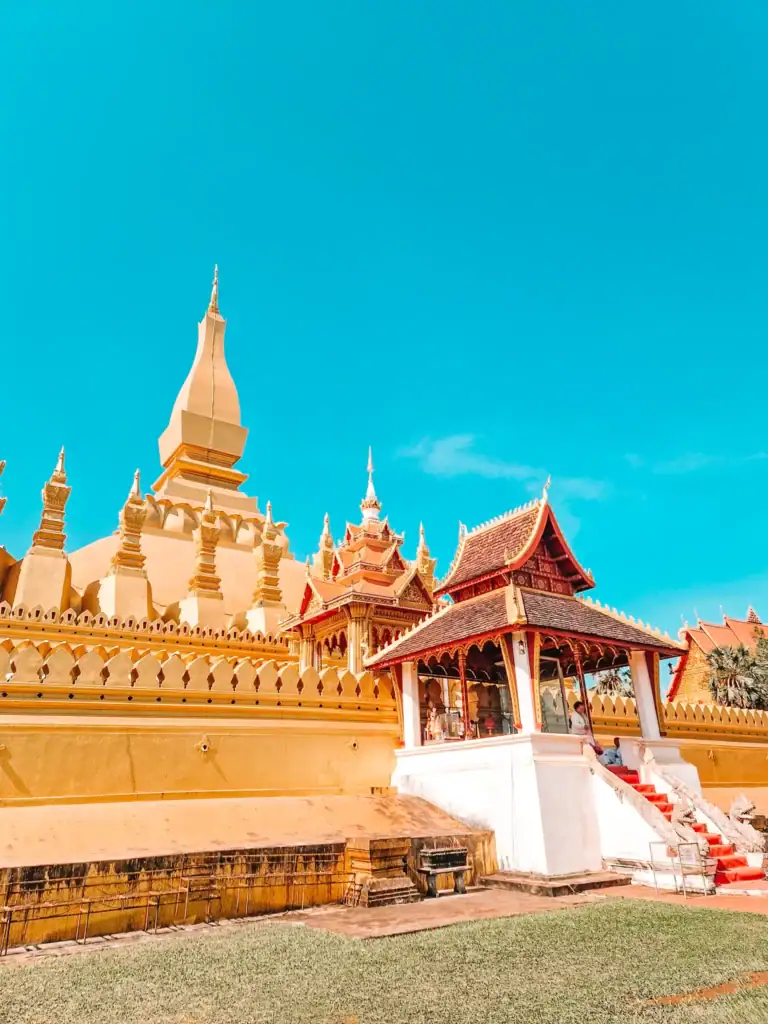
One intentional day is enough to understand Laos’ recent history before heading north. COPE provides vital insight into the ongoing impact of unexploded ordnance in Laos, while Pha That Luang anchors the city spiritually and culturally. Between them, wide boulevards, good cafés and relaxed night markets make the capital feel calm rather than chaotic.
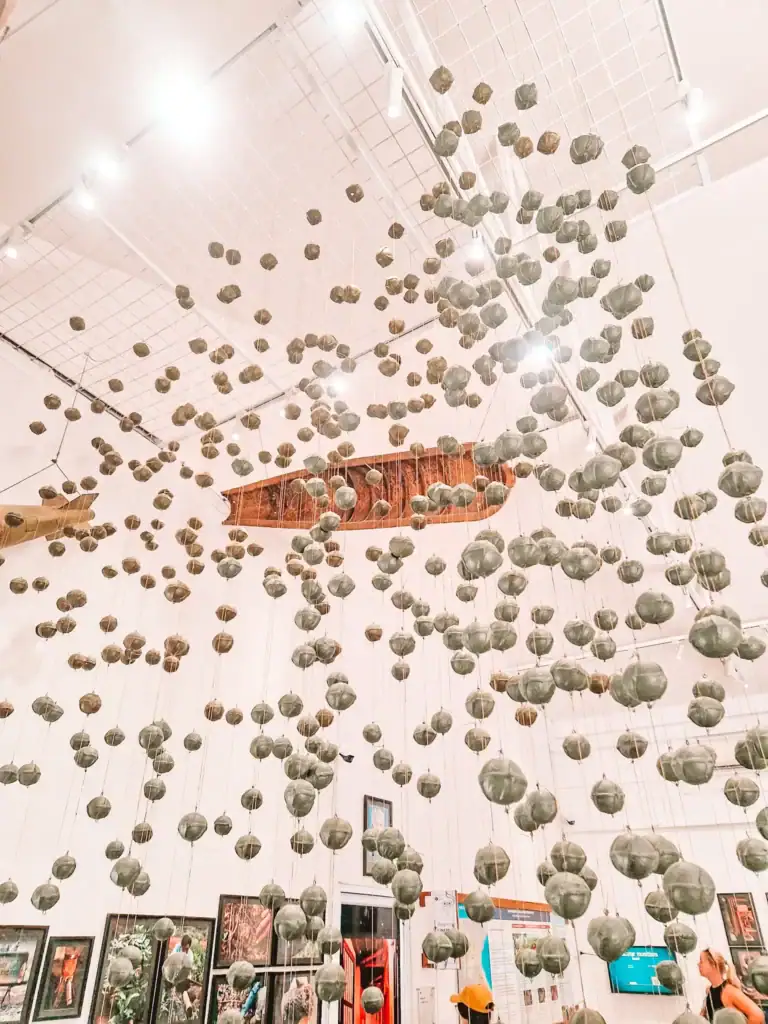
Where to stay:
- Peaceful 2 Hotel – mid-range option in a central area with friendly staff 9.3/250+
Practicalities: Vientiane is one of the easiest places in Laos to manage logistics: ATMs are more reliable, SIMs are easy to buy, and taxis via the Loca app actually work.
Onward transport:
- Train to Vang Vieng. For details on how to book Laos’ trains, see my Laos Travel Basics guide.
👉 Read more: My full 1-day Vientiane itinerary, including COPE, temples, cafés and where to eat
Stop 3: Vang Vieng
- 3 nights | 2 full days
- Vibes: stunning landscapes and hot air balloons in one of Laos’ most incredible landscapes
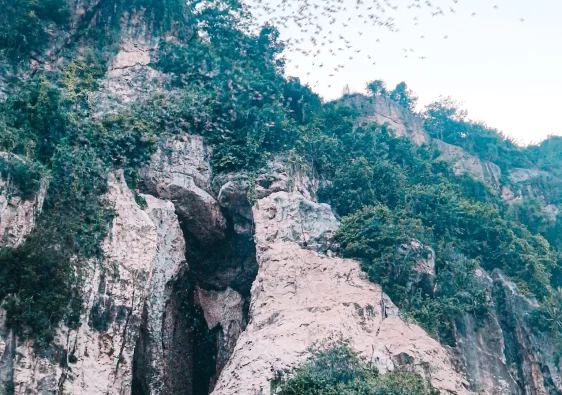
Vang Vieng is surrounded by towering limestone karsts, misty mornings, rivers cutting through green valleys. Even if you do nothing else, simply being here and looking around is enough to justify the stop.
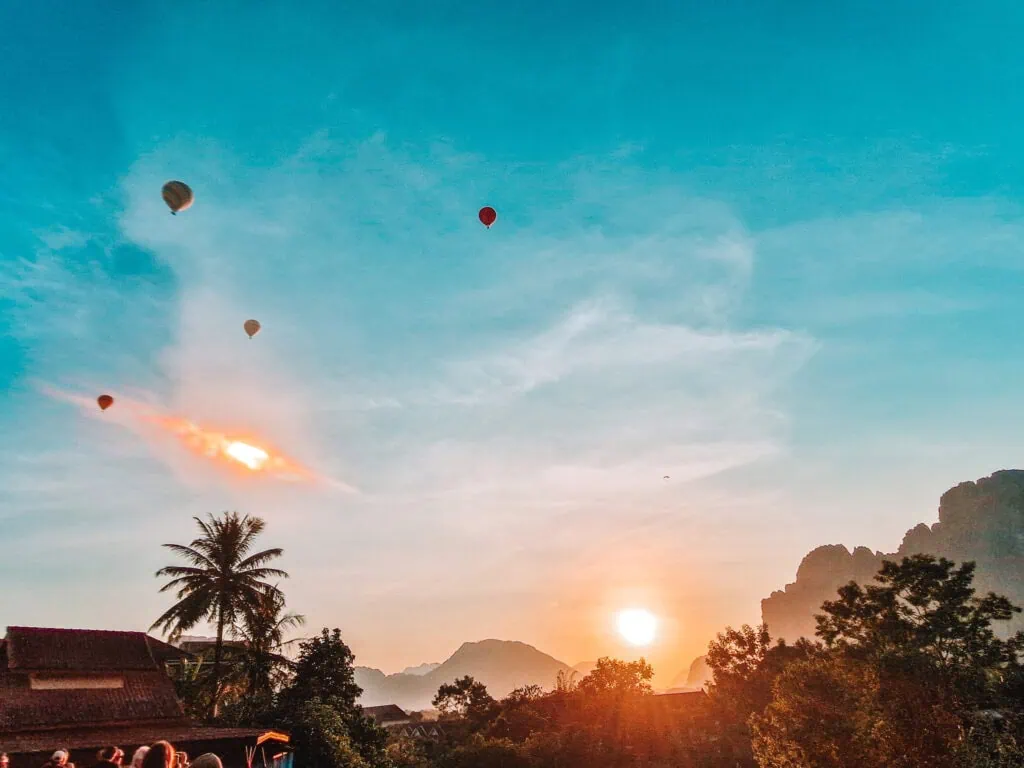
This is what I’d prioritise:
- Hot air ballooning: This is one of the cheapest places in the world to take a hot air balloon ride, and the views over the karst landscape at sunrise are genuinely spectacular. I flew with and recommend Above Laos – they are French/Laos owned and subscribe to European safety standards.
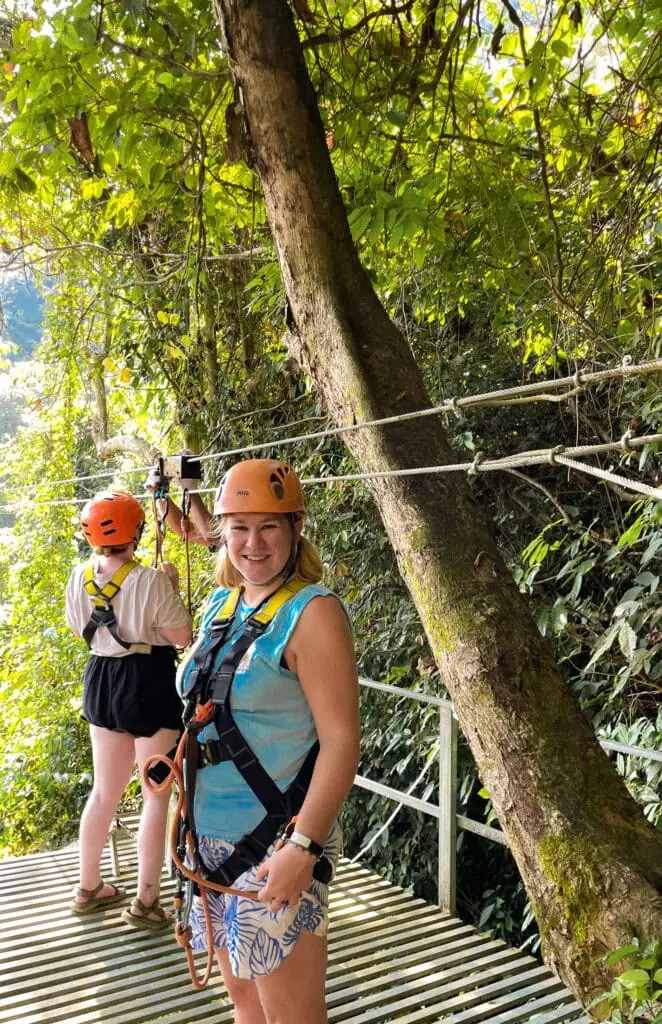
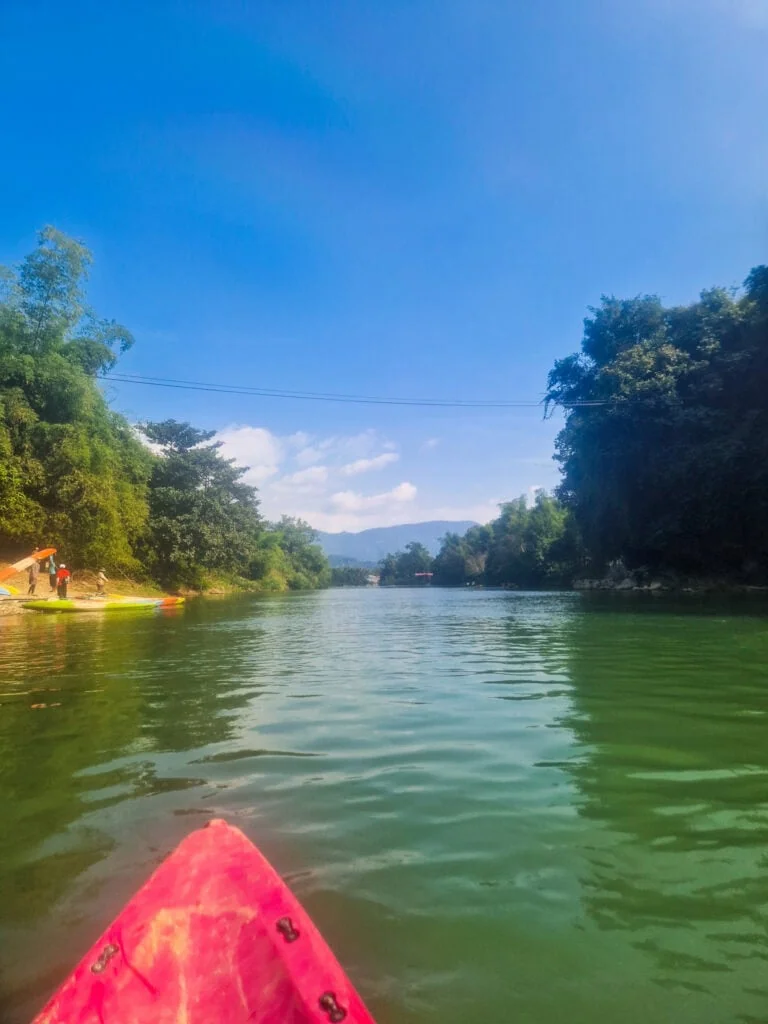
- One-day adventure tours: Customisable itineraries combine kayaking, viewpoint hikes, ziplining, lagoons and cave tubing
- Lagoons: If adventure tours aren’t your thing, just pick a lagoon and spend the day there. Swimming, reading, drifting — it’s the easiest way to enjoy the landscape at your own pace.
Where to stay:
- Premier Vang Vieng Hotel – budget hotel accommodation that’s central but not noisy, with a great vegetarian restaurant just opposite. Needs some TLC, but clean and great value, especially the included breakfast ✨8/1k+
Practicalities:
- The train makes arriving and leaving Vang Vieng straightforward and the station isn’t far from the centre.
- Cash is still important here, especially for activities and transport.
Onward transport:
- Train to Luang Prabang
Stop 4: Luang Prabang
- 3 nights | 2 full days
- Vibes: Golden temples, blue lagoons and a city bursting with history
Luang Prabang is one of my favourite places in the world. Set between the Mekong and Nam Khan rivers, this UNESCO-listed city feels deeply historic without being frozen in time. If there’s one place in Laos that rewards lingering, it’s here.
Prioritise:
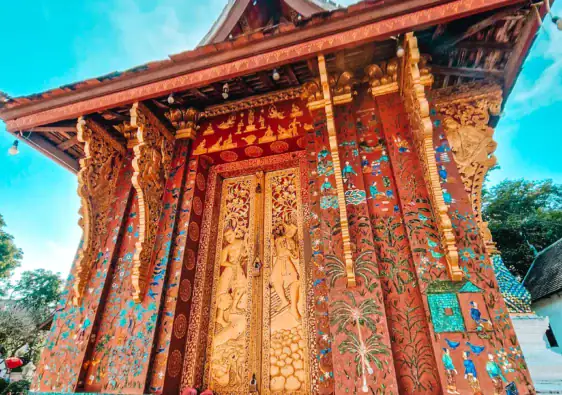
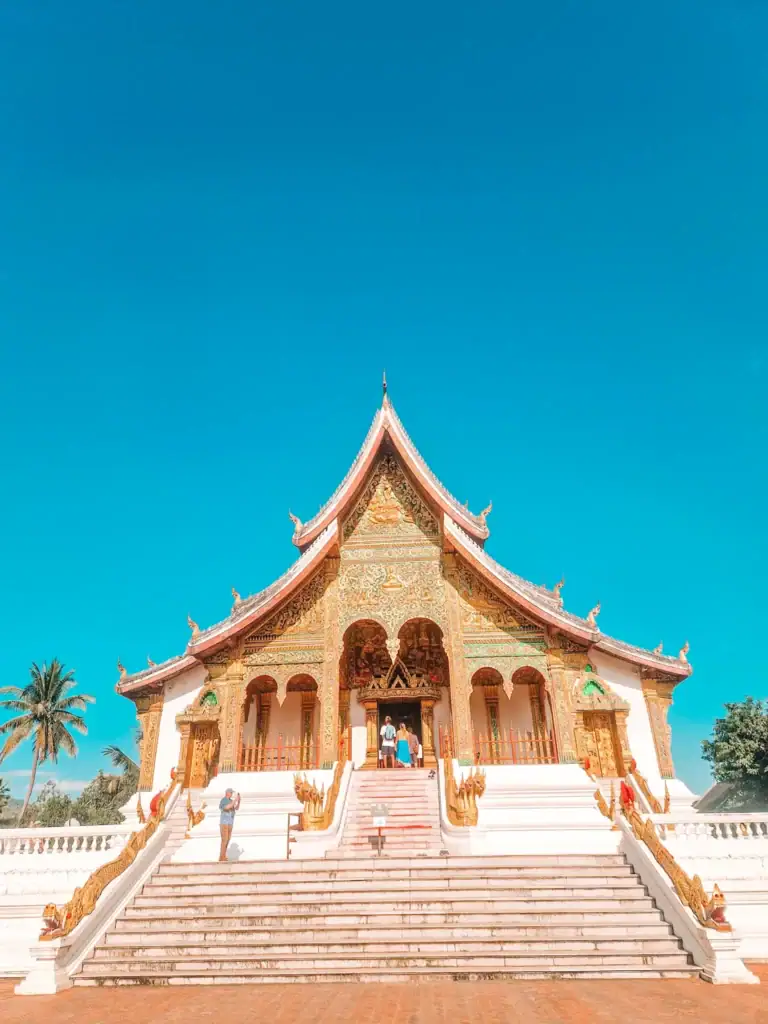
- Temple wandering: The compact centre is packed with beautiful wats. Wat Xieng Thong is the standout, but the joy is in slow exploration rather than ticking them off.
- Royal Palace & Phou Si Hill: These anchor the city both historically and spiritually. Phou Si at sunrise or sunset is worth every step, or visit in the morning to avoid the crowds.
- Recent history: The UXO Visitor Centre is essential. Alongside COPE in Vientiane, it provides context that stays with you long after you leave.
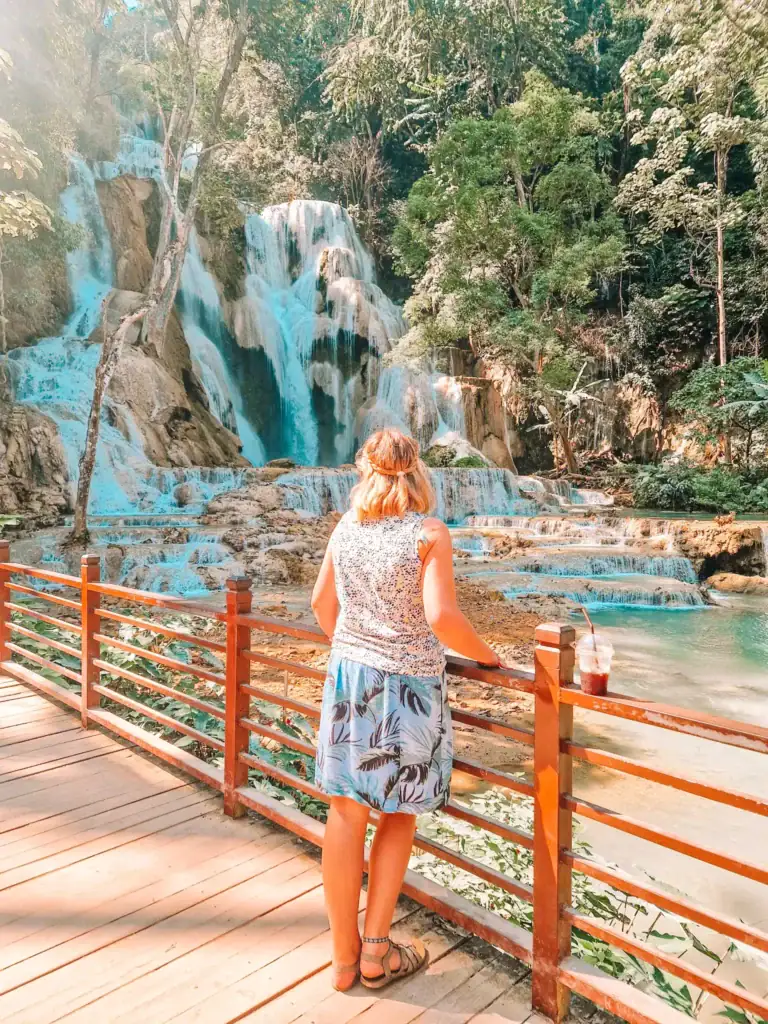
- Nature nearby: Kuang Si Waterfalls are famous for a reason — turquoise pools, forest paths, and one of northern Laos’ most beautiful settings. This highly rated tour takes you to Kuang Si Waterfalls in the morning, followed by the Buddha Cave and a sunset Mekong Cruise – book here ✨4.7/1.8k+
If you can steal an extra night anywhere on this route, make it here.
Where to stay
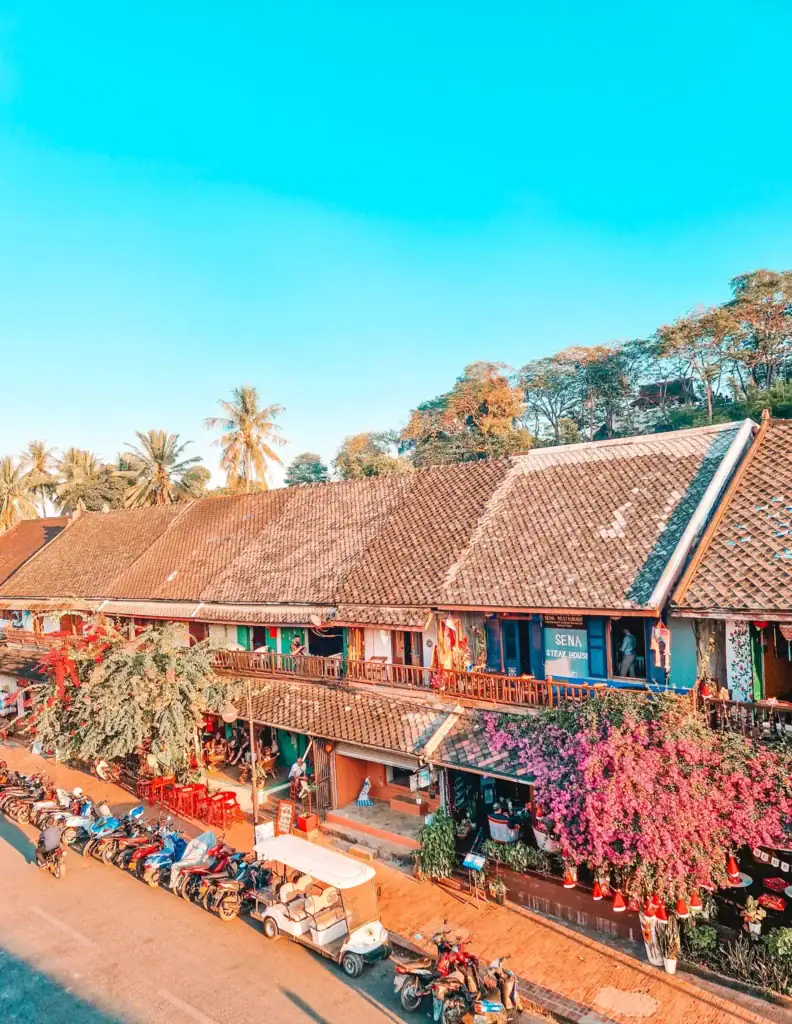
- Villa Ban Packham – just next to the Royal Palace, this hotel offers clean and cosy 3* comfort. You’ll get a great breakfast, which you can eat on the terrace overlooking the incredibly characterful morning market. ✨9.1/241
Practicalities:
- Luang Prabang is one of the easiest places in Laos to manage day-to-day — but ATMs can still be unreliable
- The train makes the journey much smoother and quicker than in previous years – but arrival at the station can feel chaotic.
Onward transport:
- Slow boat to Thai border
👉 Read more: My full guide to the best things to do in Luang Prabang, including temples, museums, waterfalls and day trips
Stop 5: The Slow Boat to Thailand
- 2 days | 1 night
- Vibes: nature, scenery, sitting alongside locals and the permission to spend two days doing absolutely nothing
The slow boat isn’t efficient — it’s reflective. Ending your trip drifting down the Mekong gives the whole journey a sense of closure you don’t get from flying or buses. The scenery is extraordinary: jungle-covered hills, remote villages, fishermen casting nets, kids waving from riverbanks and it gives you a rare chance to literally do nothing.
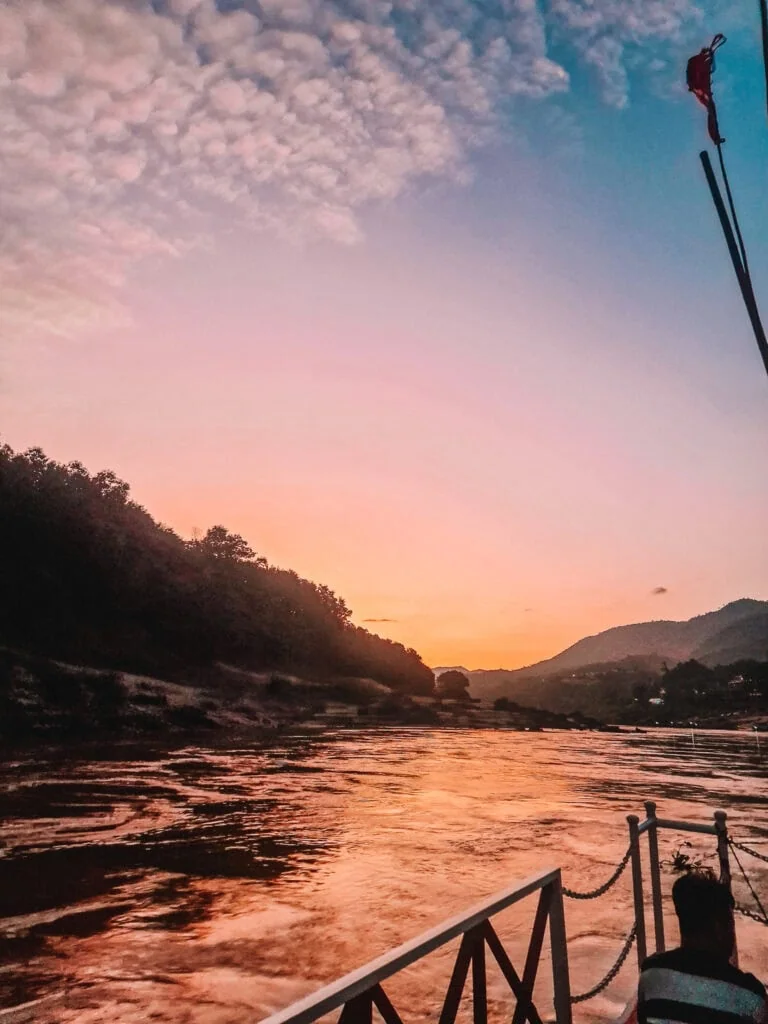
You spend two full days on the river, with an overnight stop in Pak Beng — a small town that exists almost entirely to serve slow boat passengers. You arrive in Huay Xiay on the borders of Thailand, and in this itinerary I recommend transferring immediately to Chiang Rai, across the border in Thailand – there are companies that specialise in meeting the slow boat that you can book on 12GoAsia.
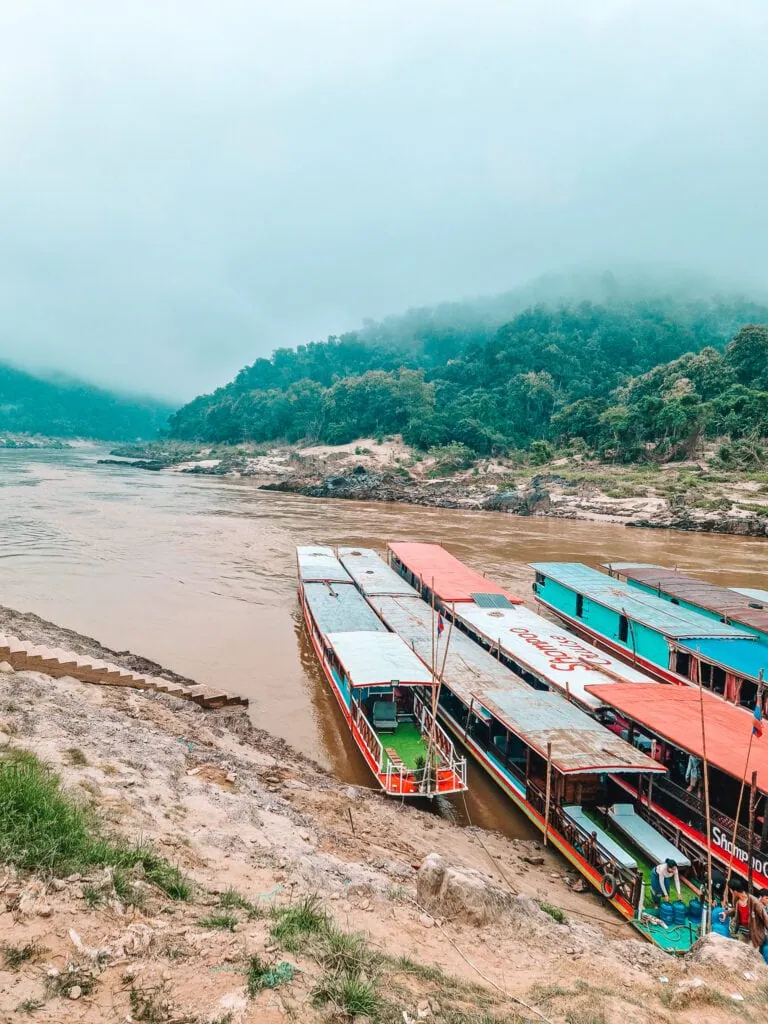
Where to stay in Pak Beng: Monsavnah Guesthouse – basic guesthouse in central Pak Beng – the closer you are to the slow boat the better! The family own a good bakery across the road which offers pre-ordered breakfast. ✨7.8/800+
Where to stay in Huay Xiay: Oudomphone Guesthouse 2: Another basic guesthouse with big rooms and a good breakfast menu at extra cost, run by a friendly family who can help with onward travel plans ✨7.7/1k+
Practicalities:
- Bring layers: mornings/evenings can be cool, afternoons hot.
- Pack snacks, water, toilet paper and entertainment. There were limited food/drink options available on board: instant coffee, local tea, noodle pots, water/soft drinks.
- Expect reasonably basic facilities – but both of my boats had western-style toilets (a big win!)
- Pak Beng is very geared towards the slow boat – you can order breakfast in advance to collect on your way to the boat
- Both Pak Beng and Huay Xiay have very steep ascents from the slow boat, via stairs – I really struggled. Locals will offer to help you in return for a tip, or try to lighten your bag before you go!
Onward transport:
- Book a through-service via 12GoAsia from Huay Xiay to Chiang Rai in Thailand. This will include a local tuktuk to the border and minivan from the Thai border to Chiang Rai.
Frequently Asked Questions About This 2-Week Laos Itinerary
Is two weeks enough time to see Laos?
Two weeks is enough to get a meaningful overview, but it’s not enough to see everything. Laos is slower and more logistically demanding than much of Southeast Asia, so this itinerary prioritises contrast over coverage — river life, capital history, karst landscapes and cultural depth — rather than rushing between too many stops.
If you have more time, a three-week itinerary allows for deeper nature travel and fewer compromises.
Is this itinerary suitable for first-time visitors to Laos?
Yes — as long as you’re comfortable with slower travel and flexibility. This route avoids the hardest logistics and doesn’t require riding a motorbike, while still introducing you to Laos’ pace, landscapes and history.
If you’re expecting Thailand-level convenience, Laos may feel challenging. If you’re open to adapting plans, it’s deeply rewarding.
Do I need to ride a scooter or motorbike for this route?
No. This itinerary is designed so that motorbikes are optional, not essential. All major legs can be done by boat, bus, train or flight, and activities like waterfalls and viewpoints can be accessed via tours or taxis.
Is Laos safe for solo travellers?
Generally, yes — including for solo female travellers. Violent crime is rare, and people are often quietly helpful. The main risks are transport accidents, fatigue from long travel days, unreliable ATMs, and alcohol-related issues in backpacker towns.
Taking sensible precautions and travelling at a realistic pace makes a big difference.
Is the slow boat worth it if I’m short on time?
Yes — if you’re willing to give it two full days. The slow boat isn’t about efficiency; it’s about decompression and perspective. If you’re rushing or dislike enforced stillness, you may find it frustrating. If you want a reflective end to your trip, it’s unforgettable.
When is the best time to follow this itinerary?
The best time is November to February, when the weather is drier, cooler and safer for transport and activities.
Avoid March–April (burning season) and be cautious during the rainy season, especially if you plan to hike or travel by boat.
Ready to Plan Your Laos Route?
If this itinerary has convinced you that Laos deserves space in your Southeast Asia plans, the next step is planning well — not planning more.
Start by grounding yourself in the practical realities of travelling Laos, then dive deeper into the places that resonated most with you.
📍 Go Deeper Into Each Stop
Use these guides to plan accommodation, day trips and pacing in more detail:
- 👉 Don Det & the 4,000 Islands – where to stay, cycling routes, waterfalls & practical tips
- 👉 1 Day in Vientiane – including COPE, Pha That Luang, cafés & night markets
- 👉 Luang Prabang – temples, Kuang Si Waterfalls, museums & cultural context
🏨 Revisit the Key Stays & Experiences
If you’re building this route now, these are the places and experiences I’d prioritise booking early:
- Namknong View, Don Det – riverside hammocks, sunset views, excellent food
- Peaceful 2 Hotel, Vientiane – reliable, central, great value
- Villa Ban Packham, Luang Prabang – unbeatable location next to the Royal Palace
- Kuang Si Waterfalls day trip from Luang Prabang – waterfalls, caves & a Mekong cruise
- Hot air ballooning in Vang Vieng with Above Laos – one of the most spectacular views in the country
Transport availability in Laos can be limited, so I recommend checking routes and tickets in advance using 12GoAsia, especially for trains, flights and border connections.
⏳ Want More (or Different) Time in Laos?
If you have more flexibility — or want to shape your trip around different priorities — these routes may suit you better:
- 👉 My 3-Week Laos Itinerary – a slower, deeper route with multiple variations, including Nong Khiaw, the full Bolaven Plateau and the Gibbon Experience
- 👉 2 Weeks in Northern Laos (coming soon) – focused on Luang Prabang, Vang Vieng, Nong Khiaw, river travel and the slow boat, without the southern islands
Both are designed to be adapted, not followed rigidly — just like this one.
🌏 Travel Laos — and Southeast Asia — With More Intention
If you’re trying to move away from rushed, checklist-style travel and want to understand places beyond the highlights, I’ve put together a free resource to help.
👉 Download my free Southeast Asia Cultural Travel Guide
It’s designed for travellers who want to slow down, travel more thoughtfully, and engage with history, culture and local context — without needing a degree in it.
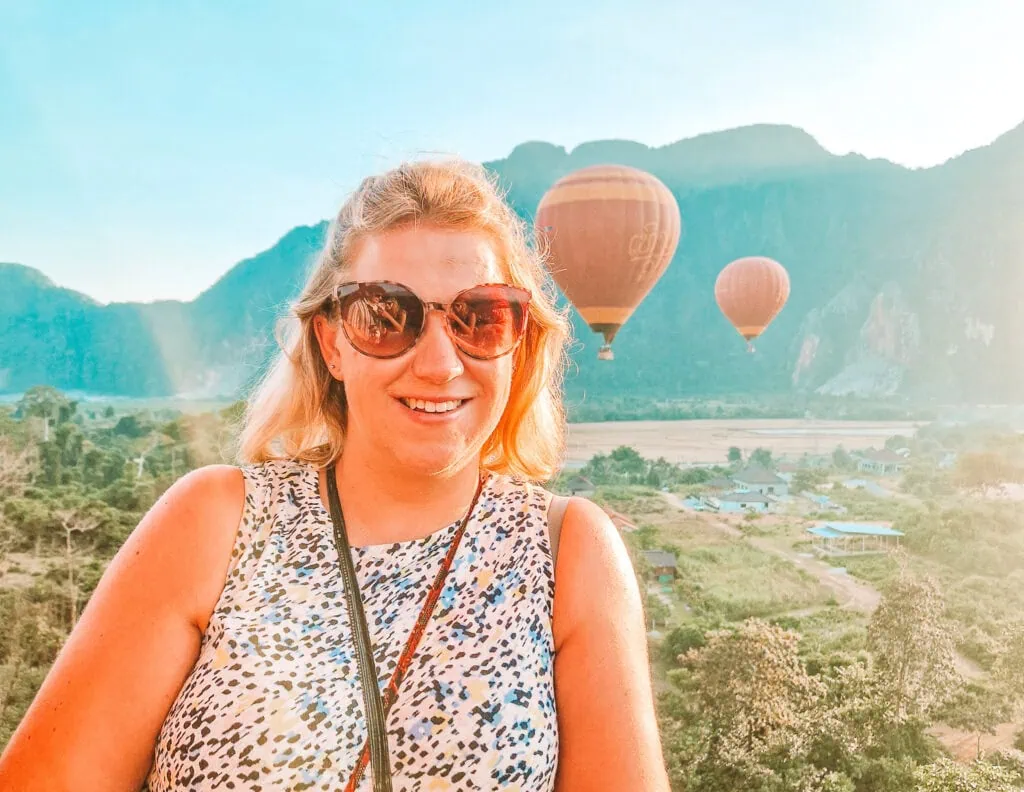
Em is a solo traveller and cultural slow-travel writer who spent over a month travelling independently through Laos in 2024. She specialises in realistic, experience-led itineraries across Southeast Asia, with a focus on pacing, transport logistics, cultural context and the realities of travelling outside heavily touristed routes.
Through Em’s Globetrotting Gems, she publishes in-depth destination guides designed for travellers who want to understand where they are — not just pass through it — drawing on first-hand experience, on-the-ground research, and extended stays in each region.