 Em
EmJust so you know: This post contains affiliate links. As an Amazon Associate, I earn from qualifying purchases. I may also earn a small commission if you book a tour, hotel, or buy something else through these links. It helps me keep this blog running and full of travel tips. Thanks for your support!
If you’ve been scrolling through endless “top holiday destinations” lists and feel like they’re all starting to look the same, you’re not alone. Many travellers want something different — a place that still feels authentic, untouched by mass tourism, yet rich in history, culture, and jaw-dropping scenery. But then the doubts creep in: What if the infrastructure isn’t great? Will it be hard to get around? How do I even find reliable information?
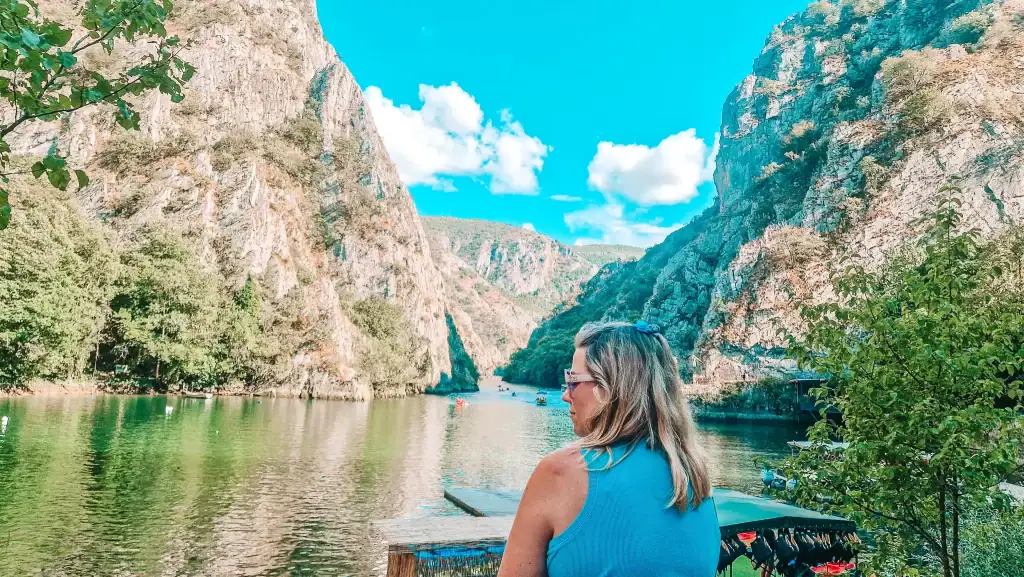
All photos featured on this blog are from my personal travel experiences.
That’s exactly how I felt before setting foot in Montenegro, Albania, and North Macedonia — three Balkan gems that often fly under the radar. Over the past few years, I’ve explored them in depth, from spending six unforgettable weeks in Albania to over a month uncovering the layers of North Macedonia’s history, with plenty of time along Montenegro’s shimmering coastline as well. And let me tell you: while these countries may not have the same tourist brochures as Italy or Greece, what they offer is far more rewarding.

Picture dramatic mountains plunging into turquoise bays, centuries-old fortresses overlooking cobbled streets, and a blend of Ottoman, Byzantine, and modern influences in everything from architecture to food. These aren’t just places to tick off a list — they’re destinations that invite you to slow down, connect with locals, and feel the pulse of cultures shaped by both ancient empires and recent history.
Ready to dive into researching specific locations? I’ve got you – I’ll be linking to my location-specific guides, as well as some recommended tours, at the end.
Where Are Albania, Montenegro & North Macedonia
Albania, Montenegro and North Macedonia are all part of the Balkans region in south east Europe. Albania shares a border with both North Macedonia and Montenegro, while these two countries are separated by Kosovo, Europe’s newest country. North Macedonia and Montenegro were both part of Yugoslavia during the 20th century, while Albania remained an independent (and politically isolated) country.
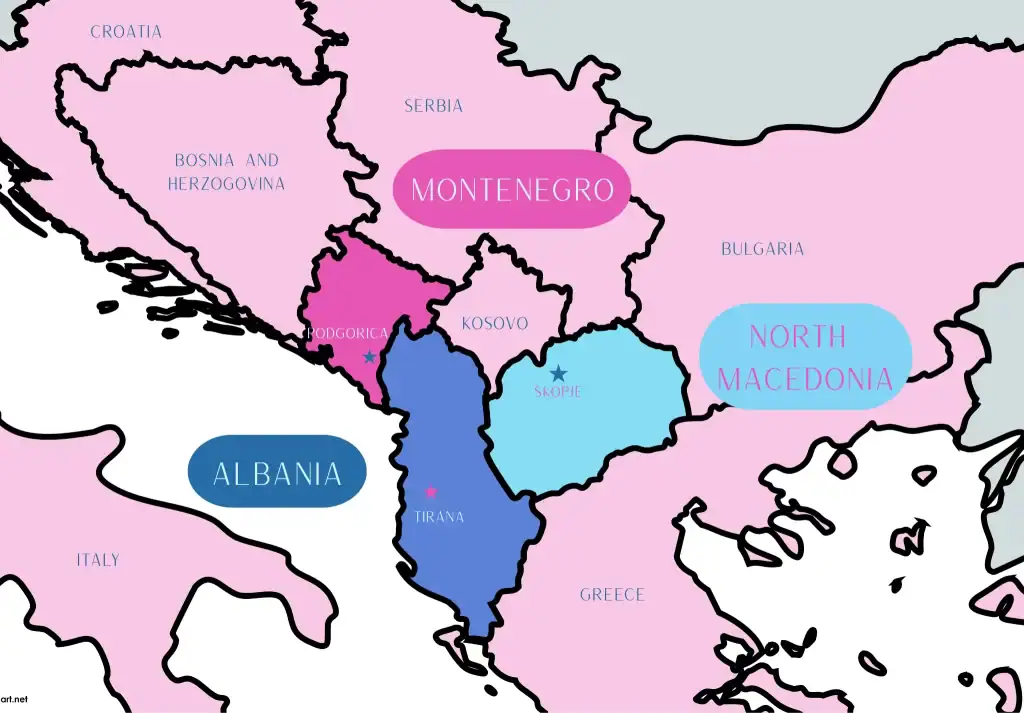
- Albania – Authentic, a bit chaotic, incredible coffee culture, Italian food to die for.
- Montenegro – Small, easy to navigate, jaw-dropping coastlines and magical Kotor.
- North Macedonia – Historic, wine-rich, and still under the radar – with Lake Ohrid an absolute highlight.
Want to plan your trip without feeling overwhelmed?
- Want a detailed, self-guided resource for inland Albania → Albania, Unlocked
- Want a free, culture-first introduction to thoughtful travel → Download the free guide
- Want a fully personalised itinerary planned for you → Book my custom itinerary service
6 Reasons These Countries Belong on Your List
They’re Less Touristy (But Not for Long)
Until recently, Montenegro, Albania and North Macedonia weren’t really on the radar for tourists from Western Europe or the USA. They’re not EU countries, so they don’t have the ease of using the Euro or being part of the Schengen zone. They even had a bit of a stigma as ex-Communist countries – there was a stereotype of poor infrastructure and possibly even unfriendly populations.

But this is changing quickly! Since I visited Montenegro in 2023, prices have skyrocketed, as western Europeans realise exactly how beautiful the country is, and that you can get those Mediterranean vibes without the high prices and crowds associated with Italy or Croatia.
And Albania is changing even more quickly. I visited Sarande in the south on a day trip from Corfu in 2022. I remember being blown away by how beautiful the countryside near Ksamil was, but thinking “I’m not keen on this town”. Fast forward three years, and Sarande is one of the hottest beach destinations in Europe, and barely recognisable from the post-communist town I visited a few years ago.
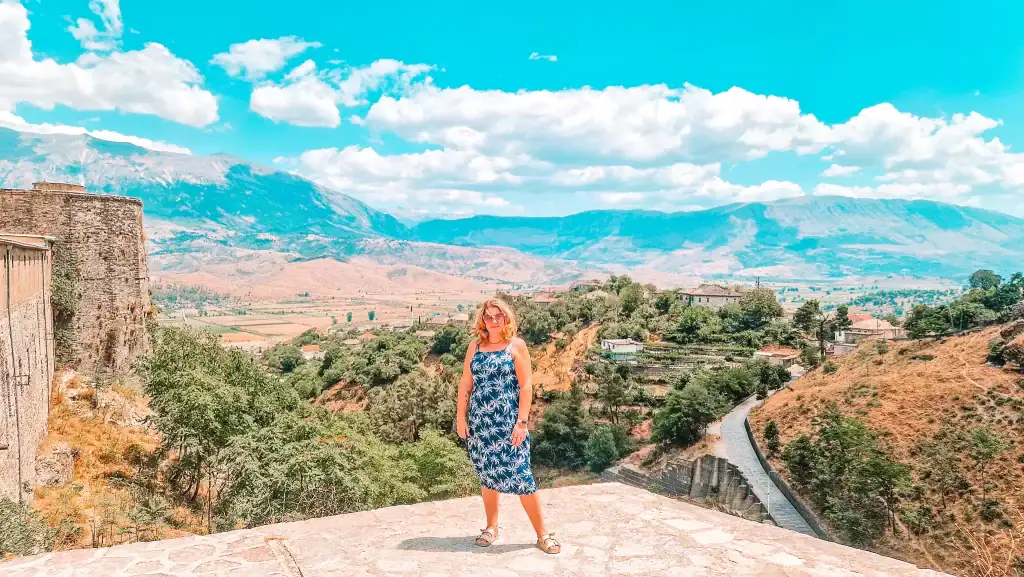
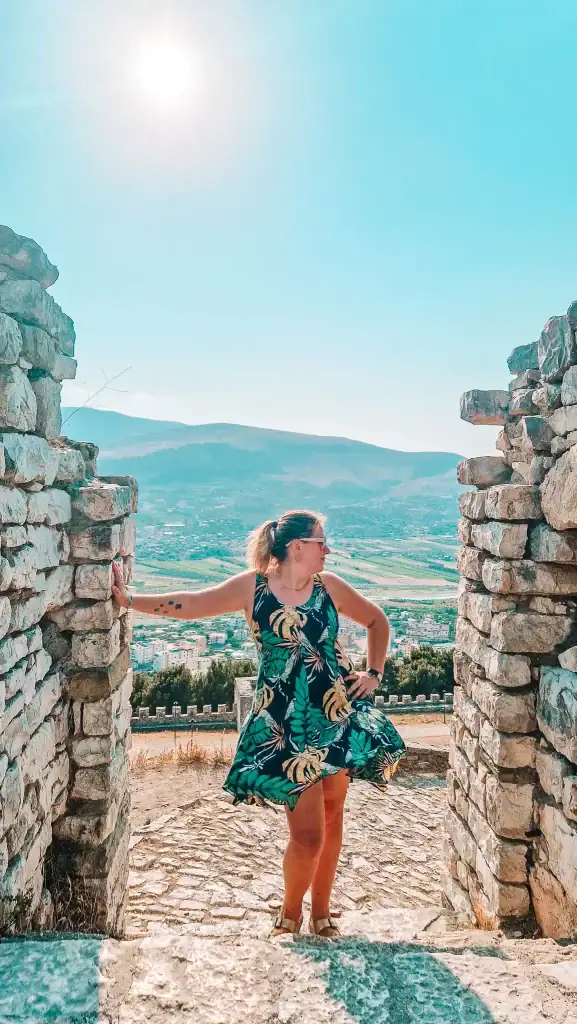
Luckily, other parts of Albania haven’t changed as quickly – and places like Gjirokaster and Berat that aren’t on the coast still feel remarkably Albania, despite being UNESCO listed tourist destinations.
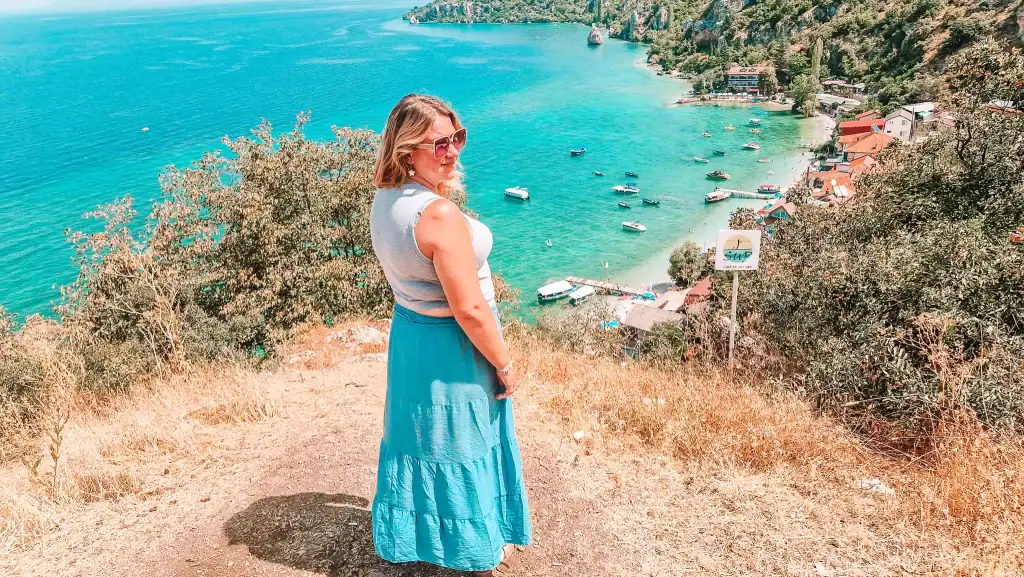
North Macedonia doesn’t even really feel like it’s on the radar yet – except for the Dutch, who flock to Ohrid in the south. Sitting in Skopje as I write this, I can see investment in tourism is taking place, but it’s yet to pay off – despite the country’s beauty and incredible history.
They’re Affordable Compared to Western Europe
All three countries are affordable compared to Western Europe, but in my experience, Albania is the cheapest overall.
There are some quirks — for example, books in Albania can cost up to €30 in English, so pack anything you want to read before you arrive. Toiletries are also generally more expensive due to limited competition, especially compared to North Macedonia, where German chain DM helps keep prices low.
But for most budget travellers? Albania wins on value.
| Albania | North Macedonia | Montenegro | |
| Americano coffee | £0.90/€1 | £1.50/€1.7 | £1.70/€2 |
| Bed in hostel in major tourist city* | £13+/€15+ in Ohrid | £10+/€11.50+ in Tirana | £25+/€30+ in central Kotor |
| Double room in tourist city* | £30+/€32+ in Ohrid | £35+/€38 in Tirana | £100+/€115+ in central Kotor |
| Intercity bus | Tirana to Gjirokaster: £10/€12 | Ohrid to Skopje: £12/€14 | Podgorica to Kotor: £10/€12 |
| Museum entry | Bunk’Art 2, Tirana: £7.80/€9 | Bay of Bones entry, Ohrid: £1.50/€1.60 Museum of Macedonian Struggle, Skopje: £4/€5 | Entry to St Tryphon’s Cathedral, Kotor: £3.50/€4 |
| Popular day trip | Day trip to Berat from Tirana: £22/€25 | Day trip from Skopje to Ohrid: £51/€60 | Boat trip to Perast, Our Lady of the Rocks and Blue Cave from Kotor: ££26/€30 |
*Hotel cost based on the start of September 2025. Hotels and hostels will cost more in July and August.
They Have Wildly Beautiful Landscapes
Having spent over two months here in 2025, and after visiting Montenegro in 2023, I can say one thing: the beauty of the Balkans is unparalleled. This small region has it all – beaches, lakes and stunning mountains. The north of Albania is even known as the Albania Alps!
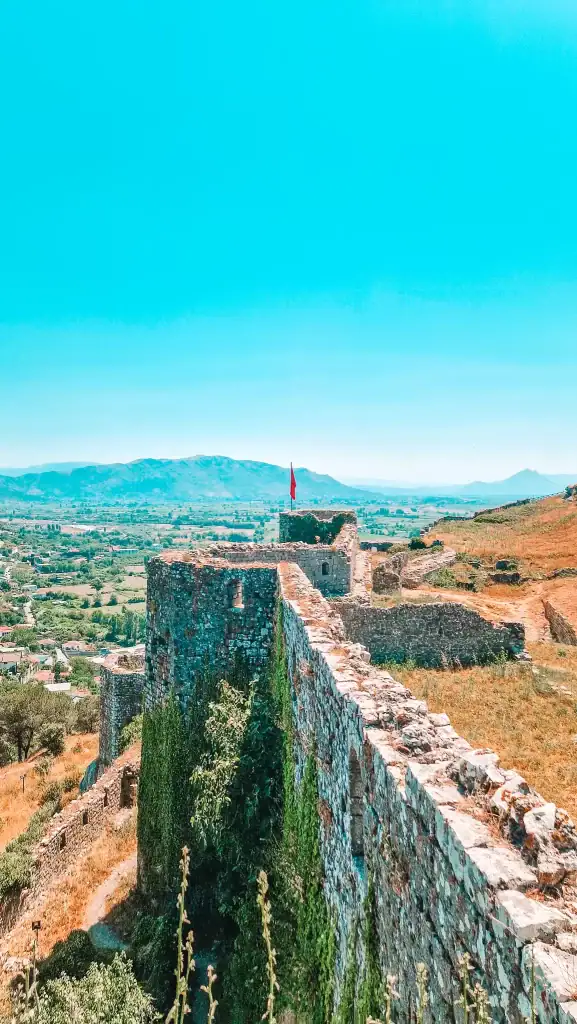
Even as someone who’s not a hiker, it’s easy to experience this natural wonder – sometimes you get amazing pictures even from a bus! But some of my particular highlights include:
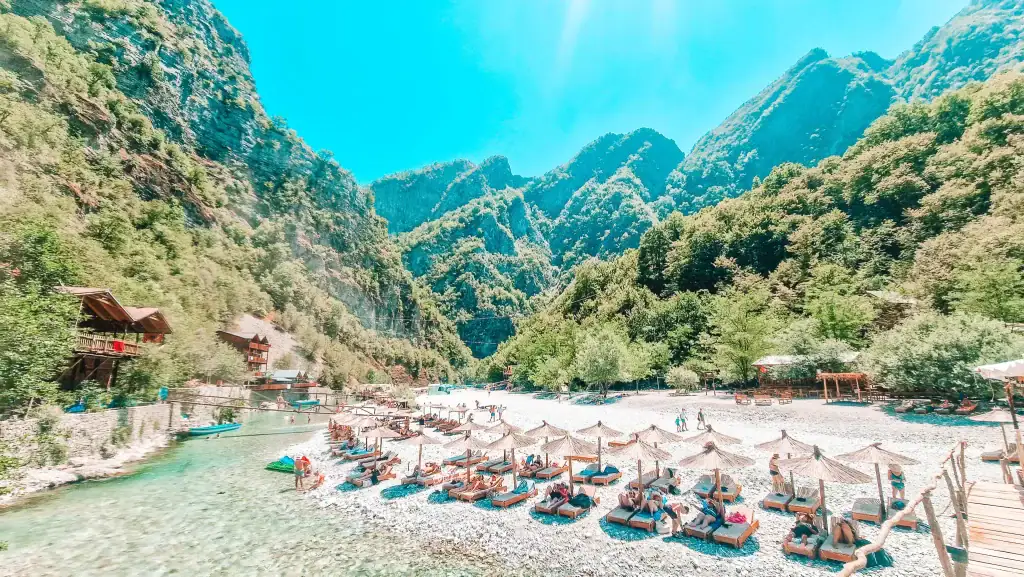
- Albania’s Shala River – easily visited from relaxed Shkoder, taking a day trip to this beautiful part of Albania is easy even for the unfit. Simply hop on a bus, transfer to a boat and you’re in the middle of nature that honestly looks like those pictures of Thailand that you dream about – but on a short-haul flight! Just be careful – the mountain-fed river is freezing. You can visit the Shala River on this highly-rated day trip from Shkoder – but I think doing it from Tirana would too long!
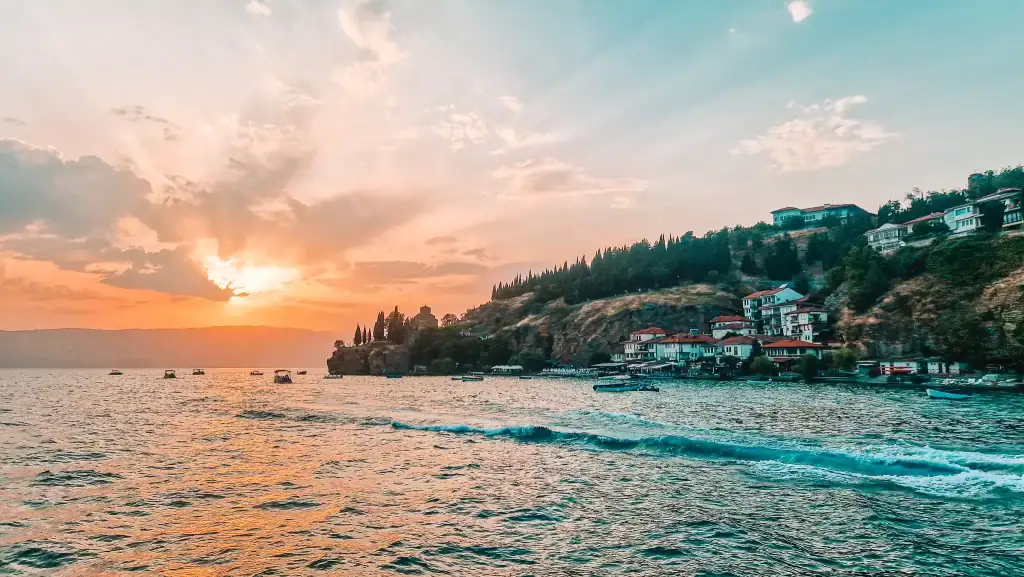
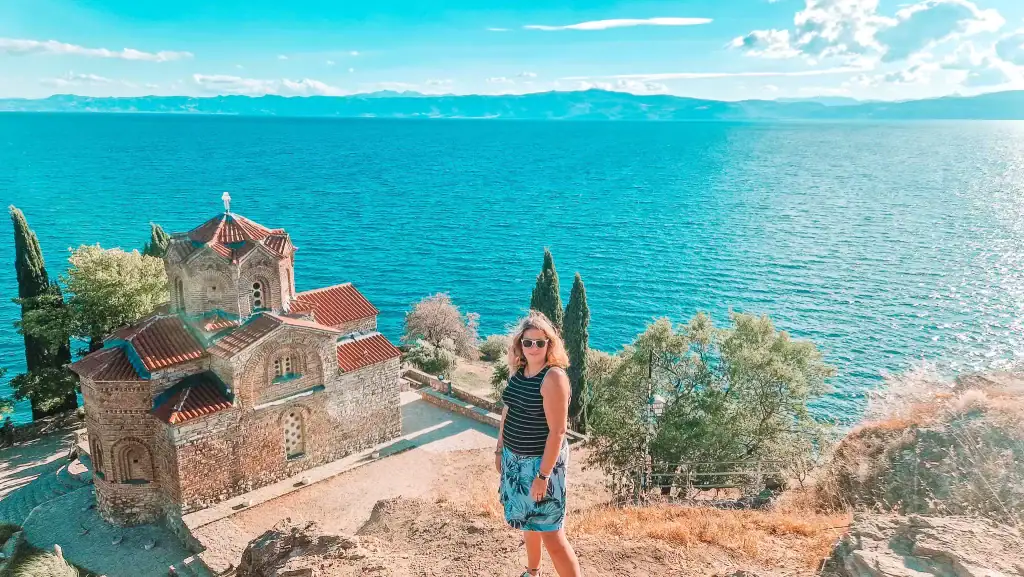
- Lake Ohrid in North Macedonia – this beautiful, blue haven is perfect, not least because it’s one of the most historic spots in the Balkans as well. A boat trip on Lake Ohrid takes you not just out into wild natural beauty, but to Sveti Naum, the spot where the Cyrillic language was developed, and the Bay of Bones, an archaeological site from thousands of years ago. This is the exact, amazing boat trip I did while in Ohrid – small group, really personal and full of culture as well as beauty. I recommend spending a few days in Ohrid to really experience all this city has to offer, but if your schedule doesn’t allow, you can take this highly-rated trip from Skokje, or even visit for a day from Tirana in Albania – definitely recommended!
- Perast in Montenegro – this stunning seafront village has gorgeous blue water, waterfront dining and the gorgeous, picture-perfect Church of Our Lady of the Rocks, on a tiny man-made island. Perast is easy to visit from Kotor – try this highly rated day trip that unlike most others, gives you time to explore Perast itself.
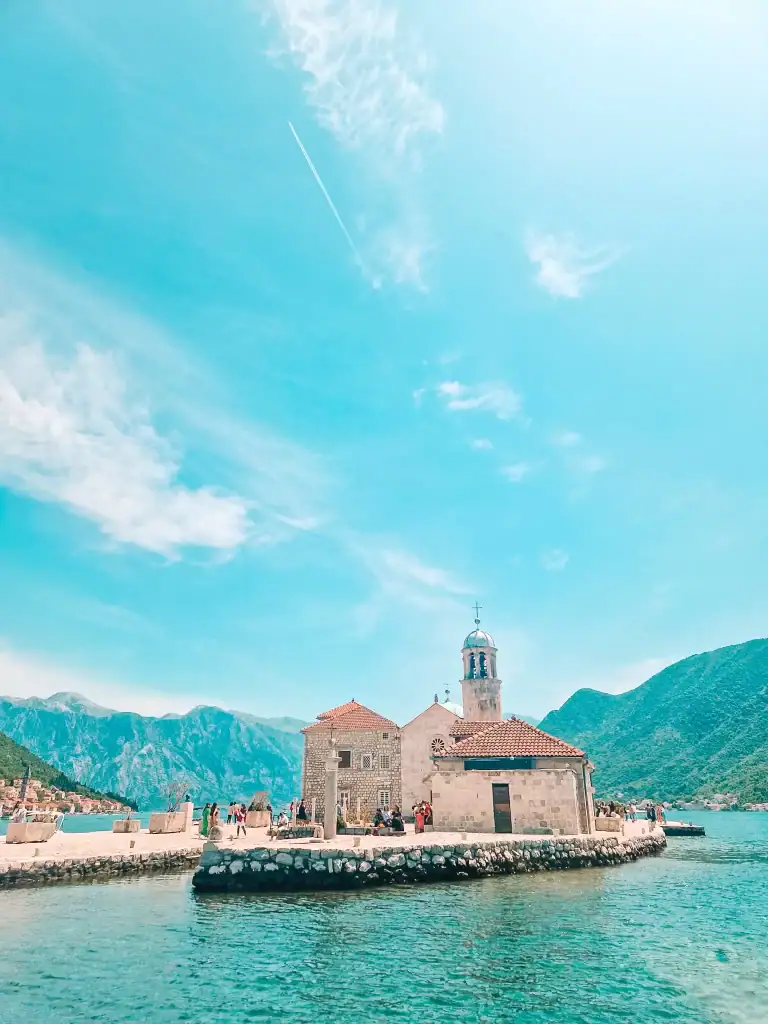
And that’s before you get to Albania’s gorgeous beaches or Montenegro’s famous mountains – areas that are still on my bucket list.
The Culture and History Are Deep (and Often Overlooked)
I’ve been in the Balkans for over two months now, and I’ve only scratched the surface of the deep and complicated history of this region. Each country approaches their history differently, and I’ve loved seeing the different eras of history each country focuses on.
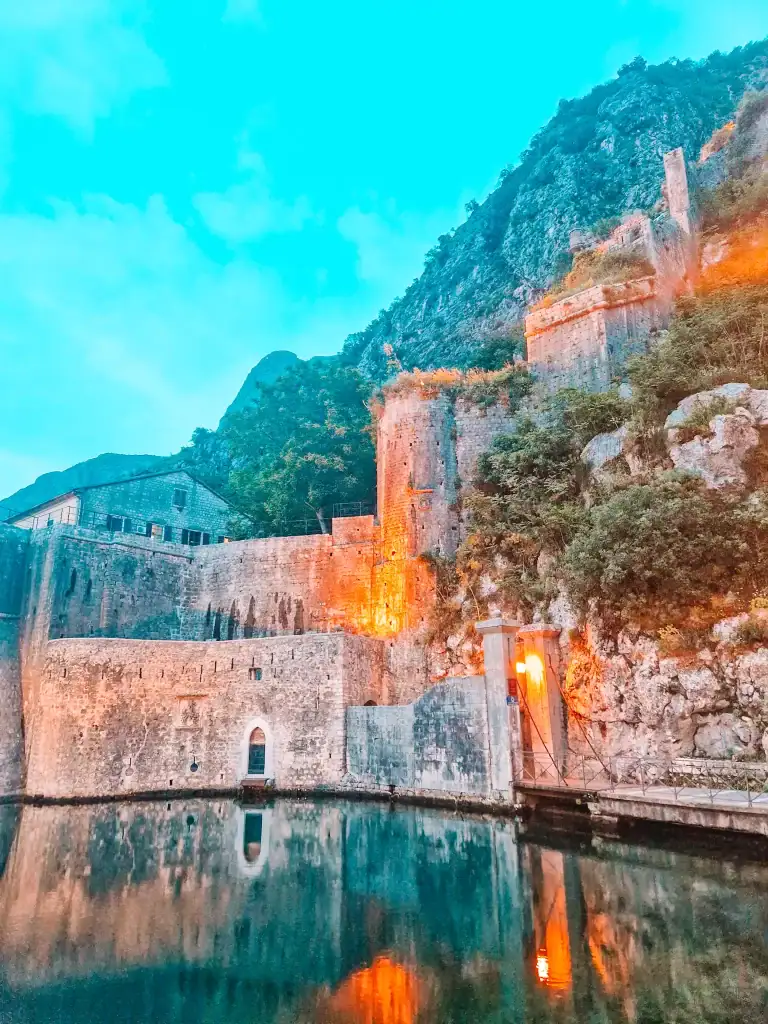
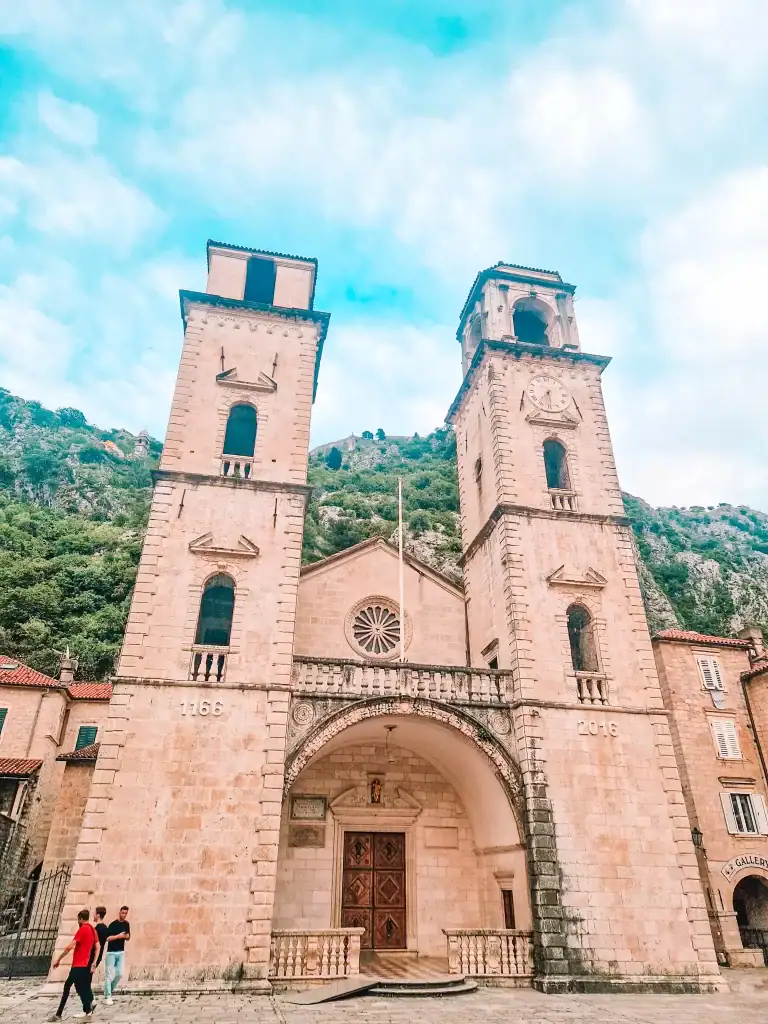
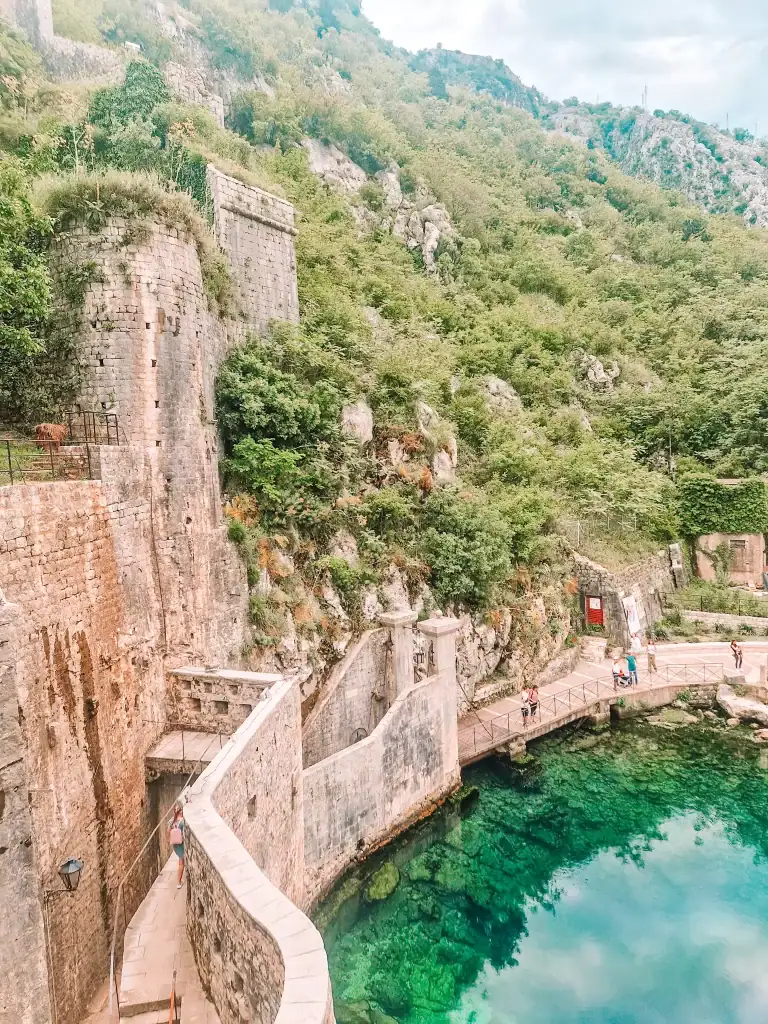
In Montenegro, there’s a real focus on medieval history, particularly in gorgeous Kotor. The city still has it’s old walls, and walking around feels like stepping back in time, with historic churches appearing out of nowhere and steep, crumbling steps leading you into the hills.
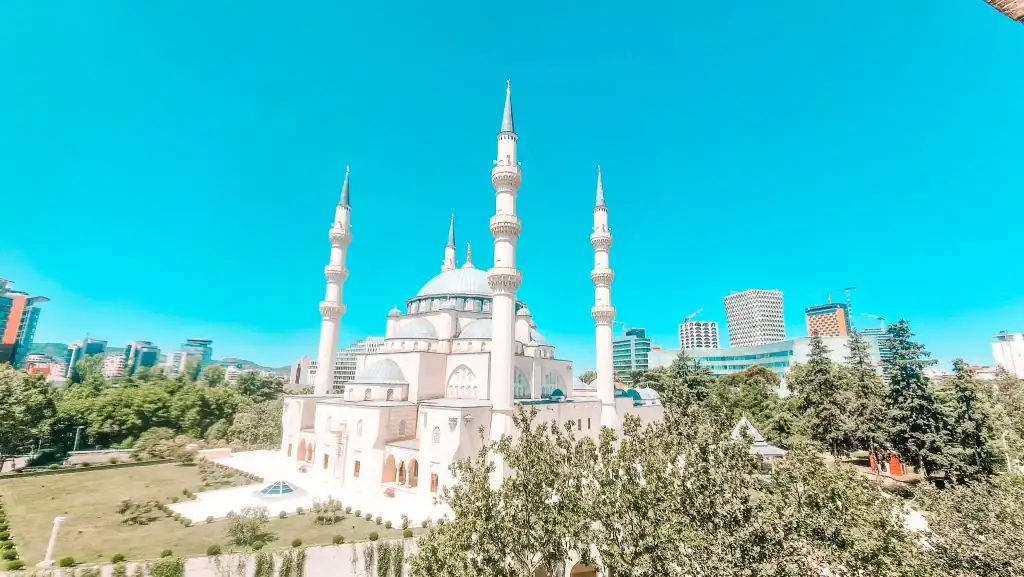
Albania has some of the most innovative modern museums I’ve come across on my travels. Albania’s unique modern history – with the Hoxha dictatorship keeping Albania isolated from even other communist countries – has forced the country to reckon with it’s legacy. The Bunk’Art Museums in Tirana tell this history in a fascinating and easily accessible way.
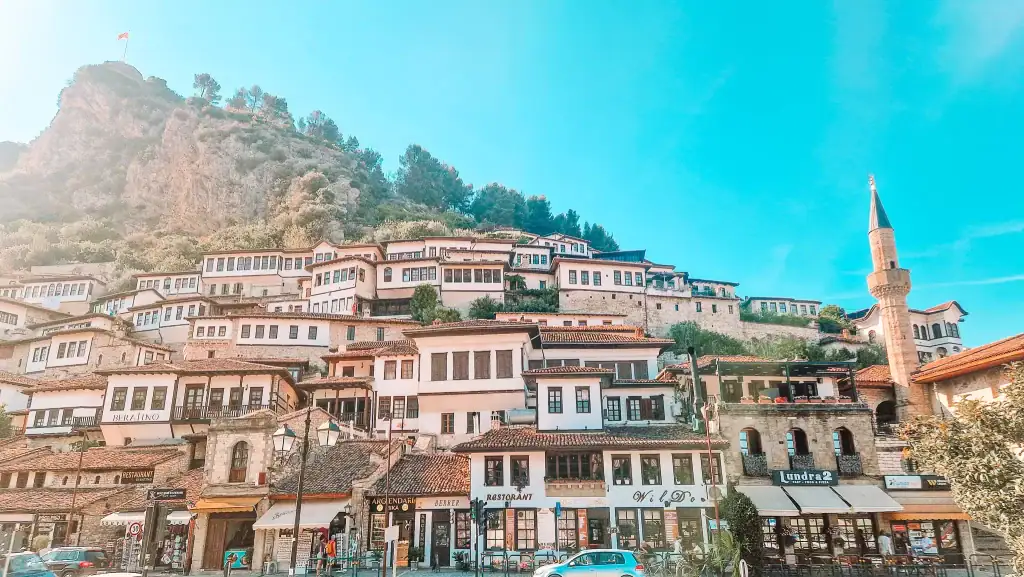
Meanwhile, you can travel to UNESCO-listed Gjirokaster and Berat to immerse yourself in older history, dating back to Ottoman rule, with beautiful historic houses and fascinating ethnographic museums.
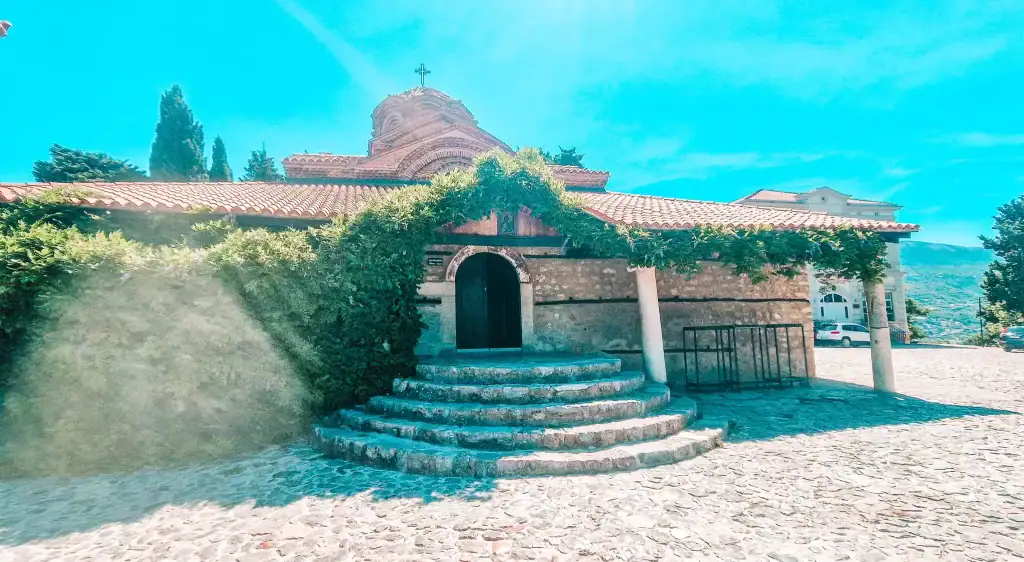
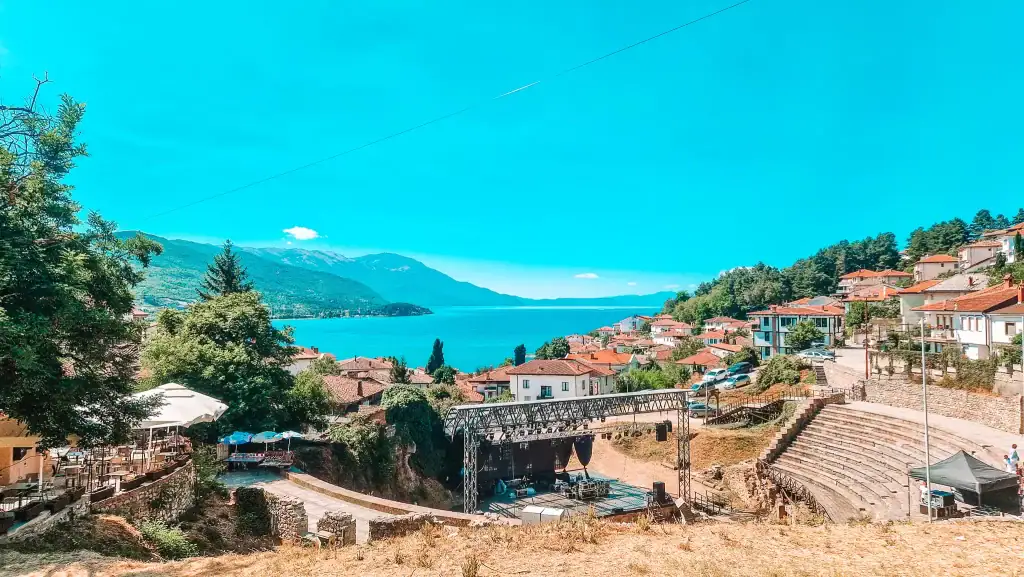
Finally, Macedonia has possibly the oldest history of all, with Alexander the Great their primary hero, and the famous Byzantine Emperor Justinian was also born in Skopje. Even older is the Bay of Bones in Lake Ohrid, which shows that humans were living on the lake at least 3000 years ago. Ohrid itself is known as the ‘Second Jerusalem’, with hundreds of Byzantine and Ottoman-era churches and even a pre-Roman amphitheatre!
North Macedonia’s ancient heritage also stretches to Bitola, where you can walk through the Roman ruins of Heraclea Lyncestis, a city founded by Philip II of Macedon — father of Alexander the Great. Read more in my Bitola Travel Guide.
People Are Friendly — Even If the Transit System Isn’t 😉
During my stay in the Balkans, I have constantly been overwhelmed and amazed by the friendliness of almost everyone I’ve met. Coming from London, I’m used to a culture that prioritises not interacting with strangers. And yet, while I’ve been in the Balkans, I’m messaging my friends every day saying “So I just got chatting to this person and…”
In Macedonia, I’ve met the Macedonian translator of Roald Dahl’s books, and got chatting to a lady for over 20 minutes just because I petted her (adorable) dog.

In Albania, my Airbnb host brought me a box of cakes a couple of weeks into my stay, and my visit to The Collectors Corner, a small museum in a family home in Gjirokaster, was one of the most wholesome experiences of my travels.
Even in Tirana – which as a capital, you might expect to be less friendly – people frequently went out of their way to help me – making sure I got off at the right stop on the bus, or stopping to offer ad hoc translation services in shops. The vibe in the Balkans is unmatched – this Londoner has been changed forever.
The one exception to this unbelievable friendliness was Albania’s bus system, where at one point I was even shouted at by a bus driver. I didn’t let it ruin my experience of Albania – and with my guide to everything you need to know about Albanian buses, you can make sure you don’t, either.
👉 Don’t want to navigate the Albanian bus system? Try this guided day trip to Berat or Lake Ohrid tour — both run from Tirana and include local guides.”
You Can Get Between Countries Easily
Having spent so much time in Vietnam, a ridiculously long country, one of my favourite things about being in the Balkans is that they are small. Travelling around is quick and easy – my longest bus journey so far has been 3.5 hours (between Tirana and Lake Ohrid). Compare this to the 12 hours I spent on a Vietnamese train (which took me across less than half the country) and you’ll see why I’m so excited!
Travel between North Macedonia, Albania and Montenegro is primarily by bus, and the capital cities act as a central point for transport. Kotor is the northern-most point I would recommend visiting, and from there, you can get easily to both Budva and Podgorica, the capital of Montenegro. Podgorica is well linked to Tirana, as well as Shkoder in the north of Albania. From Tirana, you can get to anywhere in Albania, as well as Lake Ohrid in southern Macedonia and then onwards to Skopje, the capital.
Bus travel does vary across the three countries. In Montenegro, I just visited the bus stations the day before travel to buy a ticket – but a quick look on Flixbus shows that in high season, you might need to book substantially in advance now. In Macedonia, a lot of options, particularly for longer journeys and those between major tourist hubs, are online. In Albania… well, check out my dedicated guide.
But travelling is easy, as is crossing the border. While I didn’t personally cross between Montenegro and Albania, my friend reported that is was a simple case of the driver collecting passports, which were shown to border control – and this was also my experience crossing from Albania into North Macedonia. We didn’t even have to get off the bus – and if you compare this to passport control at an airport, it feels unreal.
- Useful resources include Flixbus and GjirafaTravel – although be wary of trusting the timetables on GjirafaTravel if you can’t book online.
Where to Start (Based on My Own Trip)
There are a few different routes you could take across Montenegro, Albania and North Macedonia, depending on the time you have and your interests. But as a starting point, I would recommend:
- Start in historic Kotor in northern Montenegro
- Visit Budva or one of the other beach towns on the coast in southern Montenegro – I chose quieter Petrovac
- Head across the border to Shkoder in northern Albania
- Visit Tirana, Albania’s vibrant capital
- Add on time in one of Albania’s beautiful beach towns, like Sarande, Himare or Vlore
- Visit Berat and Gjirokaster in the south of Albania as day trips from Tirana or for a couple of nights in each
- Head from Tirana to Lake Ohrid in Macedonia, where you can also visit Bitola
- Finish up in Skopje, Macedonia’s capital, consider one of my favourite day trips from Skopje, and check out some of the capital’s best cafes.
For a shorter trip hitting the absolute highlights:
- Start in Kotor and then travel to Shkoder
- Spend at least a day in Shkoder (possibly visiting the Shala River) and then a day in Tirana to see Bunk’Art 2 and the Women’s Museum
- Head to Gjirokaster in the south of Albania, the town that stole my heart
- Head back to Tirana before transferring to Lake Ohrid – you could do this in one long travel day
- Spend a couple of days in beautiful Lake Ohrid before heading home from either Skopje or Tirana (or Ohrid Airport, if you’re lucky)
Is the Balkans Right for You?
I think the Balkans is right for most people – but it’s especially perfect if:
- You’re a more adventurous traveller who understands that not everything will be perfect – particularly in Albania, where tourism is still a developing industry.
- Someone who wants to see places before they get Instagram famous – and you don’t want to spend your entire holiday sitting on a beach. Although you should definitely build in a couple of days to explore Albania and Montenegro’s gorgeous beaches if that’s your thing!
- You want to get to know countries and cultures – there is so much to learn about the Balkans, and people actively want to help you understand.
- You love beautiful, untouched landscapes mixed in with fascinating historical sites.
FAQs About Visiting the Balkans: Albania, Montenegro & North Macedonia
Is it safe to travel to Albania, Montenegro, and North Macedonia?
Yes! I travelled solo for over two months across all three countries and felt safe everywhere I went — even on buses or quiet streets. The British Foreign, Commonwealth and Development Office (FCDO) notes that the main risks to tourists are bag snatching and pickpocketing – particularly in touristy areas.
Like anywhere, take usual precautions (watch your belongings, avoid poorly lit areas at night, use taxi apps like Patoko in Albania and Wizi or Bee Taxi in Macedonia for their safety features), but the people here are overwhelmingly kind and helpful.
Do I need a visa to travel to these countries?
If you’re from the EU, UK, USA, Canada, Australia, or New Zealand, you likely don’t need a visa for short stays — typically up to 90 days. Always check your country’s official advice before travelling, as rules can change.
Can I travel between Albania, Montenegro, and North Macedonia easily?
Yes! It’s surprisingly simple. You can cross borders by bus, and there are no complicated visa requirements between the three. Border crossings were quick and easy – usually, the driver just collects your passport and hands it back after inspection.
However, I’ve heard that the border crossing between Bulgaria/Serbia and North Macedonia is more time-consuming, so factor this in if you’re arriving from either of those countries – I’ll update this when I cross into Bulgaria!
What’s the best way to get around the Balkans?
Buses are the most budget-friendly and widely available option — I’ve written a whole post about Albania’s buses, and Montenegro and North Macedonia are much more straightforward.
You can also hire a car, but be aware that road conditions vary (especially in Albania). Guided day trips are great if you want less stress.
Whether you’re travelling by bus or car, be aware that both Albania and Montenegro have traffic issues due to bottlenecks in certain areas. This is particularly true when leaving Tirana for the north, and when travelling to/from Kotor in Montenegro.
When’s the best time to visit the Balkans?

May to early October is ideal. July and August can be hot and busy (especially on the coast) or very empty (in Skopke in Macedonia).
Shoulder season – May/June and September – offers great weather with fewer crowds. I visited in summer and loved it (not least because hotels and Airbnbs have aircon), but packed light clothes and a lot of patience.
What currency is used in Albania, Montenegro, and North Macedonia?
✔ Albania: Albanian Lek (you’ll need cash as many places don’t take cards, especially outside of Tirana). Euros are accepted in some cases – usually in tourist centres, although this can vary if the exchange rate for the Euro changes
✔ Montenegro: Euro (even though it’s not in the EU)
✔ North Macedonia: Macedonian Denar (but cards are widely accepted in cities)
Do people speak English in the Balkans?
Yes, especially younger people, those working in tourism, and in major cities like Tirana, Kotor, and Skopje. In smaller towns or bus stations, you might need a few phrases or Google Translate, but I always managed to get by — often with hand gestures and friendly smiles!

Montenegro, Albania, and North Macedonia may not have the glossy travel campaigns of Europe’s more famous spots, but that’s exactly their charm. Yes, you might encounter the occasional bumpy road or need to dig a little deeper for information — but what you get in return is authenticity, breathtaking landscapes, and stories you’ll carry long after your trip ends. If you’re willing to venture beyond the usual tourist trail, these Balkan treasures will reward you in ways a guidebook could never fully capture.
I’ve written guides to my favourite towns, cities, and experiences across these three amazing countries. If you’re ready to dive deeper, start with 2 days in Tirana, the best day trips from Tirana, beautiful Berat, incredible Lake Ohrid and magical Gjirokaster, with more coming soon.
Planning a Trip to Albania?
If you want a culture-first travel guide to inland Albania — with realistic itineraries, destination deep dives, practical bus travel guidance, and advice on extending your trip into neighbouring countries — Albania, Unlocked is designed to help you plan a confident, well-paced journey beyond the beaches.
👉 Explore inland Albania thoughtfully with Albania, Unlocked
If you’re still in the early inspiration or research phase, you can also download my free Culture-First Traveller’s Guide to the Balkans, covering Albania, North Macedonia, Kosovo & Bulgaria — focused on travelling with context, curiosity, and care.
👉 Get the free culture-first guide
And if you’d prefer someone to build a personalised itinerary for you — tailored to your time, interests, pace, and travel style — I also offer custom trip planning, including Albania and wider Balkan routes.
👉 Request a custom Albania itinerary
Em is a travel writer and curious explorer who’s spent over two months soaking up the beauty, history, and quirks of the Balkans — including six weeks in Albania and more than a month in North Macedonia. She’s passionate about helping travellers discover underrated destinations, and shares honest, practical tips based on real experiences (including the occasional misadventure on Albanian buses). When she’s not writing, you’ll probably find her chatting with locals, hunting down the best coffee, or getting far too excited about a historic ruin.
✅ All photos featured on this blog are from my personal travel experiences. No stock images are used.



I loved reading this! I have definitely seen Kotor becoming more popular, I had never heard of anyone going there until recently! Everywhere you mentioned looks STUNNING!
Kotor is definitely more popular now than it was when I visited a while back – it’s still so worth visiting, but places like Ohrid in Macedonia and Berat and Gjirokaster in Albania have similar vibes and are still pretty under the radar… definitely places to prioritise before that changes!
I love the Balkan and I’m definitely planning on seeing more of it. There are so many fantastic hiking opportunities, not to mention all the beaches, history, and of course great food!
Yes – I’m definitely not a hiker so haven’t gone into that, but the nature here is astounding. And everything else is just glorious!
Okay first off, these photos are GORGEOUS. Those alone make me want to visit. The other reason I’d love to visit is to really dive into the history and culture. I love that everyone is friendly too 🙂
Glad you like the photos – I often feel like an idiot making people stop while I mess around getting a good one! But if you’re into history and culture, then the Balkans is definitely for you.
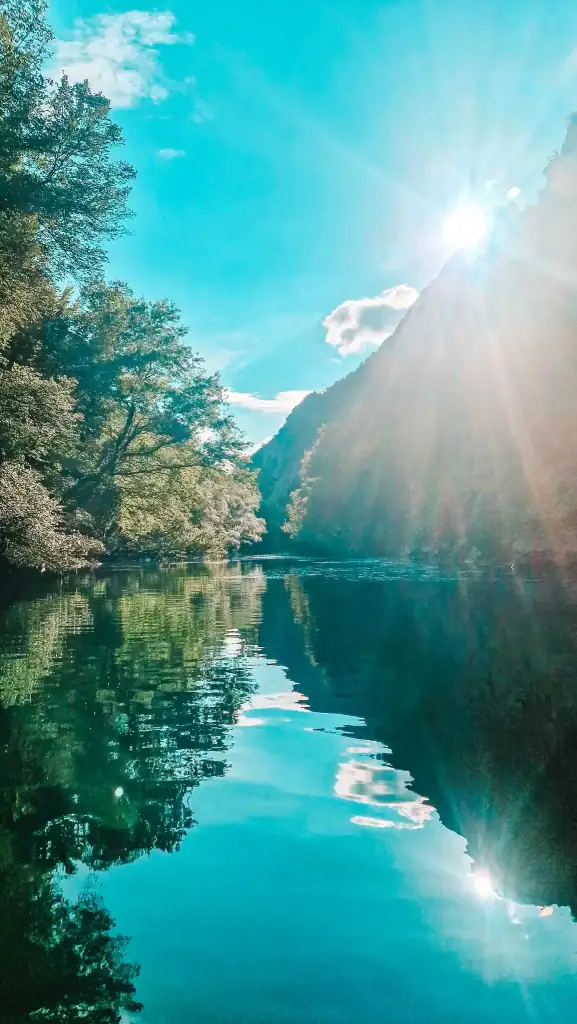
Your photo of Matka Canyon is stunning. I have never really considered visiting the Balkans but it’s on my radar now.
Thanks – that’s was one of those rare moments where I snapped a pic off the back of a moving boat and it turned out amazing. And yes, you should definitely visit!
We visited Kotor, Montenegro back in 2017 on a road trip and fell in love. We went back in 2023 on a road trip and stopped at more places than just Kotor in Montenegro and also went to Albania and North Macedonia (and Greece). The countries are all beautiful and there’s so much to see and do. We definitely want to return to all 3 countries. Must say we’ve had to wait at most border crossings about an hour. Two exceptions: From North macedonia to Greece just 5 minutes, from Montenegro to Croatia 4,5 hours. So you definitely have to plan in time for border crossings if on a road trip.