 Em
EmJust so you know: This post contains affiliate links. As an Amazon Associate, I earn from qualifying purchases. I may also earn a small commission if you book a tour, hotel, or buy something else through these links. It helps me keep this blog running and full of travel tips. Thanks for your support!
I spent a year travelling through Vietnam, Cambodia, Laos, Malaysia, Indonesia and Singapore in 2024–25 — and if there’s one thing I learned? Packing smart can completely transform your trip.
Whether you’re riding a scooter through rice paddies, waiting out a storm in a café, or hopping islands in the sun, the right gear makes everything smoother. Most essentials can be bought locally — but not everywhere, and not always easily.
This list is based on real experience, not theory — it’s the stuff I actually packed, used, and wished I’d had (or left behind).
⚡ Quick Packing Tips (TL;DR)
Short on time? Here’s the cheat sheet before we dive into the full list.
- 🎒 Backpack > suitcase — Roads, ferries, and tuk-tuks are not suitcase-friendly.
- 🦟 DEET spray is essential for jungle regions (and hard to find locally).
- 🧼 Toiletries can be tricky — bring your own if you’re picky about brands or need specific items like tampons or skincare without whitening.
- 📶 Get an eSIM before you fly — so you’re connected the moment you land.
- 🧺 Laundry is everywhere — don’t overpack. Quick-dry gear is your best friend.
- 🔌 Charging cables with extra length (or USB-A) are lifesavers in hostels and buses.
🎒 Backpack or Rolling Suitcase?
If you’re heading to Southeast Asia, a backpack is almost always the better choice.
With the exception of Singapore, most pavements in the region are either broken, non-existent, or full of scooters and street vendors — which makes rolling suitcases a real hassle. Whether you’re climbing into a tuk-tuk, hopping on the back of a Grab motorbike, or just trying to cross a muddy road in monsoon season, a backpack gives you way more flexibility.
I’ve travelled SEA with both, and I wouldn’t go back to a suitcase.
🧡 My Favourite Backpacks
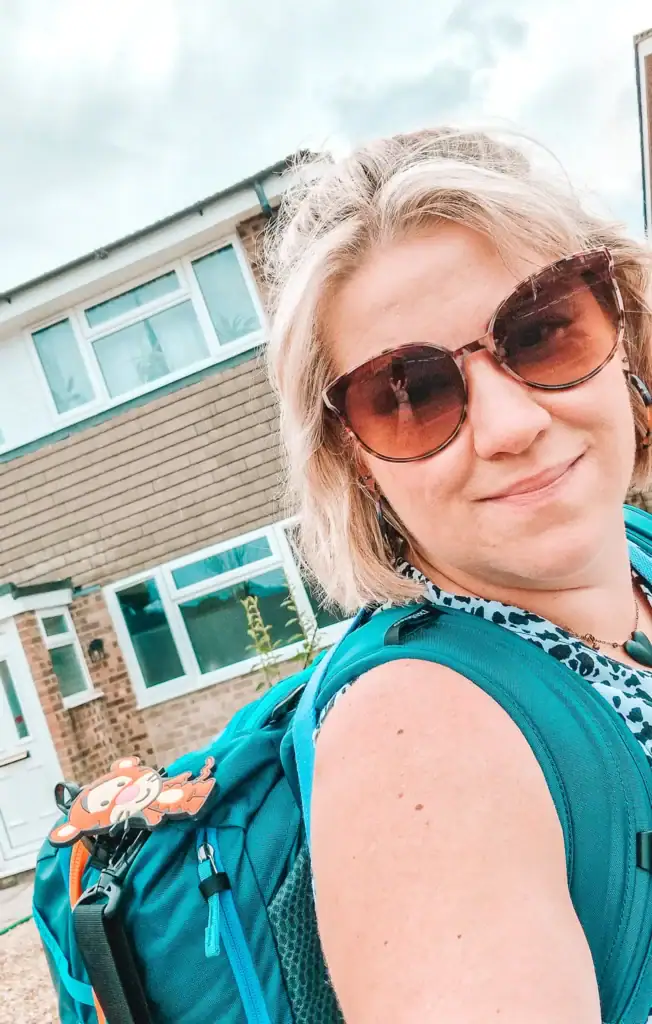
- Cotopaxi Allpa – My current backpack and a total gamechanger for organisation. It opens like a suitcase but wears like a backpack, with clever compartments that keep everything in place. Great for travellers who hate rummaging.
- Osprey Farpoint / Fairview – My go-to pack for years (until a tragic Marmite-based accident). Incredibly durable, comfortable, and designed with back support in mind. If you’ll be carrying your pack a lot, this is a solid pick. And yes, the gendered versions actually make a difference on these – they’re designed for different builds. For once, it’s not just a pink tax.
👚 Clothes & Footwear
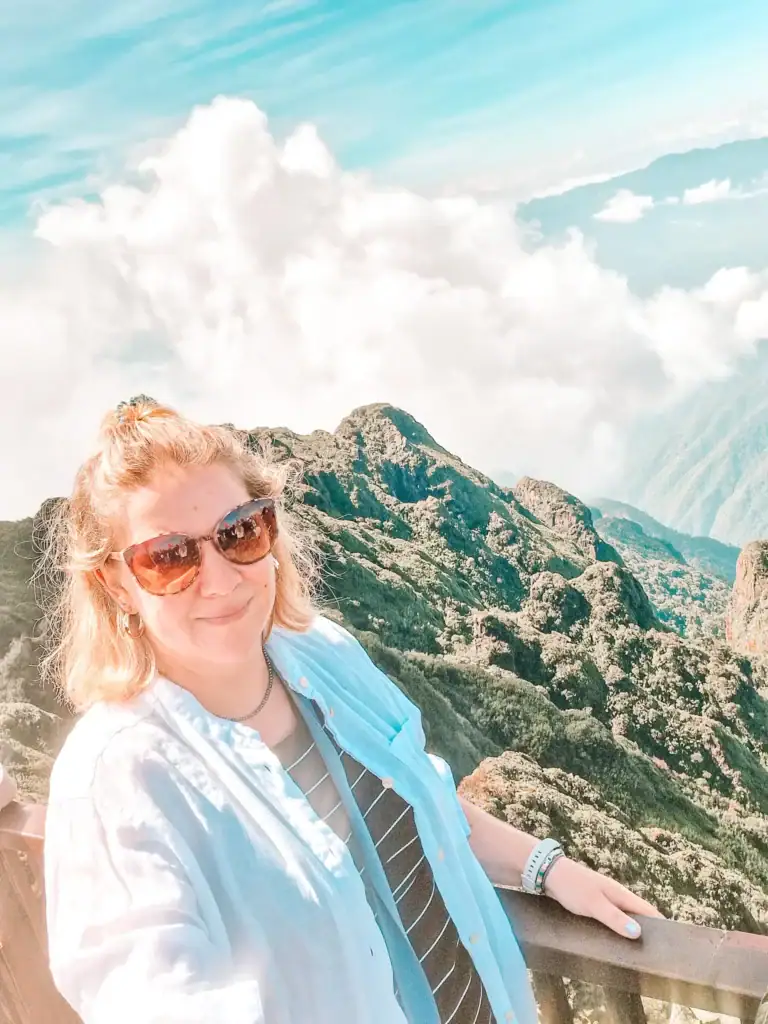
SEA is hot, humid, and varied — pack light, breathable layers that mix comfort with modesty for temples and rural areas.
✅ Essentials
- Loose, breathable tops (quick-dry or light cotton — avoid linen in high humidity)
- Lightweight t-shirts or tank tops
- Shorts or loose trousers / 1–2 dresses or skirts (cover knees at religious sites)
- Lightweight scarf or sarong (for temples or extra sun protection) – I had to buy one on the Bamboo Train in Battambang, Cambodia because the sun was so fierce
- Hoodie or light sweater (for AC buses or mountain towns)
- Poncho or rain jacket (especially in wet season: June–Nov)
- Quick-dry underwear (gamechanger in humid climates)
- At least 2 swimsuits (for beaches, waterfalls, pools, hot springs) – no one wants to put on a damp swimsuit
- Sleepwear (for shared dorms or overnight buses/trains)
Notes:
- If you’re heading to Sapa in Vietnam, you’ll need clothes for cooler weather unless it’s the height of summer.
- In more conservative areas like Singapore, Malaysia or Java/Sumatra, modest dress is appreciated — no need to cover head-to-toe, but tank tops and short shorts might feel out of place.
- If you’re staying in hostels or guest houses/homestays with shared bathrooms, bring pjs you’re happy to walk around in
- If you’re planning to take long bus or train journeys, bring something you’re comfortable travelling in – no tight waistbands!
My personal favourite gamechanger – Airism underwear from Uniqlo. Dries more quickly than cotton – really ups your comfort level in high humidity. Not an affiliate link – just something that’s changed my life. It is available in store in Malaysia and some other parts of SEA, but bigger sizes aren’t always stocked.
👟 Footwear
- Walking sandals (Tevas or Birkenstocks are backpacker classics)
- Close-toed shoes (for hikes, cities, or motorbike days)
- Water shoes (useful for waterfalls, rocky beaches or boat landings)

Footwear note: If you use ladies shoes and have bigger feet (above a UK6/US8/EU38) you will find it almost impossible to get women’s shoes – trust me, speaking from experience. The exceptions are unisex sliders (one of my favourite purchases ever) and getting bespoke shoes made in Hoi An (see my guide to Tailoring in Hoi An for more details).
🛍️ How Easy Is It to Buy Things in Southeast Asia?
You can buy most essentials in Southeast Asia — but how easy it is depends on the country and how far off the tourist track you go.
| Country | Easy to Buy Everyday Items? | Notes |
|---|---|---|
| Vietnam | ✅ Yes in cities, harder in rural areas. | – Tourist towns have minimarts & pharmacies. More niche toiletries – especially skincare – can be tricky (and pricey). – Clothes usually sold in markets and cheap, but poor quality (with the exception of a few malls). – Some items – like backpacks and handbags – are excellent value in Vietnam as the factories are often situated in the country. – Most medications are very cheap but some medications are just not available – trust me, speaking from experience. |
| Cambodia | ⚠️ Patchy availability | – Stock up in Phnom Penh or Siem Reap; minimarts are limited outside. Malls are limited outside Phnom Penh. – As in Vietnam, clothes are widely available in markets but poor quality – the same for electronics like mini chargers and wires. – Most medications easily available OTC in Phnom Penh and Siem Reap. – If you’re heading to Koh Rong or Koh Rong Samloem – remember that there will be almost nothing (including ATMs). Make sure you have everything you need before you hop on that boat. |
| Laos | ❌ Difficult outside Vientiane | – Bring what you need — rural Laos has very limited options. – If you need to stock up on anything, the mall in Vientiane is your best bet. |
| Malaysia | ✅ Very easy | – Big malls, pharmacies and convenience stores everywhere. – Malaysia has great toiletry/skincare/health shops, like Guardian, which have a huge range and are everywhere – sometimes multiple Guardian’s on the same street! – However, medication is more strictly controlled. I had to see a doctor to get a refill – but this took 20 minutes and was very cheap. |
| Singapore | ✅✅ Super easy | – Everything you could possibly want — at a price. – However, medication is more strictly controlled. |
| Thailand | ✅✅ Super easy – Bangkok ✅ Very easy – everywhere else | – Most cities in Thailand have big malls with western brands – but they might not be near your accommodation. For example, there are several malls in Chiang Mai (and more than I could count in Bangkok). – Outside of big cities, you’ll rely on 7-11, which carries more than you think but not a wide variety. – The second hand clothes market is huge in Thailand – it’s easy to stock up on clothes that are usually better quality than elsewhere in Asia. – Toiletries and healthcare are easy in Thailand – Boots stores are common (nearly cried the first time I saw one after a month in Laos where everything is hard to find) and local chain Watsons is even more common and well stocked. – However, you might struggle on some of the smaller islands – think about what you’ll need before hopping on that ferry. |
| Indonesia | ✅✅ Easy in Bali & Jakarta. ✅ Lombok has a growing digital nomad community so some items getting easier to find. ✅ Other parts of Java have varying levels of shops/malls e.g. Malang and Yogyakarta ❌ Difficult in Sumatra | – Outside of Bali and Jakarta, bring basics. – Sunscreen is expensive and often whitening. – You occasionally find Guardian toiletry/healthcare/skincare stores in Indonesia, but the range is usually more limited than in Malaysia |
Tip: If there’s something you really rely on — from a specific deodorant to prescription meds — bring it with you.
🧼 Toiletries & Health
You can buy most things locally, but they’re not always the brands or quality you’re used to.
- Sunscreen (expensive and often whitening) – I prefer Nivea for general use and Sun Bum when I need reef safe suncream
- Bug spray (essential for rural or beach areas) – DEET-free options are widely available, but if you’re heading to jungle areas like Borneo I recommend buying DEET spray in advance (it’s not easy to find)
- Skincare & moisturiser – lots of skincare in SEA has whitening products, and outside of Malaysia, the options are limited.
- Lip balm (AC will dry you out fast) – I recommend La Niege (one pot lasted me the whole year) or Pawpaw as a cheaper alternative
- Hand sanitiser + tissues (not all toilets provide them!)
- Menstrual products (tampons are hard to find in some places & sanitary towels are much thicker than in the UK)
- Toothbrush, toothpaste, deodorant, razor – I love my environmentally-friendly Suri electric toothbrush & the travel case that kills germs – great for reassurance when you’ve accidentally put tap water on the brush again
- Mini first aid kit: plasters/bandaids, Imodium, antihistamines, hydrocortisone, paracetamol/acetaminophen (significantly more expensive than in the UK)
- Medications: bring your prescriptions + a backup in original packaging (store the prescription in a waterproof sandwich bag!)
- Spare glasses + copy of your optician prescription
Medication note: in many parts of SEA you have to ask for Imodium/loperamide (anti-diarrhoea medicine) from the staff. They’ll ask a couple of questions and hand it over easily, but if you’re easily embarrassed, bring enough to see you through!
Skincare & toiletries note: outside of Singapore and Malaysia (where there is an exceptionally good range of products), the most common brand is Nivea, which is widely available. Dove deodorant is widely available but usually more expensive, with Nivea widely available and a cheaper alternative. Beware of deodorants with whitening properties – a new form of body shaming I had no idea even existed. The most common high-end skincare brand available is CeraVe, which you can usually find in pharmacies that cater to tourists (except in Laos, don’t plan to buy anything in Laos).
🔌 Electronics & Tech
Keep devices charged and protected on the road.
- Universal USB adapter (with multiple ports) – some budget rooms will only have one plug (particularly true in wooden huts, which are common in Laos and Thailand)
- Long charging cable + USB-A cable (buses/planes often use these & plugs aren’t always near the bed in budget hotels – the long charging cable I brought was one of my most valued items!)
- Power bank / handbag charger (essential for long travel days)
- Mini USB fan (lifesaver in hot dorms, cafés or trains)
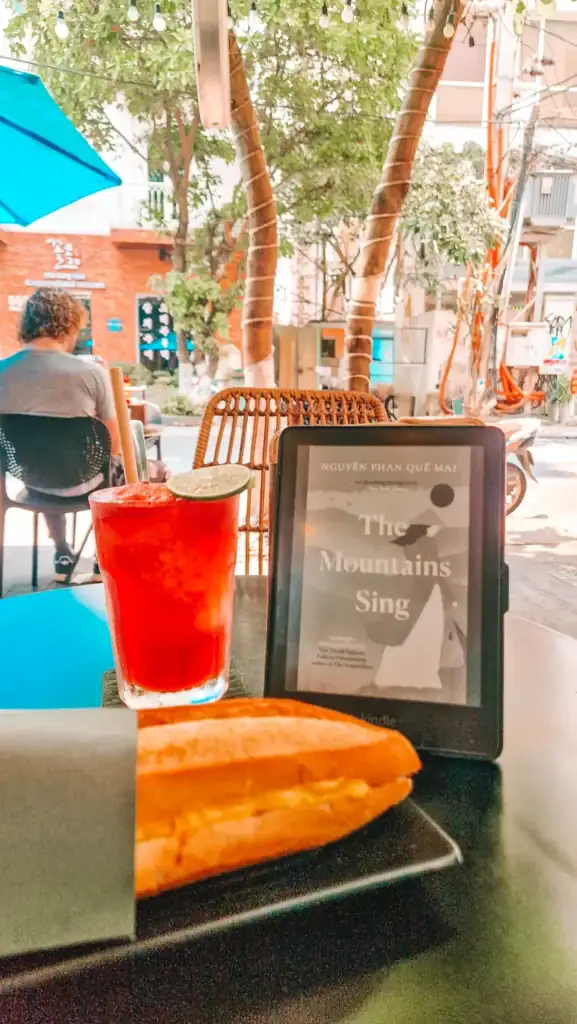
- Kindle (no book swaps anymore!) + Kindle Unlimited to stock up
- Waterproof phone case (for beaches & boats)
- Spare charging cables
- Noise cancelling headphones + Bluetooth plane adapter (for long flights) – I loved these budget earbuds while travelling but I’ve recently upgraded to Samsung Buds3 and they are gamechanging
- Spare phone (especially if travelling solo) – keep it separate
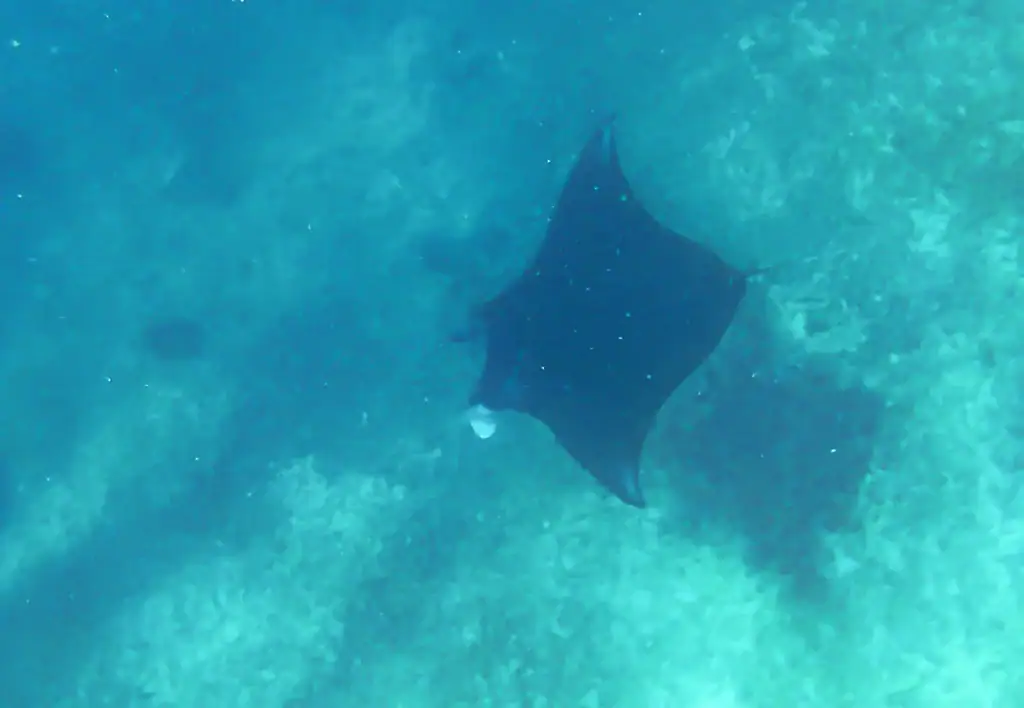
- Mini camera – So many people won’t travel without their GoPro for snorkelling and other videos – and the quality is amazing. I didn’t pack a GoPro, but my budget-friendly AKASO action cam did the job, especially for snorkelling and boat trips. Waterproof, compact, and perfect for capturing underwater moments without the GoPro price tag.
Electronics note: cheap electronics are widely available in markets, but won’t have the same quality/safety guarantees that you find in the UK/Europe/US. In most countries, you can find reputable electronics stores to buy quality assured products that will give you more peace of mind (ask your hotel or homestay for help). Once again, the exception is Laos (outside of Vientiane).
📚 Bringing your Kindle? Don’t forget to load it up before you fly.
I’ve pulled together my favourite books for the road — from fiction set in Vietnam to insightful reads about Southeast Asia’s history and culture.
👉 Explore my travel reading lists:
- Best Books About Vietnam
- Top Southeast Asia Reads for Travellers
- Books Set in Malaysia
- Books to Understand Asia Beyond the Headlines
📖 Perfect for long bus rides, rainy afternoons, and coffee-fuelled mornings.
🧳 Travel Accessories
- Compression packing cubes – (space-savers and a dream for staying organised when you’re changing hotels every 2 days.) I have this set and they’re still going strong after 18 months.
- Travel locks (for buses, hostels, lockers) – I’ve used these throughout my travels.
- Foldable daypack (for hikes, day trips or laundry)
- Reusable water bottle (filter bottles or refill stations are common)
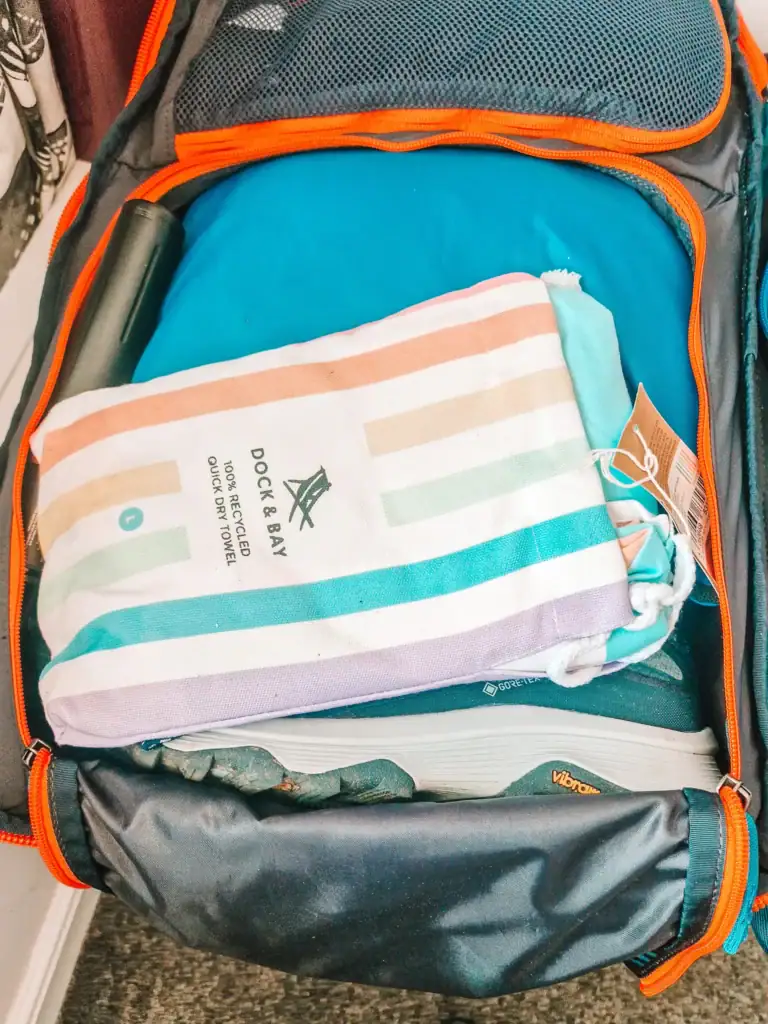
- Travel towel (quick-dry and compact) – I love my Dock and Bay towel.
- Eye mask + Loop earplugs – (for buses, flights, noisy hostels) – yes, Loop earplugs do live up to the hype
- Compact multitool or penknife (in checked luggage only)
Travel accessories note: with the exception of water bottles and a multi-tool, these are hard to find on the road, so best to bring from home
Multi-tool note: if you’re planning on taking trains in Laos, they will confiscate your multi-tool, even from your big luggage. If it’s an expensive one, leave it at home (I left my very beloved 18th birthday present Swiss Army Knife in the UK for this reason)
Money and documents
- Passport + copies (digital and physical)
- Visas (check in advance!) & paper copies
- Travel insurance – and give a trusted friend/family member the contact details in case they need to advocate for you
- Debit/credit cards (and a backup stored separately)
- Emergency cash (USD $100 is a good base) – keep it in PRISTINE condition or it might not be accepted.
- Local cash (start with enough for taxis/snacks)
- Hotel confirmations & itinerary
- SIM or eSIM (see below)
Money and documents notes: Mastercard isn’t widely accepted in Laos, I really struggled to find ATMs that accepted it and many shops also didn’t. Make sure you have at least one Visa card for places where Mastercard isn’t accepted. American Express isn’t widely accepted in SEA in general.
📶 Staying Connected: SIMs & eSIMs
SEA is one of the best regions for staying online while travelling. If your phone supports it, eSIMs are a gamechanger: install before you fly and land already connected.
Trusted eSIM providers include:
You’ll get instant data access in Vietnam, Thailand, Cambodia, and more. Just make sure your phone is unlocked and eSIM-compatible.
Laos has poor eSIM coverage, and it’s expensive. I recommend getting enough data for your first day in the country and then getting a physical sim locally.
Prefer a physical SIM? You can usually pick one up at the airport or nearby minimarts. Use Google Maps to search and pay attention to reviews – some places that sell physical sims are excellent and others notorious for scams.
📱 Essential Travel Apps for Southeast Asia
- Grab – Ride-hailing and food delivery (used in Vietnam, Thailand, etc.)
- Google Maps – Navigate and download offline maps
- Google Translate – Instant camera-based translation for menus & signs
- Booking.com – Reliable for budget to mid-range accommodation
- 12Go Asia – Book trains, buses and ferries across the region
- Your eSIM provider’s app – To manage your data plan
- ChatGPT – the amount of times I’ve used this to work out how to use the controls on a washing machine or aircon unit doesn’t even bear thinking about…!
💡 Pro Tip: Make a “Travel” folder on your phone before you go.
🎒 The “Glad I Packed It” List
- Tote bag or foldable shopper (laundry, markets, snacks)
- Vitamins (surprisingly expensive locally) – iron in particular is hard to find if you use that regularly (speaking from sad experience)
- Hair ties & clips (for heat + utility)
- Ziplock bags – transport essentials like passports and cash in these to avoid damage – especially if you’re travelling in places prone to heavy unexpected downpours (Cambodia, I’m looking at you)
❌ What Not to Pack
✋ Don’t overpack! Laundry is easy and most things are replaceable. Here’s what to skip…
- Laundry detergent – laundry services are cheap + fast
- Tons of makeup – you’ll sweat it off
- Multiple handbags – one small bag +foldable backpack is plenty
- Flip-flops – available everywhere for $1
- Heavy books – switch to an e-reader! I recommend a Kindle.
- Conditioner – splurge on a hair spa treatment instead 🧖♀️
🧡 My Top 10 Travel Gamechangers
These are the unsung heroes of my year in Southeast Asia — not glamorous, but absolutely worth packing.
- Airism underwear – Quick-dry, super comfy, and perfect for tropical heat.
- Compression packing cubes – Keep your bag neat and make room for souvenirs.
- Loop earplugs – Whether it’s street noise or snoring dorm mates, these save your sleep.
- Long charging cable – Hostels never put plugs where you need them.
- Kindle No more lugging paperbacks or relying on dodgy hostel book swaps. Load it up before your trip and you’ve got an instant library for buses, planes, and rainy café afternoons.
- Ziplock bags – Keep your passport dry during a Cambodian downpour (been there).
- Suri toothbrush – The UV travel case gives peace of mind and saves on plastic.
- AKASO action cam – Great GoPro alternative for snorkelling and boat days.
- La Neige Lip Mask I didn’t expect aircon to dry out my lips so much — but this was a total lifesaver. I used it every night, and woke up with fully moisturised lips even in the driest hotel rooms.
- eSIM with data – Skip airport chaos and get online instantly.
FAQs: Packing for Southeast Asia
Do I need to pack warm clothes for Southeast Asia?
Mostly no — it’s hot and humid year-round — but if you’re heading to mountain areas like Sapa (Vietnam) or Cameron Highlands (Malaysia), or taking long air-conditioned bus/train rides, pack a light jumper or hoodie.
Can I buy everything I need once I arrive?
Yes and no. You can find basic toiletries and clothes easily in most big cities — but medication, skincare, and specific travel gear can be tricky outside of places like Bangkok, Singapore, or Kuala Lumpur. See my breakdown above on what’s easy (and hard) to buy in each country.
Is bug spray really necessary?
Yes — especially in rural areas, jungles, or islands. Non-DEET sprays (like citronella-based repellents) are widely available and work fine for most places. But if you’re heading somewhere remote or jungle-heavy (like Borneo, northern Laos or the Indonesian islands), consider packing a DEET-based repellent from home — it’s much stronger and not easily available in most of Southeast Asia.
Should I bring a sleeping bag or mosquito net?
No need for a sleeping bag. Most accommodation provides mosquito nets if needed, especially in rural areas — but bring mosquito repellent and long sleeves for extra protection.
What’s the best bag to travel with — backpack or suitcase?
A backpack is more versatile for Southeast Asia’s terrain, ferries, and uneven roads. Rolling suitcases are fine in Singapore and maybe Bangkok, but less ideal in other cities, rural or beach areas. A foldable daypack is a must.
Can I use my phone in Southeast Asia?
Yes — if you unlock your phone, you can use eSIMs or local SIMs easily. I recommend eSIMs for most places (see my SIM section above), and physical SIMs for Laos.
✈️ Final Tip
The best travel gear is the kind you forget you’re wearing. Prioritise comfort, flexibility, and items that dry quickly and work hard. And don’t overthink it — Southeast Asia is one of the easiest places to travel light.
Ready to pack?