
 Em
EmJust so you know: This post contains affiliate links. As an Amazon Associate, I earn from qualifying purchases. I may also earn a small commission if you book a tour, hotel, or buy something else through these links. It helps me keep this blog running and full of travel tips. Thanks for your support!
Looking for unforgettable things to do in Wiltshire? You’re in the right place. Whether you’ve just Googled “hidden gems near Stonehenge” or you’re wondering if Salisbury has more to offer than its iconic cathedral (spoiler: it does), this guide is designed for curious travellers like you—especially if you’re someone who is always chasing authentic experiences, rich history, and places that haven’t been Insta’d to death.

If you’re visiting from nearby Bath, check out my local’s guide to this dreamy city to find out how to experience the best it has to offer.
Is Wiltshire worth visiting?
Let’s be honest—Wiltshire doesn’t always get the spotlight. Neighbouring Somerset and the Cotswolds often steal the travel limelight, and with patchy public transport, it can feel like a county best left to locals with a car. But here’s the thing: I am a local. I live here. And I can tell you—Wiltshire is full of wild surprises, ancient wonders, and storybook countryside that’s well worth a bit of extra planning.
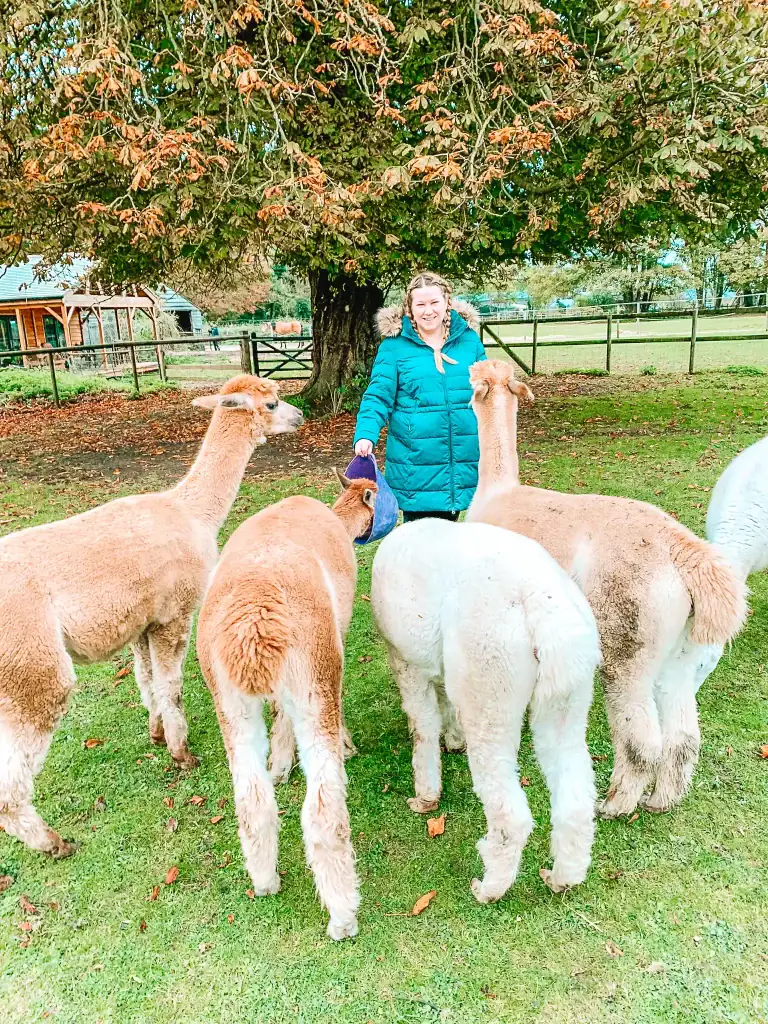
In fact, one of my favourite Wiltshire moments came on a birthday a few years ago, when I spent the afternoon walking alpacas across a breezy hillside with views stretching all the way to the edge of the Marlborough Downs. It was unexpected, peaceful, and oddly therapeutic (when the alpacas weren’t pulling).
This post distils that kind of magic. You’ll get honest insights into the big-hitters like Stonehenge, Salisbury Cathedral, and Longleat (yes, it really has lions), plus under-the-radar spots like Avebury, where you can walk right through the ancient stone circle without any ropes or crowds. Whether you’re road-tripping, hiking, or navigating without a car, I’ll help you get the most out of your time here—with practical tips, local knowledge, and experiences that genuinely reflect the spirit of Wiltshire.
Quick packing list for Wiltshire:
- Small handbag charger, or this bigger but heavier charger that offers more power – both perfect for making sure your phone doesn’t run out when you’re trying to get those Stonehenge pics.
- Travel Umbrella – 92k reviews, compact, ideal for changeable British weather.
- Packable Rain Jacket – Lightweight, great alternative to umbrellas.
- Mini USB Fan – Perfect for hotels without AC.
- Multi-Port Plug Adapter – My go-to for travel—fast charge + universal.

Locals guide to Wiltshire – the top things to do
Use this interactive map to plot your trip to Wiltshire!
1. Take in ancient history at Stonehenge
Cost: £25 in advance or £30 in person
Facilities: The site is maintained by English Heritage, who provide toilets, a cafe and other facilities, as well as the ubiquitous gift shop.
Accessibility: English Heritage have done a lot of work to make Stonehenge as accessible as possible. If you have specific accessibility needs, you can find out detailed information on their website.
Stonehenge shouldn’t just be top of your list of things to do in Wiltshire, it should be one of your top things to do in the United Kingdom and the world. Built around 3000 BCE, the enormous UNESCO World Heritage Site had a few iterations, including a wooden henge before the current stones. Historians continue to find out more and more about how ancient people used this magnificent prehistoric monument, and how it tied into the countryside around it. It’s truly one of the most stunning monuments in the world.
How to get to Stonehenge
Cost:
- Bus from Salisbury: £19.50
- Car in car park: £3
Situated outside Salisbury, you can drive and park in the car park run by English Heritage.
There is also a regular bus that runs direct to the site from outside Salisbury Station. This goes every hour during peak months. The bus stop is easy to find just outside the station. You can also buy a combo ticket with your Stonehenge entry included. The bus has Audio commentary is provided on the bus so that you find out about Stonehenge before your visit. During peak season (summer and school holidays) I would suggest booking in advance.
If you’re coming from London, the most convenient way to visit Stonehenge might be via a guided tour.
Book a highly-rated Stonehenge tour with skip-the-line tickets: this highly rated option is a half-day tour to Stonehenge, so you can still have time in London when you get back.
Book a full day tour that also takes you to beautiful Bath: this tour takes you across the border into Somerset for my favourite town, Bath, as well as making sure you get to see Stonehenge.
2. Enjoy Salisbury, one of the UK’s oldest cities
Cost:
- Salisbury Cathedral: Adults £11 in advance, £13 on the day
- Salisbury Museum: Adults £10.90
While you’re heading to Stonehenge, make sure you take the time to visit at Salisbury, the nearest city. Founded in 1220, Salisbury retains its historic, mediaeval appearance, with many buildings dating from the middle ages.
Salisbury is a lovely town to walk around, with winding alleys, excellent shopping and lots of cafes and restaurants.
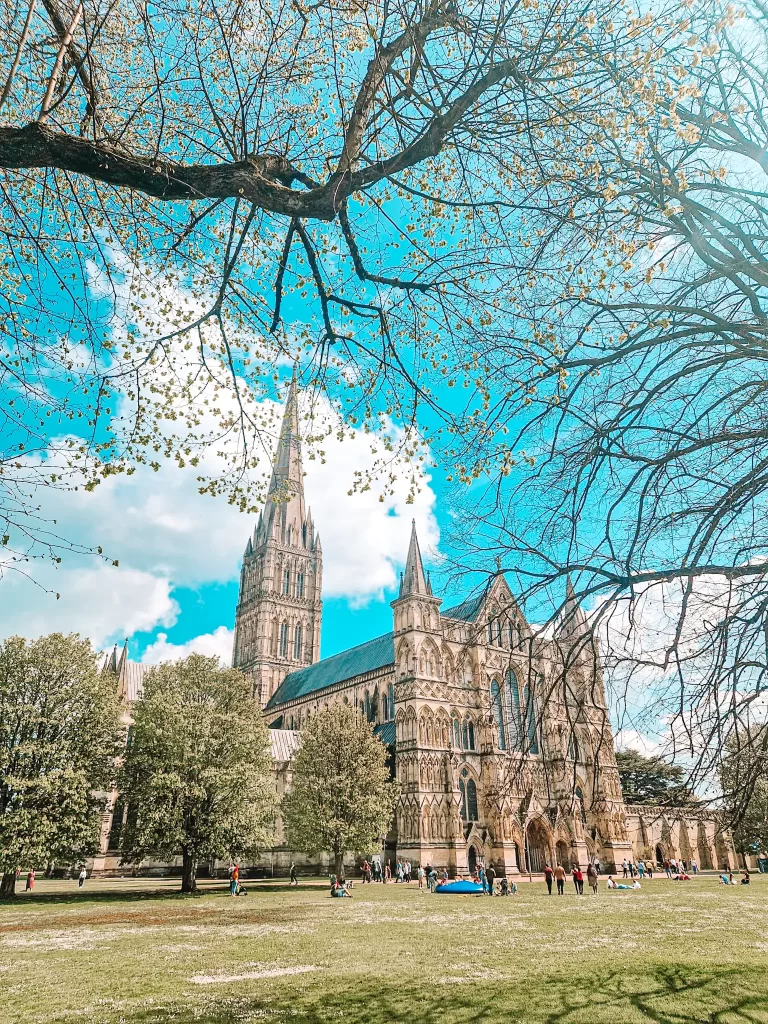
There’s plenty to do and the main attractions include:
- Salisbury Cathedral – like the beautiful Porto Cathedral, the soaring Salisbury Cathedral was built in the 13th century. Its a magnificent example of Early English Gothic architecture. It also houses one of the few surviving copies of the Magna Carta, the document which codified democracy in England in 1215. It took power away from the King and ensured Parliament had more say in governing the country, and is one of the most important documents in English history. I genuinely got chills seeing this!
- Salisbury Museum – located just across from the cathedral, the small Salisbury museum houses an impressive amount of local archaeological information, including the famous Amesbury Archer. This is one of the oldest bodies found in England, who is thought to be connected to Stonehenge, and who has provided enormous insight into everyday life at the time. The museum also offers occasional ‘Behind the Scenes’ tours, which I’ve been lucky enough to attend in the past. They give you a chance to get up close and personal with artefacts including holding arrowheads and axeheads that are over 40,000 years old – try to get yourself on one of these tours. There is nothing like the awe I felt holding one of those arrowheads in my hands!
- Visit the Haunch of Venison, the oldest pub in Salisbury, dating from 1320. Stepping inside is like going back in time – the tiny, winding space retains so much of its historic character. It also famously has a Hand of Glory (now a replica after the original was stolen), a rare magical artefact which was believed to aid burglary (or protect your house from burglary – the folkore isn’t 100% clear!). The ‘Horsebox’ area of the pub at the front is also where Churchill and Eisenhower planned the D-Day landings – have a pint and literally sit in a space that changed the world. Note: This isn’t an affiliate link—just a place I genuinely love and recommend.
- Another exceptionally old pub is The New Inn (not particularly new as it dates to the 16th century), a gorgeous Tudor building that oozes charm.
Where to stay: I can personally recommend the Chapter House, which is a historic building right in the centre of Salisbury (but with no noise!). I stayed in one of their Small Double rooms and it was petite but perfect. It has a 8.8 rating from over 1.5k reviews.
3. Longleat – spot lions, tigers, cheetahs and monkeys on safari at one of the UK’s biggest safari parks
Cost: £42.95 for an adult – booking in advance recommended in summer and school holidays
Facilities: car parks, toilets, shops, cafes etc.
North of Salisbury and just outside Warminster, Longleat is one of the most exciting animal parks in the UK. It’s a haven of conservation, offering safari access to the bigger animals and more up-close access to the smaller ones. The safari includes lions, wolves, rhinos, tigers and cheetahs, while animals in the walking area include my favourite Koalas, red pandas, a variety of reptiles and otters.

Take your life (or at least your car) into your hands as you visit the Monkey Mayhem area – signs at the entrance warn you that Longleat will not be responsible for damage to your vehicle. The monkeys are free to climb all over your car and are highly likely to do so!
Longleat also offers a short boat ride, where you can see gorillas, a small children’s train and an extensive adventure playground. Finally, you can also visit the incredible Longleat House, one of England’s stately homes, originally built as a home for a single family.

If you are in Wiltshire in December, you can also visit Longleat for their Christmas lights. These have a different theme each year and are an enchanting way to see the property. Just make sure to book ahead as it’s very popular.
Plan a whole day at Longleat – you will definitely need it!
Where to stay: The Angel Inn is in a small nearby village only a few minutes drive from Longleat. I haven’t stayed but I’ve eaten at the restaurant and it is delicious! The hotel has a rating of 9 from over 700 reviews, so you know it’s going to be good!
4. Avebury – a pre-historic spiritual experience in Wiltshire
Cost: free, but £7 per car to park
Accessibility: the village is accessible, but to see the stones up close you need to walk across fields with uneven ground (and lots of sheep poop)
Facilities: there are toilets near the car park, and shops and cafes in the village
Avebury is the lesser-known sister-site to Stonehenge, but it’s still one of the best things to do in Wiltshire. Historians describe a henge as a wood or stone circle, and Avebury is the biggest in the UK. Sprawling over multiple fields, it’s an awe-inspiring sight, very different to Stonehenge. Like Brasov in Romania, the home of Dracula’s Bran Castle, it’s a focus point for local folklore and many of the shops in the tiny village focus on crystals and spiritual healing.
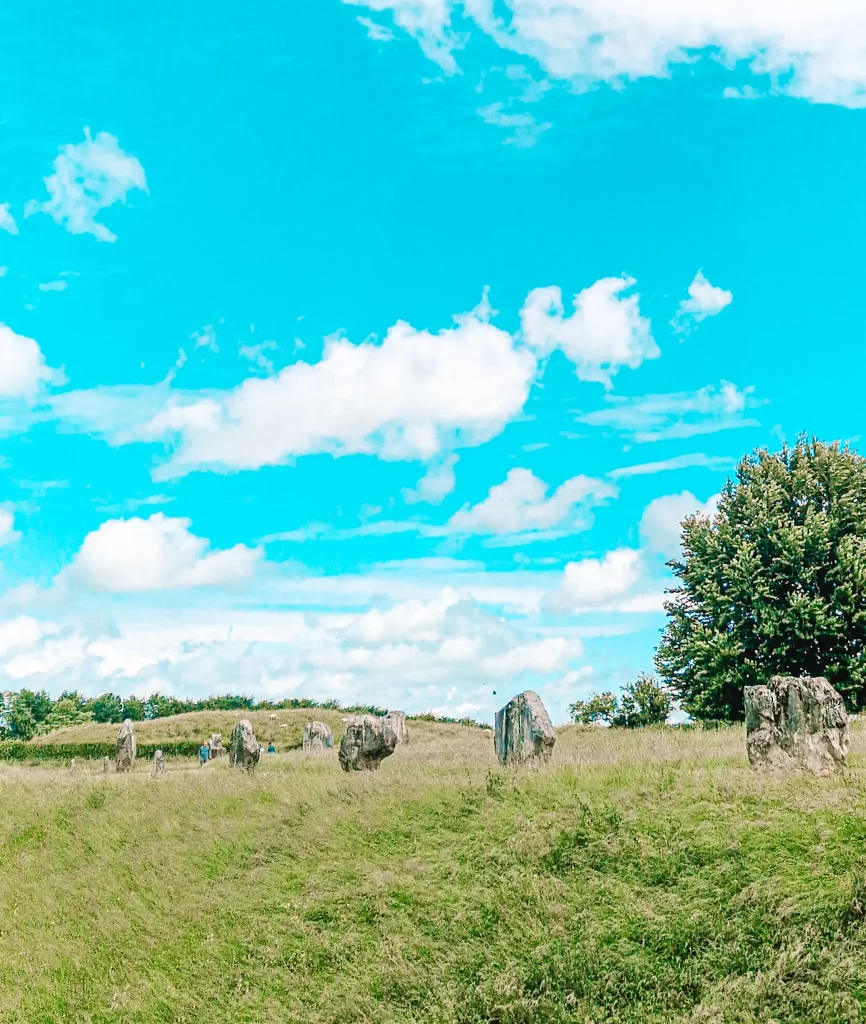
The henge straddles a picture-perfect village, where you can find cafes, a bookshop, a local store and a good few shops.
Visiting Avebury is easiest by car. It’s almost impossible by public transport – I know because I’ve considered going many times and given up because the buses are too infrequent.
Spend a delightful couple of hours strolling around the henge and the village itself, before heading on to Marlborough.
Where to stay: If you want to stay near Avebury itself, try the B&B Dorwyn Manor, with a 9.2 score from over 800 reviews. It’s just a few minutes from Avebury Village and they also cater to walkers and cyclists if that’s your thing.
5. Visit Marlborough – a picture-perfect English town
Nestled in an official area of natural beauty, Marlborough is a historic market town that has become a thriving modern village. It’s also home to one of England’s most famous public (i.e. fee paying) schools, Marlborough College – their most famous alumni is Princess Catherine of Wales. It’s easily reachable from Avebury, so you could combine the two as a day trip.
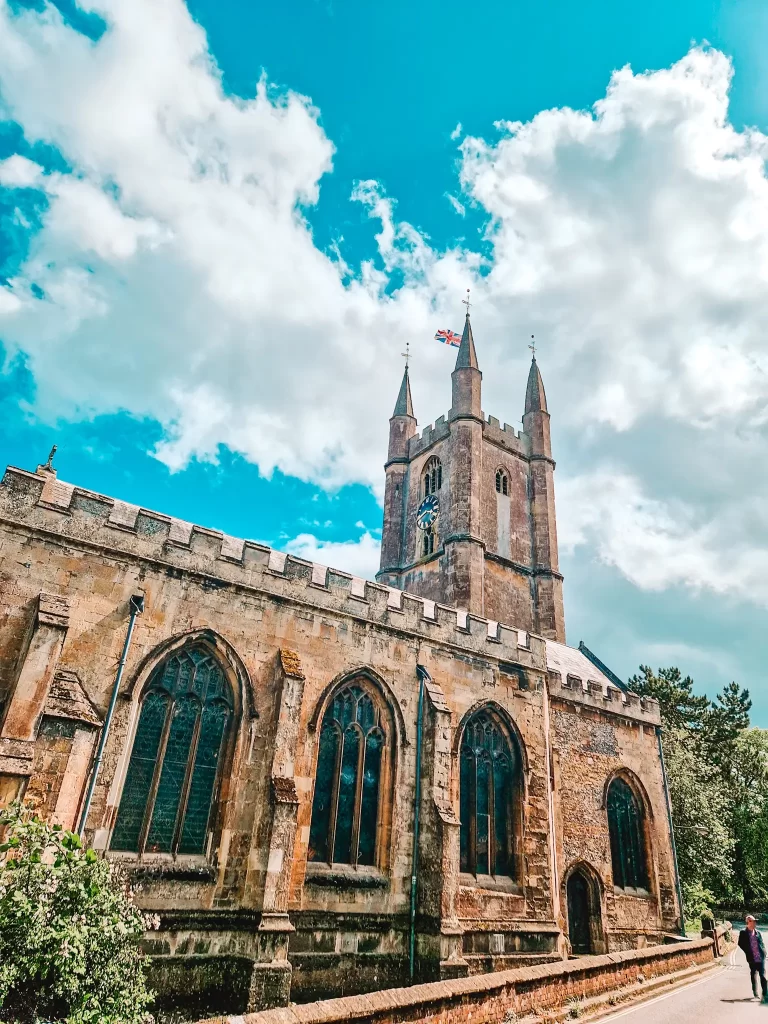
Founded following the Norman conquest in 1066, many of the buildings in Marlborough are mediaeval. The thriving town centre offers a large number of cafes and restaurants, as well as higher end shops and independent stores. It’s a lovely place to spend a few hours, especially on a Saturday when there is a busy market. There are also a few places to have afternoon tea on the high street, including my recommendation, The Polly Tea Rooms.
Where to stay: Stay in Marlborough for quick access to Avebury, as well as time to explore this charming town. Try The Marlborough, which has an 8.6 rating from over 800 reviews, and is right on the High Street.
6. Explore Bradford on Avon, where Saxon, Medieval and Bridgerton history meet
Bradford on Avon is the little sister of Bath. It’s a smaller version of the famous city, featuring the same architecture and Bridgerton vibes, and it’s one of my favourite places to spend time in Wiltshire. It’s a bustling town full of independent shops and restaurants, with the Avon flowing through the centre.
Founded sometime between 652 and 1001, the majority of the town dates from the Georgian period, with elegant townhouses filling many of the streets. However, if you’re in search of older history, you can visit the tiny Saxon church, which dates from around the 8th century. You can easily find the Saxon Church via street signs.
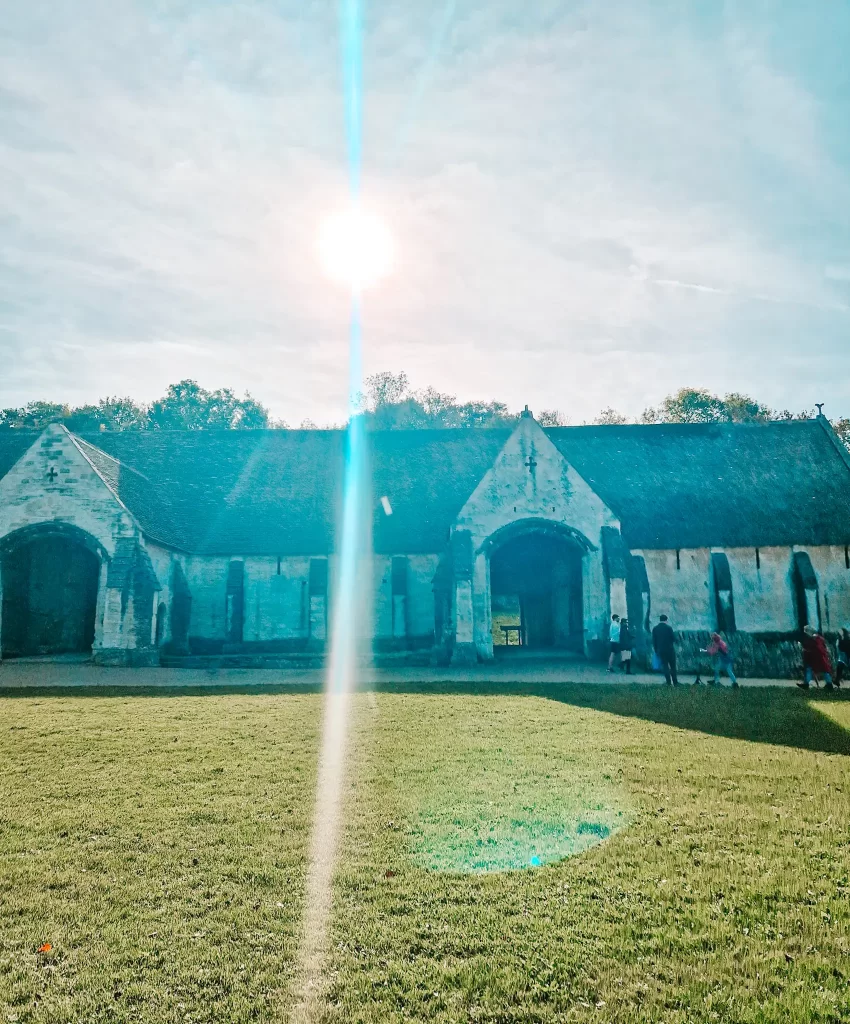
You should also take time to walk along the river to the mediaeval Tithe Barn. This was where the nuns from the local convent collected the tithe (10%) of produce they were entitled to. The enormous size of the barn highlights how wealthy this made them. There are a couple of pretty cafes next to the Tithe Barn. If you head opposite from it and down a short path, you’ll also find a beautiful set of independent shops and workshops.
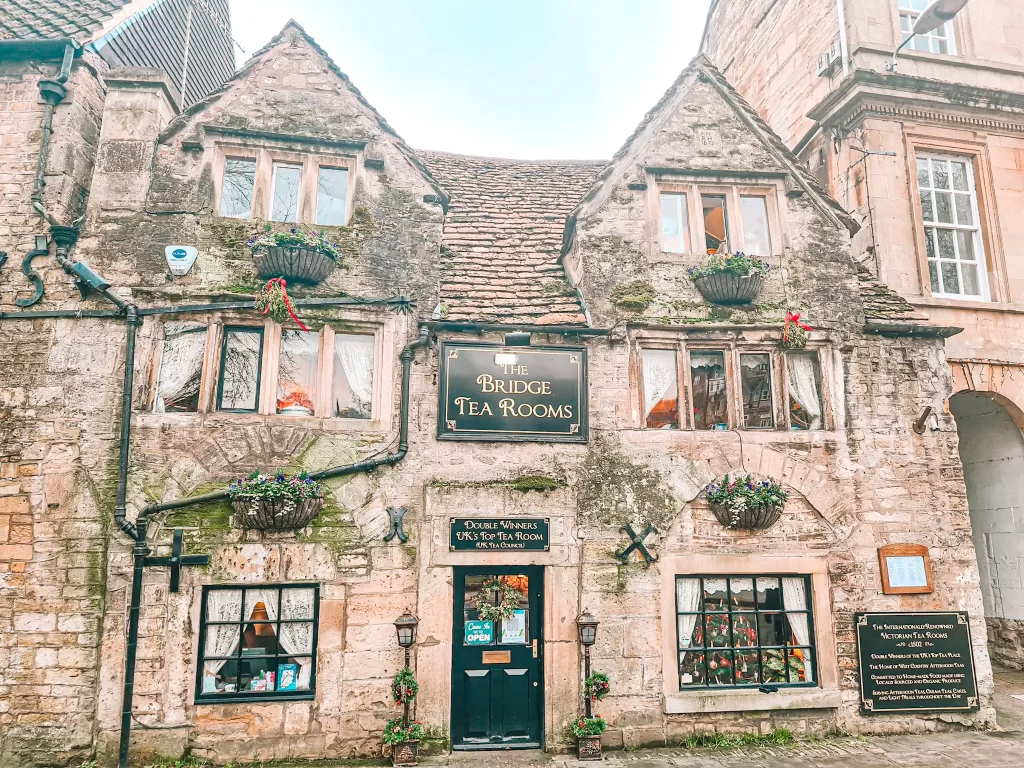
I have a couple of favourite places in Bradford that I always visit, and top of the list is the Bridge Tea Rooms. This building dates from the 15th century, and the tea rooms inside recreate the experience of a Victorian tea room, offering delicious food and a variety of afternoon teas. It’s worth booking ahead as it can get busy. Note: This isn’t an affiliate link, they’re too small for that – just a place I genuinely love and recommend.

Bradford on Avon is easily reached by train from Bath and Bristol, and from other stations in Wiltshire including Westbury (which also connects to London).
Where to stay: Stay at the boujie Timbrell’s Yard, a riverside spot with a fantastic restaurant on site. It has a score of 8.8 from over 400 reviews.
7. Bluestone Vineyard (and Lilleys)
Cost for Bluestone Vineyard:
- £6 for a self guided tour
- £20 for a tasting
- £30 for a guided tour of the vineyard
Cost for Lilley’s: tastings at the shop are free
The amount of vineyards in England is steadily increasing and Wiltshire is proud to have its own vineyard in the south of the county, near Salisbury.
Bluestone was founded in 2016 and has grown ever since. Like many English vineyards, they specialise in sparkling white and rose wine, made with similar methods to champagne. While I haven’t visited the vineyard, I have tried the wine and I can confirm it’s delicious.
While it’s not technically in Wiltshire (just across the border in Somerset), if you like cider you can also easily visit the Lilley’s property just outside of Frome. Lilley’s is one of the most famous ciders in the UK, and a trip to their store offers you a chance to taste all their blends before you buy.
Where to stay: Again, I recommend The Chapter House, a lovely historic building in the centre of town where I had a very comfortable night’s stay! The hotels nearer to the vineyard don’t have great reviews.
8. Walk along the Avon Canal
If you want to get out of pretty towns and into the Wiltshire countryside, one of the best things to do in Wiltshire is to take a walk down the Avon. This beautiful river passes through some of the county’s most beautiful countryside, and there are a number of walks starting from points across the county.
One of the best is the walk to/from Bradford on Avon. You can start your walk in Bradford, or take the train a couple of stops down the line to the gorgeous Freshford. There is a circular walk between Bradford and Avoncliff (c.4.5miles) or between Freshford and Bradford (c.8 miles).
The path along the river is well signposted. There are pubs near Bradford, and one at Avoncliff, so whichever route you take, you’ll be sure of refreshments at the end.
There are also walks from Salisbury, with a well maintained 34 mile route starting at Salisbury Cathedral. These take you into the water meadows behind the cathedral, and onwards for as long as you want to walk!
Cost: £10 for Imberbus ticket
This recommendation is a bit more tricky than my other top things to do in Wiltshire, because there are only around 5 days a year when you can visit Imber. But if your trip coincides with one of those days, it’s well worth making the journey out to Salisbury plain to visit this fascinating site.
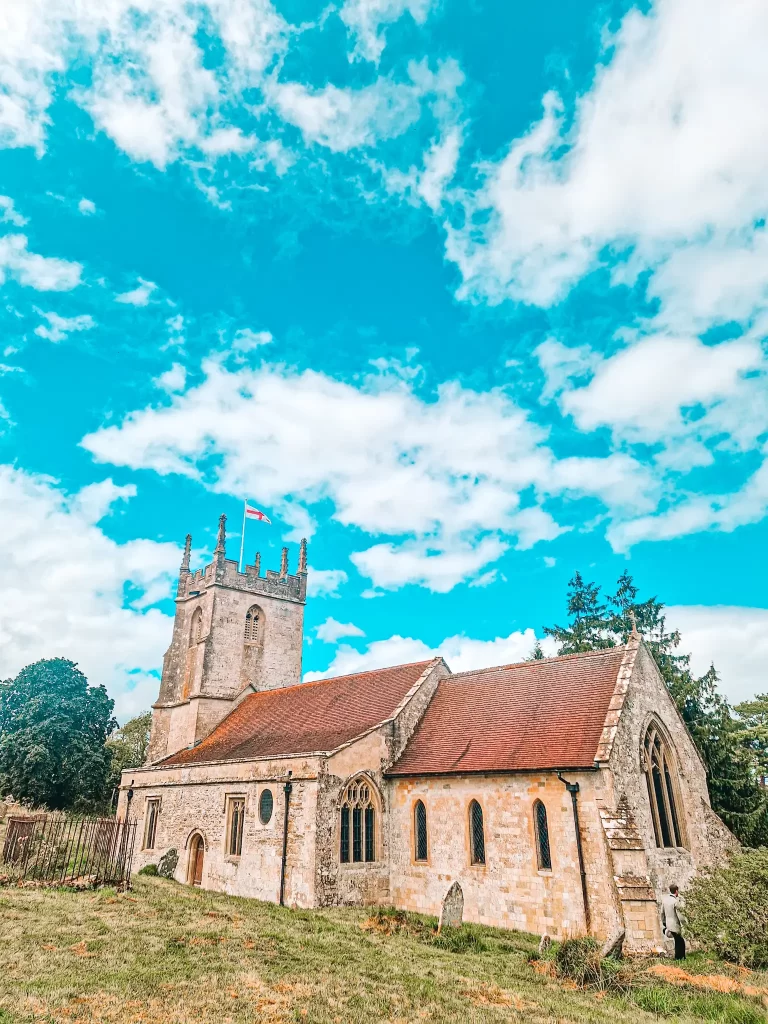
Salisbury Plain is one of the biggest military sites in the UK. In 1943, the Ministry of Defence reached out to residents of Imber, a tiny town in the middle of the plan. Due to the Second World War, the military needed the land, and the residents had to pack up their stuff and leave. They are adamant that they were told they could return, but it never happened. Imber remains military land to this day.
There’s not much of the town left, but the listed Church, dating from the 13th century, remains. Visiting Imber is a fascinating glimpse into the past, and a rare opportunity to see one of Britain’s ghost towns. It’s also interesting to see the buildings the military has built to use as target practice, as well as the canons discarded across the land.
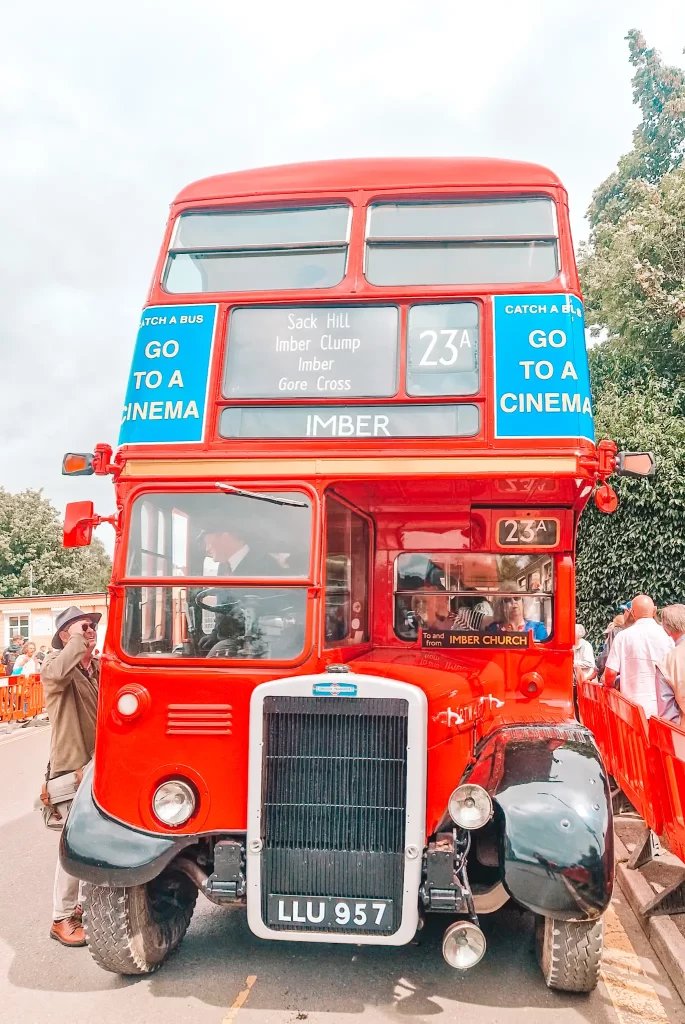
I visited as part of ImberBus, a slightly surreal annual August event where convoys of heritage London buses take visitors out to the site. It was an incredible experience, but extremely busy, with long queues for buses. There are facilities at Imber on the day, including portaloos and tea, coffee and cake in the Church.
Imber is also open to the public on a few other days a year – a couple of bank holidays and once for a carol concert before Christmas. On these days, you need to drive out to the site. Full details can be found on the local church website.
Where to stay: if you’re taking part in Imberbus, the best option is to stay in Warminster, where the buses depart. For a treat option, try Bishopstrow Hotel, in the countryside just on the edge of town.
10. Stourhead stately home
9. Imber – visit a ghost town on one of the biggest restricted military areas in the UK
Cost: £20 adult ticket
Stourhead is a stunning stately home found in one of Wiltshire’s area’s of natural beauty. Built from 1714 onwards, it was originally described as a ‘living work of art’. It was owned by the Hoare banking dynasty, who changed the original manor into the current Palladian masterpiece. It’s now famous for its stunning garden, as well as the house itself.
Stourhead regularly hosts events, including their Christmas light trail. There is also a range of restaurants and shops to enjoy. If you like visiting stately homes, this is one of the most interesting things to do in Wiltshire.
11. Relax on a Spa day
After all that jaunting around the countryside, you’ll be ready for a rest. Head to Bishopstrow Hotel for a fabulous spa day, as well as their delicious restaurant. Just outside of Warminster, and only a few minutes drive from Longleat, the spa is well located to help you relax.
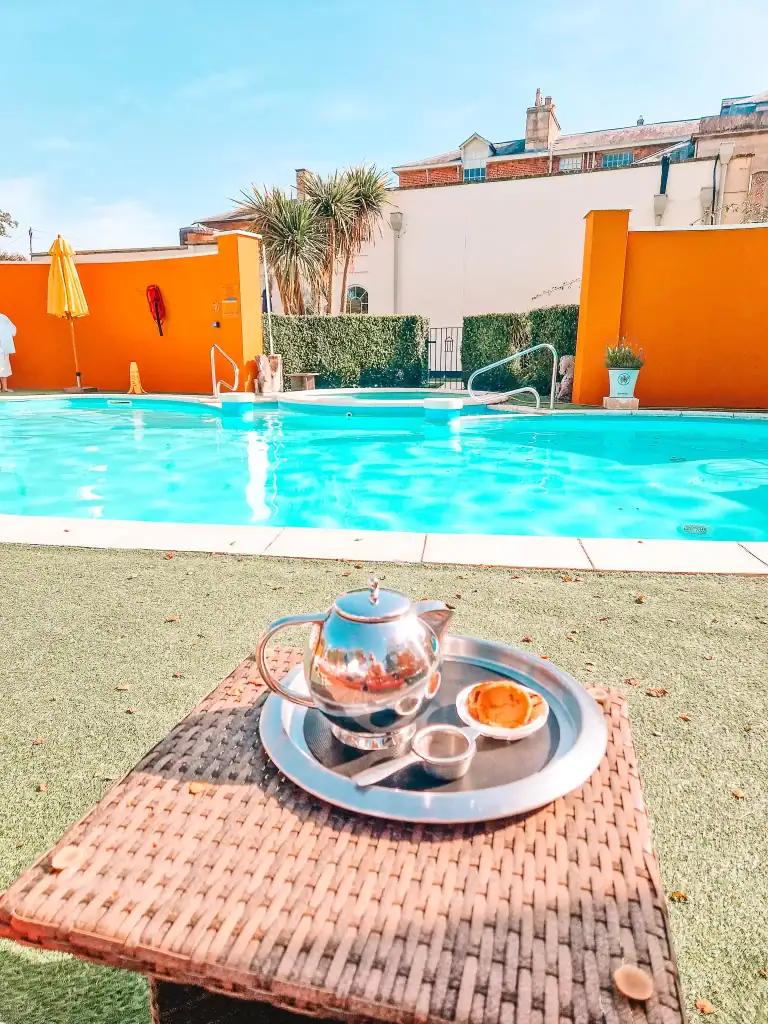
The spa offers an indoor and outdoor pool, and a steam room, sauna and monsoon shower. You’ll also have the chance to relax within their beautiful grounds, if the weather is good enough. There are spa packages available and lots of treatments on offer. Once your spa package is over, you can head to the restaurant for afternoon tea with a view.
I absolutely loved my day at Bishopstrow a couple of years ago for my birthday. Even though it was October, we got some late sun and relaxed by the outdoor pool The highlight of the day though was probably the monsoon shower – it has so many settings and they’re not super intuitive, so there was a lot of amused screaming from me and my friend!
Where to stay: you can stay at the Bishopstrow Hotel. While I haven’t personally stayed, from experiencing their spa day I can say it is gorgeous. And it’s one of the Top Small Luxury Hotels of the World. What more could you want!
12. Take an alpaca on a walk
Cost: £20 per person to lead an alpaca on a 1 hour walk; £30 for 2 adults to share an alpaca.
If you’re not feeling up to a full day of animal spotting at Longleat, you could try a much less intense animal experience in Wiltshire. Visit Downswood Alpacas to spend an hour walking their lovely furry alpacas, and learn all about these fluffy creatures. I did this for my birthday a few years ago and despite the cold weather, it was magical!
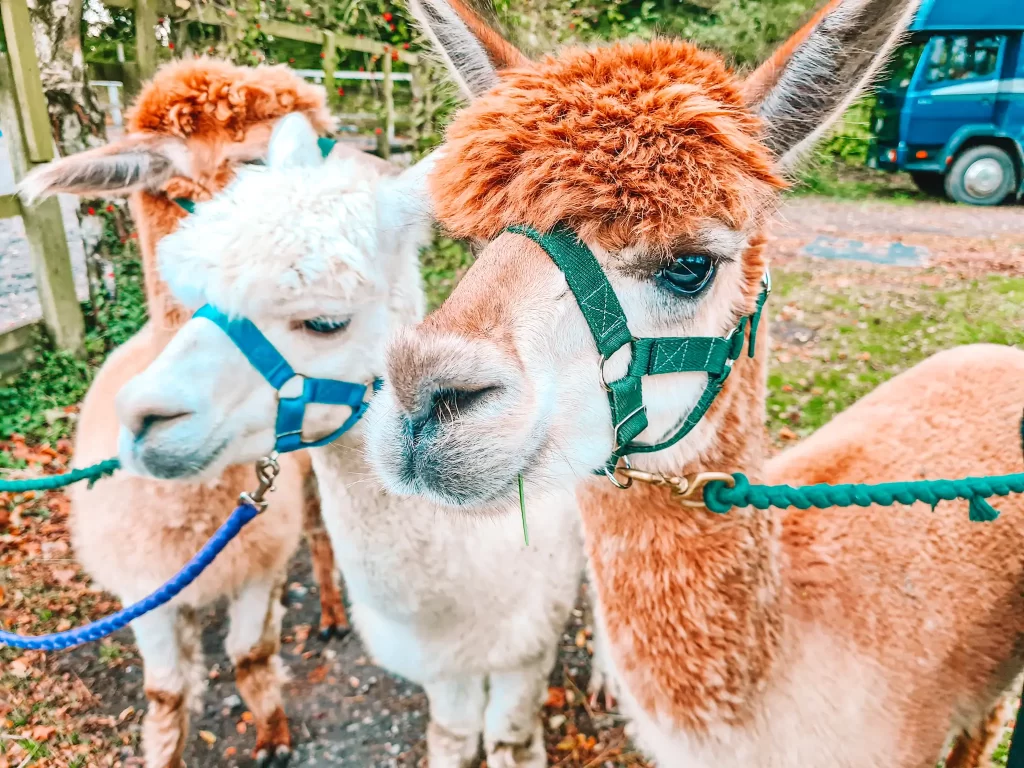
There are various different walks available, including some suitable for little ones and some with craft activities. The alpacas are friendly (if not always well behaved!) and the family who run the farm extremely knowledgeable about their care. This is a unique way to spend a couple of hours and one of the best things to do in Wiltshire for families.
Recap: Where to stay in Wiltshire?
If you want easy access to Stonehenge, the best place to stay is in Salisbury. The map below highlights some of the best options in central Salisbury.
- My Stonehenge, Salisbury and Bluestone Vineyard recommendation: I personally recommend the Chapter House, which is a historic building right in the centre of Salisbury. It has a 8.8 rating from over 1.5k reviews.
- My Longleat recommendation: The Angel Inn is in a small nearby village only a few minutes drive from Longleat and has a fab restaurant. The hotel has a rating of 9 from over 700 reviews,
- My Avebury recommendation: B&B Dorwyn Manor is only a few minutes from the ancient stone circle and has with a 9.2 score from over 800 reviews.
- My Marlborough recommendation: The Marlborough has an 8.6 rating from over 800 reviews, and is right on the High Street – perfect for exploring this charming town
- My Bradford on Avon recommendation: Timbrell’s Yard is a riverside spot with a fantastic restaurant on site. It has a score of 8.8 from over 400 reviews.
- My spa and Imberbus recommendation: The gorgeous Bishopstrow Hotel is only a few minutes from central Warminster where the Imberuses depart, but is far enough out of town for a serene spa experience.
FAQs
How to get to Wiltshire
It’s easy to get to Wiltshire, via car or train. Trains run into stations including Westbury from London Paddington, Bath and Bristol. Trains also run into Salisbury from London Waterloo and the south coast, as well as Bristol.
The nearest airport is Bristol. To get from Bristol Airport to Wiltshire, you’ll need to take the airport bus into Bristol City Centre (about 1 hour) and then get a train to your onward destination. There are also plenty of hire car companies at Bristol Airport.
However, to get to many of the destinations below, you’ll either need a car or to take the local bus – I’ve included details in each section above.
What to pack for a trip to Wiltshire?
England’s weather is notoriously unpredictable, and Wiltshire is no exception. Prepare for all eventualities with this handy gear list:
✔ This durable Travel Umbrella has over 92k reviews and a 4.3 rating – perfect if you get caught in the rain on Salisbury Plain and Stonehenge.
Sadly, a packable rain jacket is a staple of life in the UK, and especially great if you don’t want to faff around with an umbrella. This highly rated version has over 3.5k reviews and a variety of colours and sizes.
✔ It’s not often incredibly hot in Wiltshire, but when it is, the heat is obnoxious. Most hotels don’t have aircon, so if you think you might be in Wiltshire during a heatwave, consider taking a small fan to put by your bed to make sleeping that bit more bearable.
✔ If you’re coming from outside the UK, you’ll need a plug adaptor. This is the one I took travelling with me for a year, and it’s perfect – it has multiple USB ports including a fast charge port. Perfect for charging multiple devices at the end of a long day.
✔ If you’re going to Stonehenge, you’re going to want all the pictures. Combine that with Wiltshire’s natural beauty, and you’ll soon be running low on charge. I have two power banks that I strongly recommend. This small one is great for my handbag, as it’s lightweight, but it charges fairly slowly and you only get one charge – it’s my everyday go-to option. If you’re willing to carry a bit more weight, or need one that will charge multiple phones, I also swear by this bigger charger, which charges faster and lasts longer.
✔ If you’re looking to get truly off the beaten track, I can’t recommend the Wild Guide South West highly enough. I have several of these books for different regions in England and they’ve taken me to ruins in the middle of fields, abandoned churches and even the odd historic pub. They’re especially perfect if you’re road tripping and you want to stop off to wander through a muddy field to find some medieval ruins or a fancy a quick dip in a wild swimming spot. Just be careful – you might end up floundering around in a huge patch of mud, terrified you can’t get free… (based on a true story).
Wiltshire is a county that rewards those who take the time to explore beyond the obvious. Whether you’re drawn to its ancient wonders, its quaint villages, or its rolling countryside, this Local’s Guide to Wiltshire ensures you experience the county with an insider’s perspective. So, ditch the typical tourist itinerary and embrace Wiltshire’s local charm—because the best travel experiences are the ones that make you feel at home, even in a place you’ve never been before.
Em is a travel writer and history lover who specialises in uncovering off-the-beaten-path destinations and local secrets. She shares honest, experience-rich guides to help curious travellers go beyond the obvious—especially in her home patch of the English countryside.


[…] longer in the South West of England? Check out my guide to the most amazing things to do in Wiltshire, the county next to […]
Great read! Pinned this too so I can come back to it when we’re next out in our campervan this way as there’s some great tips in here. Love a good old fashioned tea room for a start!
Ooh yes this would be a great area to explore by campervan!
Salisbury is so pretty and great to visit the Stonehedge. This area is full of discovery, amazing to go even on safari…
Yes, there’s so much more going on in Wiltshire than people think!
Avebury has been on our list to visit–saving this for our next trip to the UK.
I loved Avebury. It’s completely different to Stonehenge, with the town right in the centre of the circle. Definitely worth saving for your next visit!
Really nice article, I wish I had enough time to visit all these places! The Bridge Tea rooms look like they came out of a story, haha!