
 Em
EmJust so you know: This post contains affiliate links. As an Amazon Associate, I earn from qualifying purchases. I may also earn a small commission if you book a tour, hotel, or buy something else through these links. It helps me keep this blog running and full of travel tips. Thanks for your support!
Singapore is often treated as a convenient stopover rather than a destination in its own right — especially by travellers moving quickly through Southeast Asia. It’s clean, efficient, and undeniably expensive, which means many people limit their time here to a single day, or skip it altogether.
That’s exactly how I approached my first visit. Singapore was my entry point into Asia, and with a long trip ahead, I made a deliberate decision to spend just one day exploring the city. What surprised me wasn’t how much I missed, but how much I managed to see without rushing, and how distinct each part of the city felt.
All photos featured on this blog are from my personal travel experiences.
If you’re short on time, Singapore works remarkably well for a one-day visit. The city is compact, exceptionally well connected, and easy to navigate, making it possible to experience its multicultural neighbourhoods, iconic landmarks, and food scene without rushing from place to place.
This 1 day in Singapore itinerary is designed for travellers who want context, contrast, and a sense of the city — not an exhausting checklist. Whether you’re here on a layover, squeezing Singapore in between other destinations, or travelling with a close eye on costs, this guide will help you prioritise what’s genuinely worth your time.
Is it worth visiting Singapore for only 1 day?
Yes — and Singapore is one of the easiest cities in Southeast Asia to do well in a single day.
While the city has a reputation for being expensive, it’s also compact, exceptionally organised, and designed for efficiency. That combination makes it surprisingly well suited to short visits, layovers, or stopovers between other destinations in the region.
With just one day, you can explore multiple neighbourhoods, visit key landmarks, and get a genuine sense of Singapore’s multicultural identity — without spending hours in transit or navigating chaotic transport systems.
Singapore also works particularly well if you’re travelling long-term and watching costs. You don’t need to stay long to justify a visit, and it’s possible to experience the city’s culture, food, and architecture without committing to an expensive multi-day stay.
If you’re passing through Changi Airport, it’s also worth noting that Singapore actively caters to short visits. The airport’s free 2.5-hour city tour makes it possible to see the city even on a longer layover — a rarity in Southeast Asia.
If you only have one day, Singapore won’t feel rushed or incomplete. Instead, it tends to leave people with a clear impression of the city — and a strong reason to return.
Understanding Singapore’s history
You’ll get far more out of your one day in Singapore if you understand a little of the city’s history before you start exploring. One of the things that makes Singapore so distinctive is the way its ultra-modern skyline sits alongside deeply rooted cultural neighbourhoods.
Although there’s evidence of a trading settlement on the island as early as the 14th century, modern Singapore’s story began in 1819, when Sir Stamford Raffles established it as a British trading post. Thanks to its strategic position on key shipping routes, Singapore grew rapidly and became part of the Straits Settlements alongside Malacca and Penang.
During World War II, Singapore was occupied by Japan — a traumatic period that left a lasting mark on the city’s collective memory. After the war, Singapore returned to British control, before briefly becoming part of Malaysia in the early 1960s. In 1965, Singapore separated from Malaysia and became an independent republic, beginning its rapid transformation into the global city-state it is today.
One of Singapore’s defining features is its multicultural makeup, which is carefully reflected in the city’s layout. Malays, Chinese, and Indian communities historically settled in distinct areas — Kampong Glam, Chinatown, and Little India — all of which still retain strong cultural identities. Visiting these neighbourhoods isn’t just sightseeing; it’s key to understanding how Singapore functions as a society. That’s why this itinerary moves deliberately between Chinatown, Kampong Glam, and Little India — each neighbourhood reflects a different strand of Singapore’s identity.
If, like me, you enjoy learning about history through storytelling, Singapore also has a rich literary tradition. I’ve shared some excellent recommendations in my guide to books set in Singapore (and other parts of Southeast Asia)
Your ultimate 1 day itinerary for Singapore
Map of key sights for this 1-day Singapore itinerary.
All stops are clustered and easy to reach by MRT or Grab, making this route realistic even on a short stay or layover.
⏱️ Got Less Time? How to See Singapore in Half a Day
If you’re visiting Singapore on a layover or very short stop, you’ll need to be selective. The city is compact and efficient, but trying to see everything will quickly turn your day into a blur.
If you only have half a day, I’d prioritise the following:
1. Chinatown (1.5–2 hours)
Start your day here if you can. You’ll get the biggest cultural payoff in the shortest time, with multiple temples within easy walking distance. Grab breakfast nearby — kaya toast is the classic choice — and explore before the crowds build.
2. Kampong Glam or Little India (1–1.5 hours) Choose one, not both.
- Pick Kampong Glam if you’re interested in Singapore’s Muslim heritage, street art, and photogenic streets like Haji Lane (this is my recommendation!).
- Pick Little India if you want colour, temples, markets, and a more chaotic energy.
Trying to squeeze in both usually means rushing through each without really absorbing them.
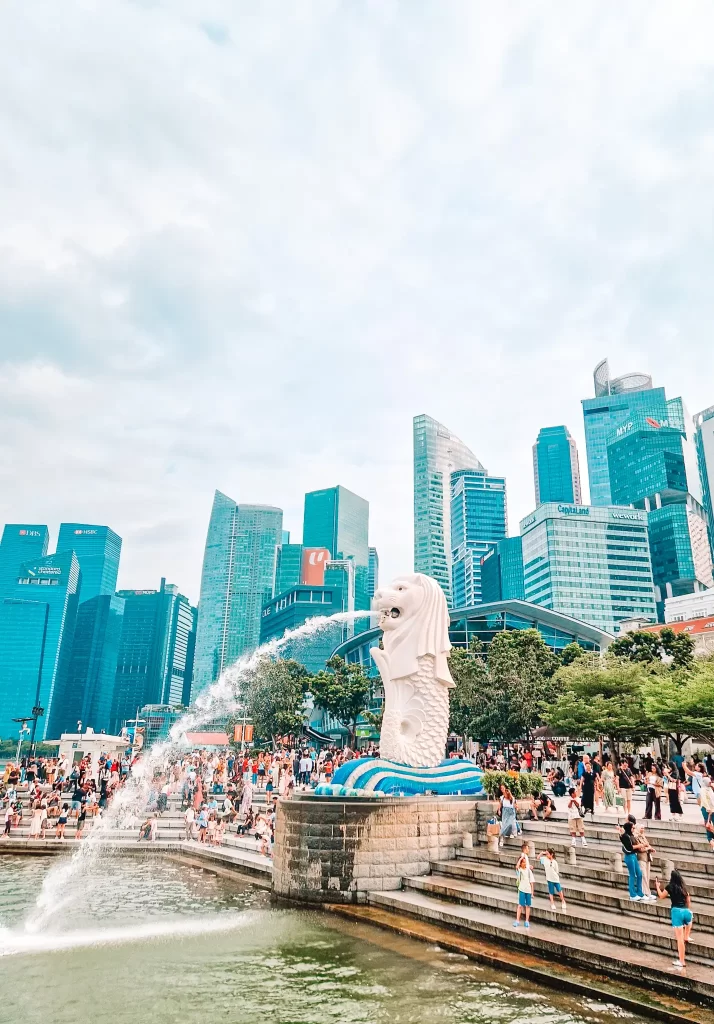
3. Marina Bay & the Merlion (30–45 minutes)
This is where Singapore’s modern image really clicks. Walk along the waterfront, see the Merlion, and take in views of Marina Bay Sands. It’s busy, but it’s iconic — and it doesn’t need much time.
4. Gardens by the Bay & Supertrees (evening)
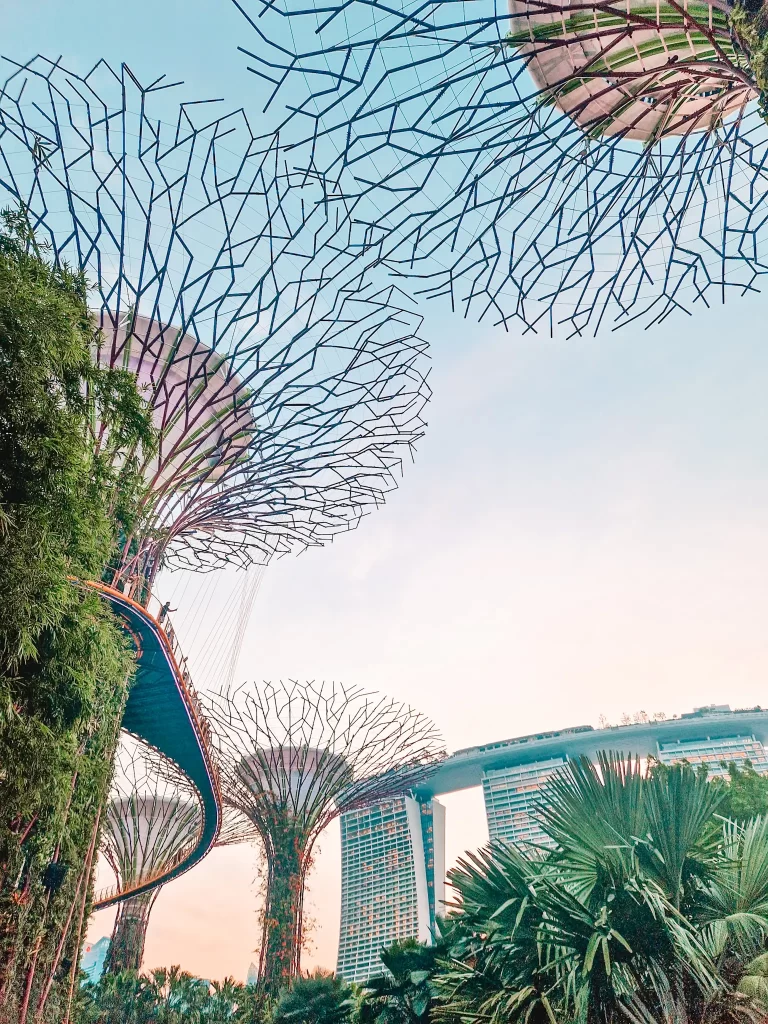
If your short visit stretches into the evening, head straight to Gardens by the Bay. Even if you skip the paid domes, the Supertree Grove and the free evening light show are well worth it and make a memorable final stop.
What to skip if time is tight:
- Visiting all three cultural neighbourhoods
- Long café stops or shopping detours
- Backtracking across the city — Singapore rewards a simple, linear route
With a focused plan, half a day in Singapore is enough to get a genuine feel for the city — and to decide whether it deserves a longer visit next time.
Organising your day
This itinerary starts in Chinatown, simply because that’s where I stayed — but it’s easy to adapt if you’re based elsewhere. Singapore’s MRT network is efficient and intuitive, so reordering stops won’t cost you much time.
The one thing I would keep fixed is the order of the day. Plan to visit Gardens by the Bay last, so you arrive in time for the Supertree light show in the evening. It’s the natural high point of the day and a far more relaxed way to finish after hours of walking and sightseeing.
With a sensible route and realistic pacing, one day in Singapore is enough to experience its cultural neighbourhoods, iconic landmarks, and futuristic architecture — without rushing from place to place.
Want to minimise walking?
If you’d prefer to make the day easier on your feet, a 24-hour hop-on-hop-off bus ticket covers this entire itinerary! Book here 4.9/2.9k+
Stop 1: China Town
Practicalities
- Sri Marianmman Temple – free
- Buddha Tooth Relic Temple – free
- Thian Hock Keng Temple – free
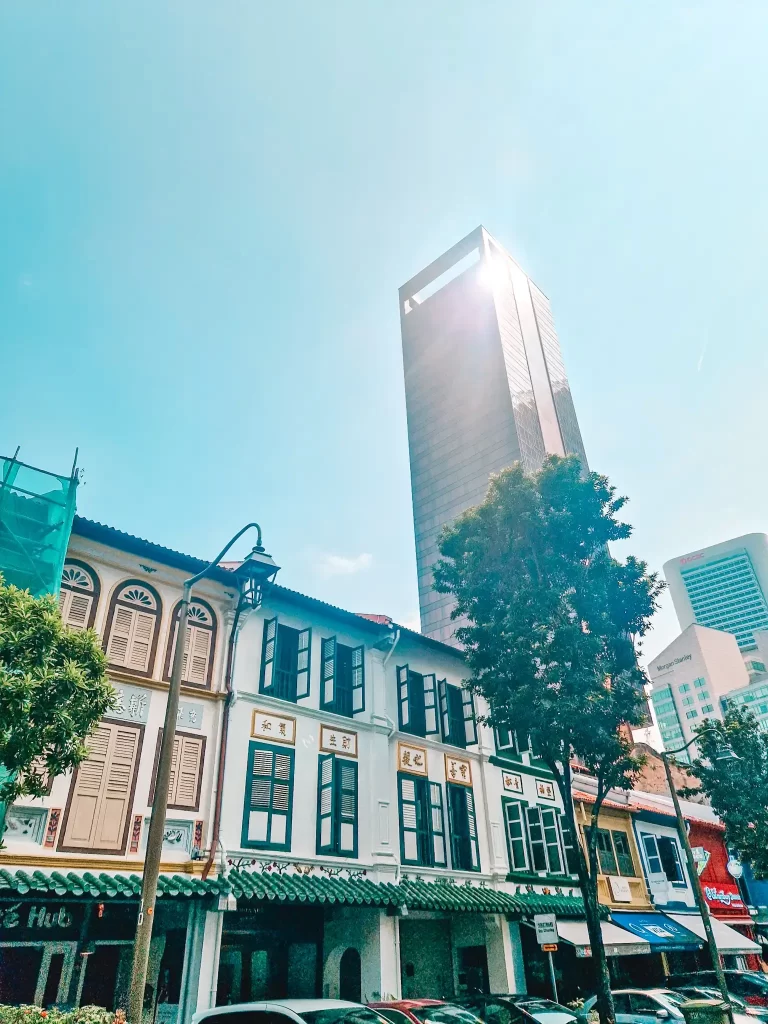
China Town is now a bustling, modern part of Singapore, including a useful mall which you can enter directly from the metro station (lots of local and international fast food options, if you need to eat in a rush). But you can also find hints of the area’s past among the backstreets, and it’s a great area to wander around.
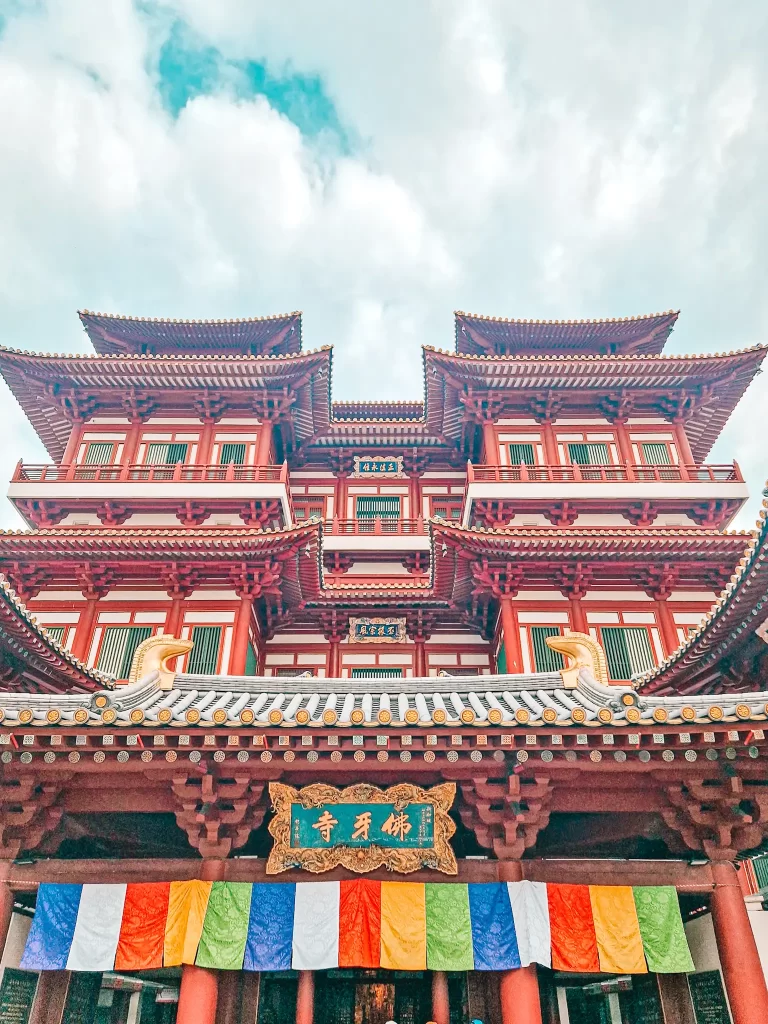
Between 1840 and 1900, 2.5 million people migrated from southern China to Singapore. Even earlier, Sir Stamford Raffles recognized the importance of the Chinese community and designated a large area for them. The biggest area they settled, modern day China Town, became known as Kreta Ayer, meaning water cart, which referred to the bullock carts that were once common in this area.
If this is where you’re starting your day, have breakfast at Ya Kun Kaya Toast. Kaya Toast is the signature breakfast of Singapore, and Ya Kun is a famous chain that has offered the breakfast since the 1920s. The branch in China Town dates back to 1944 and is their oldest outlet.
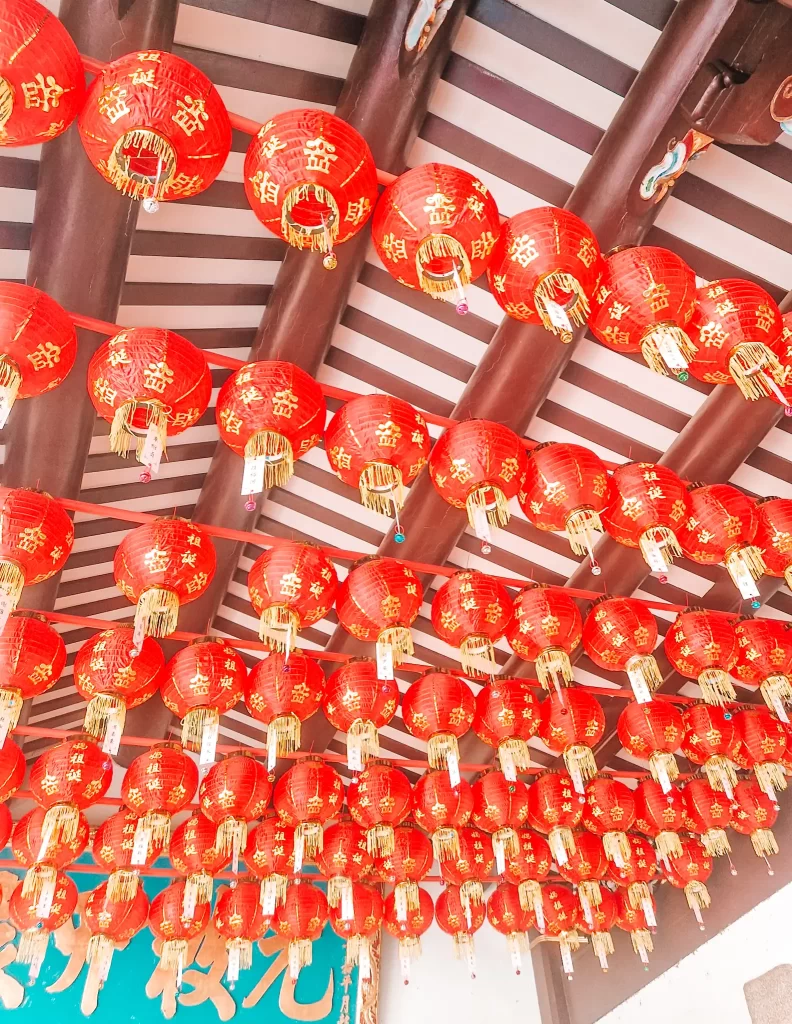
Highlights include:
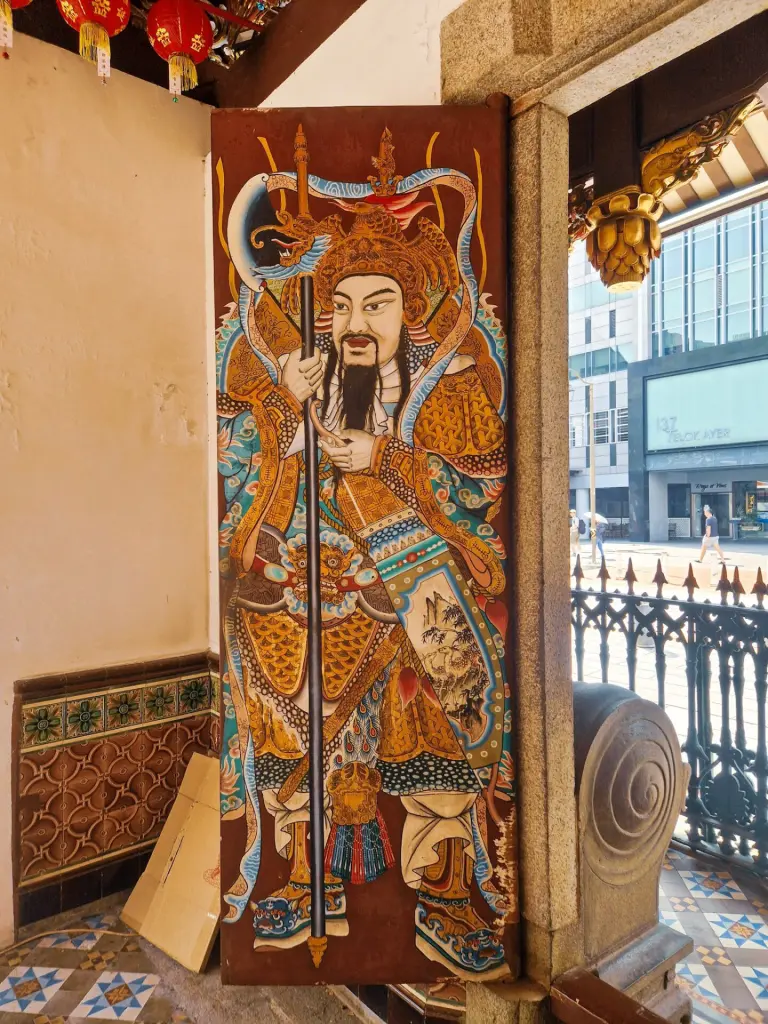
- Thian Hock Keng Temple – Dating from the 1840s, this is one of the oldest Hokkien temples in Singapore. Built entirely without nails, this amazing temple has a huge amount of glorious artwork and decoration throughout.
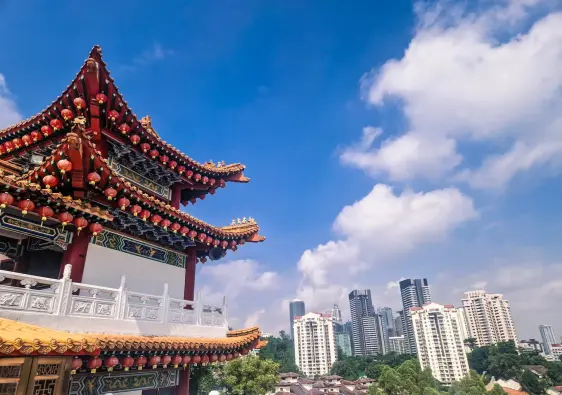
- Sri Marianmman Temple – This beautiful Hindu temple is the oldest in Singapore, dating from 1827. Despite being in China Town, this temple serves the Hindu population of Singapore. Make sure to check out the stunning entrance.
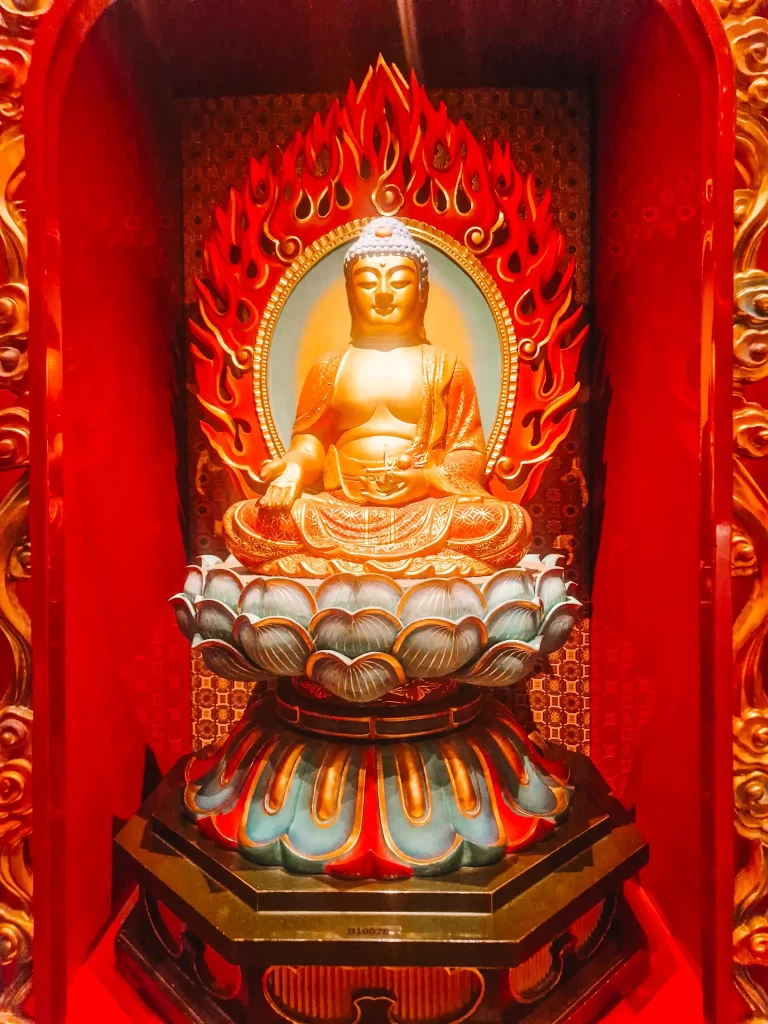
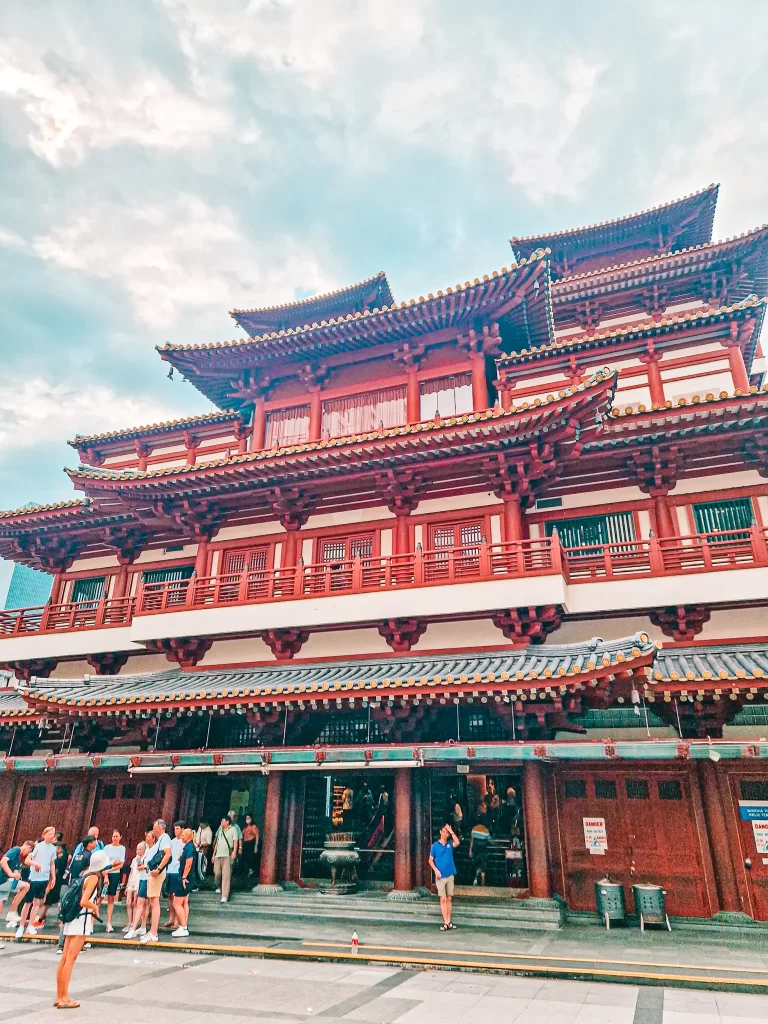
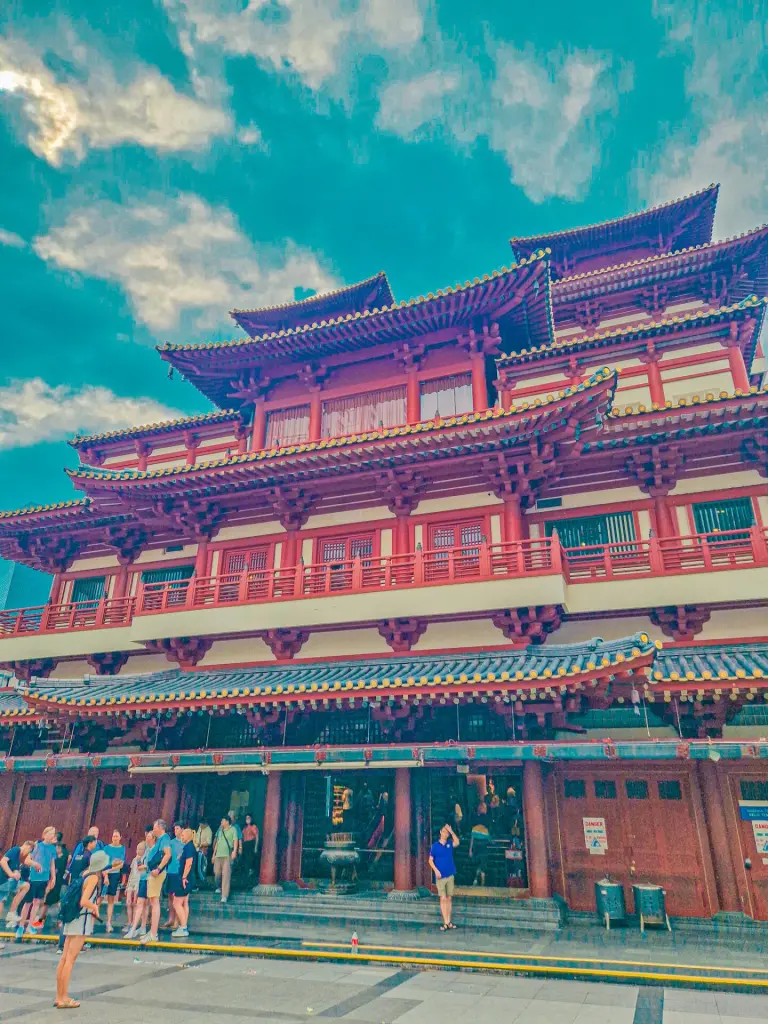
- Buddha Tooth Relic Temple. This is one of the most famous buildings in China Town, built to hold the sacred Buddha Tooth Relic. Visitors can enter and admire the architecture and amazing decoration inside.
Stop 2: Haji Lane and Kampong Glam
Practicalities:
- Sultan Mosque – free
- MRT from China Town or Telok Ayer to Bugis – $1.30 SGD
- Take an aircon break at the end of your visit by visiting What the Pug or having lunch
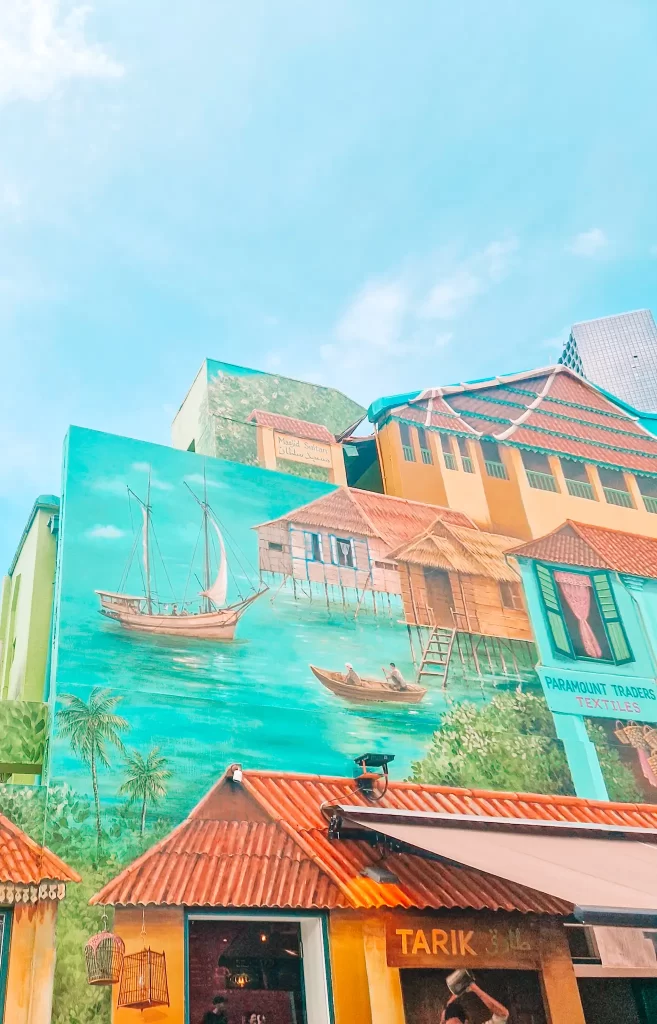
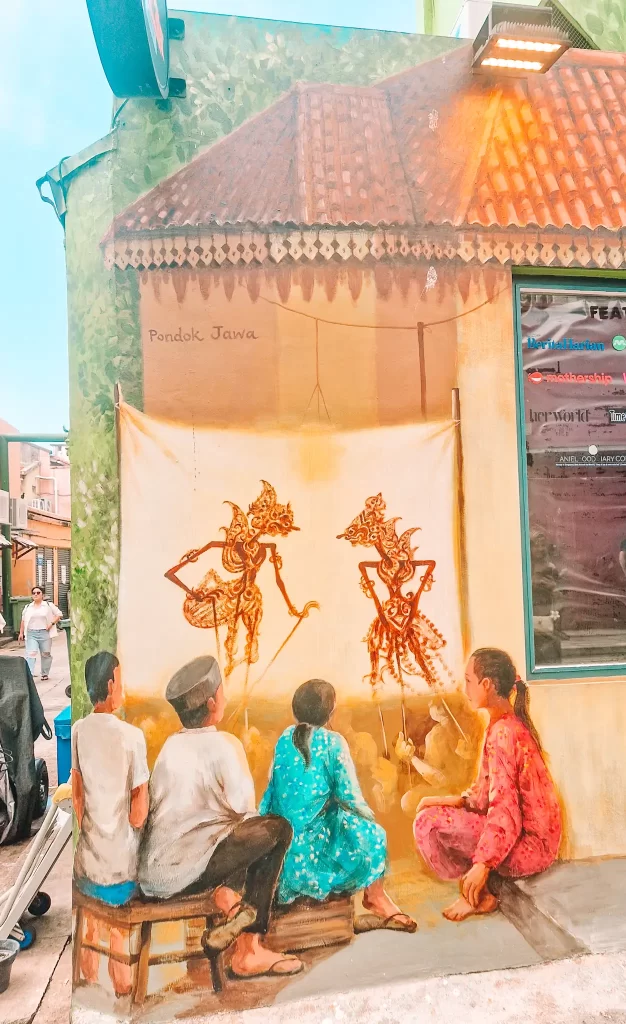
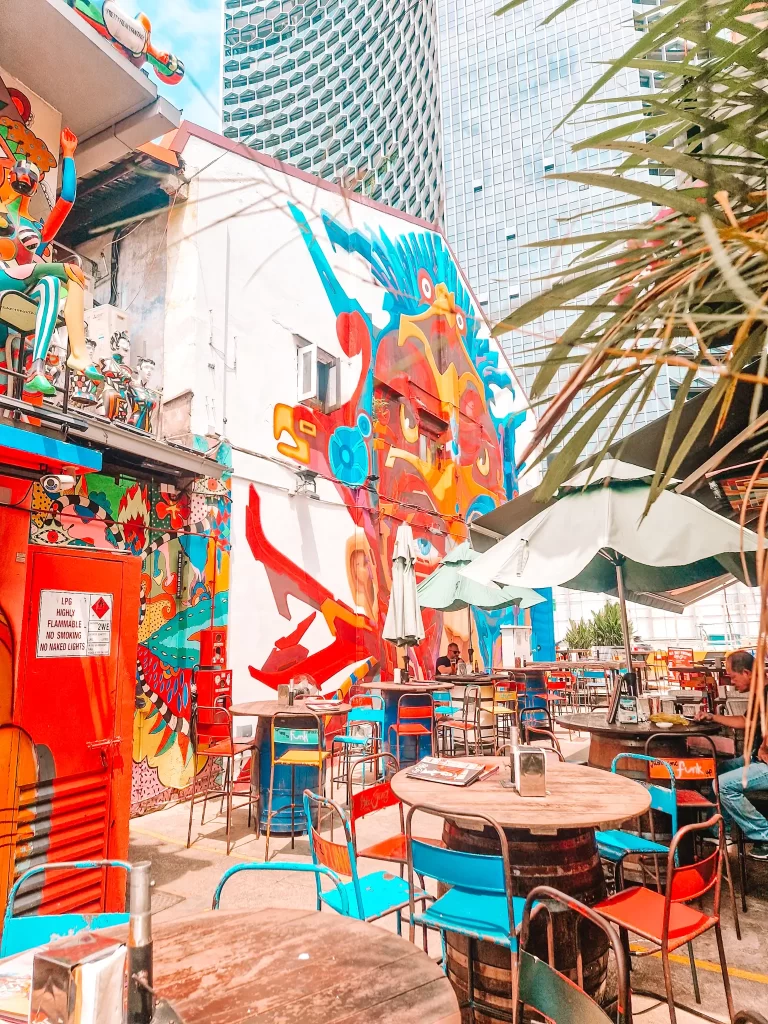
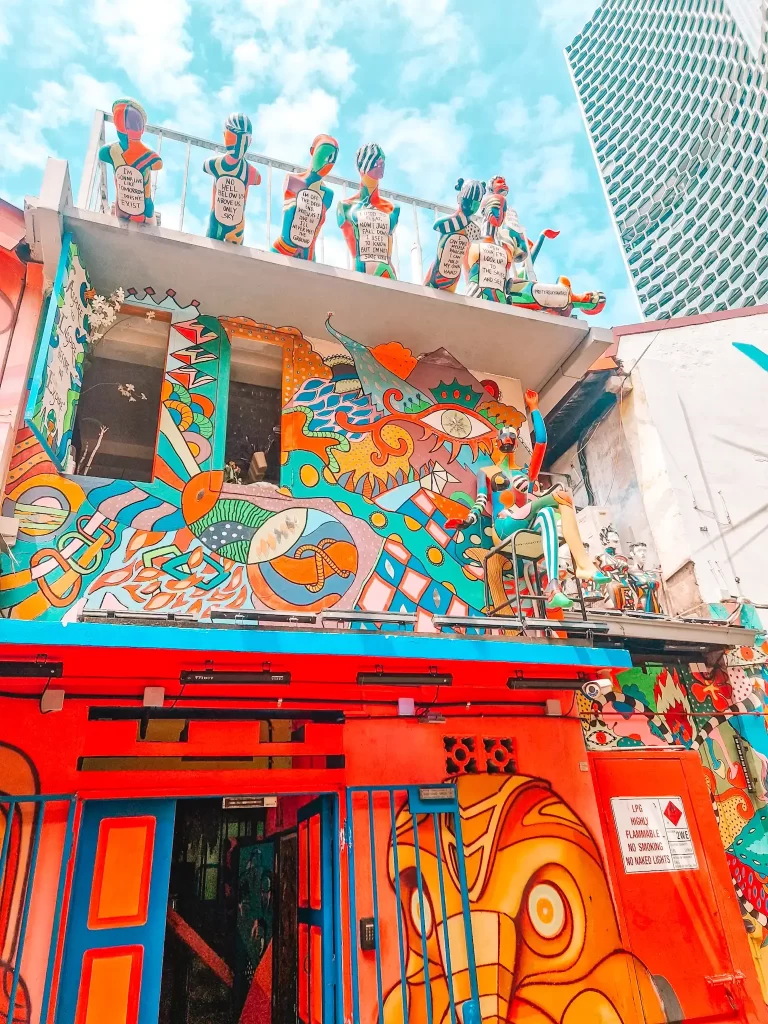
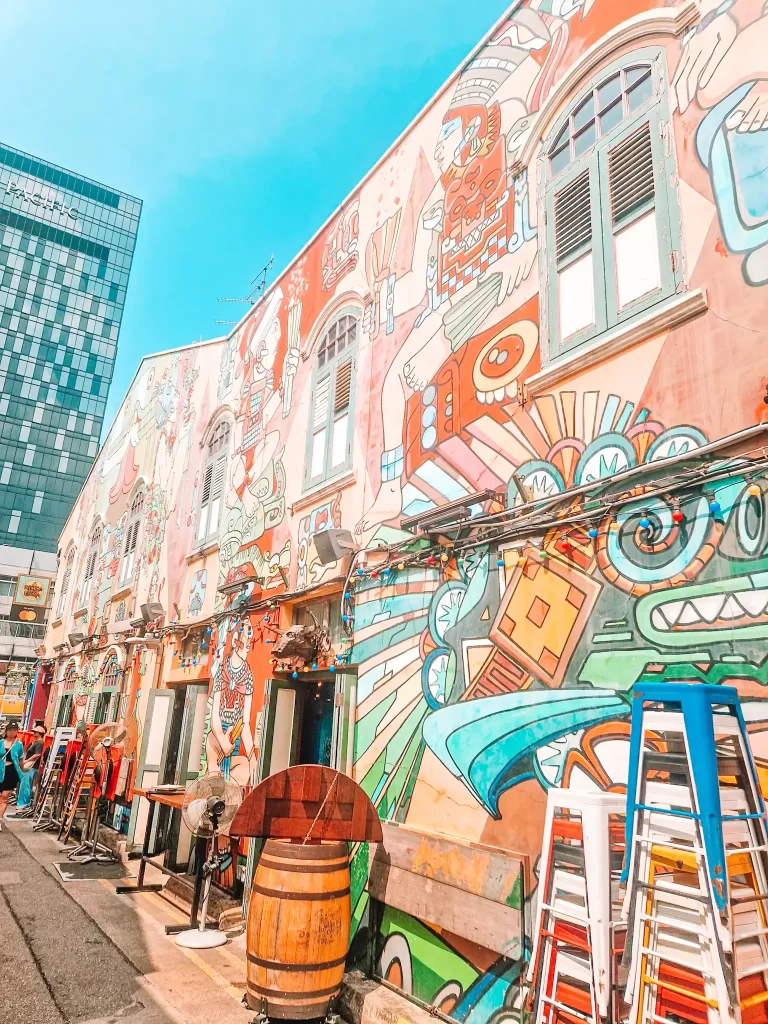
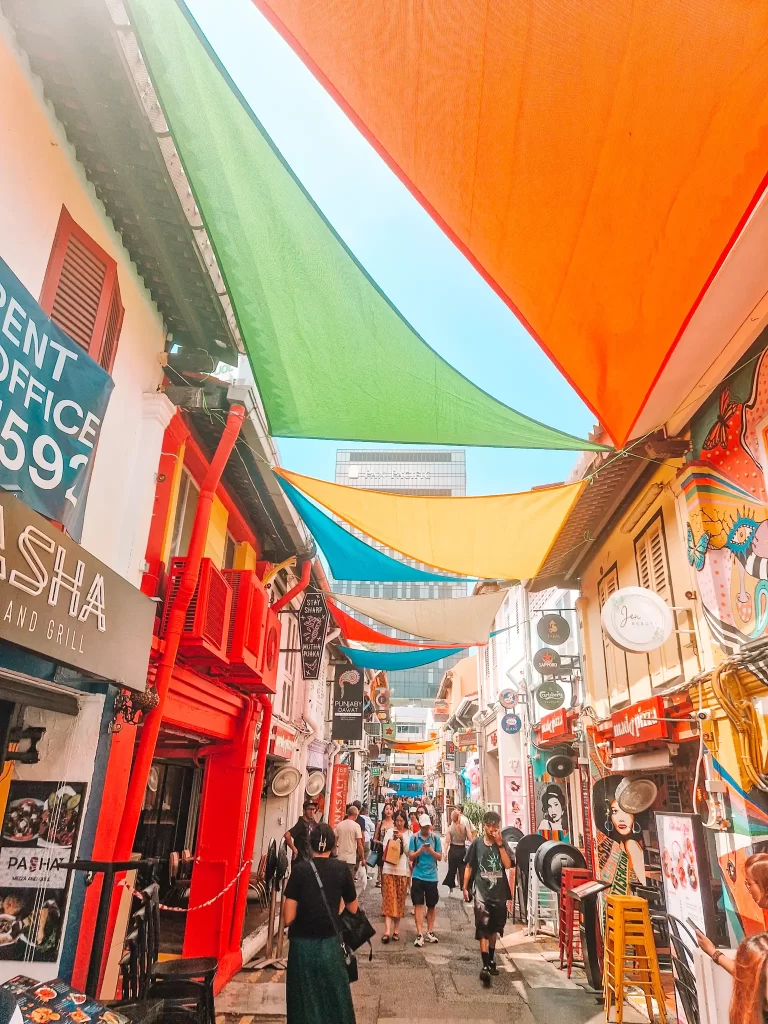
Once you’ve wandered around China Town, it’s time to explore Singapore’s Muslim history. This also happens to be one of the most Instagrammable spots in this most Instagrammable of cities.
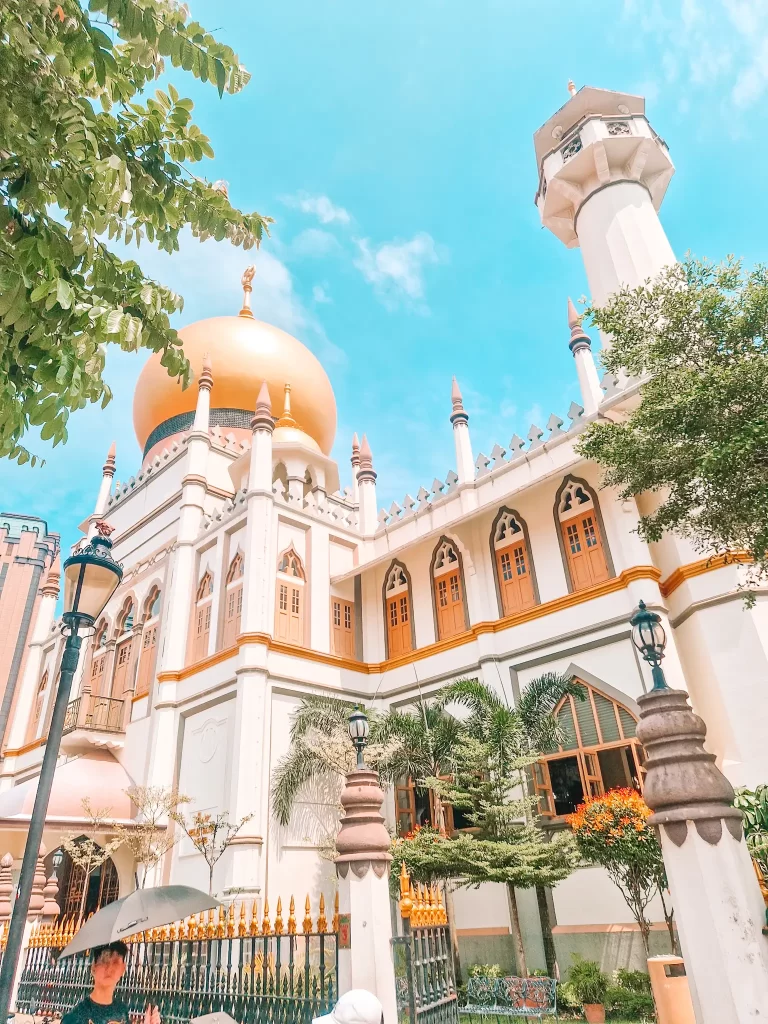
Kampong Glam (also spelt Gelam) was once the seat of Malay royalty. The busiest and most famous street is Haji Lane, which was named after the Muslim Hajj, the pilgrimage to Mecca. It was originally a residential street that also provided pilgrimage services but is now filled with tourist-friendly shops and cafés.
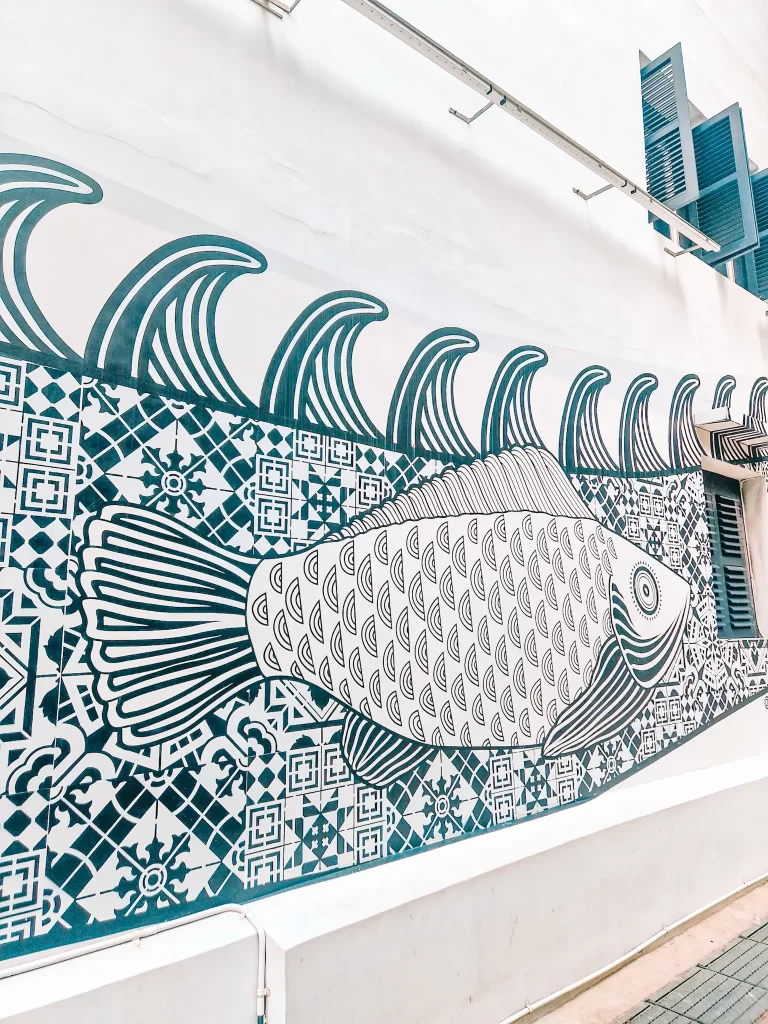
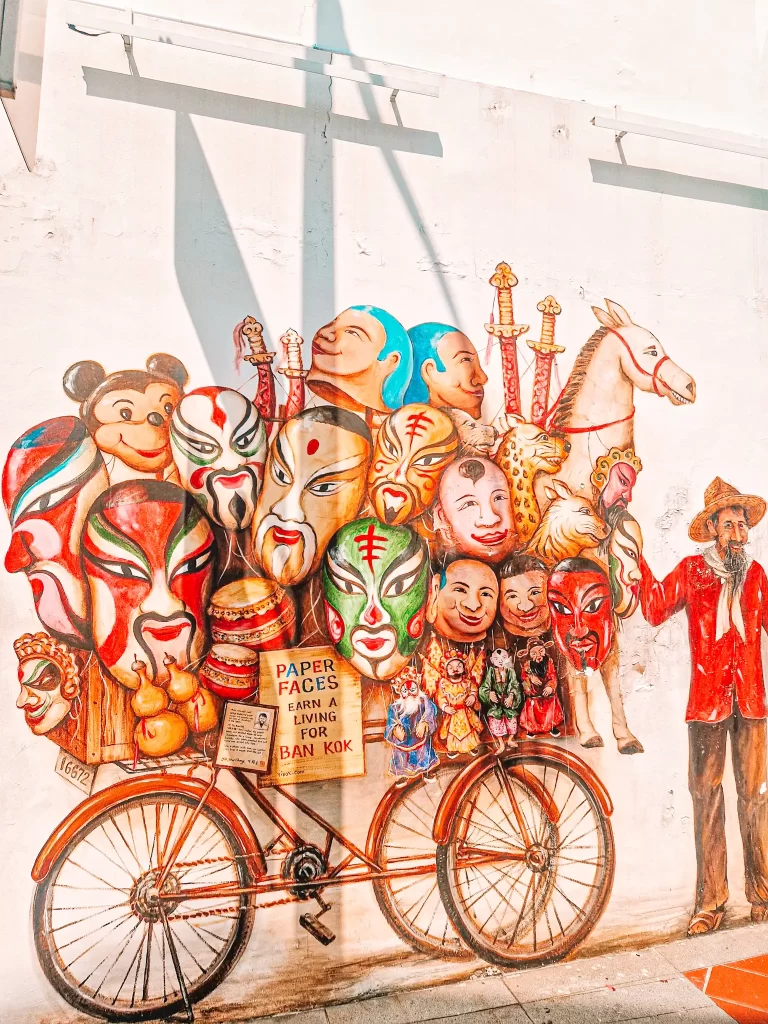
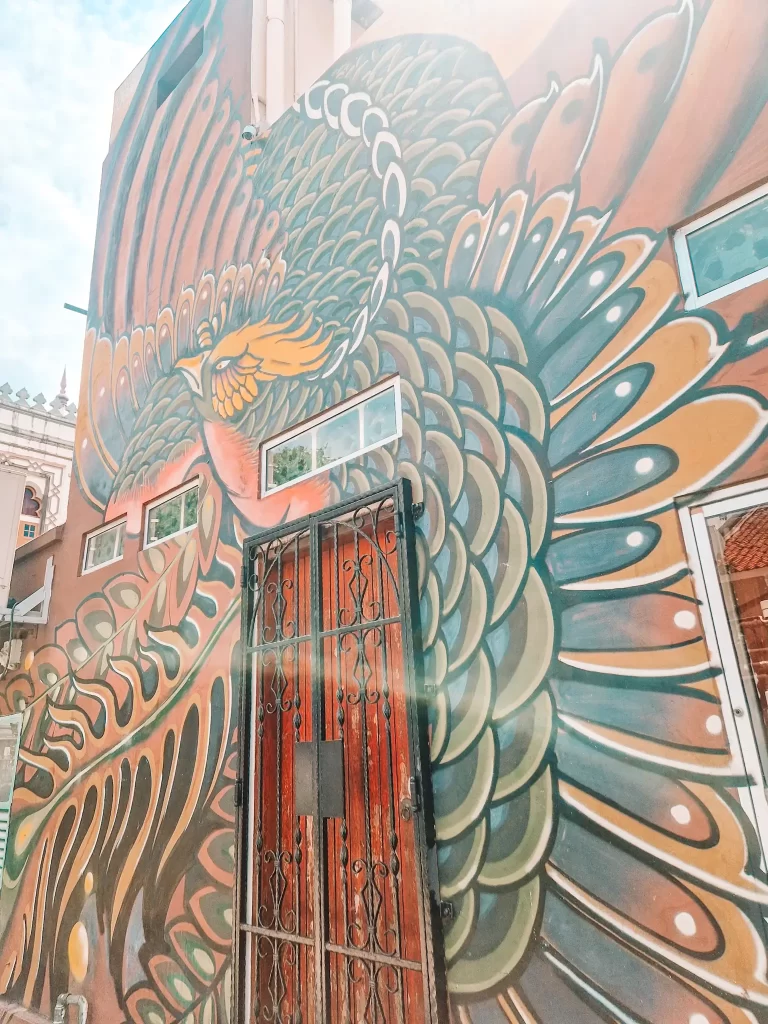
Take your time wandering around this colourful area, which, like George Town and Ipoh in Malaysia, is full of fascinating street art. Then make your way down to Sultan Mosque for a visit before having lunch at one of Kampong Glam’s many restaurants.
Optional Detour: What the Pug Cafe
Cost: $20 SGD weekdays / $25 SGD weekends, including picture and bottled drink.
Singapore is full of surprises – including a cosy pug cafe in Kampong Glam. While animal cafés are common in Southeast Asia, Singapore’s strict regulations make them rare -which is why What the Pug is a unique find! It’s a great way to have a break from walking around the city while cuddling cute dogs!

What the Pug runs sessions every couple of hours during the day. The owner of the cafe is their dad and spent time talking to us about the rules Singapore puts in place to ensure their welfare.
Stop 3: Little India
Practicalities:
- Entrance to Sri Veeramakaliamman Temple – free
- MRT Bugis to Little India – $1.20 SGD
While Little India was originally a British colonial enclave, due to its proximity to a race course, it later became a centre of buffalo trading because of its riverside location. As buffalo trading was primarily an Indian trade, many Indian families began to settle in the area.
Visit the Sri Veeramakaliamman Temple on Serangoon Road, which was built in 1855, making it one of the oldest temples in Singapore. The stunning architecture is unmissable, providing an excellent orientation point in Little India.
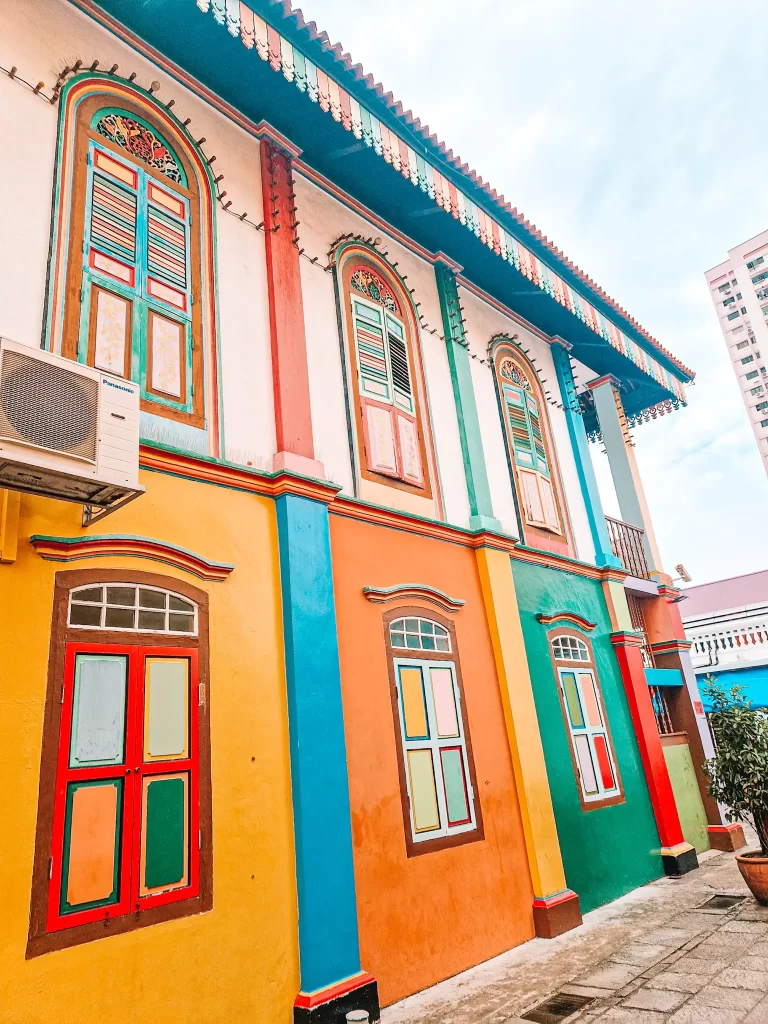
Near the temple is the house of Tan Teng Niah, which was built in 1900 and is the last surviving Chinese villa in the area. Tan Teng Niah was a Chinese sweetmaker who worked alongside the Indian businesses on the Serangoon Road. While you can’t enter this building, the colourful architecture makes it a great Instagram photo spot.
If you didn’t eat at Kampong Glam, Little India is also a great spot to find lunch. Head to one of the many restaurants in the area, or wander into the bustling Tekka Centre to find the food court. This enormous hawker centre provides food from different cuisines, some of which are recognised by the Michelin Guide.
Stop 4: Merlion statue – the emblem of Singapore
Practicalities:
- Merlion Statue – free
- Use Grab to get to the Merlion, as the MRT station isn’t nearby
- This is a good point to take a break from the humidity
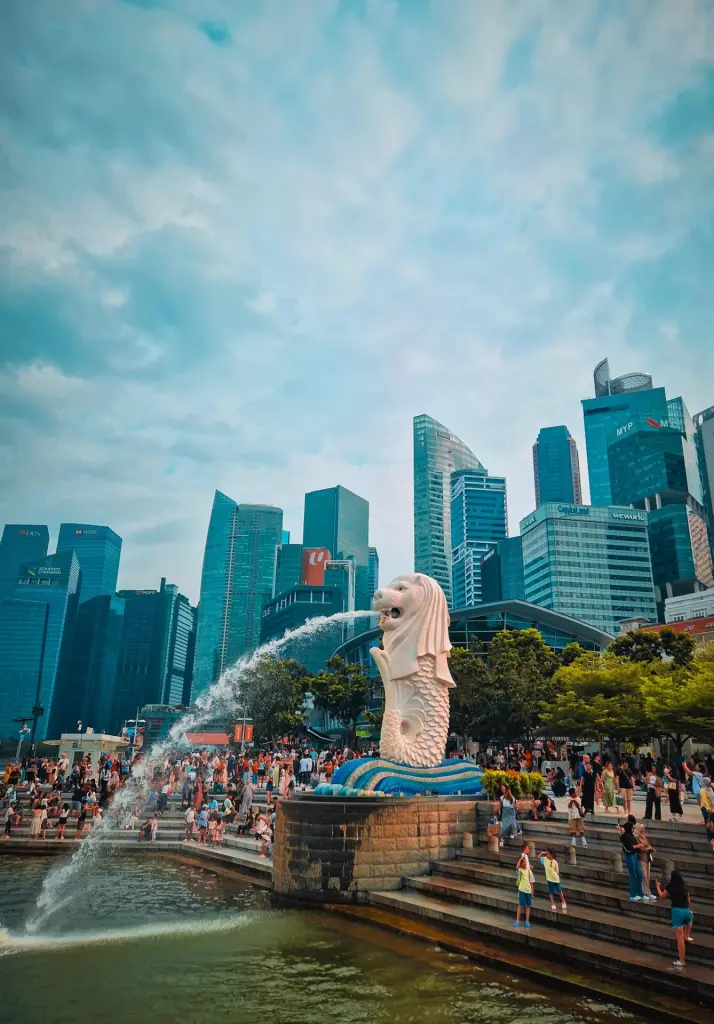
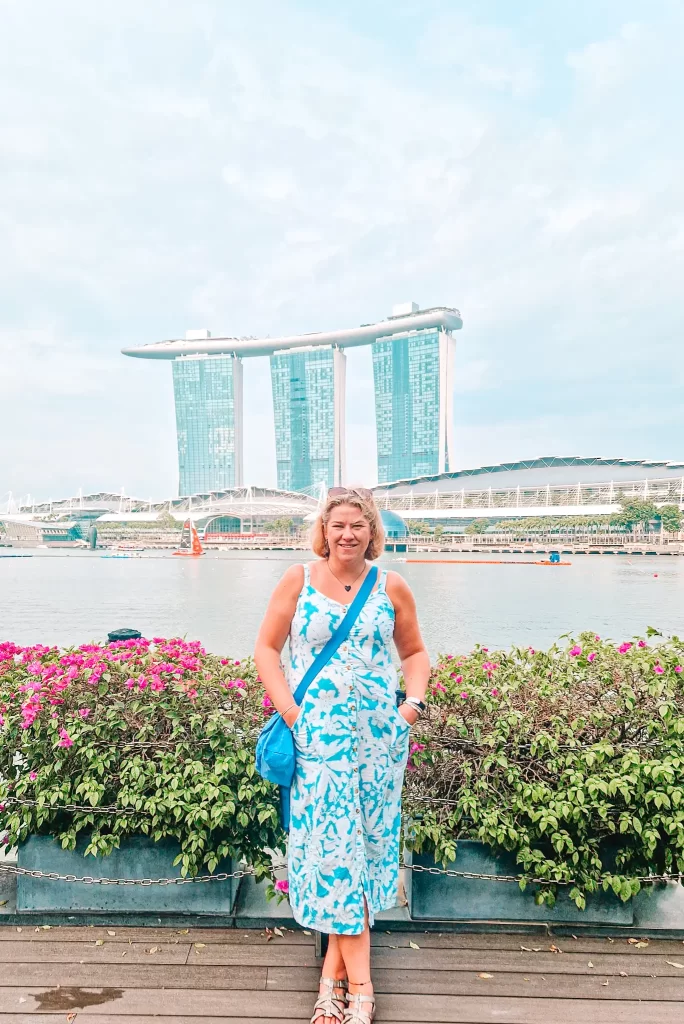
No trip to Singapore is complete without seeing the famous Singapore Merlion. The Merlion is the symbol of Singapore, and was created in 1964 for the Singapore Tourist Board. The fish body represents Singapore’s history as a fishing village, while the lion head relates to the fact that the original name, Singapura, means ‘Lion City’ in Sanskrit. Navigate through the crowds to find the perfect angle for a photo of this Singapore icon. From the waterfront, you can also get pictures of the famous Marina Bay Sands Hotel, an absolute must-see on your Singapore itinerary.
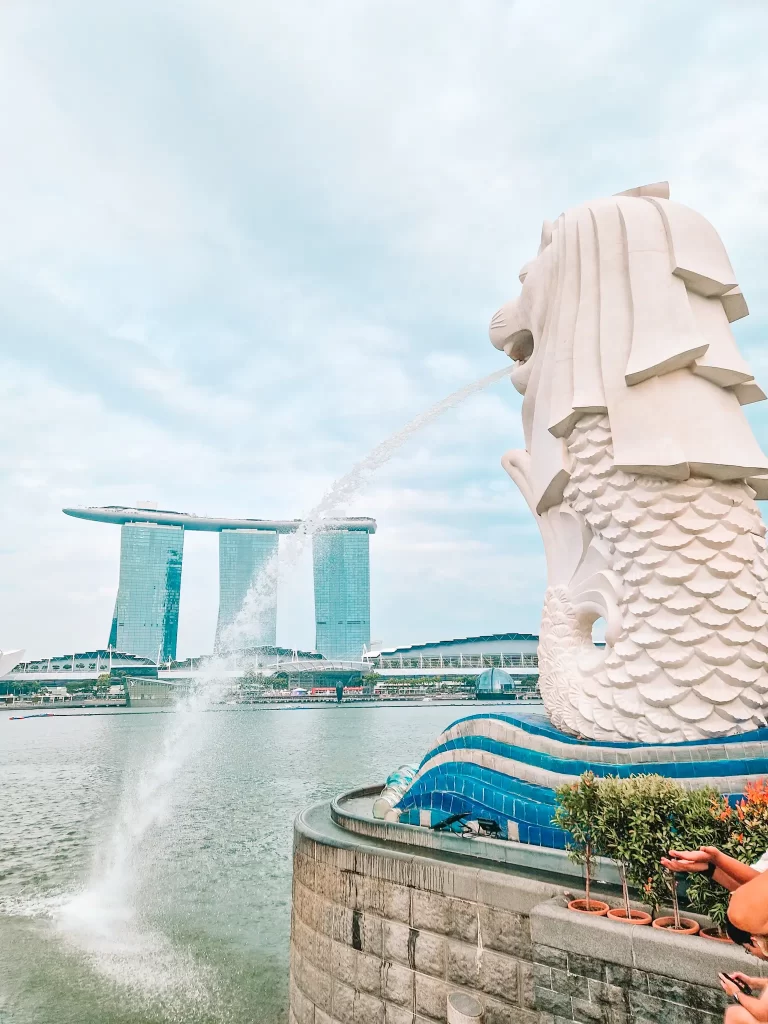
There are a number of big hotels and restaurants in this area that would make a great break, with beautiful views of the bay. One of the most famous and historic is the Fullerton Hotel, a fabulous art deco hotel on the harbour. Built in 1928, this used to be Singapore’s General Post Office before being converted into a hotel.
Stop 6: Gardens by the Bay, a Singapore icon
Cost:
- Cloud Forest – $32 SGD
- Supertrees – Free
- Shuttle service from entry – $3 SGD
Why Gardens by the Bay is worth prioritising
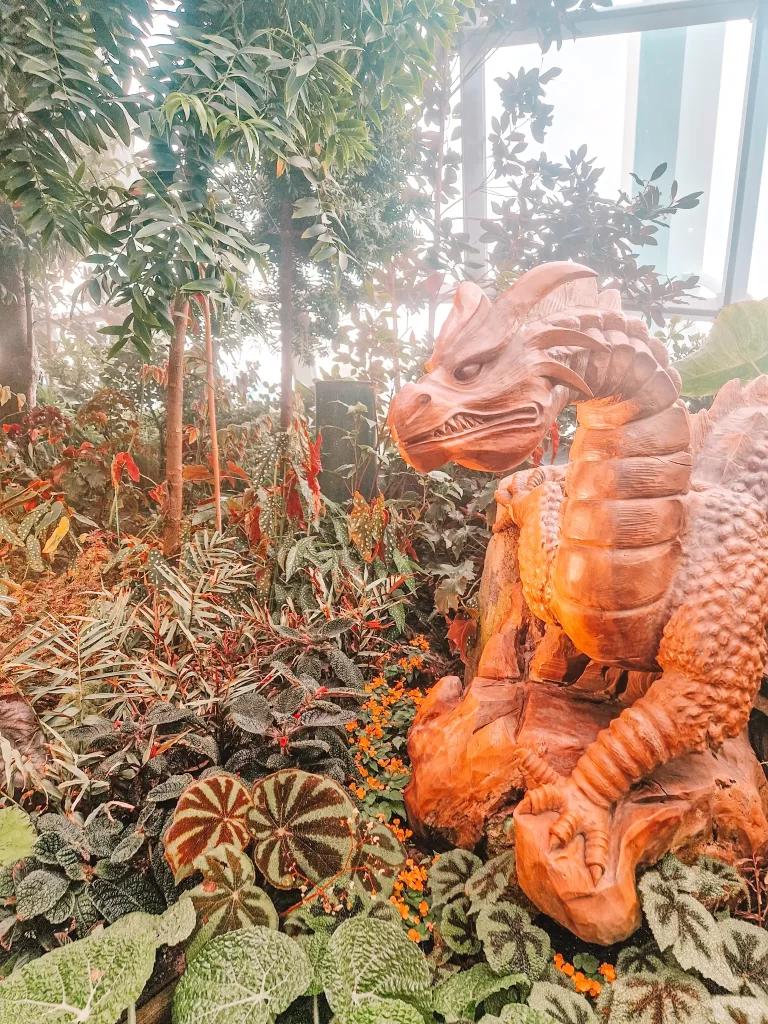
Gardens by the Bay is one of Singapore’s most recognisable landmarks — a futuristic nature park set right on the waterfront. You could easily spend most of a day here, but if you’re short on time, it’s still possible to have a memorable visit by being selective.
For a one-day itinerary, I recommend focusing on one paid attraction and pairing it with the free Supertrees.
Visiting the Cloud Forest
The Cloud Forest is the most impactful choice if you’re only visiting one dome. Inside, you’ll find a towering indoor waterfall and a cool, misty environment that offers welcome relief from Singapore’s heat.

Start at the lower level, then take the lift to the top and slowly work your way down. Along the way, you’ll pass viewing platforms, suspended walkways, and exhibits showcasing rare and exotic plant species — all with excellent views back over the waterfall and the Marina Bay skyline.
Supertree Grove & evening light show
If you time your visit well, finish the day at the Supertree Grove, where the free Garden Rhapsody light show takes place at 7.45pm and 8.45pm each evening.
Arrive a little early to find a good spot — it gets busy — and consider this your natural end point for the day.
Practical tips for visiting Gardens by the Bay
Getting there
- MRT to Bayfront Station, then walk to the entrance
- Walk from the Merlion (manageable, but tough in the heat)
- Grab is the easiest option if you’re short on time
Once inside, the site is vast. If you’re already tired from a full day of walking, the $3 shuttle is worth using to get between attractions.
Food & drinks
There are drink vendors around the Supertree Grove, plus a handful of restaurants nearby. Expect queues in the evening – if you’re hungry, it’s worth planning food either before or after the light show.
Alternative evening options (if you skip the Cloud Forest)
- Street food tour and Supertree Grove
If excellent food is your thing, you could skip the Cloud Forest at Gardens by the Bay in favour of a street food tour around China Town, including a stop at one of the city’s Michelin Starred hawker stalls. Starting at 5pm, this highly rated tour includes 5 stops and would wrap up in time for you to get a Grab to the Supertree Grove for the later Garden Rhapsody light show at 8.45pm. Book here ✨4.7/250+
- Merlion, river cruise, Supertree Grove and Spectra Light Show
If your time in Singapore leans more towards the evening, this highly rated tour will take you to the famous Merlion, before a river cruise gets you to the Supertree Grove in time for the Garden Rhapsody light show. After the Supertrees, you’ll head to the Marina Bay Sands to watch another of Singapore’s famous light shows across this iconic building. Book here ✨4.7/170+
Where to stay in Singapore
If you’re only spending a short time in Singapore, you want to make sure you’re not wasting unnecessary time travelling. The best options are China Town or Kampong Glam – both well connected and on the list of key sights for a short visit. Use the interactive map below to explore, or I’ve listed some carefully curated options:
- The Pod at Beach Road Boutique Capsule Hotel – high end capsule-style hostel in Kampong Glam, with mixed and single-sex options. Best for solo travellers ✨8.3/865+
- ST Signature Tanjong Pagar – cabin-style single rooms with 3* facilities in Chinatown, giving you a bit more privacy than a capsule hotel without the price-tag of a full hotel room. Best if you want privacy on a budget ✨8/600+
- Bliss Hotel – great lower mid-range option with good showers and excellent aircon, right by the Chinatown metro (but note many rooms don’t have windows). Best if you want a traditional hotel set up. ** ✨8.3/1.3k+
- Claude Hotel – beautiful modern rooms in a heritage building, offering exceptional customer service and great location in Chinatown. Best if you want a little splurge. ✨8.5/130+
- Yotel Changi Airport – if you have an early flight out of Singapore after your day of sightseeing, pod hotels like Yotel are the best way to maximise your sleep. Just be aware of the trade off in terms of space. Best for early flights ✨7.2/5k+
What to Pack for a Day in Singapore
If you’re only spending a short time in Singapore – especially as part of a longer Southeast Asia trip or a stopover – packing smart will make your day far more comfortable. The city is hot, humid, and extremely walkable, with strong air-conditioning indoors.
These are the essentials I’d prioritise for one full day of exploring.
- Comfortable walking shoes or sandals – Tevas or Birkenstocks You’ll likely cover more ground than you expect. Singapore’s pavements are excellent, but the heat and humidity mean supportive, breathable footwear is essential.
- Lightweight, breathable clothing Loose, quick-dry fabrics will keep you far more comfortable than anything tight or heavy. Dark colours show sweat less, and natural fabrics help in the humidity. I recommend Uniqlo’s Airism range.
- A light cover-up for temples and mosques Shoulders and knees should be covered at religious sites. A thin scarf or lightweight layer is enough and easy to carry in your day bag.
- Portable power bank – compact option or higher-capacity version Between navigation, transport apps, photos, and bookings, your phone battery will drain quickly. I wouldn’t spend a full day in Singapore without one.
- Reusable water bottle You’ll be out in the heat for much of the day. Water fountains aren’t everywhere, but bottled water is easy to buy and refill when you can.
- Small crossbody or day bag A hands-free bag is ideal for walking, MRT travel, and crowded areas. Pick something secure but lightweight.
- Sunglasses and sun protection Singapore’s sun can be intense, especially around Marina Bay. Sunglasses and a small bottle of sunscreen make a noticeable difference.
Frequently asked questions
Is Singapore worth visiting for just one day?
Yes. Singapore is one of the easiest cities in Southeast Asia to experience well in a short amount of time.
✔ The city is compact and exceptionally well organised
✔ Public transport is fast, clean, and easy to use
✔ Major neighbourhoods and landmarks are well connected
✔ You can experience culture, food, and modern sights without rushing
If you plan your route carefully, one day is enough to get a strong sense of the city — and to decide whether you’d like to return for longer.
Is one day enough if you’re visiting Singapore on a layover?
For many travellers, yes.
Singapore is particularly well set up for short stays and stopovers. If you have a full day (or even a long layover), you can comfortably visit one or two cultural neighbourhoods, see Marina Bay, and end the day at Gardens by the Bay.
If your layover is shorter, Changi Airport also offers a free 2.5-hour city tour, which is a great way to see the highlights without organising transport yourself.
Is Singapore expensive for a one-day visit?
Singapore has a reputation for being expensive — but a short visit doesn’t have to be.
You can keep costs down by:
✔ Using the MRT instead of taxis
✔ Eating at hawker centres rather than restaurants
✔ Choosing one paid attraction and pairing it with free sights
Many of Singapore’s most iconic experiences — temples, neighbourhoods, waterfront walks, and the Supertree Grove — are completely free. One well-planned day is often far better value than a longer, unfocused stay.
What should you wear in Singapore?
Singapore is hot, humid, and generally conservative — especially around religious sites.
For sightseeing:
✔ Lightweight, breathable clothing
✔ Comfortable walking shoes or sandals
✔ A hat or sunglasses for sun protection
For temples and mosques:
✔ Shoulders and knees should be covered
✔ Carry a light scarf or cover-up if wearing sleeveless tops or shorts
✔ Air-conditioning is strong in malls and the MRT, so a light layer can also be useful if you feel the cold indoors.
How do you get around Singapore?
Getting around Singapore is easy and efficient.
✔ MRT (subway): Fast, affordable, air-conditioned, and the best option for most journeys.
✔ Grab: Convenient if you’re tired, short on time, or travelling in the heat
✔ Walking: Pleasant in some areas, but distances and humidity can add up quickly
If you’re only making a few journeys, using a contactless card on the MRT is usually better value than buying a day pass.
How do you get from Changi Airport to the city?
Most visitors arrive via Changi Airport, which is modern, efficient, and well connected.
You have several options:
✔ MRT: Affordable and reliable, with easy connections into the city
✔ Taxi or Grab: Faster and more convenient, especially with luggage. If you’re a confident traveller, Grab is easy to find at departures. But if it’s your first time in Southeast Asia, or you’re arriving late and want everything handled in advance, Welcome Pickups is a great option. You’ll get a private driver who meets you at arrivals, tracks your flight, and takes you straight to your hotel — no stress, no waiting.
✔ City Shuttle: Shared transport to central hotels, running regularly from all terminals
Immigration is typically quick, and electronic arrival cards mean you can often be through the airport faster than expected.
📶 Staying Connected in Singapore
Singapore has excellent 4G/5G coverage, and it’s easy to stay connected without hunting for a physical SIM card. If you’re arriving for just a day or two, I recommend grabbing an eSIM in advance. It activates instantly on arrival and saves time at the airport.
➡️ I use Airalo — they offer Singapore eSIMs from just a few dollars. Setup takes under 5 minutes, and you’ll be online before you even leave the terminal.
Em is the creator of Em’s Globetrotting Gems, a blog where she shares practical travel tips and real-world experiences from her adventures across the globe. During a stop in Singapore, she made the most of one action-packed day exploring the city’s iconic sights, culture, and cuisine. Her blog aims to help fellow travellers maximise their time and enjoy every destination, even on a tight schedule.
✅ All photos featured on this blog are from my personal travel experiences. No stock images are used.


Thanks for this useful advice. Since Singapore is the next destination of my SE Asia tour, you’re helping me to make some decisions.