 Em
EmJust so you know: This post contains affiliate links. As an Amazon Associate, I earn from qualifying purchases. I may also earn a small commission if you book a tour, hotel, or buy something else through these links. It helps me keep this blog running and full of travel tips. Thanks for your support!
Planning a trip to Mount Fansipan, Vietnam’s iconic “Roof of Indochina,” can be as exhilarating as it is confusing—especially if you’re trying to figure out how to actually get to the summit. Should you hike or take the cable car? What will the weather be like at 3,147 meters? How much are tickets really, and what’s waiting for you at the top? When I visited in October 2024, I had the same questions—and found surprisingly little clear information to help me prepare. From conflicting online guides to vague pricing and unclear logistics, it was hard to know what to expect.
All photos featured on this blog are from my personal travel experiences.
That’s why I’ve put together this comprehensive guide on how to visit Mount Fansipan via the cable cars. I’ll walk you through exactly what you need to know—including what to bring, how to plan around the weather, and what the summit experience is actually like. Drawing from firsthand experience and up-to-date insights, this post is your reliable, no-fluff companion to visiting one of Vietnam’s most breathtaking destinations.
| Feature | Info |
|---|---|
| Altitude | 3,147 meters |
| Access Options | Cable car, funicular, or hike |
| Cable Car Duration | ~15–20 minutes |
| Ticket Price (2025) | From 850k VND |
| Best Time to Visit | Early morning, Sept–Nov |
| Facilities | Toilets, restaurants, cafes |
Not sure what to bring? I’ve included a full packing checklist with links to my go-to gear near the bottom of this post.
Is Mount Fansipan worth visiting
Mount Fansipan is absolutely the highlight of any trip to beautiful Sapa in the north of Vietnam.
As the highest mountain in Indochina, Mount Fansipan was once accessible only by a challenging trek. However, thanks to the impressive engineering of the Fansipan Cable Car, visitors can now reach the summit with little to no climbing. This is a unique opportunity to visit a mountain that’s 3147m high without trekking!

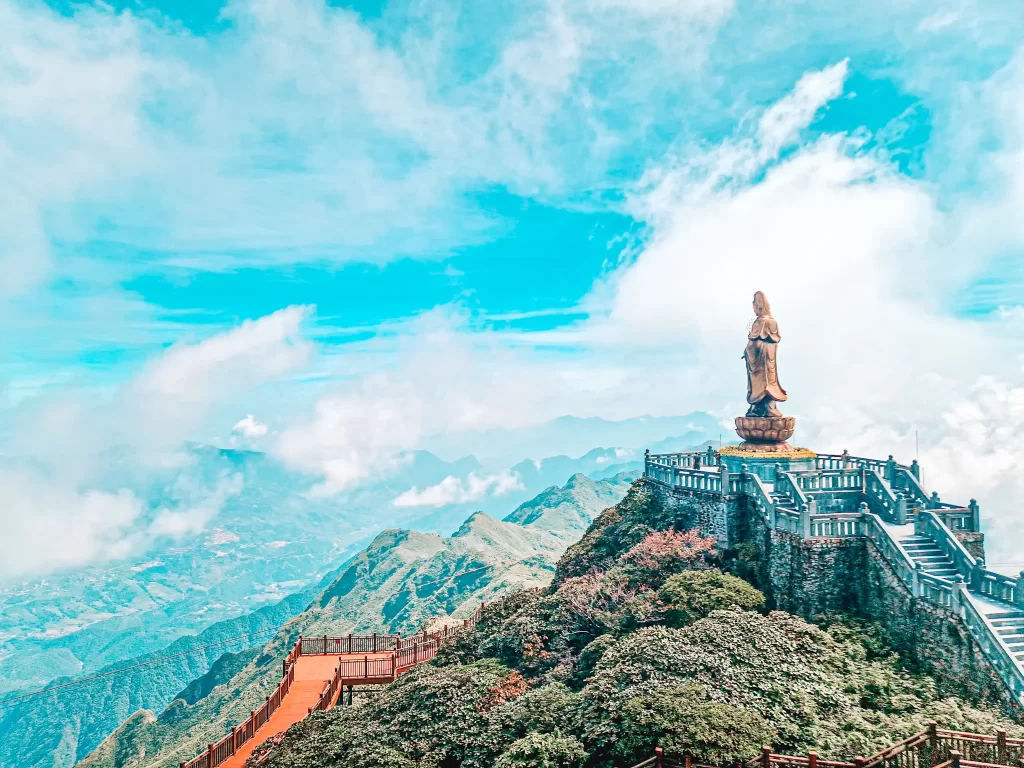
The views from the summit are incredible, and there are also temples and giant statues between the cable car station and the summit, which are worth visiting in their own right as they’re also amazing structures.
🚆 Some trains sell out quickly – book your transport to Sapa and Mount Fansipan in advance: Bus & train tickets on 12GoAsia here.
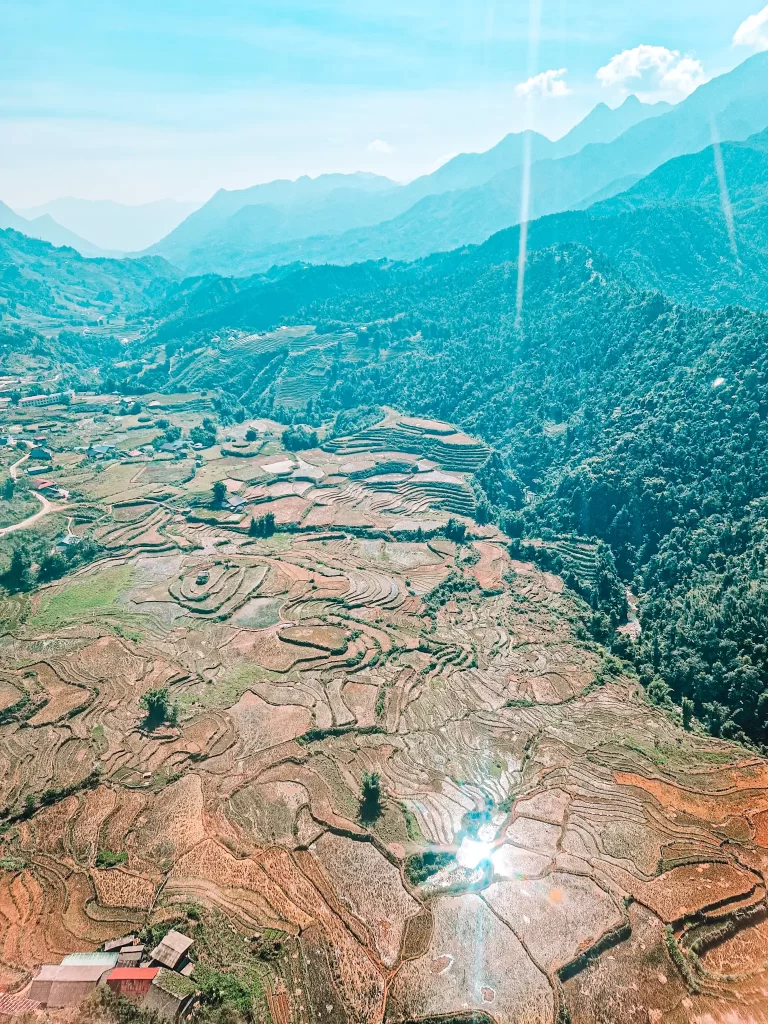
Want help planning Vietnam without overwhelm?
Vietnam, Unlocked is a culture-rich travel guide with itineraries, transport guidance, and planning tools — built for independent travellers who want depth, not rush.
Or, if you’re just getting started, you can sign up for my free Culture-First Traveller’s Guide to Vietnam, Laos & Cambodia — focused on history, everyday culture, and travelling thoughtfully.
And if you’d prefer someone to build a personalised itinerary just for you, I also offer
custom trip planning.
👉 Request a custom Vietnam itinerary
The history of Mount Fansipan
While the mountain itself was formed an astounding 250 million years ago, the cable cars, temples, and statues are significantly more modern.
When I first visited Vietnam in 2010, only hardcore trekkers went to Sapa, where the only way to reach the summit of Mount Fansipan was a multi-day trek. Since then, the incredible cable car – the longest in the world – has been built, with construction starting in 2013. It was somehow finished in just 800 days – I can’t even begin to imagine the work required to achieve this! When I visited Vietnam in October, I was very happy to find out I could reach the summit without trekking!
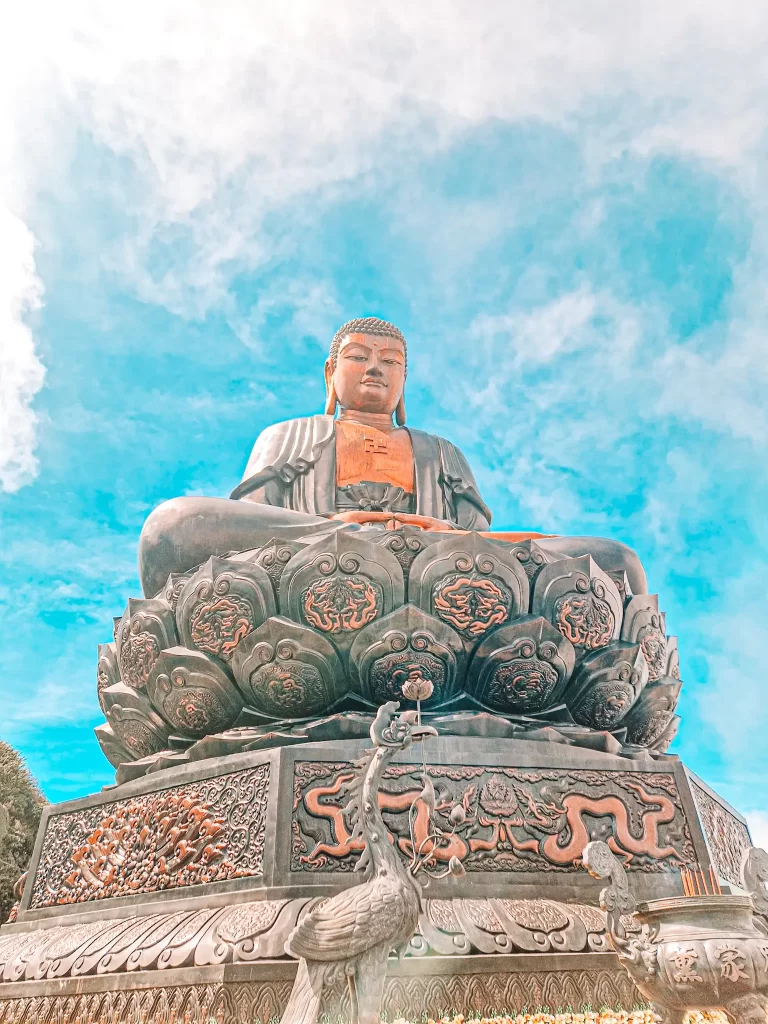
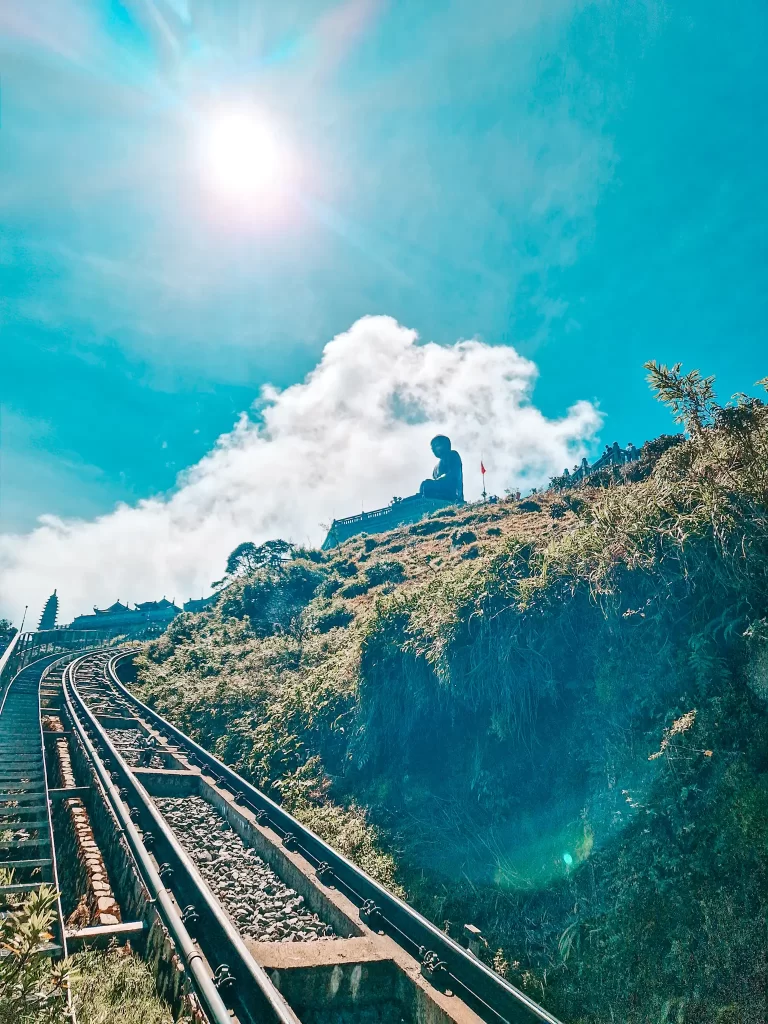
Development of the site also turned Mount Fansipan into a major spiritual destination for Vietnamese Buddhists. The ‘Roof of Indochina’, which also has the name ‘the tottering giant rock’ in the local language, now features the biggest giant Buddha statue in Vietnam. This 21m tall bronze statue looms over the valleys near the cable car station.
Further towards the summit, the beautiful 12m tall statue of Quan The Am (Goddess of Compassion) stands out against the greenery, reminiscent of the beautiful Lady Buddha near Hoi An and Da Nang. The summit also features a number of pagodas and a monastery.
When is the best time to visit Mount Fansipan
The best time of day to visit Mount Fansipan
Unlike Mount Bromo, where sunrise trips are essential, visiting Mount Fansipan is more flexible. However, I still recommend starting your day early to make the most of your visit:
- An early start will help you to avoid crowds that arrive later in the morning and into the afternoon
- While I was in Sapa in autumn 2024, it often clouded over during the afternoons, which would impede those stunning summit views
- It can be a long trip, so starting early gives you a chance to do something else later in the day.
However, while I preferred to watch sunset over Fansipan from one of my favourite cafes in Sapa, many people also visit Mount Fansipan for sunset. This allows you to witness the sun setting over the surrounding mountains. If you’re going for this option, remember to get to the cable car station for the last cable car (5.30pm on weekdays and 6pm on weekends). To avoid slipping on the stairs at dusk, consider taking the funicular train from the summit back down to the cable car station.
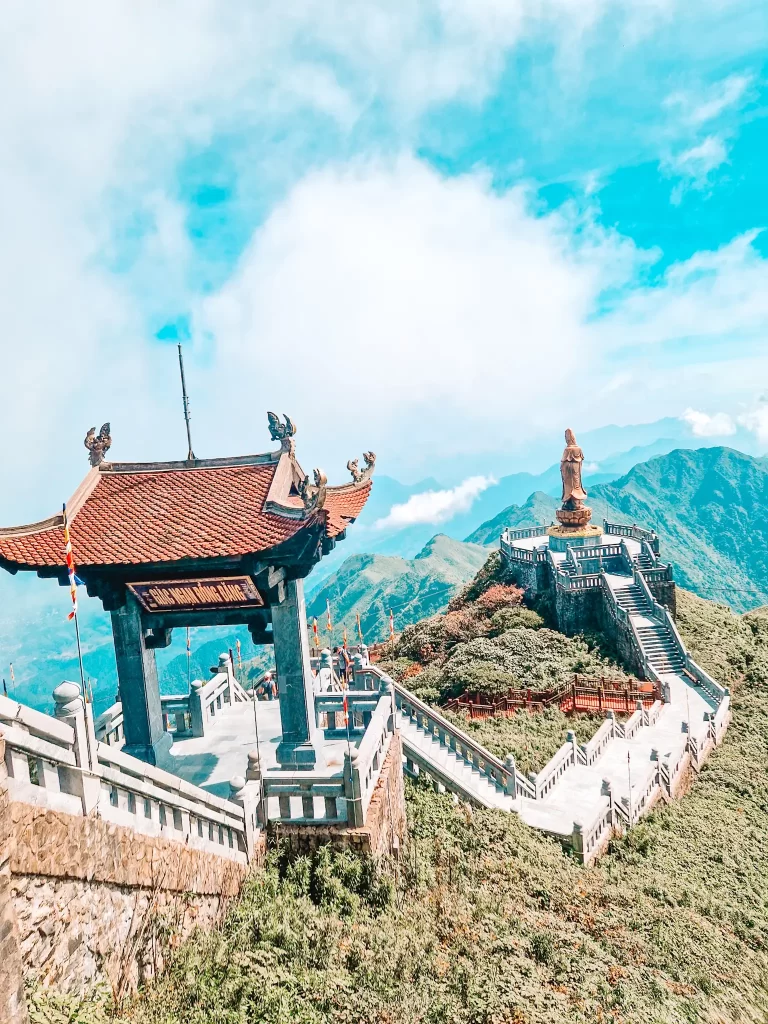
Ultimately, the best time to visit Mount Fansipan depends on your schedule in Sapa and how you arrive. For example, if you take the overnight sleeper train, you could head straight to the summit upon arrival (assuming you function better on limited sleep than I do, and don’t just want to climb straight back into bed). Alternatively, you could explore Sapa first and visit Mount Fansipan in the afternoon before taking a sleeper bus or train back to Hanoi.
🎟️ Compare routes and book your Sapa transport now via this handy 12GoAsia widget.
The best time of year to visit Mount Fansipan
Like Ninh Binh, this part of northern Vietnam has distinct seasons. Sapa experiences significantly different seasonal weather, and this is even more true at the summit of Mount Fansipan. Temperatures are likely to be significantly lower than in Sapa town, which in itself is likely to be cooler than Hanoi or Hoi An – one of the many reasons people flock to the area!
- Autumn (September-November), when I visited, was warm during the day but significantly cooler first thing in the morning. I didn’t experience rain, but this period is typhoon season in Vietnam, so you should monitor the weather forecast.
- Winter (December and January) can see actual cold temperatures, occasional snow, and frequent rain. It’s also likely to be misty, impeding your views from the summit.
- Spring (February- May) has temperatures between 10c-20c. Flowers and greenery bloom during this season, making the area particularly beautiful.
- Summer (June to August) has temperatures over 20c. You can expect a high of around 24c, which is a bit hot for the walking at the summit. There is also a high likelihood of rain, particularly in the afternoons, which might make it harder to visit Mount Fansipan.
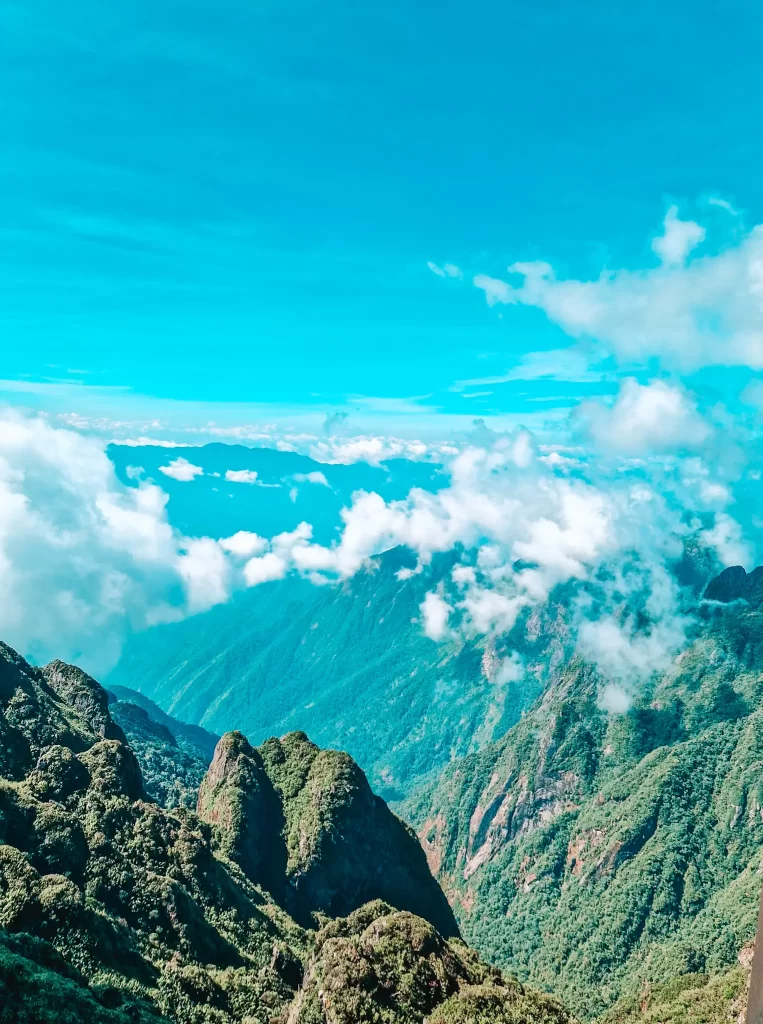
How to visit Mount Fansipan
The easiest way to visit Mount Fansipan is by taking the Sun World train and then from Sapa, followed by the cable car and an optional funicular or a 600-step walk to the summit. Tickets can be purchased in central Sapa. Plan for at least half a day and dress for cooler mountain weather.
Many people trek to the summit of Mount Fansipan, but this isn’t the right option for me. I’m not a hiker, and trekking tours are often very expensive for solo travellers.
However, if this is something you want to do, you will need a guided trek. You should carefully consider the time of year you plan to visit to give you the right weather conditions for the trek. This website has a detailed guide to the different Mount Fansipan trekking routes. If you think hiking up sounds perfect, try this highly rated tour on Get Your Guide, which offers transport to the start point, a local guide and the organisation needed to get you to the summit.
For me, the best way to visit Mount Fansipan was to use the cable car! While this is a major Vietnamese tourist site, run by Sunworld, (who also run the Bana Hills Park, one of the most popular day trips from Da Nang), it very much feels like useful planning information is scarce. For example, I found that ticketing options were unclear and there wasn’t much information on what to expect at the summit!
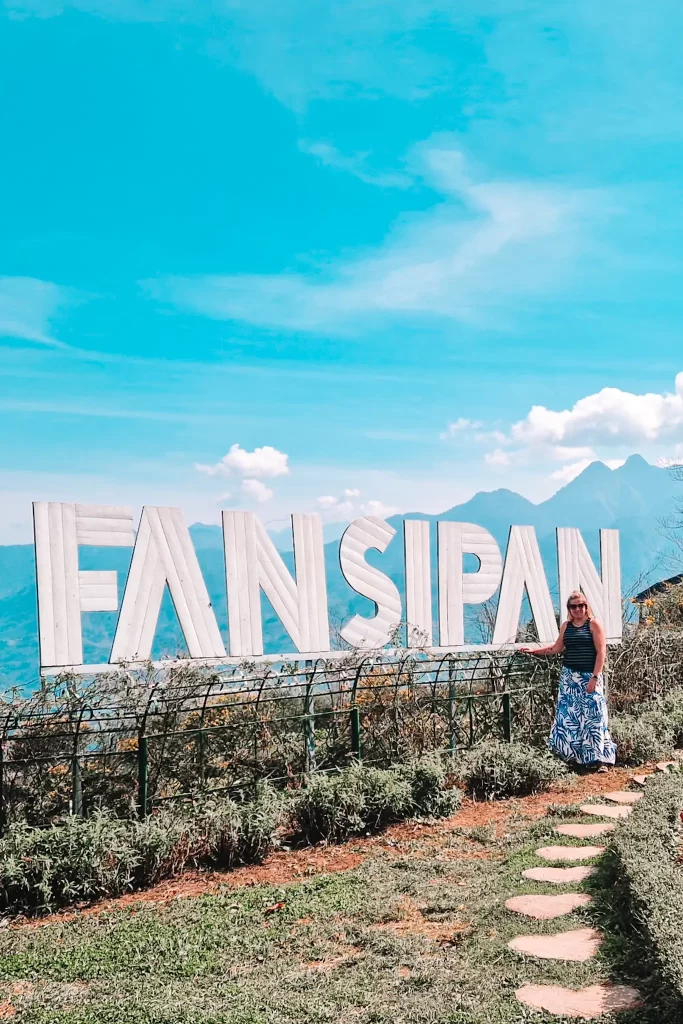
There are other things to consider like weather and appropriate clothing. As I couldn’t find all this information when I was planning my own trip, I’ve created this comprehensive guide so you know how to visit Mount Fansipan!
🎫 Click here to check the latest cable car combo prices!
How to get to Fansipan
There are three main steps to the journey: the initial train, the cable car, and the final funicular train (or walk):
- Train – you take the train from central Sapa to the main Sunworld Fansipan hub. If you don’t want to take the train – for example, if you’re not staying in central Sapa – you can take a taxi or rent a motorbike to get to the entrance to the Sunworld Complex
- Tourist ethnic village – once you arrive by train (or taxi), you walk up a hill and through a very touristy ‘ethnic village’. If you want to spend time in the village, do so on the way up. You won’t see it again on the way back. On the other side of this village, you’ll reach the cable car station.
- Mount Fansipan Cable car – you’ll join a queue in the enormous cable car hall. Even though this only felt about a quarter full when I visited, I waited about half an hour. It was certainly worth it, with one of the longest and highest cable car journeys in the world as my reward.
- Funicular – Once you’re swept up to the mountain itself, you can choose to take another small Funicular to the top, or climb 600 steps to reach the summit. If you walk (either up or down), you’ll pass the temples and statues, all of which are stunning. While this isn’t as spectacular as the funicular on Penang Hill in Malaysia, it’s still well worth the experience. I then recommend walking down (not up!) to see these incredible feats of engineering.
- Summit – You’ll finally reach the summit of Mount Fansipan. There’s plenty of space up here for the inevitable selfies, pictures of the view and a lot of Vietnamese flags. It’s absolutely stunning.
🎟️ Mount Fansipan Ticket Options (2025)
Cost in 2025:
- 850k VND Cable Car
- 150k VND Funicular one way
- 180k VND for train
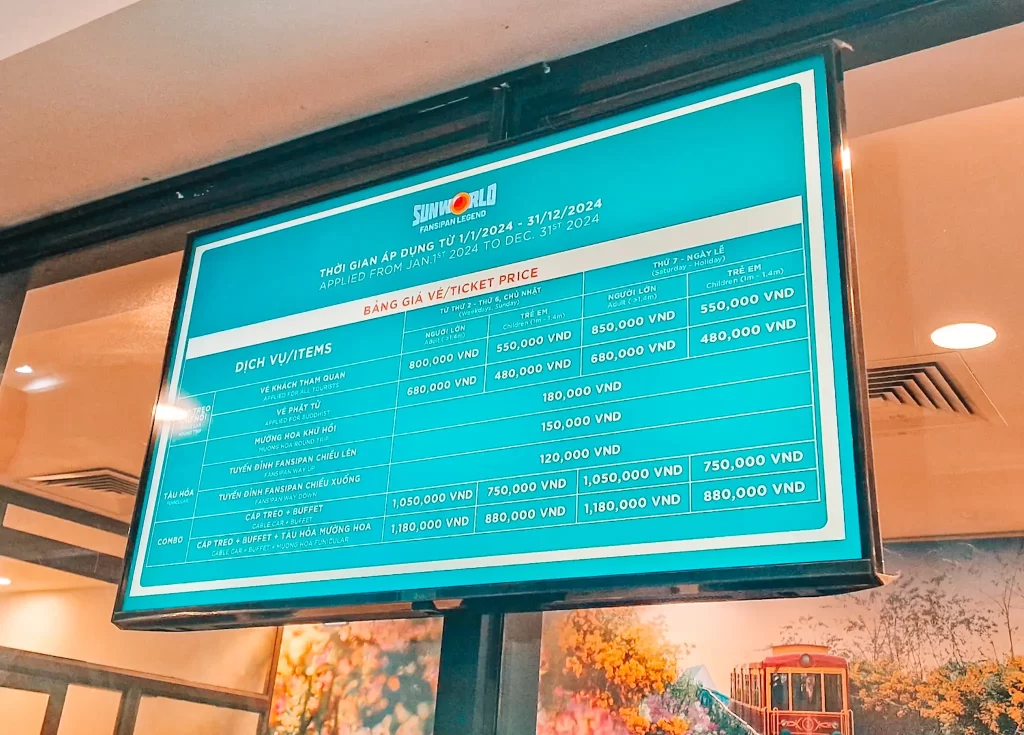
Despite English information and staff with excellent English, I found the ticketing very confusing. Even looking back on it now, I struggle to make sense of the way it’s presented. The distinction between the two trains – the initial ride to the cable car station, and then the funicular at the top – is not presented clearly. However, I’ve laid it out more clearly below to help you!
| Option | Includes | Best For | Price (VND) |
|---|---|---|---|
| Cable Car Only | Cable car to/from summit base | DIY travellers with own transport to station | 850,000 |
| Train + Cable Car | Tourist train (Sapa → station) + cable car | Central Sapa departures, walk both up and down 600+ stairs | 1,030,000 |
| Train + Cable Car + 1-Way Funicular | Train, cable car, 1-way summit funicular | Most popular combo – walk down stairs | 1,180,000 |
| Train + Cable Car + 2-Way Funicular | Train, cable car, round-trip summit funicular | Visitors avoiding stairs completely | 1,330,000 |
I went for the option with one-way Funicular and walked down from the summit to the Mount Fansipan Cable Car station. I was advised to do this by the helpful lady at the ticket office – she also told me that you can buy a return funicular ticket at the top if you take a look at those 600 steps and decide your knees can’t cope with walking down.
Tickets are bought in person at the ticketing desk in central Sapa. You buy your Mount Fansipan Cable Car tickets and depart from the bright yellow Hotel de la Coupole – you can’t miss the building. You can buy your tickets on the day or via Klook – if you use this Klook widget, make sure you get the right ticket combo.
If you book in person, make sure that you hold on to all your paper tickets as you’ll need them to access the various stages of the journey (and even get out of the complex at the end).
Should you take the funicular or walk up the steps?
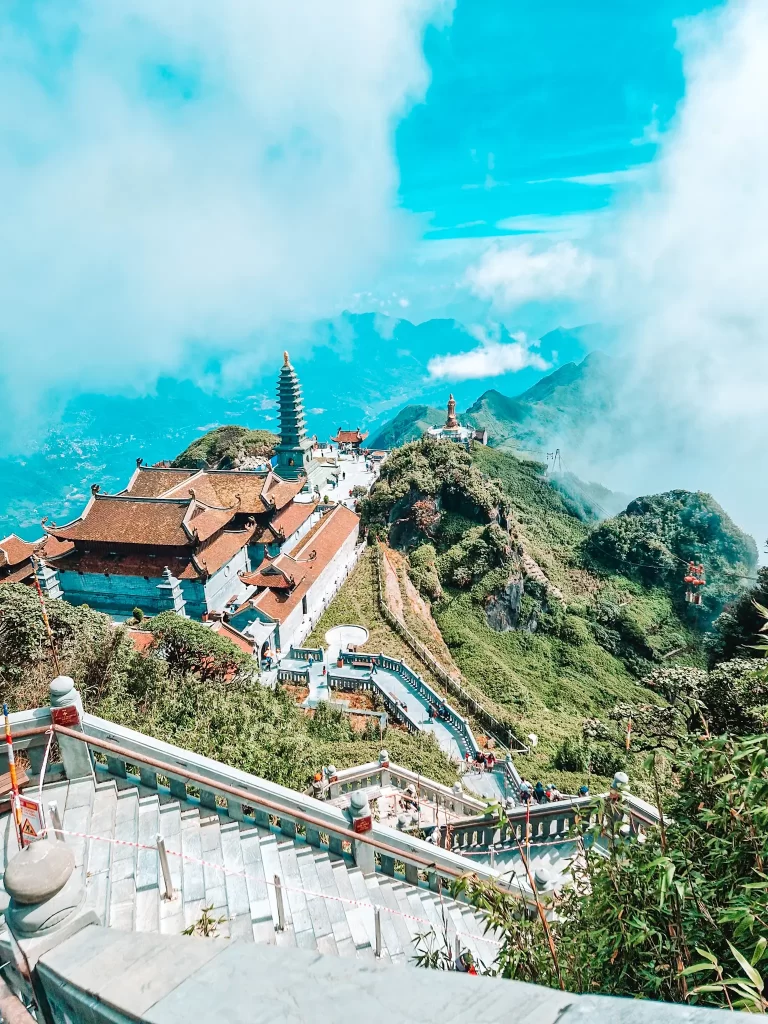
There are over 600 steps between the cable car station and the summit. Given that the 250+ steps at the Batu Caves in Malaysia is a struggle for many people, I strongly suggest taking the Funicular up and walking down the steps, because:
- There are still plenty of steps up (for example to the statue platforms) on the way to get your heart rate up!
- 600 steps is a lot! Don’t underestimate how long this will take or how much effort it will be, even if you’re fit. As I was walking down, I passed people on their way up who were clearly regretting their choice.
- You’ll get to see the temples and statues on the way down, and these are definitely worth visiting.
- The steps are not even spaced, they are often narrow, and when it’s misty or raining they get slippery. There are signs throughout the complex warning visitors to be careful. Only doing the steps one way reduces the risk of falling.
Food, drink, and other practicalities
Visiting Mount Fansipan takes at least half a day, so it’s good to know what your food options are. The site has been set up by Sunworld, who also run a number of other attractions across Vietnam. It is essentially a theme park company, and it has all the same amenities.
The main restaurants are at the cable car station at the summit, with two options on different floors. There’s also a cafe near the summit area, offering lighter bites. Throughout the complex there are snack carts offering e.g. popcorn. There was also a restaurant at the bottom cable car station, which offers a buffet option that can be bought as part of certain ticket combos.
There are toilet facilities throughout the complex.
What to wear to Mount Fansipan
Mount Fansipan can be cold, especially if you’re going in the early morning. Use this weather guide to check the weather at the summit and follow these tips on how to visit Mount Fansipan:
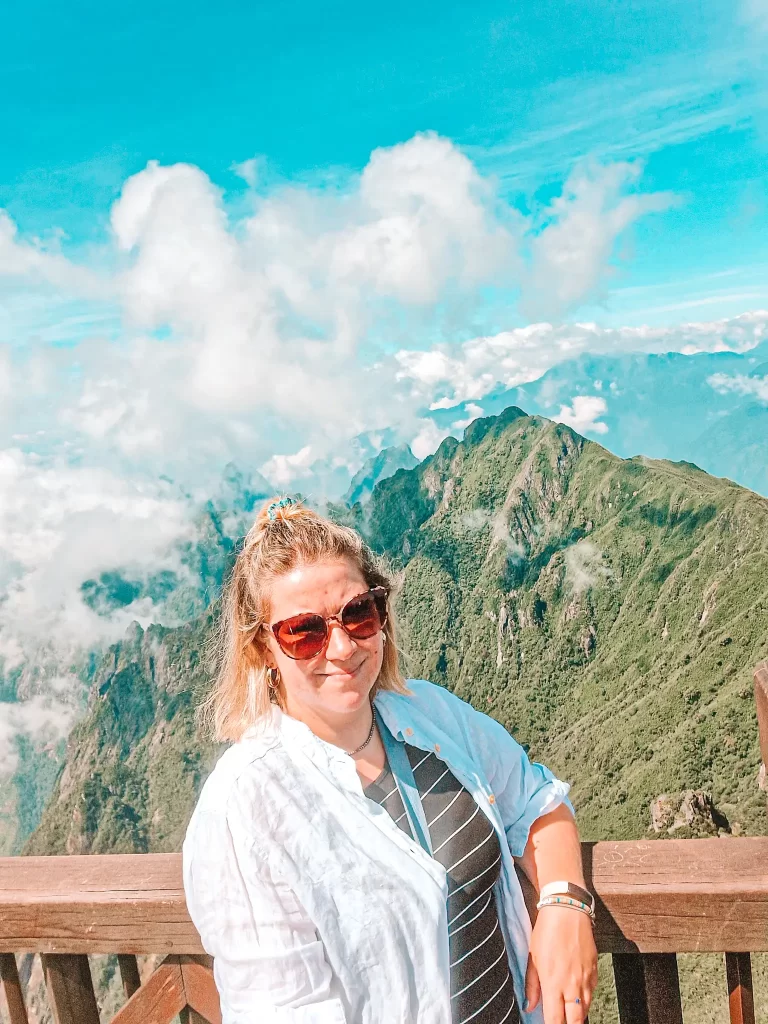
- Bring layers – while it was initially chilly, I got hot walking around the summit area
- Consider bringing a waterproof – the weather can change quickly on the mountain. This Packable Rain Jacket wraps up small so that if you don’t need it, it’s easy to carry.
- Wear good shoes. Walking sandals are fine but I wouldn’t recommend flip flops or anything with a smooth sole, as the steps are uneven and slippery. In any group of female travellers in South East Asia, at least 80% will be wearing either Birkenstocks (revered for their comfort and durable soles) or Teva sandals (loved for being lightweight and waterproof).
- Bring a cover up. Much of Fansipan is a sacred space and you should make sure you dress respectfully for the temples.
What to pack for Mount Fansipan
Even if you’re only visiting via the cable car (rather than the significantly more gruelling hike), there are a few things that will make your trip to Mount Fansipan more smooth:
- If you’re determined to walk down the stairs to see the beautiful temples and statues, but worried about that dodgy knee, consider bringing these lightweight walking poles. With a score of 4.4 from over 10k reviews, you know they’ll be good quality, and this certainly won’t be the only place in Vietnam they’ll come in useful!
- I was gifted a foldable backpack before I went travelling, and it’s a gamechanger for day trips like visiting Mount Fansipan. This lightweight backpack will fold up small in your main pack when you don’t need it, but will stop you having to empty everything out of any handbag or rucksack you use for travel days.
- A small handbag charger, or this bigger but heavier charger that offers more power – both perfect for making sure your phone doesn’t run out when you’re trying to get those Fansipan summit pics.
- A reusable water bottle should be an essential part of your travel kit. This insulated bottle will keep your water cold (or your coffee warm, if that’s your vibe) and stop you having to pay a premium for water at the summit. At 700ml, I actually think this is a great midway point between the 1L bottle I struggle to carry and the smaller 500ml bottles that aren’t quite enough water.
- A Selfie stick to help you get those all important shots – most of the photos of me in this guide were taken with this exact selfie stick.

Where to stay to visit Mount Fansipan
The best place to stay to visit Mount Fansipan is in nearby Sapa. If your priority is going to Fansipan, I recommend staying in central Sapa, near the cable car departure point. This will help you make the most of your time, without needing to walk or get a taxi to the departure point. The map below shows hotels near the cable car.
- My personal recommendation is the Heart of Sapa Hotel. I stayed here in October 2024 and it’s a great family run guest house, with some rooms even offering mountain views. It’s about 5 minutes walk from the cable car station, but also about 5 minutes in the other direction from some beautiful cafes to watch the sun set over the mountain.
- For proper budget vibes, the Sapa Backpacker Hostel offers private rooms, with a rating of 8.2 from 174 reviews, all in a great location
- If you want to splurge, stay at the gorgeous Hotel de la Coupole – the building the cable car departs from! Apart from giving you the shortest commute ever, this 5* hotel offers incredible luxury.
🚡 Quick Recap – Plan Your Mount Fansipan Trip:
- 📍 Book your Sapa transport: 12GoAsia
- 🎟️ Buy your cable car ticket combo: Klook
- 🏨 Stay close to the summit: Heart of Sapa Hotel or Hotel de la Coupole
Frequently asked questions
How long is the Mount Fansipan cable car?
The Fansipan Sapa cable car in Vietnam is 6.3 kilometers (6,300 meters) long. It holds the Guinness World Record for the longest non-stop three-rope cable car. The cable car journey takes about 15-20 minutes to reach the summit of Fansipan Mountain.
Is the Mount Fansipan cable car safe?
Yes. The Fansipan Cable Car is modern and safe, built by world-renowned engineering firms and operated by Sun World. It meets international safety standards and is regularly maintained. It’s one of the longest and highest cable cars in the world.
Can I buy Mount Fansipan tickets online?
Yes. Tickets can be purchased online via Klook or in person at the Hotel de la Coupole in central Sapa. If buying online, make sure you choose the correct combo (e.g., train + cable car + funicular).
Book your Fansipan adventure now – I recommend this Klook combo to skip the long queues and save time.
What is the difference between the train, cable car, and funicular at Mount Fansipan?
✔ The train takes you from Sapa town to the cable car station.
✔ The cable car covers the majority of the ascent to the mountain.
✔ The funicular is a short railway that connects the upper cable car station to the summit, avoiding a steep 600-step climb.
Is Mount Fansipan cold at the top?
The temperature at the top of Mount Fansipan depends on the time of year and day that you visit. For example, if you visit in winter, it will definitely be cold. In contrast, in summer, it is likely to be cold earlier in the morning before changing to a pleasant temperature during the day.
As a general rule, you can expect the summit of Mount Fansipan to be several degrees colder than the town of Sapa, where you depart.
Is Mount Fansipan suitable for children or elderly travellers?
Yes. Thanks to the cable car and funicular, most of the journey is accessible. However, the high altitude and optional steps to the summit may be challenging for some. Plan accordingly and consider taking breaks at the rest stations.
What to bring on a trip to Mount Fansipan?
Here’s my key gear list for a trip to Mount Fansipan:
✔ Packable Rain Jacket – weather in this part of Vietnam is changeable
✔ Birkenstocks or Teva sandals – popular walking sandals with good grip that prioritise comfort and stability.
✔ Lightweight walking poles – perfect for making sure you get down those 600+ steps without throwing out your dodgy knee
✔ A small handbag charger, or this bigger but heavier charger that offers more power – make sure you get those summit selfies!
✔ Insulated bottle to keep your water cold – make sure you stay hydrated, especially in summer
✔ Selfie stick – get those all important summit shots.
✔ Foldable backpack – to carry everything else on this list!
Can I hike Mount Fansipan without a guide?
No. Independent hiking is not permitted without a licensed guide. Due to the remote terrain and national park regulations, all treks to the summit must be guided for safety and environmental protection.
In addition, the weather in this part of Vietnam can change quickly, and having a local guide will help you to navigate any unexpected changes.
Visiting Mount Fansipan is an unforgettable experience, offering both adventure and cultural discovery. Whether you take the funicular to the summit or challenge yourself with the 600 steps, the journey is as rewarding as the destination. With stunning panoramic views, intricate temples, and the awe-inspiring Buddha statue, Fansipan is more than just a mountain—it’s a place of wonder. Now that you know how to visit Mount Fansipan with ease, all that’s left to do is plan your trip and experience this incredible destination for yourself.
Planning a Trip to Vietnam?
If you want a detailed, culture-first Vietnam travel guide with realistic itineraries, destination deep dives, transport advice, and practical planning tools, Vietnam, Unlocked is designed to help you plan a confident, well-paced trip — without overwhelm or rushed decisions.
👉 Explore Vietnam, thoughtfully with Vietnam, Unlocked
If you’re still in the inspiration or early planning phase, you can also download my free Culture-First Traveller’s Guide to Vietnam, Laos & Cambodia — a thoughtful introduction to travelling Southeast Asia with context, care, and curiosity.
👉 Get the free culture-first guide
And if you’d prefer someone to build a personalised itinerary just for you — tailored to your time, interests, pace, and travel style — I also offer custom trip planning.
👉Request a custom Vietnam itinerary
Em is the traveller behind Em’s Globetrotting Gems, a blog where she shares practical tips and personal experiences from her adventures around the world. She visited Mount Fansipan in 2024, taking in the stunning mountain views and the experience of standing on the “Roof of Indochina.” Her blog is designed to help fellow travellers plan unforgettable trips with honest advice and useful insights every step of the way.
✅ All photos featured on this blog are from my personal travel experiences. No stock images are used.